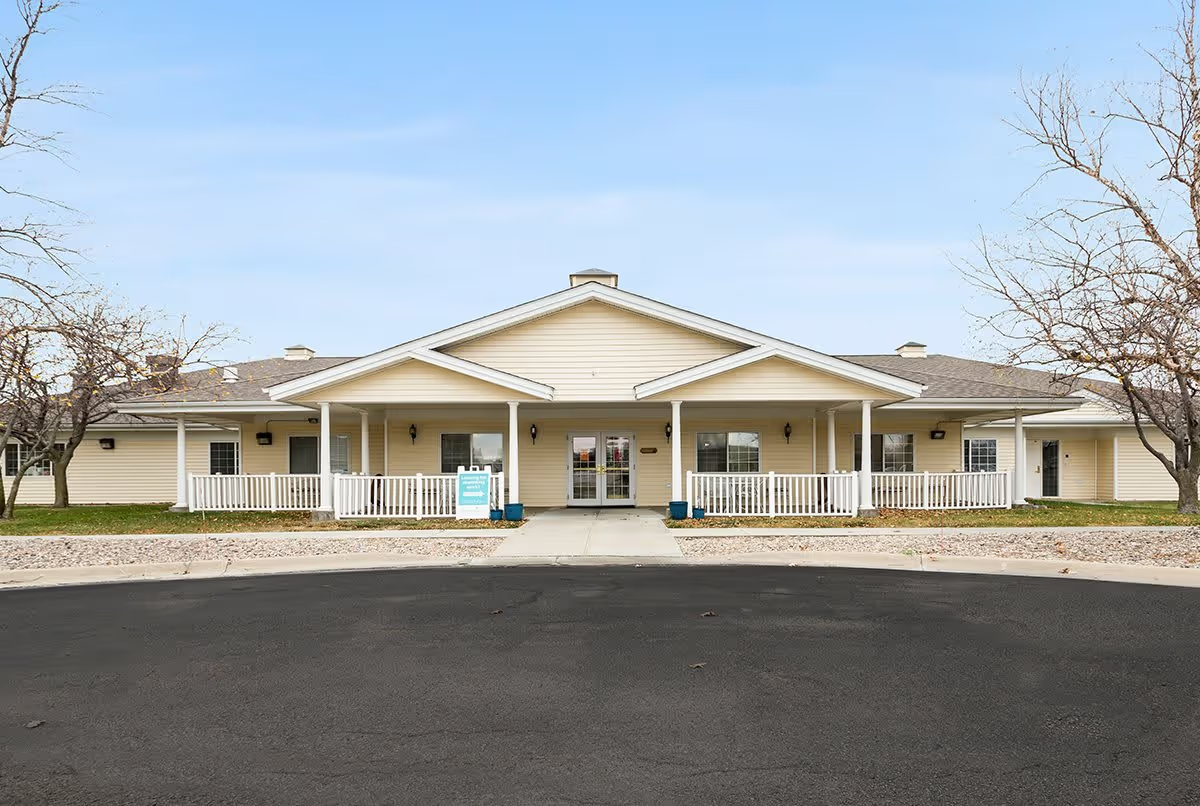
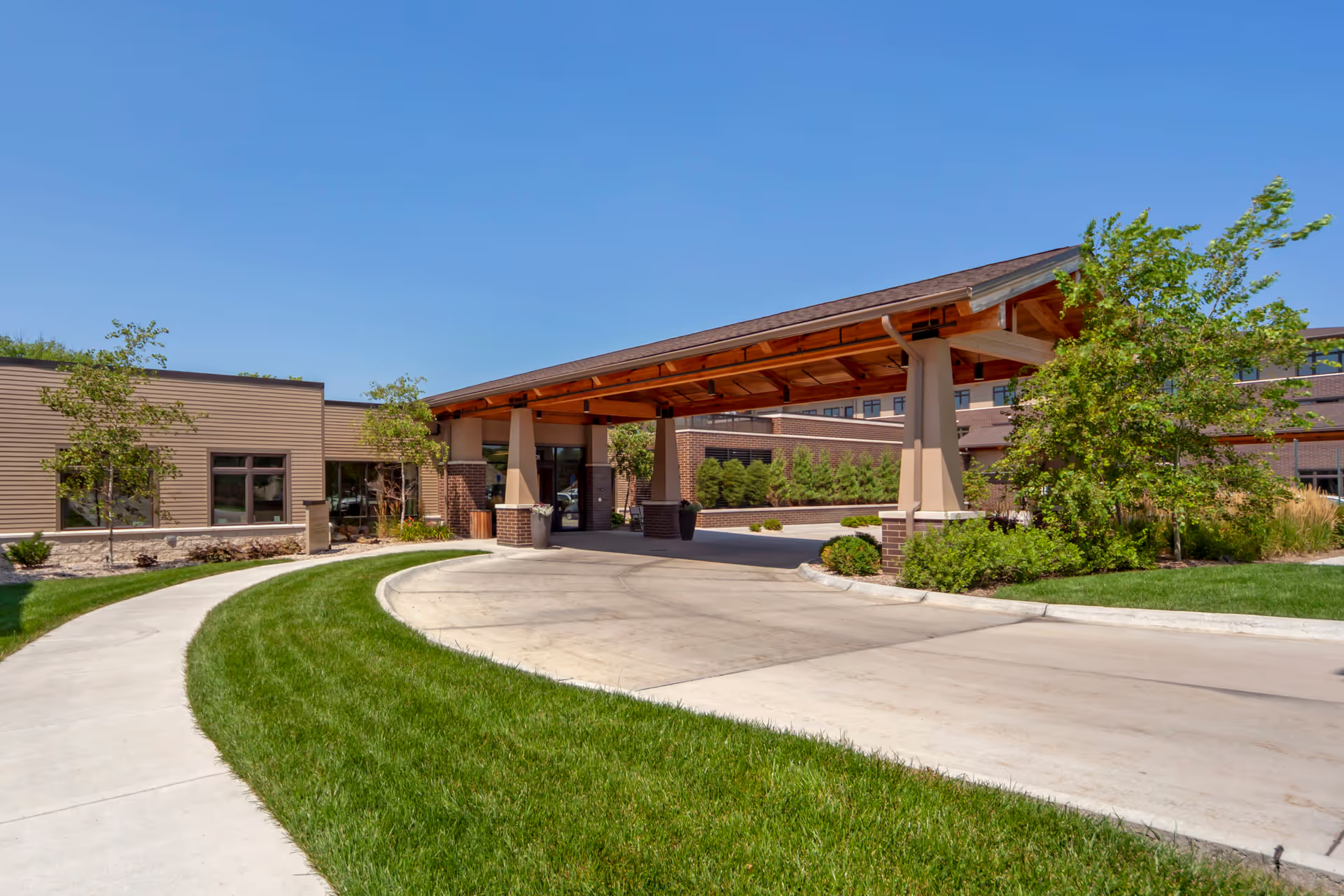
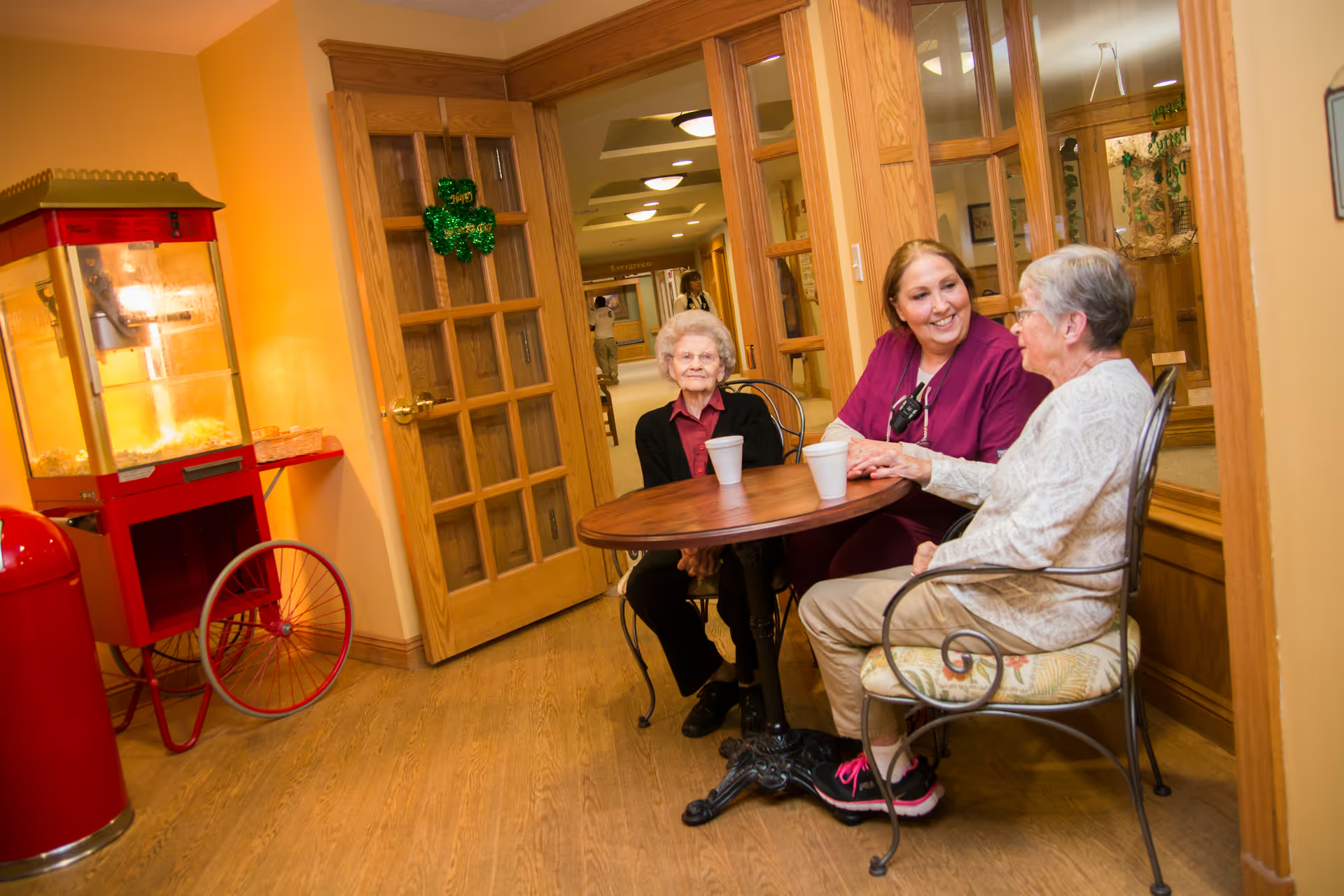
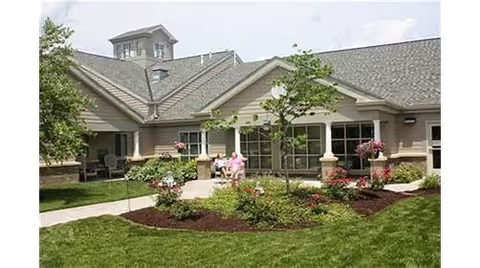
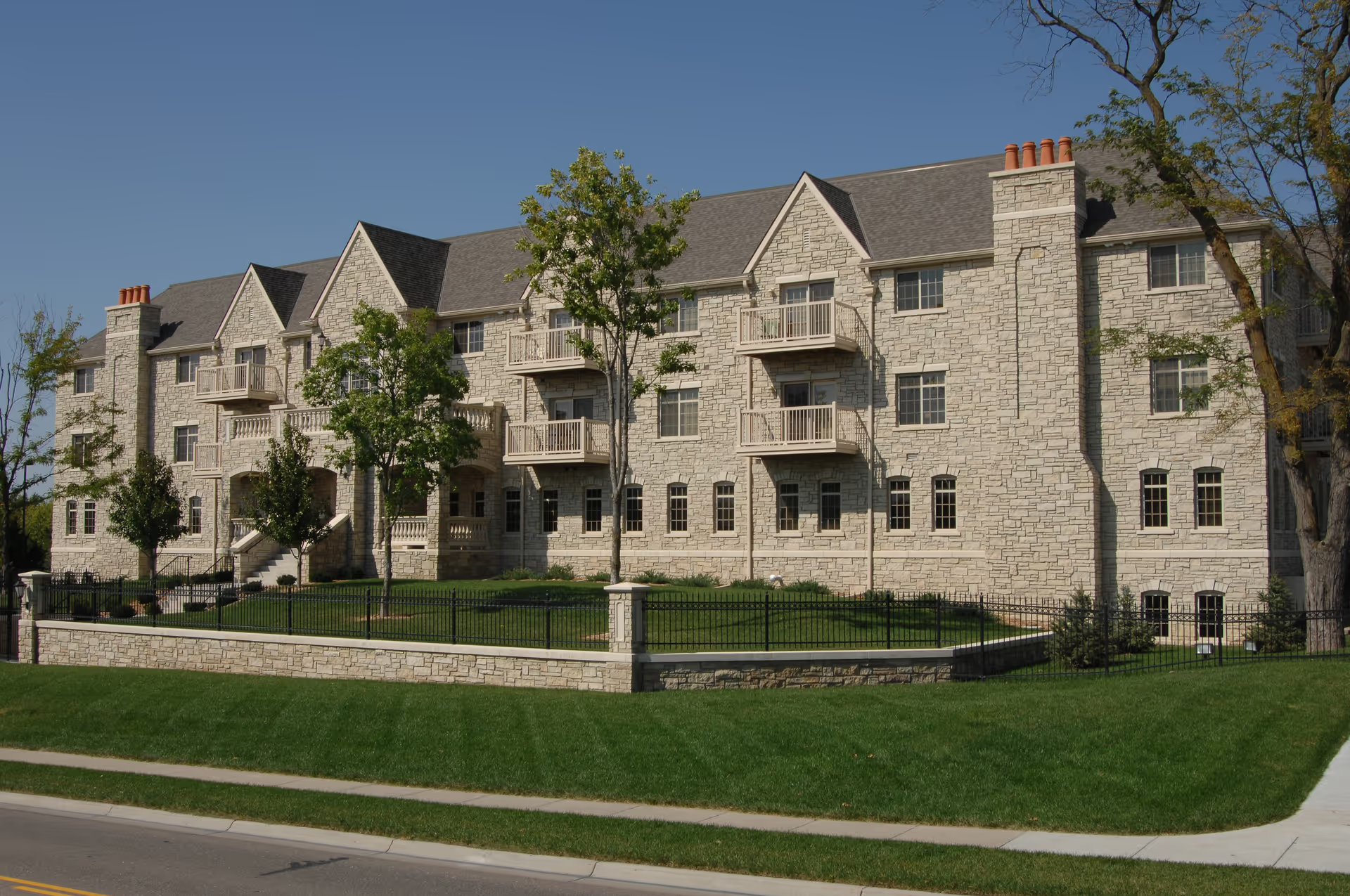
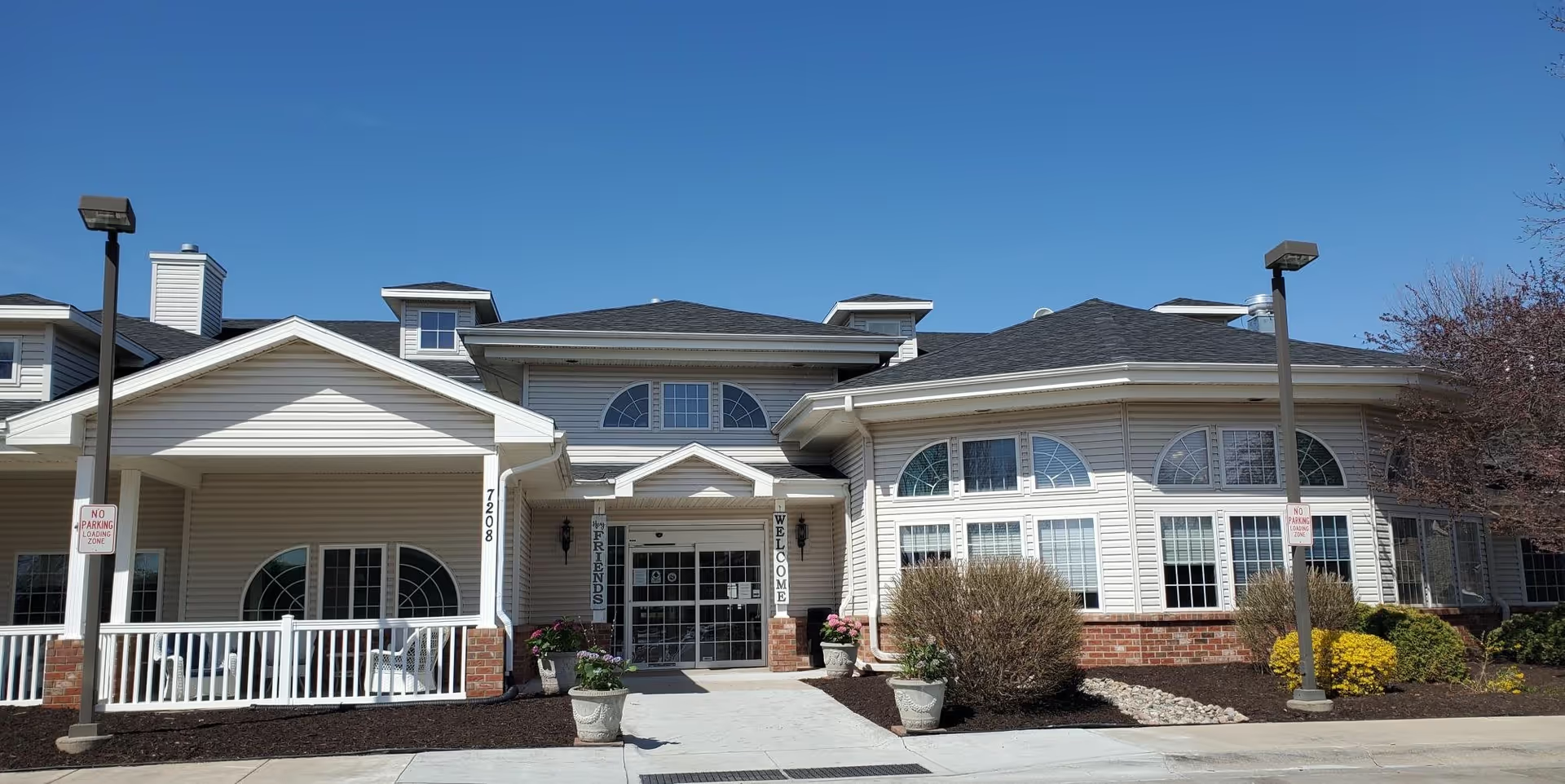
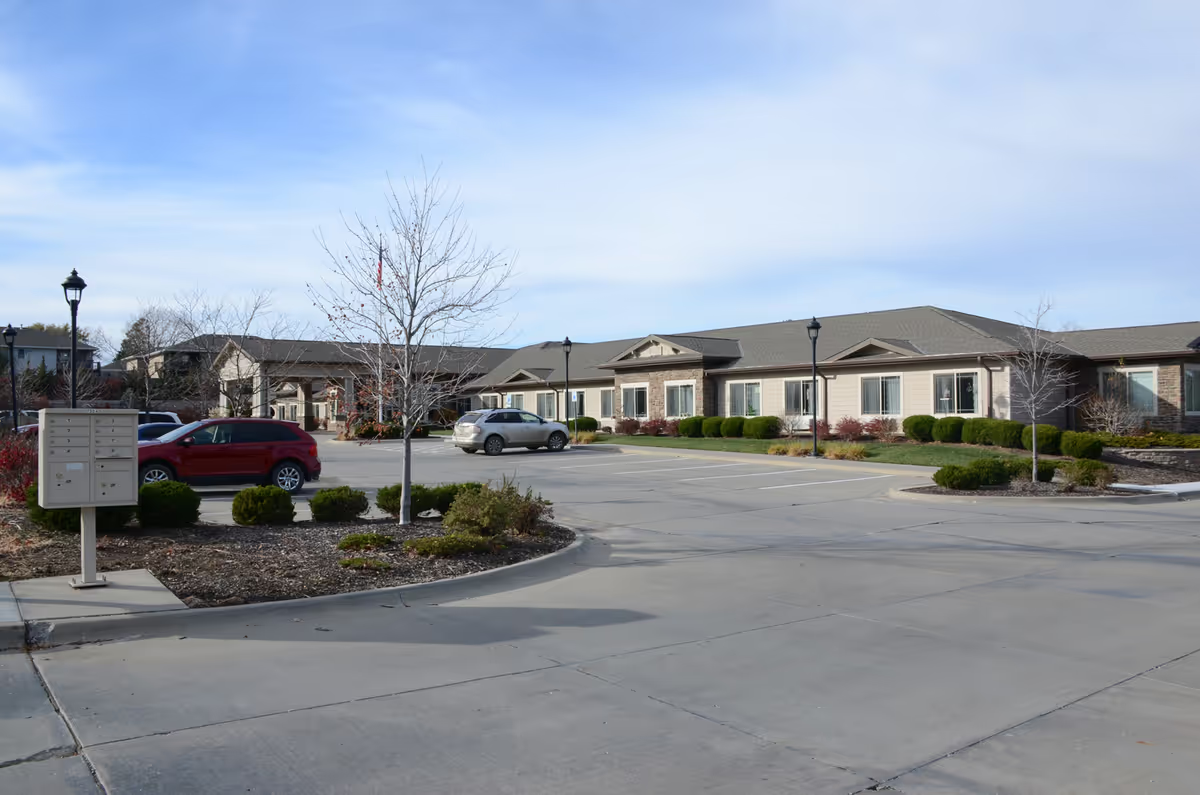
Overall impression: Reviews indicate a facility with many visible strengths in day-to-day resident experience — a clean, bright building and staff whom families frequently describe as caring, professional, and family-oriented. Those positive accounts often highlight individualized and specialized clinical care, good communication with families, and therapy interactions that made residents comfortable and supported recovery. At the same time, other accounts describe operational and clinical shortcomings that materially affected outcomes for some residents; these create a mixed overall picture that prospective families should evaluate directly.
Care and therapy: Clinical care quality appears inconsistent. Positive reviews describe individualized, specialized care and therapy staff who engage well with residents, producing comfort and good short-term experiences. Conversely, several accounts raise concerns about insufficient rehabilitation intensity and limited therapy time, which families linked to poorer-than-expected recovery. The pattern suggests that therapy staffing, scheduling, or program-design limits may reduce the effectiveness of rehabilitation for some residents; prospective families should verify expected daily therapy minutes, disciplines involved, and measurable therapy goals for their loved one.
Staff and responsiveness: Staff are a clear strength in many reports — described as compassionate, professional, and capable of forming family-like relationships with residents. However, there are also concerns about staff conduct and responsiveness in some situations, and variability in care quality across shifts or units is noted. These inconsistencies point to potential gaps in training, supervision, or staffing continuity. Families should ask about staff-to-resident ratios, staff turnover, and how the facility manages supervision and handoffs between shifts.
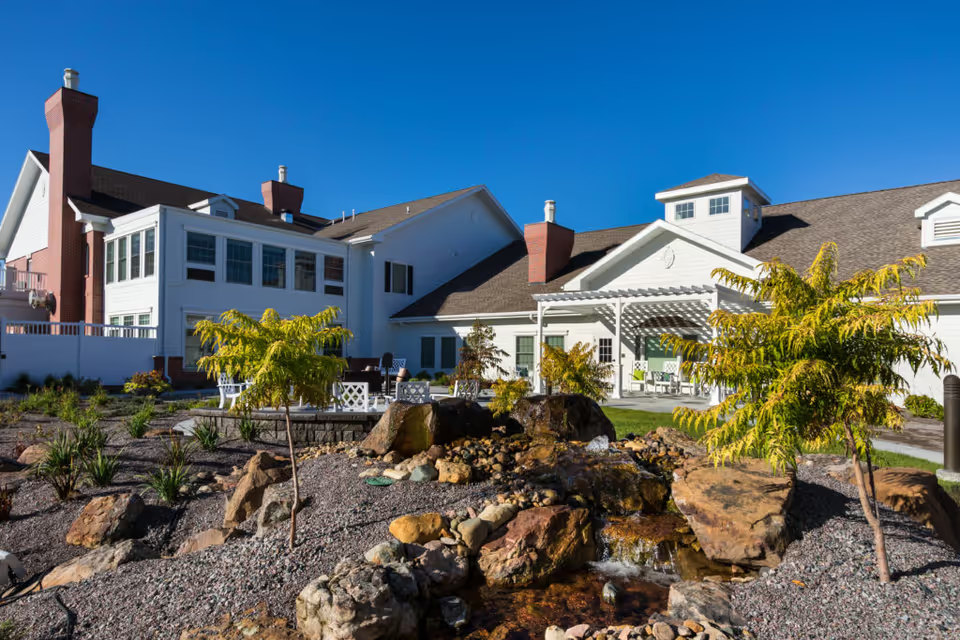
Facilities, dining, and activities: The physical plant is consistently described as clean, bright, and well maintained, creating a comfortable and cheery environment. There is relatively little specific commentary about dining quality or the range and frequency of activities in the available summaries; prospective families should request menus, sample activity schedules, and opportunities to observe or participate in a program to assess suitability for the resident’s interests and needs.
Management, billing, and communication: Several reviews point to administrative challenges — including disputes over Medicare/Medicaid coverage, high private-pay charges that families felt were not matched by services, and gaps in management communication that led to surprising or upsetting family meetings. These issues imply process weaknesses in payer authorization, financial transparency, and family notification protocols. Prospective residents should request written explanations of typical billing scenarios, ask how payer authorization is handled, and clarify how and when families are notified of clinical changes.
Notable patterns and recommendations: The recurring pattern is of strong front-line caregiving and a pleasant facility environment coexisting with operational weaknesses that affect rehabilitation outcomes and family trust. When evaluating Ridgewood Rehab & Care Center, visitors should observe therapy sessions, request documented care plans with therapy-minute targets, review recent inspection or audit results if available, obtain a clear written estimate of costs under different payer scenarios, and ask for the facility’s family-communication policy. These steps will help determine whether the facility’s strengths align with the prospective resident’s clinical and financial needs and whether management practices address the operational concerns noted by families.