Overall sentiment in the reviews is strongly positive, with multiple reviewers emphasizing compassionate, attentive staff and a warm, home-like environment. The dominant themes are quality interpersonal care, clear and ongoing communication with family members, and a sense that management and staff treat residents with respect and dignity. Gratitude toward the staff appears repeatedly, including specific appreciation for their efforts during the pandemic and for accommodating urgent situations such as care needs after a car accident.
Care quality and staff performance are the most consistently praised aspects. Reviewers describe staff as caring, loving, and family-like in their interactions. Several comments highlight that staff actively engage with residents and keep family members updated on their loved ones' status. The reviews convey confidence in safety and the overall standard of care, and at least one reviewer explicitly thanks staff for going above and beyond during difficult times. The recurring tone is one of trust: families feel their relatives are treated with dignity and that their needs are understood and met.
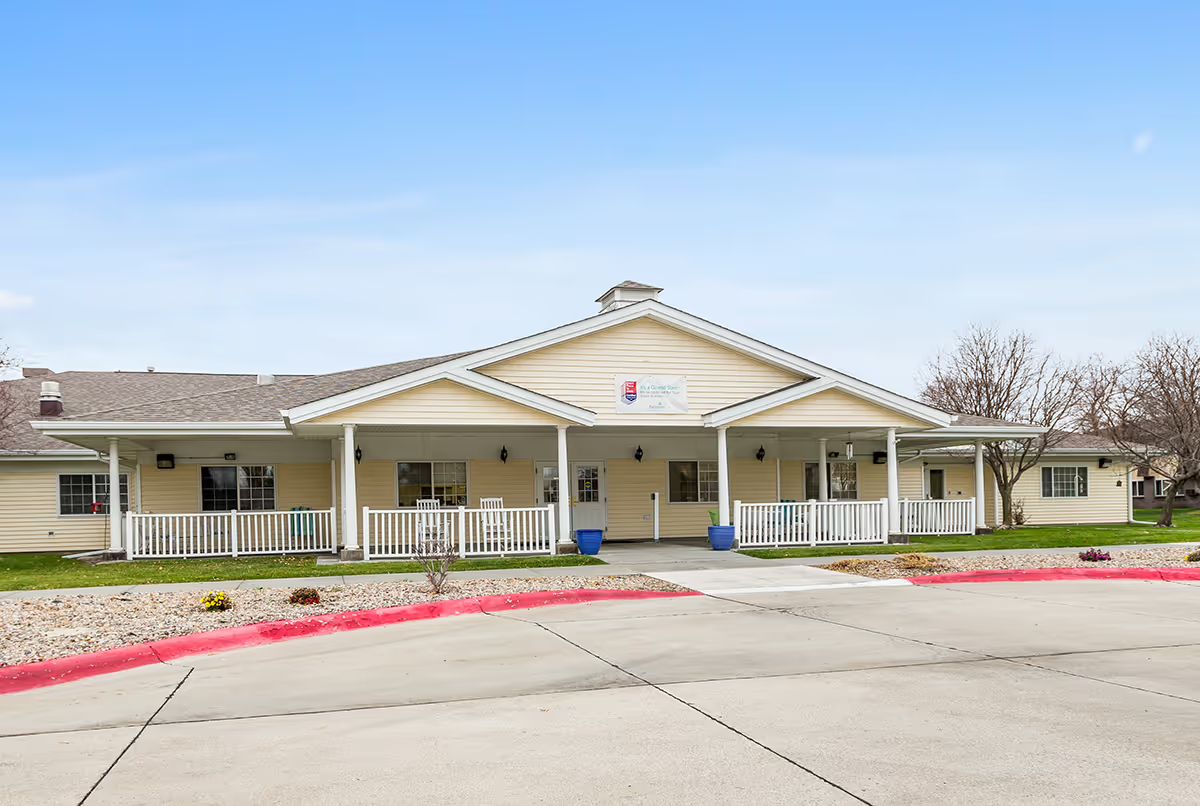
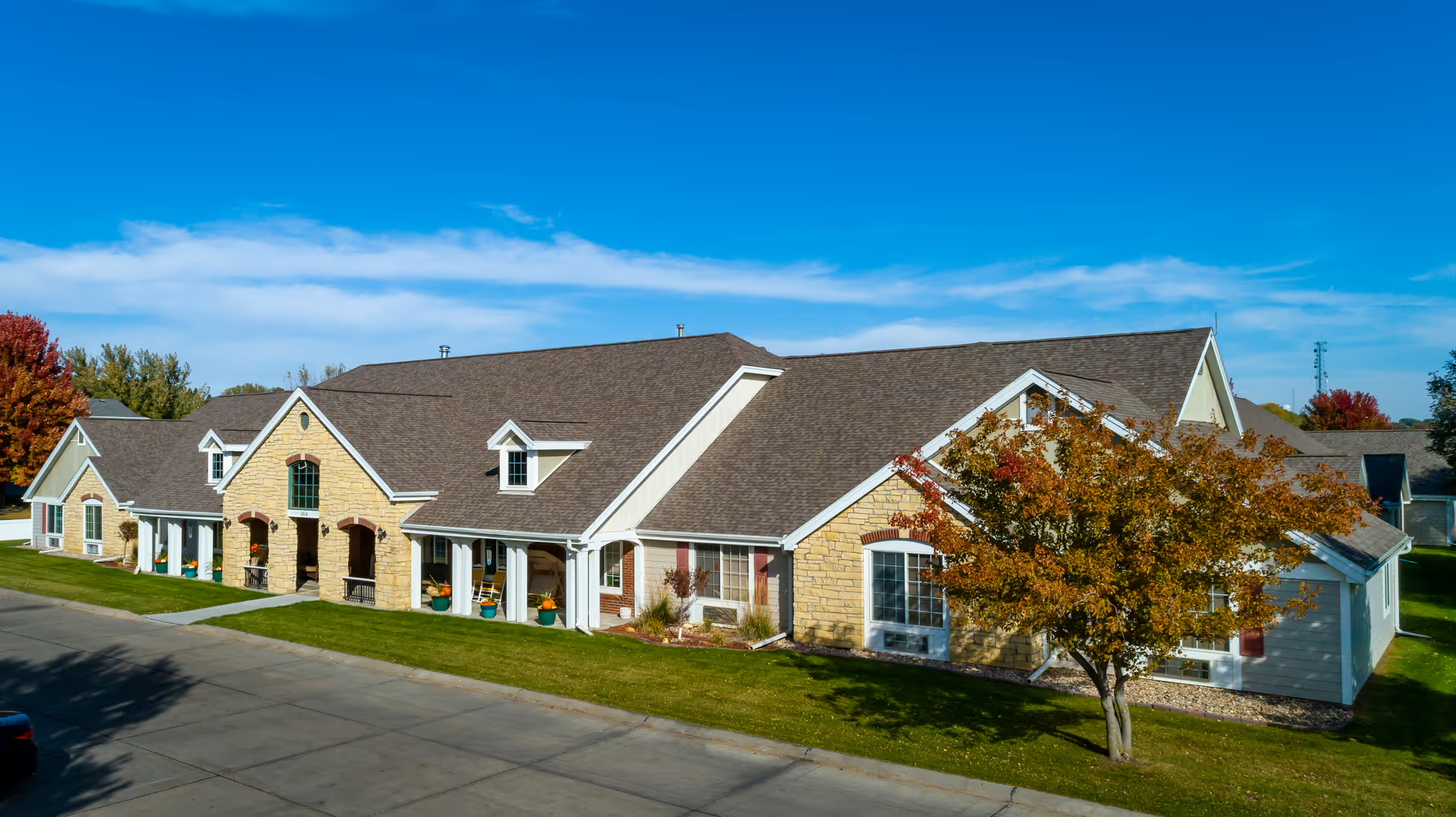
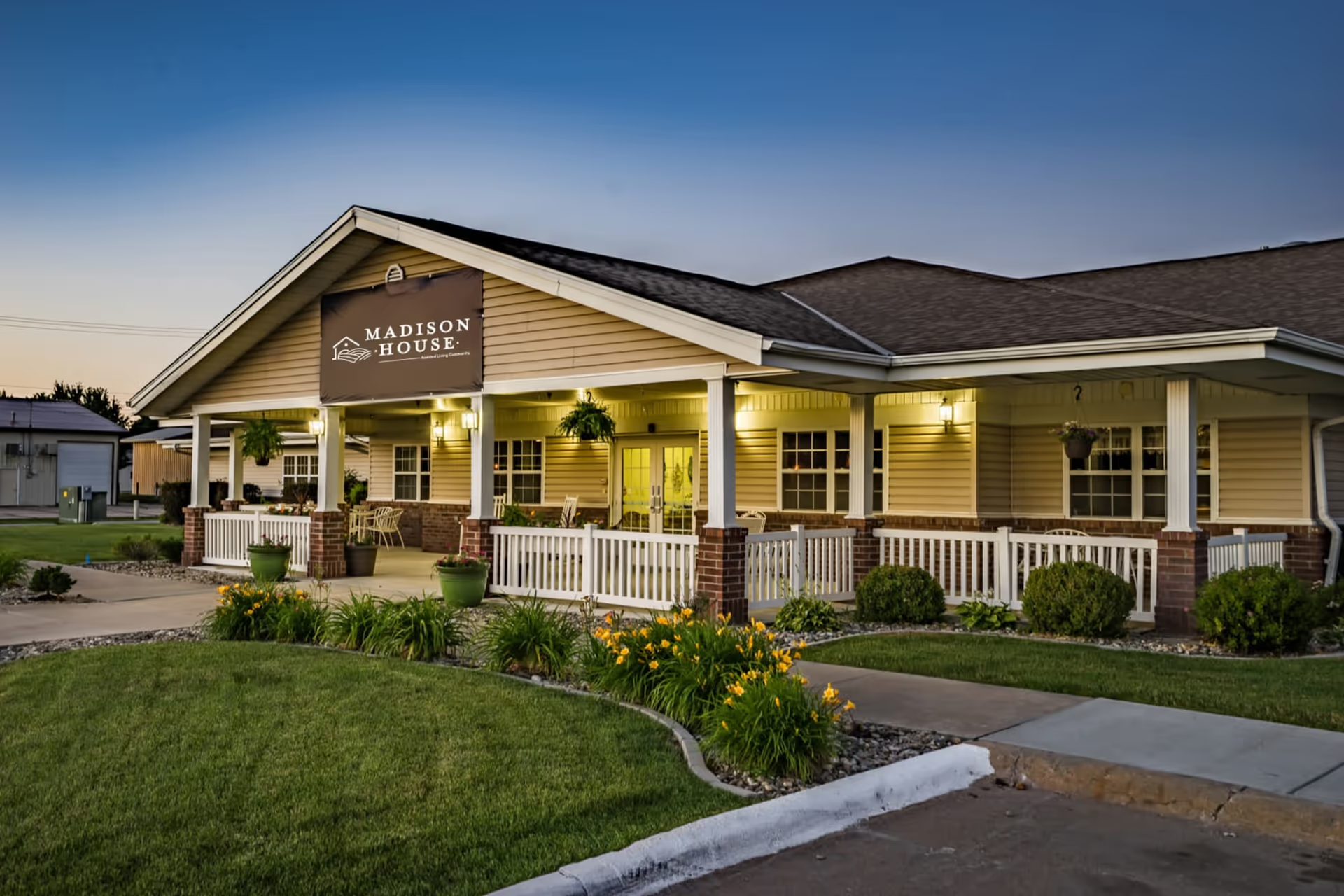
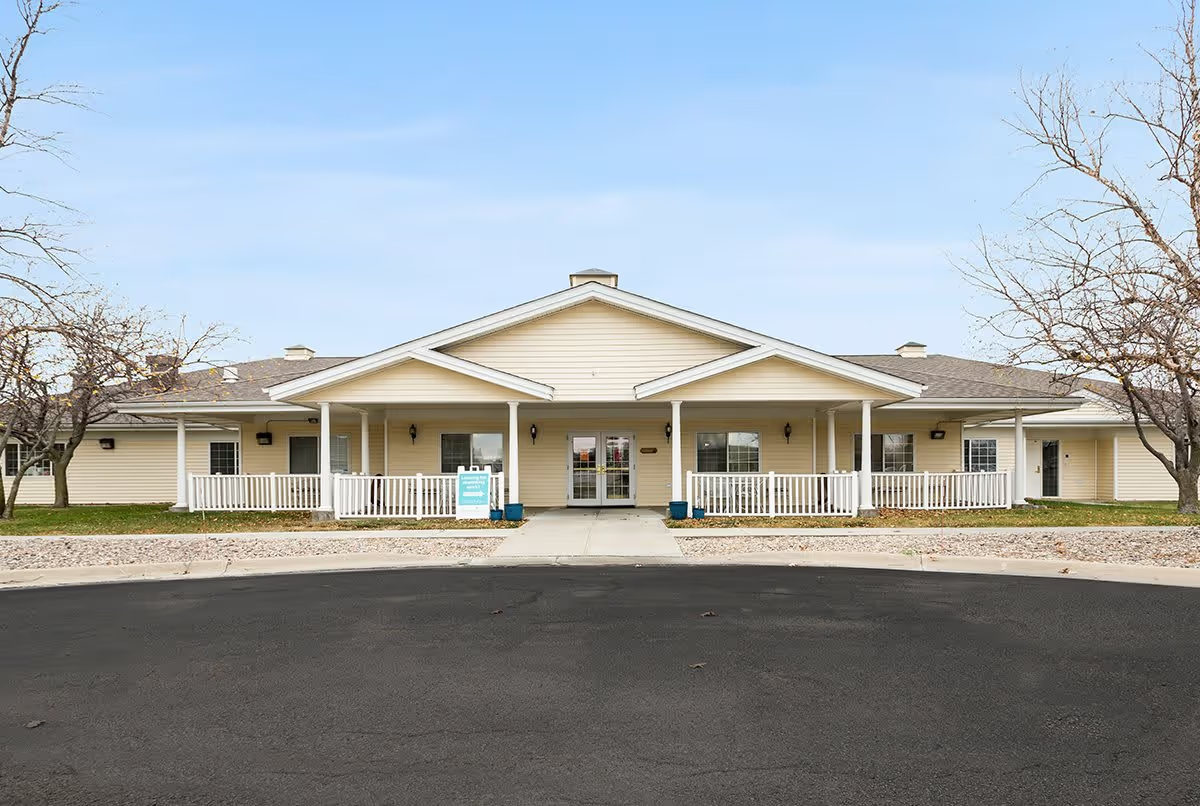
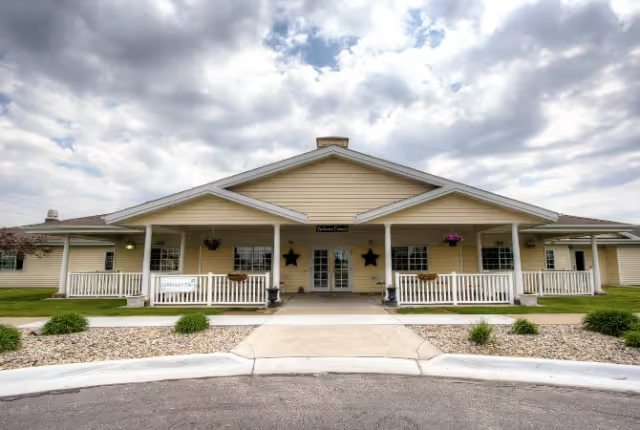
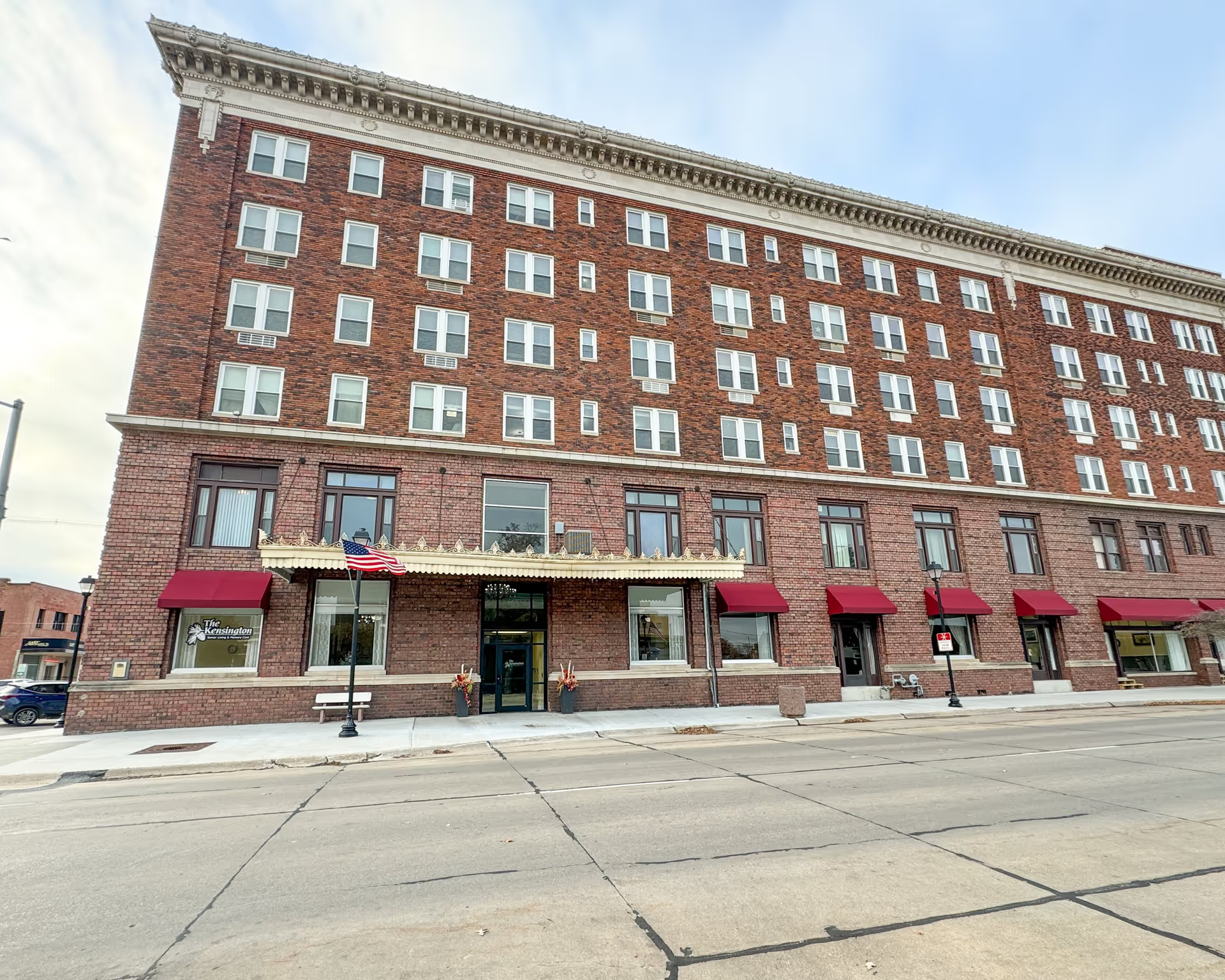
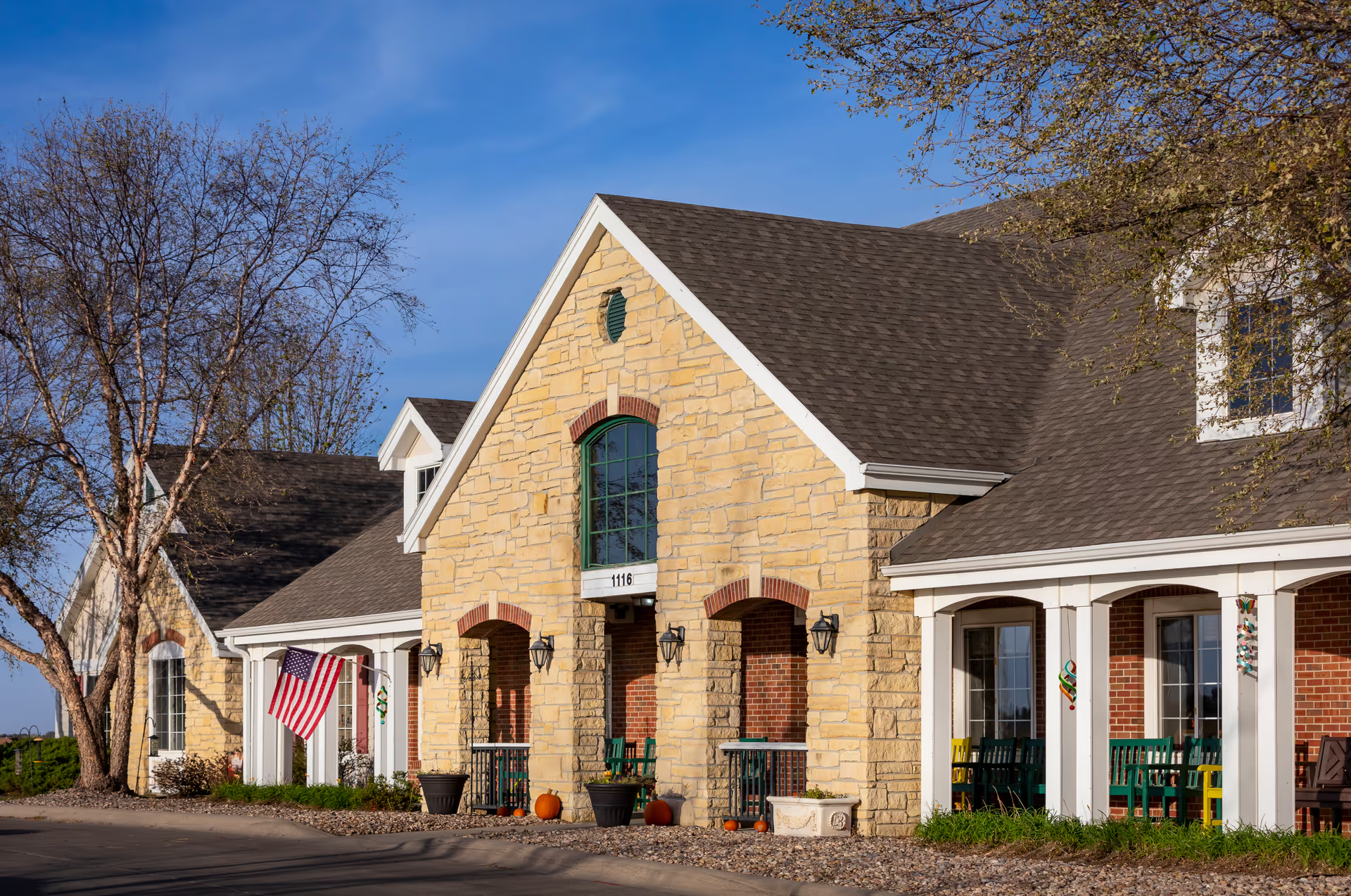
Facility and physical environment are also noted positively. Reviewers mention a cozy, home-like atmosphere, with large rooms and windows that likely contribute to comfort and a pleasant living space. Proximity to family is mentioned as a practical advantage, helping relatives to visit frequently and remain involved in care. One reviewer noted that the facility was particularly accommodating following an accident, suggesting flexibility and responsiveness in transitions and short-term increased care needs.
Communication and management receive favorable mention: families report being kept informed and feeling that the staff and management respect residents. Praise for pandemic-era dedication indicates staff commitment during high-stress periods, reinforcing the perception of dependable leadership and frontline caregiving. The family-like atmosphere and expressions of gratitude suggest that management supports a culture of compassion rather than a strictly institutional approach.
There is limited information about formal services such as dining, organized activities, therapy programs, or clinical specifics beyond general quality of care. The only direct reference to engagement pertains to staff interacting with a resident (engaging with dad), which implies some level of personalized attention, but reviews do not provide details on the breadth or structure of recreational programming or meal quality. This absence is notable: while interpersonal care and the environment are well described, reviewers do not comment on ancillary services, so no conclusions about dining or activity programming can be drawn from the provided summaries.
The principal concern raised across the brief reviews is emotional: one reviewer noted that their father sometimes wants to go home after visits. This likely reflects occasional resident homesickness or adjustment challenges rather than systemic problems, given the otherwise positive tone. Still, it is a pattern worth monitoring, as it indicates that despite excellent staff engagement and a home-like atmosphere, some residents may experience periodic longing for their previous home environment.
In summary, the reviews paint a picture of a small, attentive facility where staff are the standout asset—compassionate, communicative, and committed, including during crises. Physical attributes like large rooms and windows, plus a cozy atmosphere and convenient family proximity, support a positive living experience. The information provided is insufficient to assess dining or formal activities, and the only recurring concern is occasional resident homesickness. Overall, the feedback suggests strong family satisfaction and high regard for both day-to-day caregiving and management responsiveness.