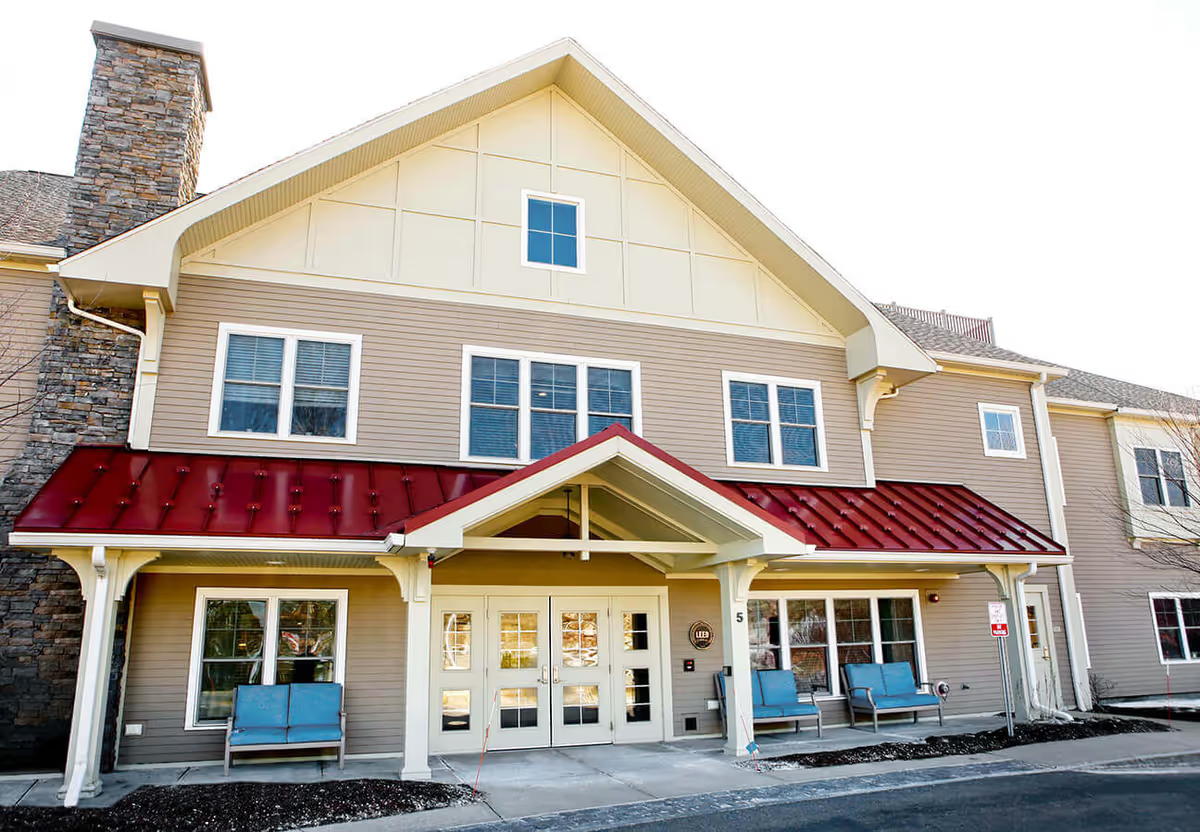
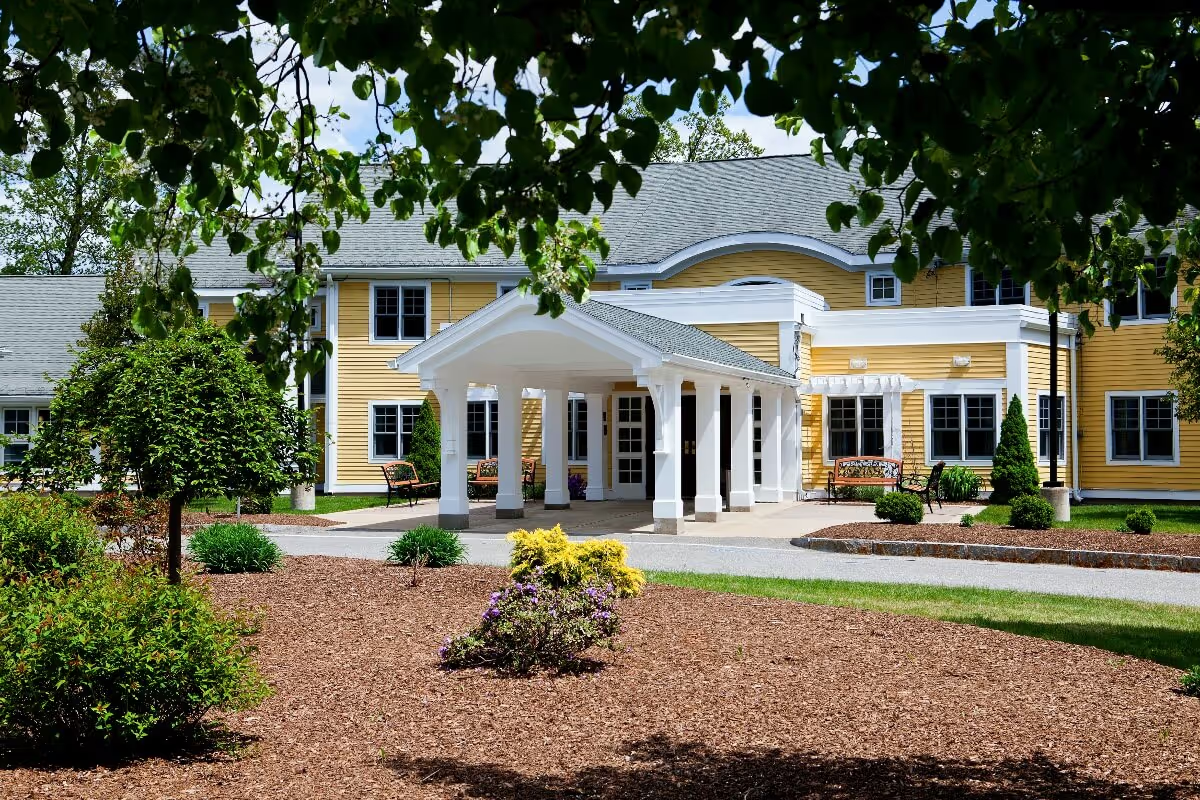
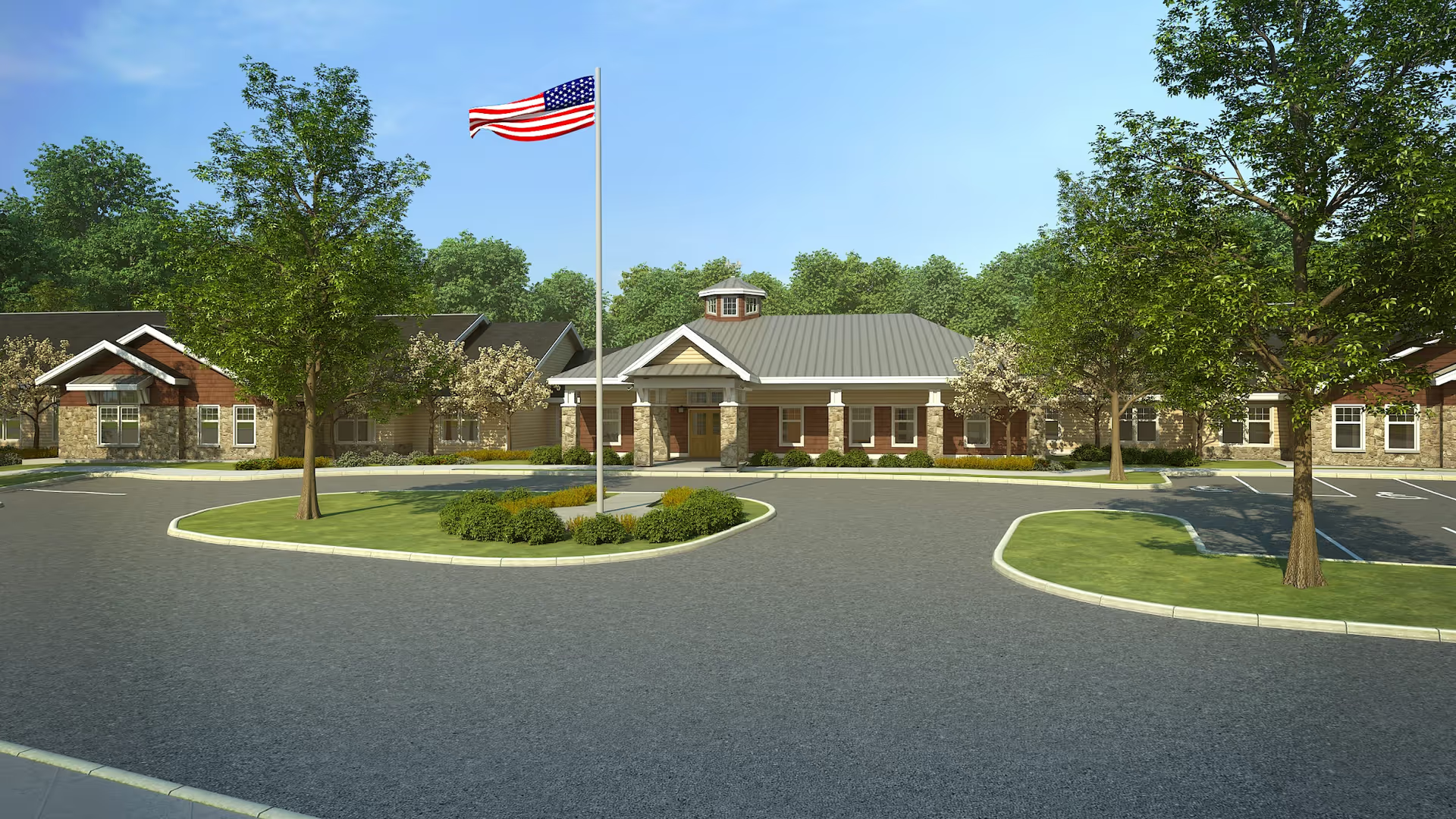
Bowman Place at Olde Bedford presents as a new, well-appointed senior living community with many features families value: modern finishes, bright apartments with kitchenettes and roomy bathrooms, extensive common spaces including a library and large gathering areas, and thoughtful interior design. The community is frequently described as clean and attractive, and reviewers commonly note the convenience of a non-profit ownership model and competitive pricing relative to corporate alternatives.
Dining and social programming are often highlighted as strengths. Several accounts describe chef-led meals, multiple daily menu options, homemade lunches and desserts, daily happy hours and coffee, and a pleasant dining room experience. Memory-care programming that includes music and relaxation therapies, guest speakers, and activity schedules receives positive mention; families report residents becoming more social and engaged in these programs.
Staffing and direct care present a mixed picture. Many reviewers praise the friendliness, warmth, and social support provided by staff and activity coordinators, and some describe care as attentive and beyond expectations. At the same time, there are consistent concerns about clinical staffing stability — particularly nursing turnover and the proportion of non-RN staff — and variability in clinical competence. Specific operational themes include gaps in medication-management practices, inconsistent wound-care follow-through, and delays in escalating or responding to acute clinical issues. These patterns suggest that the quality of clinical care may depend on unit staffing and which clinicians are on duty.
Management and operational practices also show contrasts. The community’s non-profit Board and some leadership receive positive recognition, but families raise questions about communication, follow-through on maintenance requests (heating/electrical), and billing or deposit practices perceived as aggressive. A small number of accounts allege punitive personnel actions related to illness, which has fueled concerns about workplace dynamics. Language barriers and occasional staff communication lapses are reported as factors that can complicate clinical coordination and family interactions.
Overall, prospective residents and families frequently praise the facility’s physical environment, dining, and social programming, and many describe highly satisfactory moves and ongoing experiences. At the same time, a subset of reviews point to operational and clinical risks that merit attention: ask specific questions about nursing staffing levels and credentials, medication-administration protocols, wound-care procedures, incident escalation processes, and family communication channels. An in-person tour and direct conversations with clinical leadership and the administrator about these topics will help gauge whether the community’s strengths align with an individual resident’s care needs.