Reviews for Harris Hill Center describe a bifurcated picture in which clearly appreciated frontline strengths coexist with recurring operational weaknesses. On the positive side, many families and patients singled out individual caregivers, therapists, and coordinators for compassion, advocacy, and effective rehabilitation work. Physical and occupational therapy teams, case managers, transition coordinators, and a number of named nurses received repeated praise for attentive care, helpful communication, and successful transitions in and out of the facility. Recreational programming and opportunities for socialization — including family- and pet-friendly visitation — are also frequently noted as enhancing residents’ quality of life.
At the same time, a substantial body of feedback points to systemic problems that affect day-to-day reliability. Chronic understaffing and uneven staff competency are central themes: reviewers describe long waits for assistance, slow or missed responses to call bells, and variability in how staff communicate or follow clinical directions. Related clinical-safety concerns arise in accounts of falls, equipment or oxygen-management problems, and medication- or treatment-timing lapses. Several reviewers referenced difficulties obtaining requested medical equipment and noted gaps in dementia- and behavior-management capabilities. These issues suggest weaknesses in staffing models, training, and operational oversight.
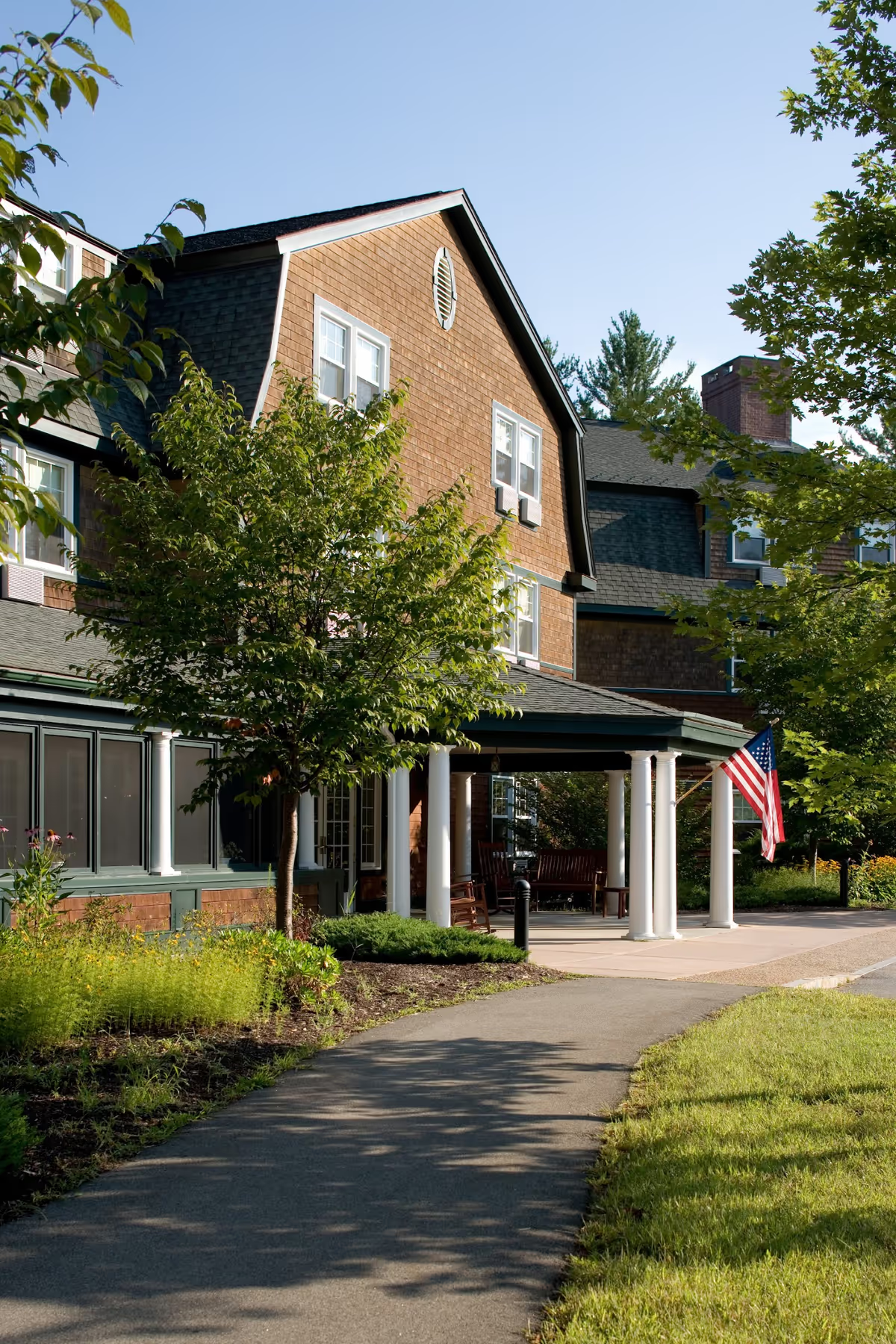
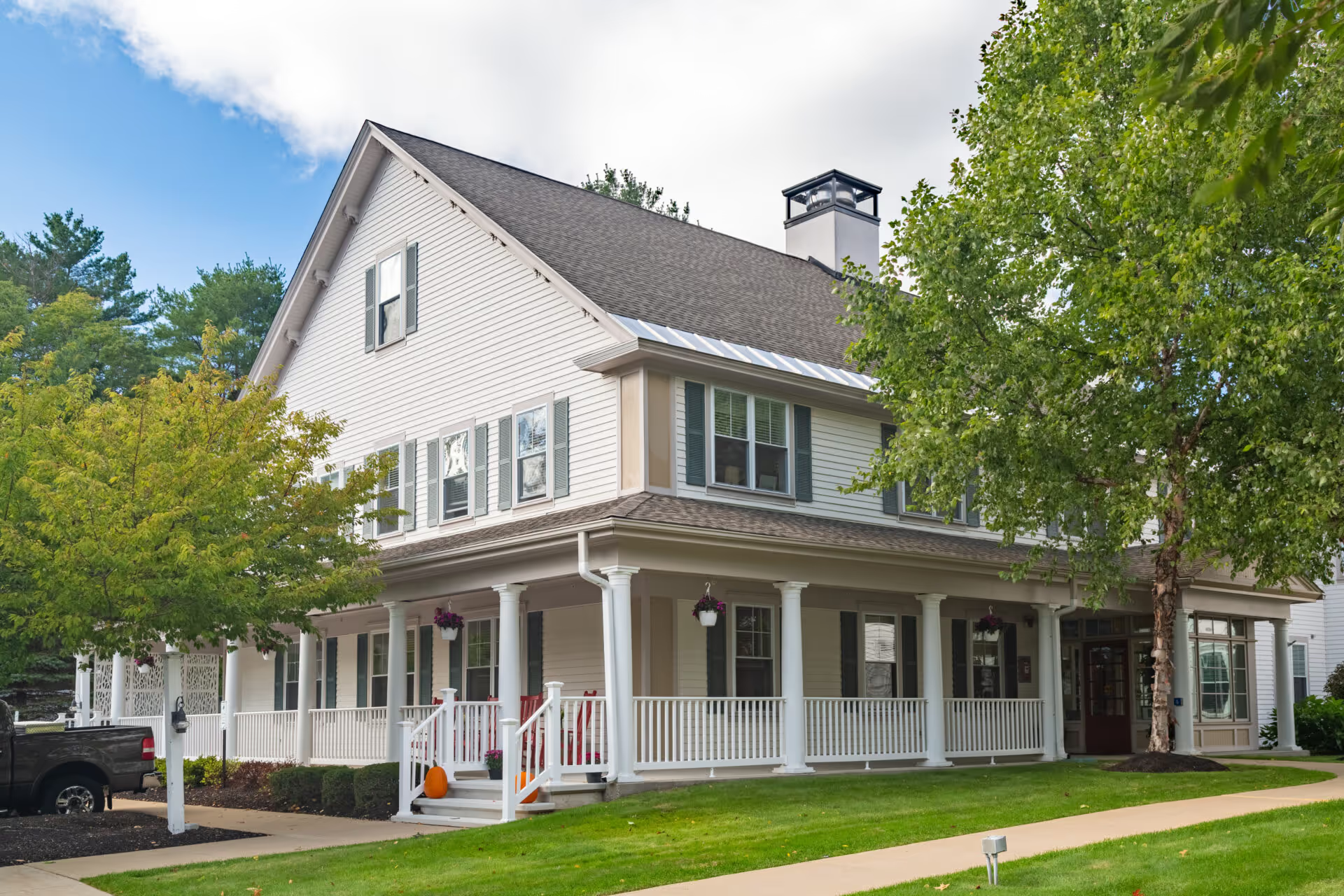
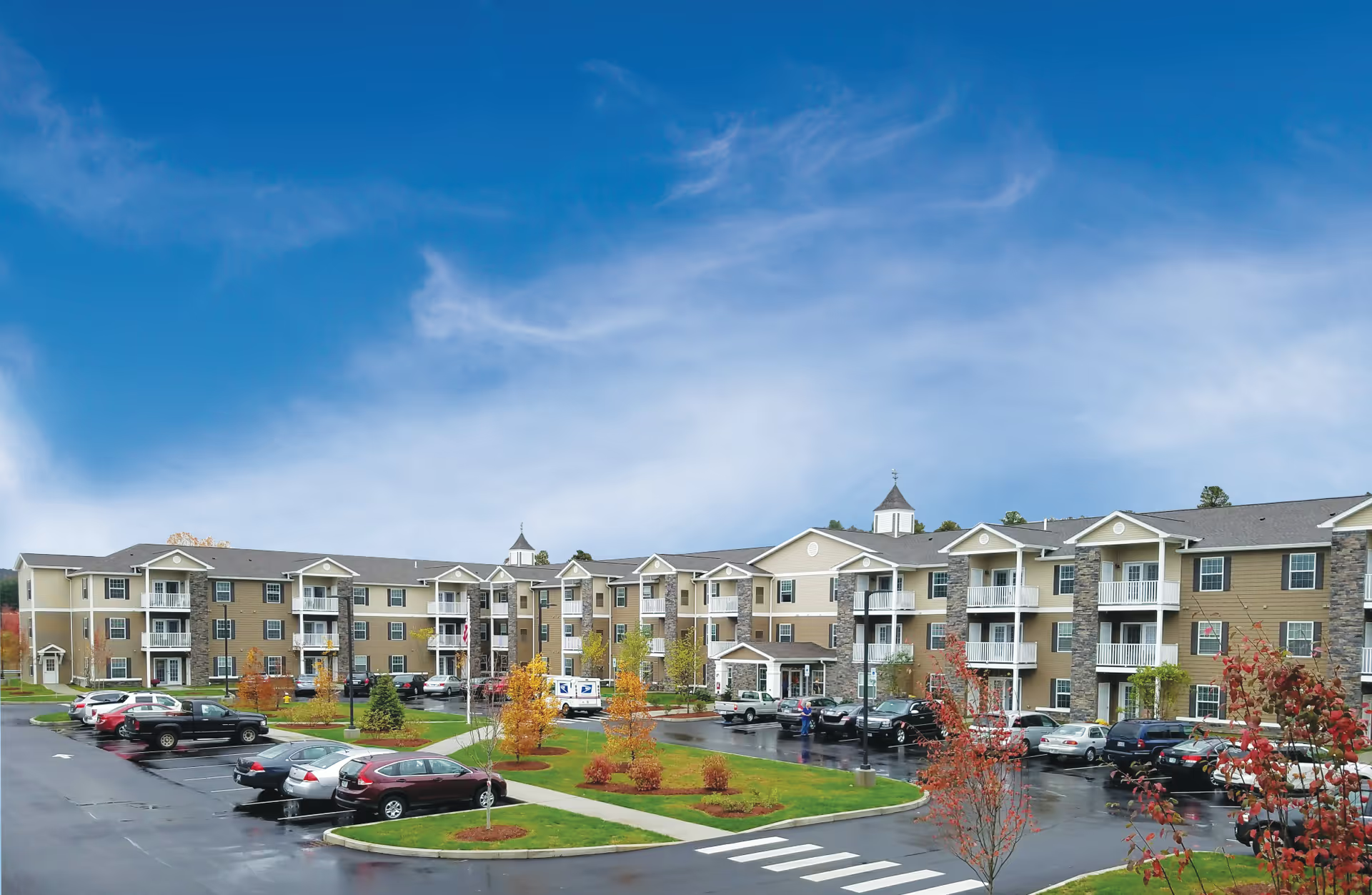
Operational and environmental matters also recur. Multiple reviewers describe maintenance and cleanliness deficiencies — including stained ceiling tiles, mold concerns, HVAC problems, and broader sanitation and odor concerns in some areas — as well as problems with laundry, missing personal items, and inconsistent meal delivery. Food quality and timeliness are described inconsistently across reviews, with both positive and negative accounts. The physical plant is characterized as dated in places, and inspection or compliance concerns were raised indirectly through mentions of expired inspections and law-enforcement or regulatory involvement.
Management and administrative responsiveness are important patterns to note. Several families reported difficulty reaching administration or corporate offices, delayed notification following incidents, and frequent administrative turnover. Conversely, other reviewers praised individual administrators and social work staff who helped navigate insurance, coordinate care, or advocate for residents. The presence of both highly effective individual staff and notable administrative gaps suggests that outcomes may depend strongly on who is on duty and how engaged the onsite leadership is at a given time.
What emerges is a facility where high-performing clinicians and caring staff can deliver meaningful benefits — particularly in therapy, case management, and social programming — but where reliability and safety are inconsistent because of understaffing, maintenance shortfalls, and administrative gaps. Prospective residents and families should balance the positive personal experiences described by many with the documented operational risks: verify current staffing ratios, ask about dementia-care capability, review recent inspection and complaint histories, tour areas of the building for maintenance and sanitation, and confirm procedures for incident notification, emergency response, and equipment provisioning prior to admission.