Reviews of Presidential Oaks I present a mixed picture: many families praise the staff and rehabilitation programming, while operational and management issues recur as the primary areas of concern. Overall impressions range from highly satisfied—citing empathetic nurses, a welcoming atmosphere, good rehab support, and engaging activities—to dissatisfied, emphasizing administrative and security shortcomings that affected care experiences.
Care and staffing are central strengths and liabilities. Numerous accounts highlight compassionate nursing staff, licensed nursing assistants who form strong relationships with residents, and supportive therapy teams focused on rehabilitation. At the same time reviewers describe inconsistent care quality across shifts: some staff are perceived as disengaged or slow to follow through, and families note lapses in communication and responsiveness. Hospice and end-of-life services are available and appreciated by some, though that unit has also been singled out for odor concerns and an emotionally heavy atmosphere, indicating variability in unit-level maintenance and ambience.
Dining and activities receive mixed feedback. Several families commend social programming and activities as improving residents' mood and engagement. Dining impressions split: some reviewers describe good meals and improved appetite, while others criticize food quality and characterize meal service as an area needing attention. Activity offerings and resident engagement are generally noted as positive contributors to quality of life.
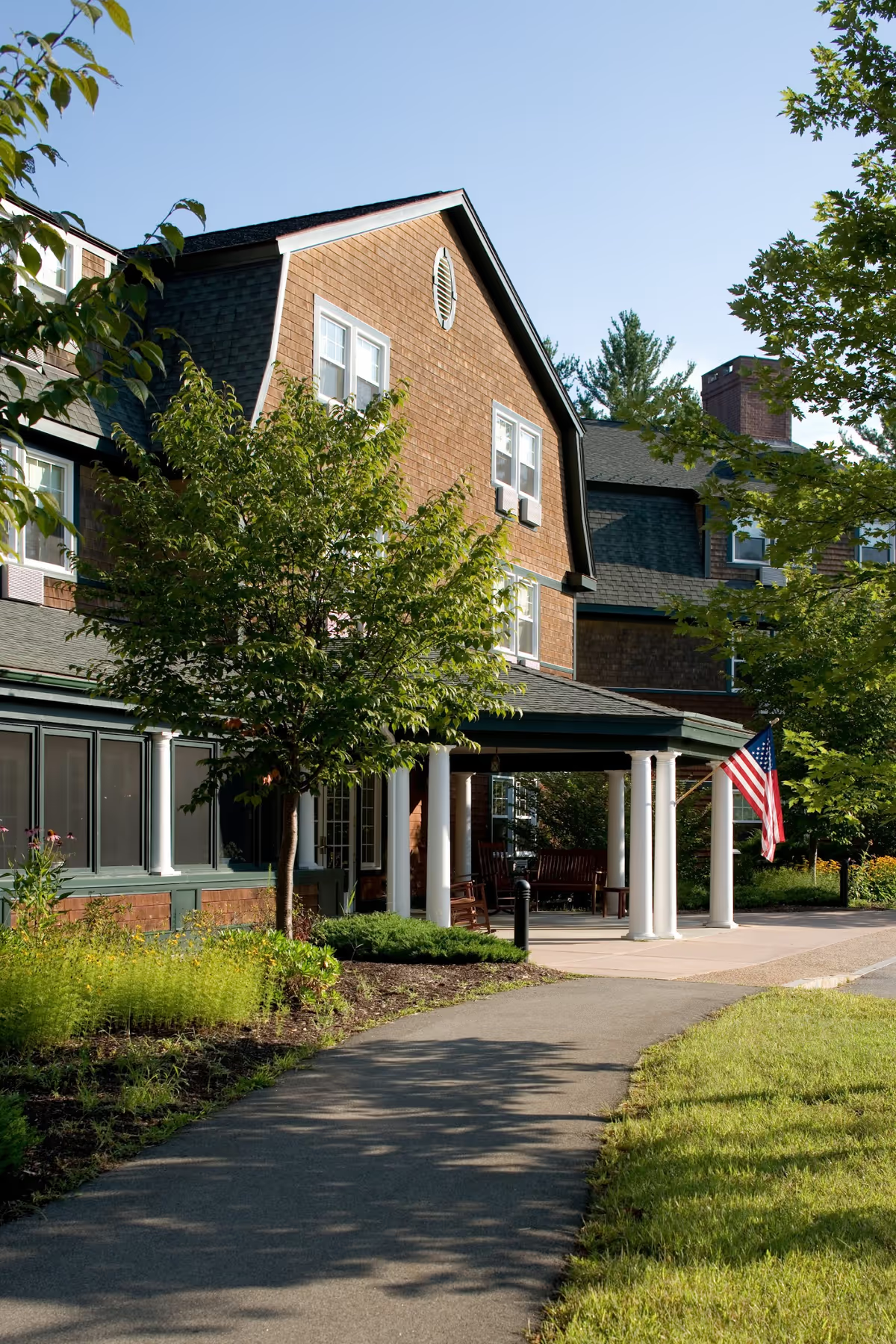
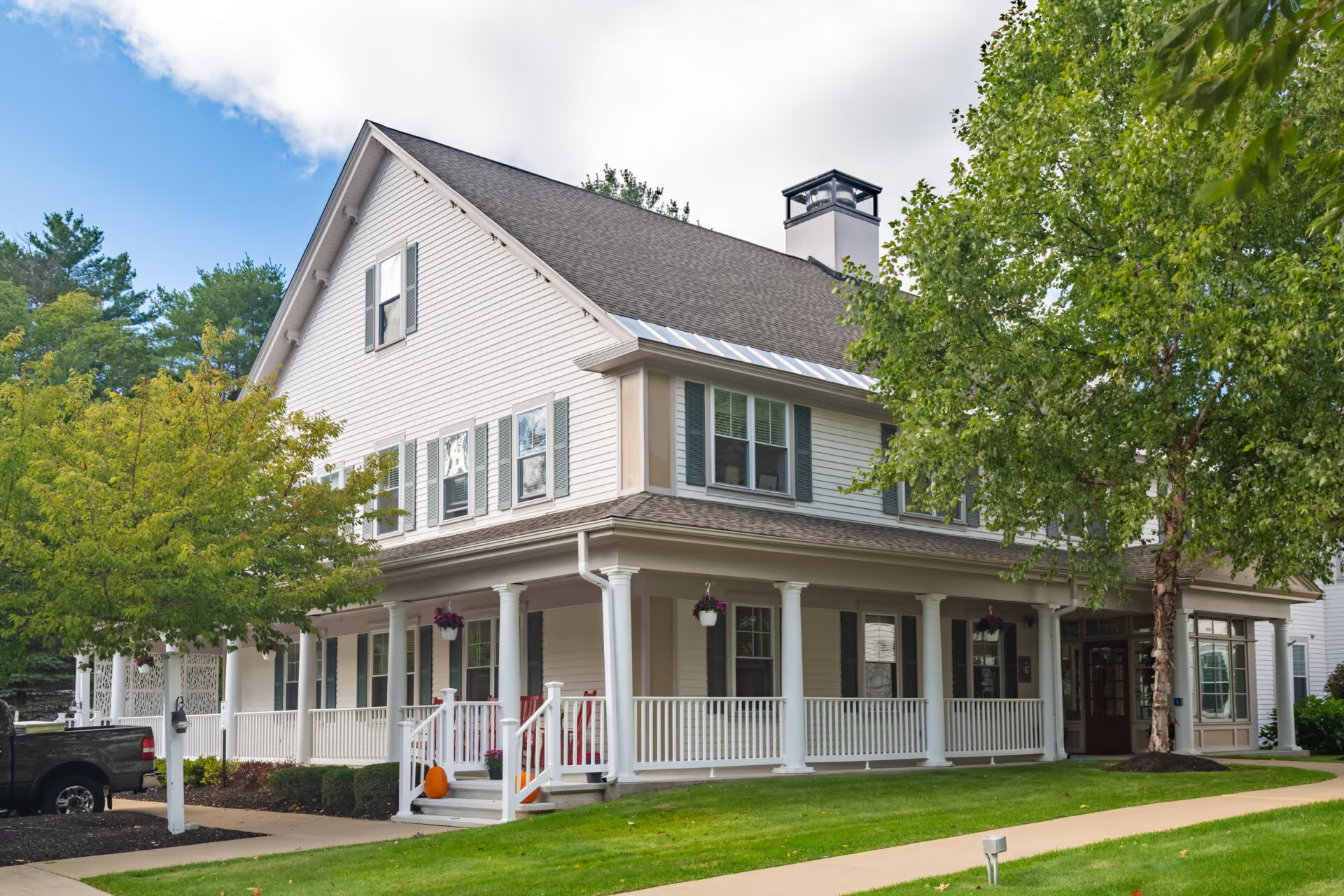
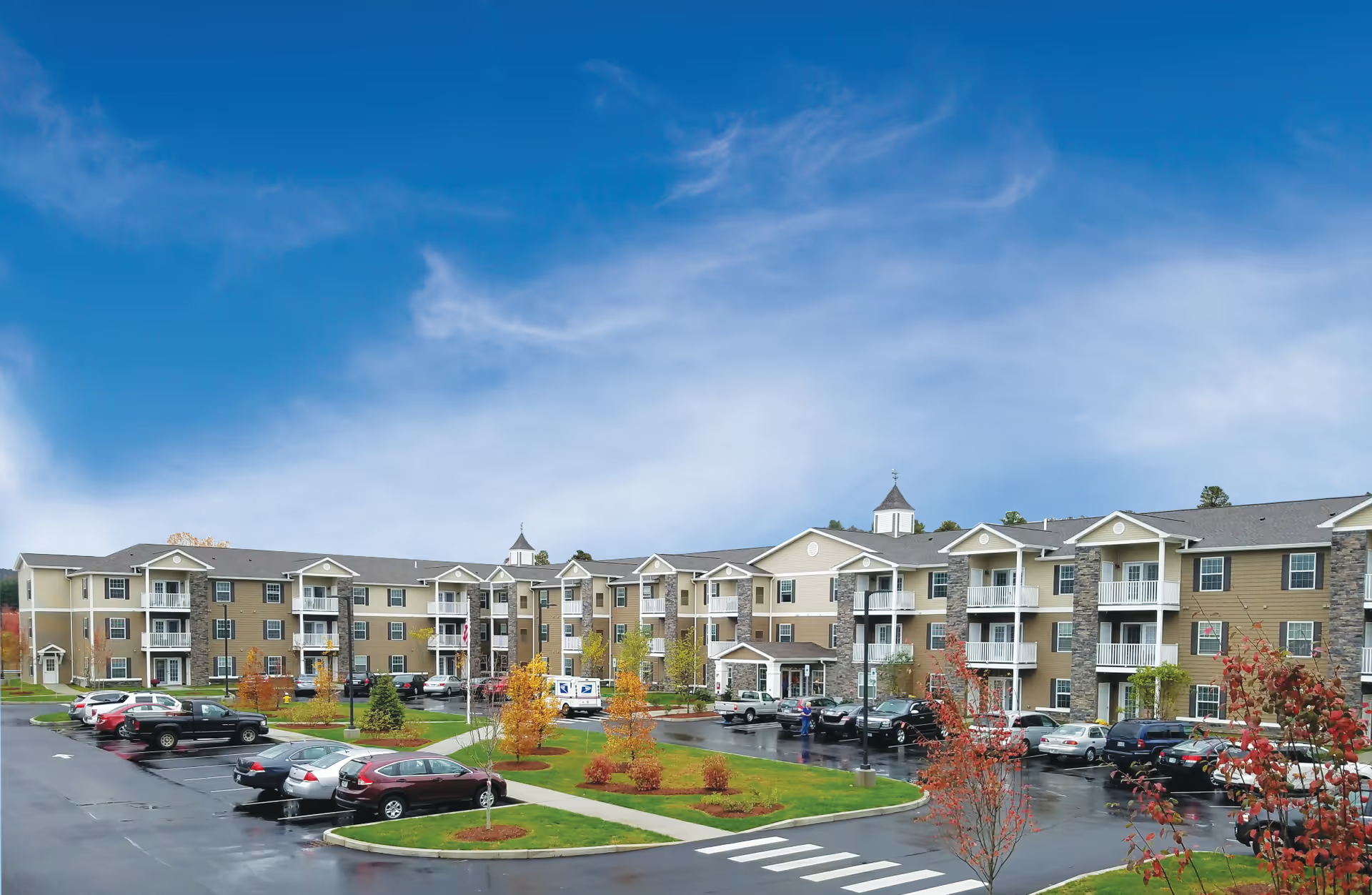
Facility condition and security present contrasts. Multiple comments praise clean presentation and pleasant common areas, while others point to cleanliness and maintenance gaps in specific units. There are recurring concerns about personal-item security—missing jewelry and clothing—and families express frustration with the facility’s handling of such incidents and the perceived lack of follow-through. These issues suggest weaknesses in inventory controls and resident-belongings procedures.
Management and administrative practices are a frequent source of dissatisfaction. Concerns include perceived lack of transparency around admissions and bed availability, unexpected price increases, and policies or actions that families view as prioritizing financial considerations over resident needs. Communication breakdowns during transitions (admissions, moves, and care-level changes) and perceived pressure around placement decisions were also noted. Reviewers recommend that prospective residents and families ask detailed questions about placement processes, billing, and security procedures up front.
In sum, Presidential Oaks I appears to deliver notable strengths in bedside manner, rehabilitation services, and recreational programming, creating a family-like environment for many residents. However, operational weaknesses—particularly in admissions transparency, communication, item security, staff consistency, and unit-level sanitation—are recurring themes that prospective families should investigate further when considering placement. Practical next steps for families would be to tour units at different times, inquire directly about staffing patterns and security protocols, and request written policies on admissions, billing, and handling of personal belongings.