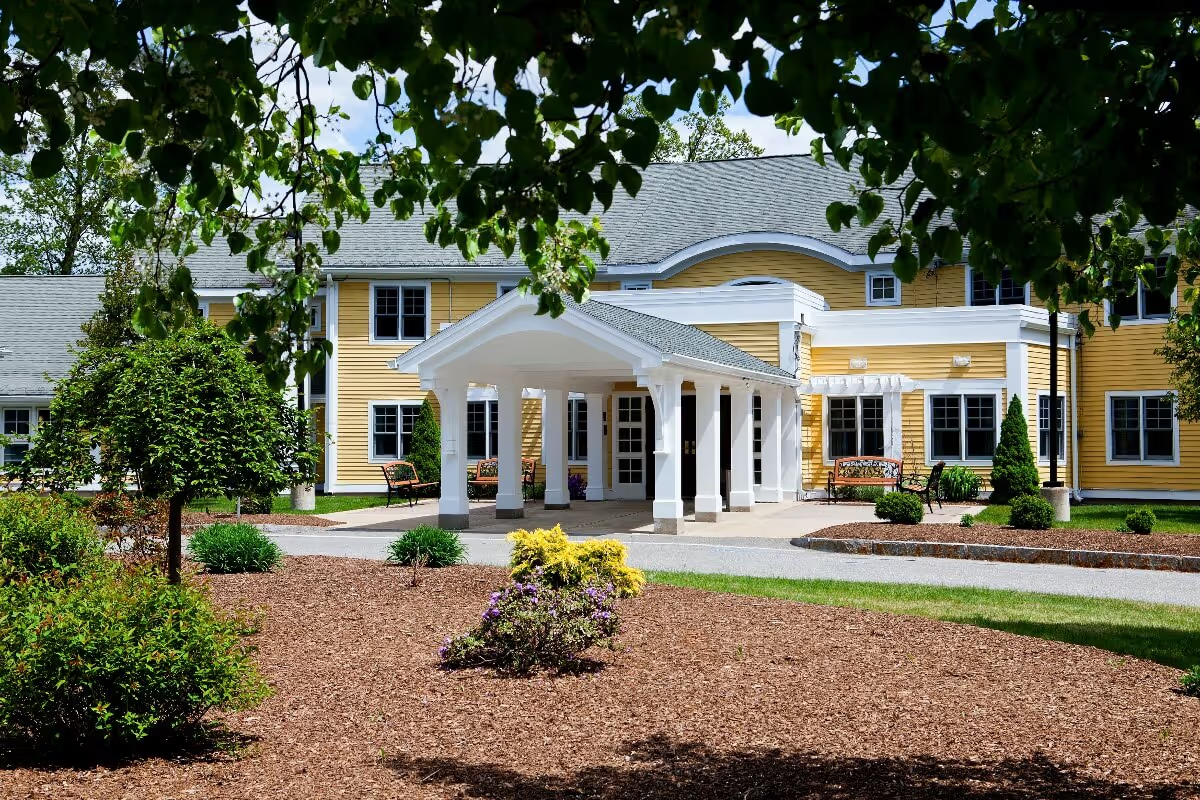
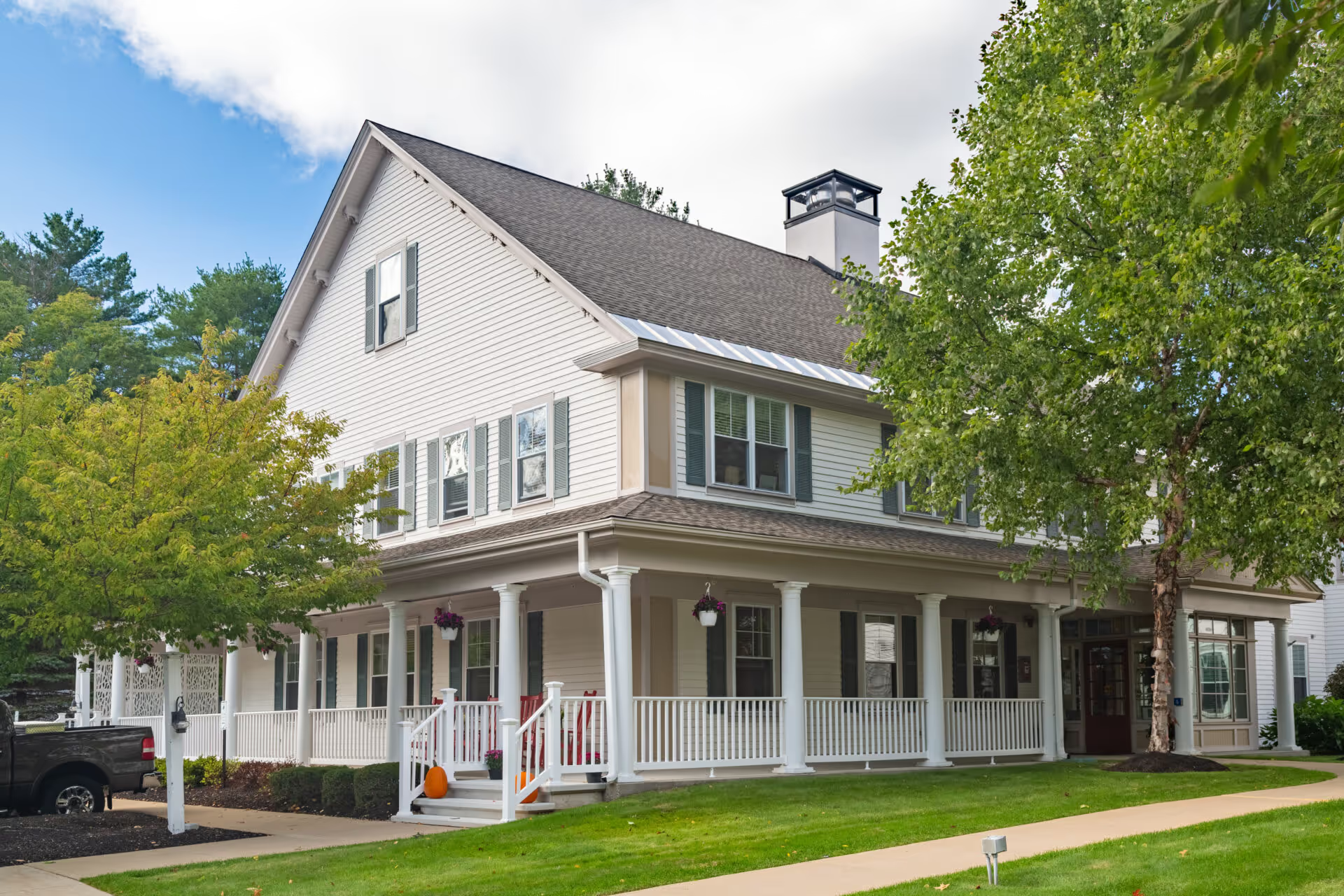
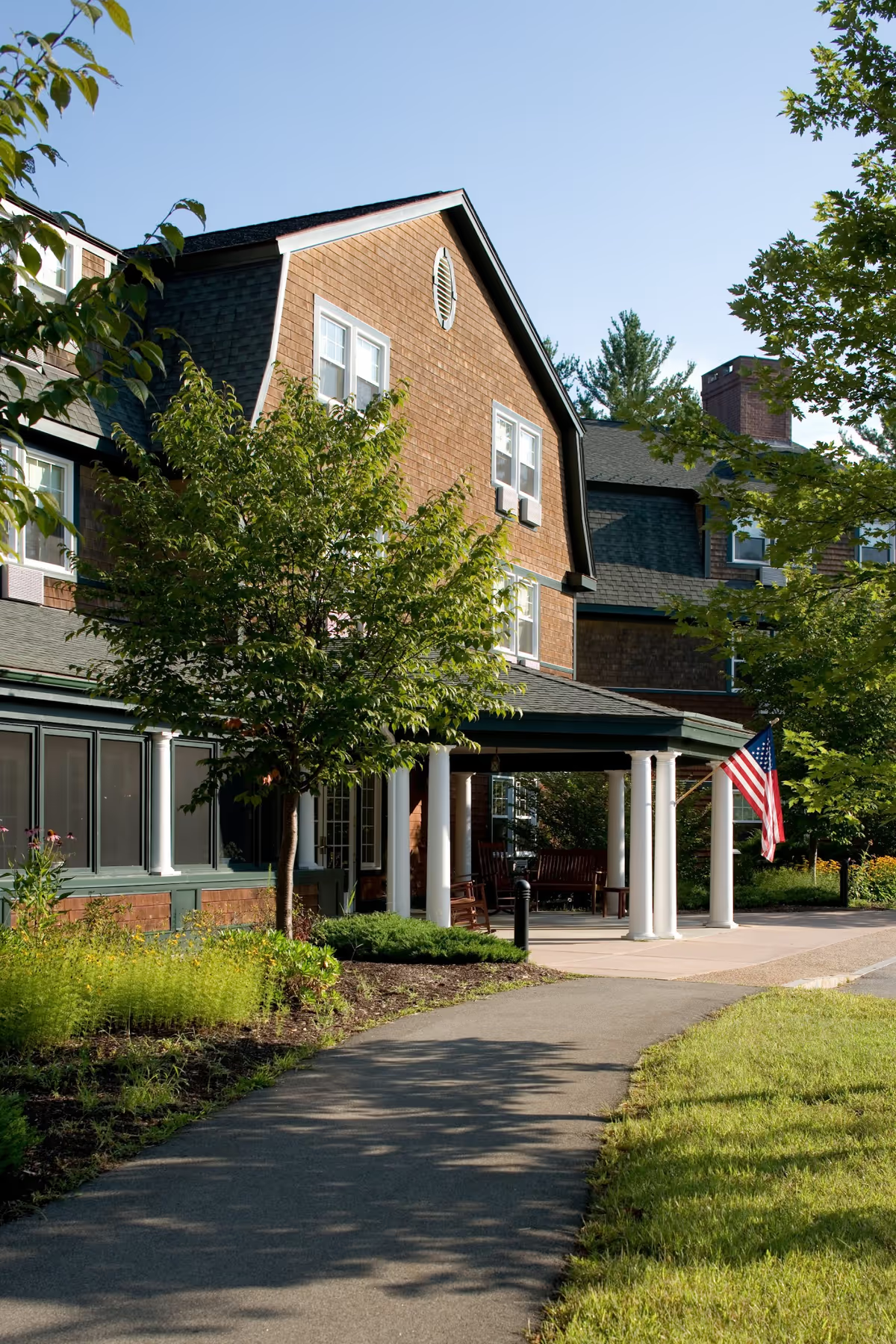
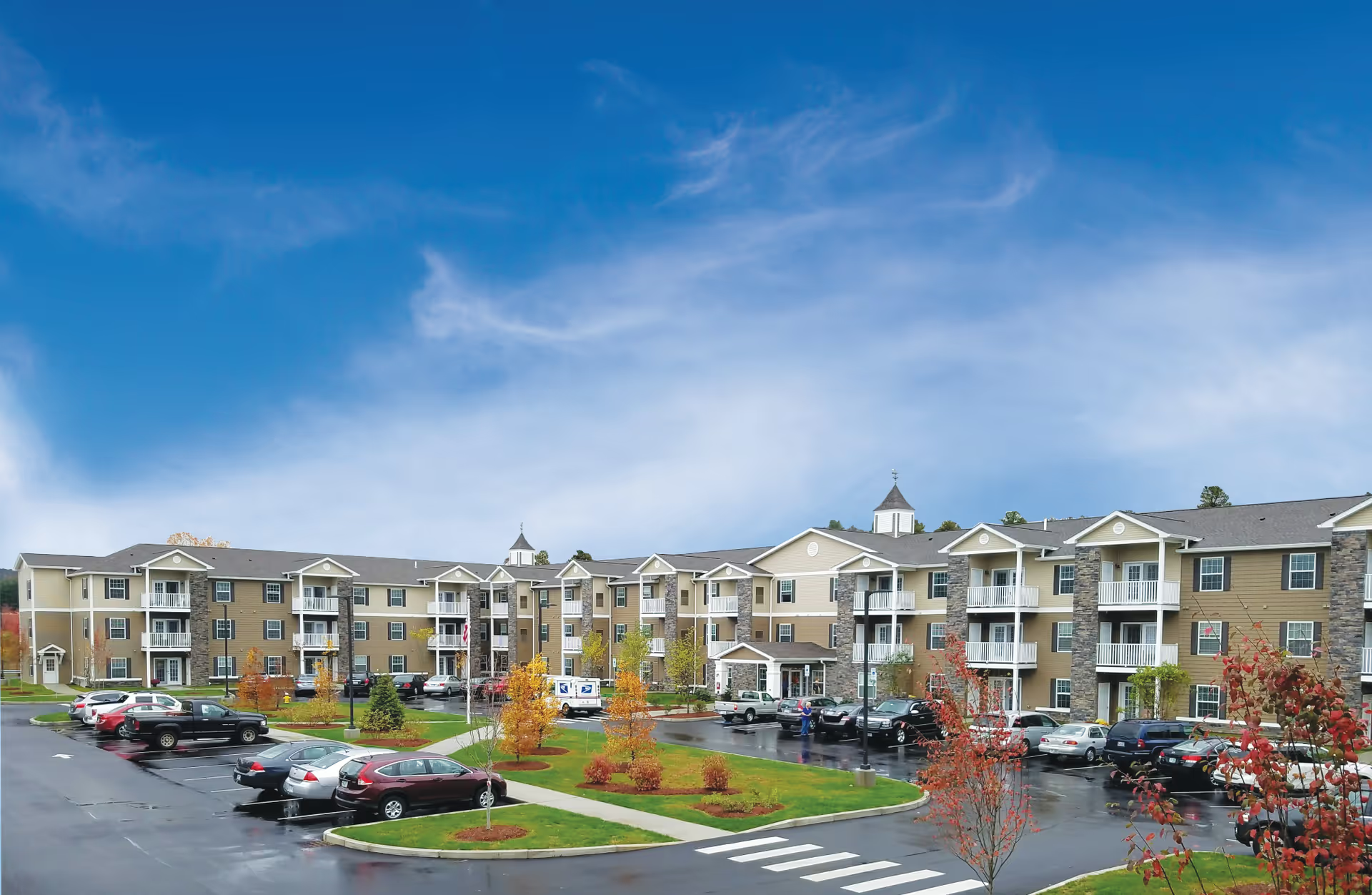
Bel-Air Nursing Home elicits a broadly mixed but generally positive set of impressions. Many families emphasize the facility’s home-like atmosphere, strong housekeeping, and visible, engaged management. The community is frequently described as small, family-style, and well cared for; residents are noted to receive compassionate daily care, with many reviewers highlighting friendly aides and committed nursing staff. Clinical and therapy services such as physical and occupational therapy receive favorable mention for motivating residents and supporting rehabilitation progress. The facility’s presentation — clean dining rooms, decorations, and regular activities including pet therapy and outings — contributes to a comfortable environment for residents.
Clinical quality cues appear positive in several accounts: reviewers reference skilled nursing and rehabilitation services, attentive therapy staff, and strong housekeeping. External recognitions (a high Medicare rating and state-level rankings) are cited and corroborate the perception of overall good clinical standards. Dining is commonly described as home-cooked and satisfactory, and families appreciate visible leadership and convenient communication when it functions well. The availability of multiple levels of care, including independent living options, and a rural, attractive setting are additional strengths noted by families.
At the same time, recurring operational concerns appear across reviews. Communication with families is inconsistent: examples include missed follow-up, delayed or ignored emails, and phone-access difficulties. These communication gaps extend into sensitive areas such as end-of-life coordination and palliative care decisions, where some families described unclear explanations or incomplete coordination between clinical staff and family members. Relatedly, reviewers described episodes that suggest uneven medication-management oversight and variable responsiveness from nursing staff, which point to potential staffing or process shortfalls during high-demand periods.
Other practical issues raised include sanitation and odor concerns in specific common areas and challenges navigating the rehab/therapy area because of unclear directions. Several comments describe variability in staff conduct and tone toward families and residents, ranging from highly compassionate to brusque or inattentive; this inconsistency appears linked to staffing levels and workload pressure in some accounts. Finally, while many families appreciated safe visitation during public-health events, there is evidence of variable visitation-policy implementation that may affect ease of access during infection-control periods.
For prospective residents and families, the pattern suggests a facility with many operational strengths — strong therapy programming, a clean and homelike environment, engaged management, and positive clinical indicators — combined with some persistent administrative and operational areas to review closely. Recommended topics to address during a tour or inquiry include current staffing ratios and on-call coverage, palliative-care protocols and family-notification procedures, medication-administration oversight, sanitation routines for common areas, phone/visitor-access systems, and how rehab/therapy logistics are communicated to families. These targeted questions can help families weigh the facility’s clear strengths against the operational inconsistencies noted by some relatives.