The Courville at Nashua elicits broadly positive feedback for its clinical rehabilitation capability and the demeanor of front-line staff. Many families and former residents highlight strong physical, occupational and speech therapy programs, an on-site rehab gym, and numerous examples of residents progressing to safe discharge. Nursing aides, therapists and support staff are frequently described as compassionate and attentive; review themes emphasize interpersonal warmth, individualized encouragement, and effective teamwork across departments.
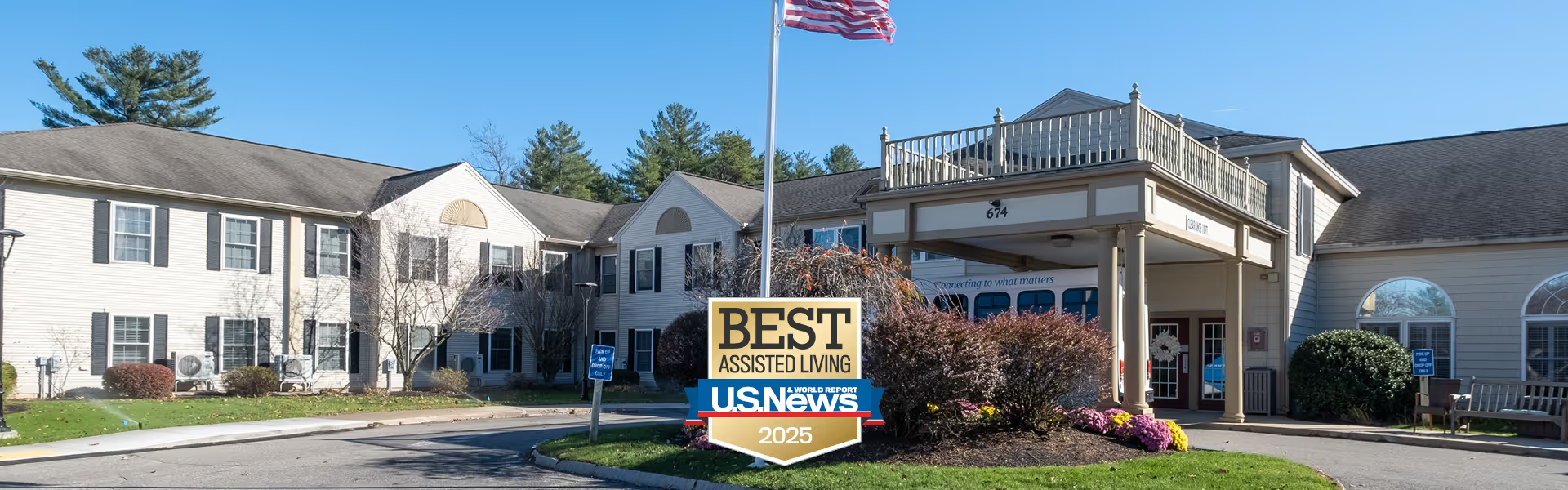
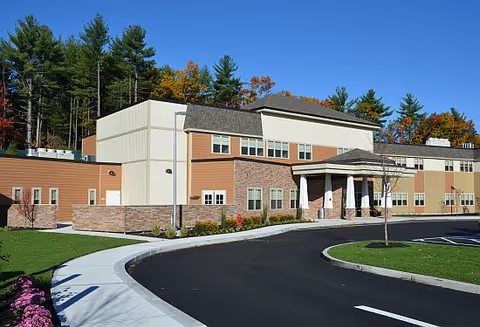
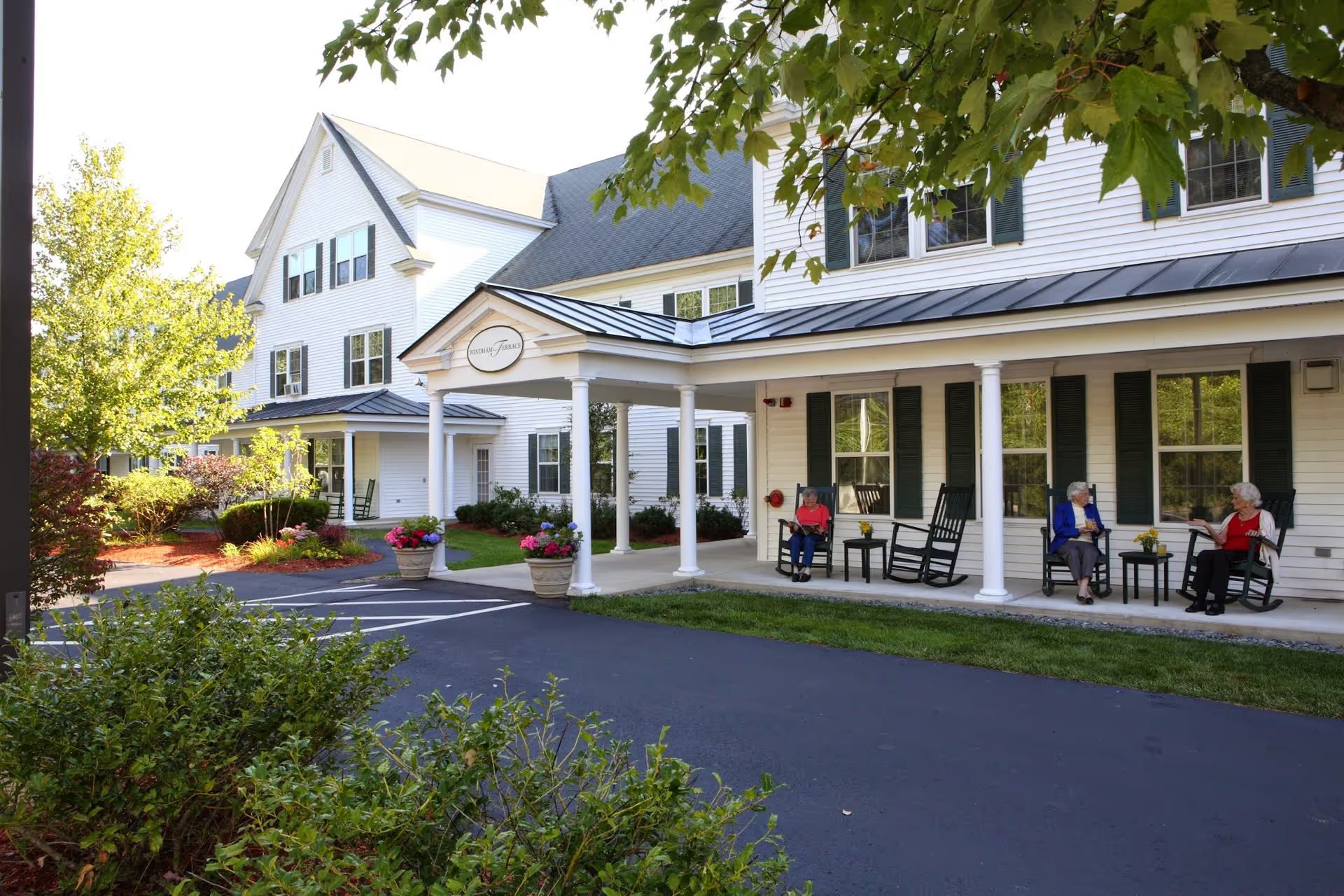
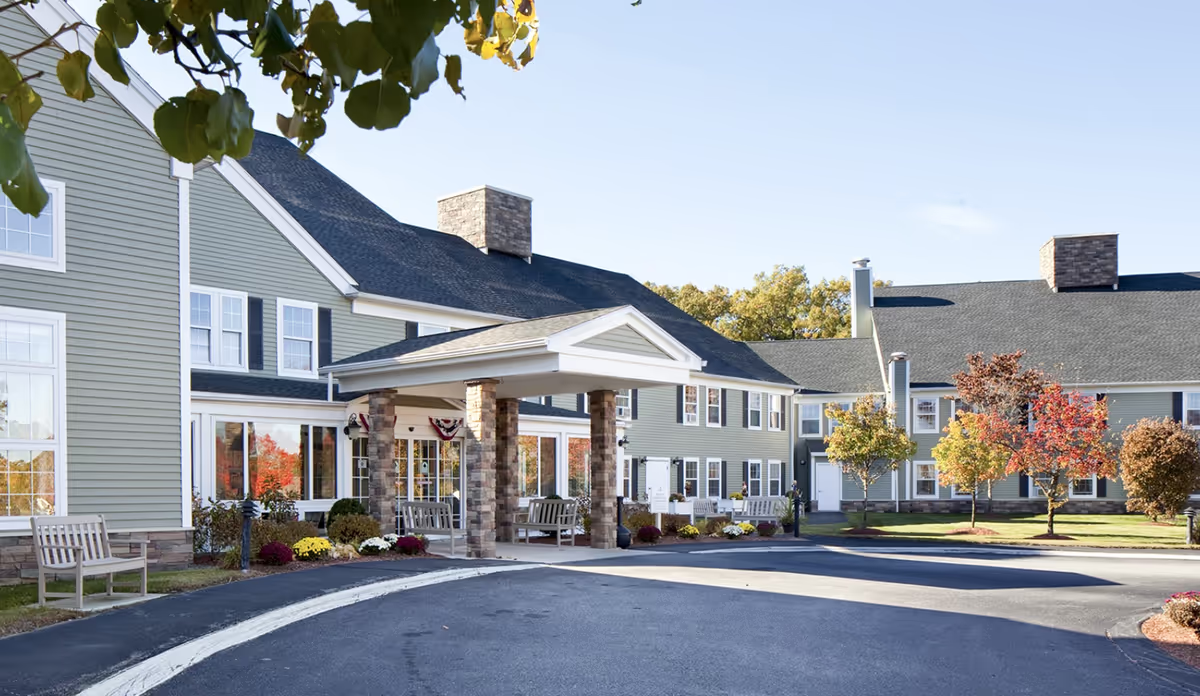
Dining and amenities are often cited as strengths. Numerous accounts describe restaurant-style meals, an engaged food-service director, and on-site conveniences such as a hair salon, coffee bistro, and libraries. The property’s newer, boutique-style appearance and generally well-maintained common areas receive positive comment, and private-room options with daily housekeeping and pleasant views are noted as contributing to a comfortable environment.
At the same time, the reviews reveal a set of recurring operational concerns. Meal quality and service consistency are variable—examples include meals arriving cold or not encouraged to be eaten—which suggests gaps in kitchen-to-resident service continuity. Housekeeping and sanitation practices are uneven across accounts, and some families described delayed bathing or assistance, slow responses to call bells, and occasional lapses in medication timing or clinical follow-up. These items point to intermittent inconsistencies in day-to-day care delivery rather than a uniformly poor standard.
Therapy delivery and administrative practices also show variability. While many families report robust, timely therapy sessions that supported recovery, other accounts describe shortened sessions, inconsistent scheduling, or limits on therapy time. Administrative responsiveness and management consistency are praised in many reviews but criticized in others; several reviewers report strong, communicative leadership, while a minority describe disorganization or slow responsiveness. Use of temporary/agency staff was mentioned as a factor in fluctuating continuity of care.
Other practical considerations for prospective residents and families include room configuration and cost. The facility offers both private and shared rooms; shared rooms with curtain separation were described in some accounts and may be important to confirm when selecting a placement. Some reviewers also flagged the facility’s cost as high, so families should review pricing and billing policies closely.
Overall, Courville at Nashua presents as a facility with notable strengths in rehabilitative services, staff compassion, and amenities, alongside intermittent operational weaknesses in meal service, housekeeping consistency, and administrative uniformity. Prospective families should verify specific operational details (room type, therapy schedule, infection-control and visitation policies, staffing continuity, and discharge planning) during a tour and in conversations with management to ensure the facility’s current practices match their priorities.