Reviewer feedback for Onyx Behavioral Healthcare RHCF is sharply divided, producing a polarized portrait of the facility. Several reviewers describe meaningful clinical and social benefits — supportive staff, active peer networks, and programming that contributed to mental-health recovery and greater independence. Others convey significant operational concerns that they say affected daily life and care reliability.
Care quality is described on two contrasting tracks. Positive accounts highlight staff who provide emotional support, mentoring, and individualized attention that residents and families characterized as ‘‘life-changing’’ or recovery-oriented. Conversely, critics raise facility-level concerns about medication administration controls and staffing consistency; these operational weaknesses are framed as factors that can undermine timely clinical attention and medication-related safety.
Staffing and communication are recurring themes. Many reviewers praise individual employees for being friendly and supportive, and for fostering a welcoming community. At the same time, reviewers identify systemic issues: unresponsive phone and voicemail practices, delays in attending to resident needs, and uneven staffing levels. These patterns suggest variability between on-shift personnel and gaps in administrative communication processes.
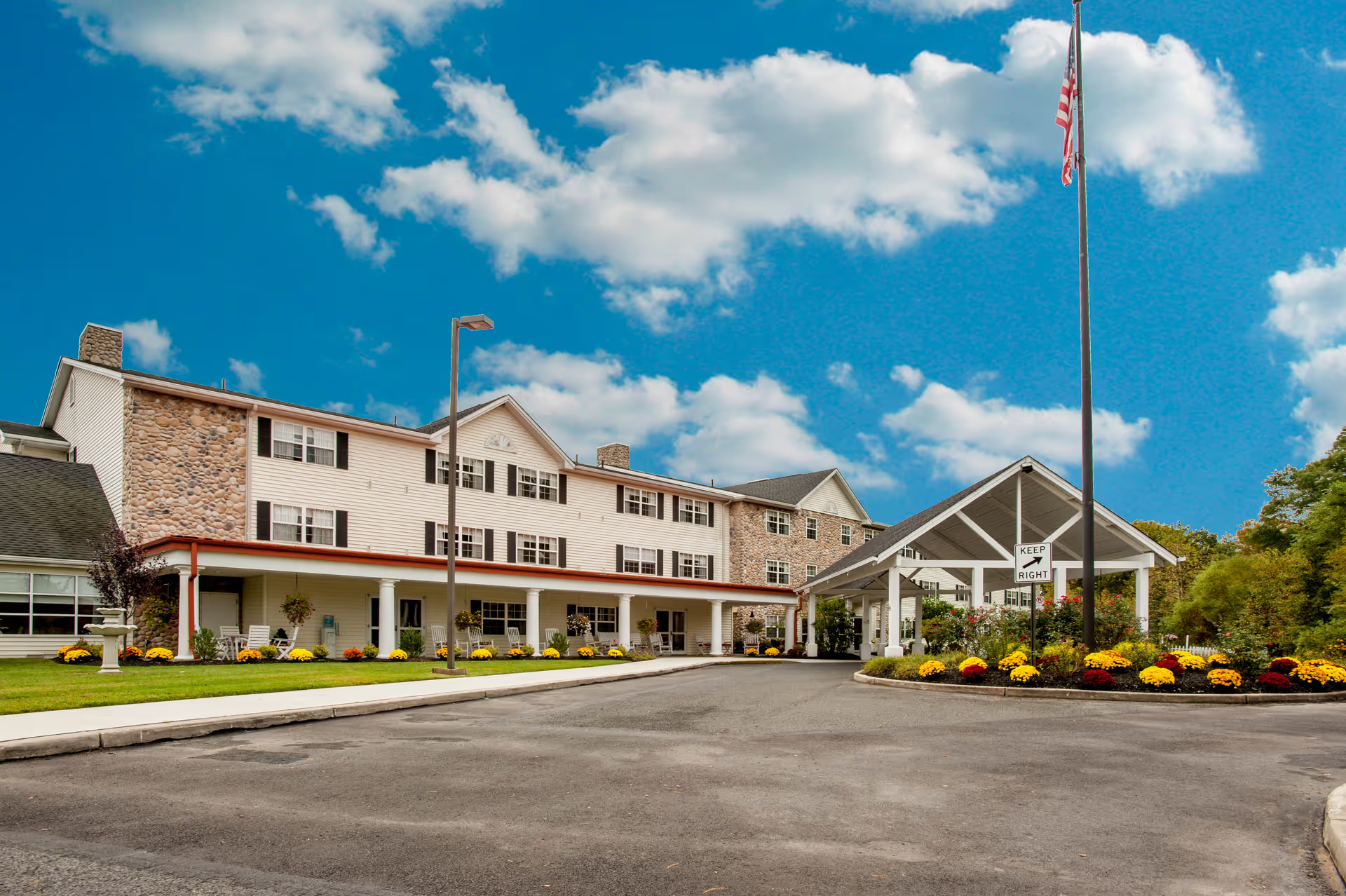
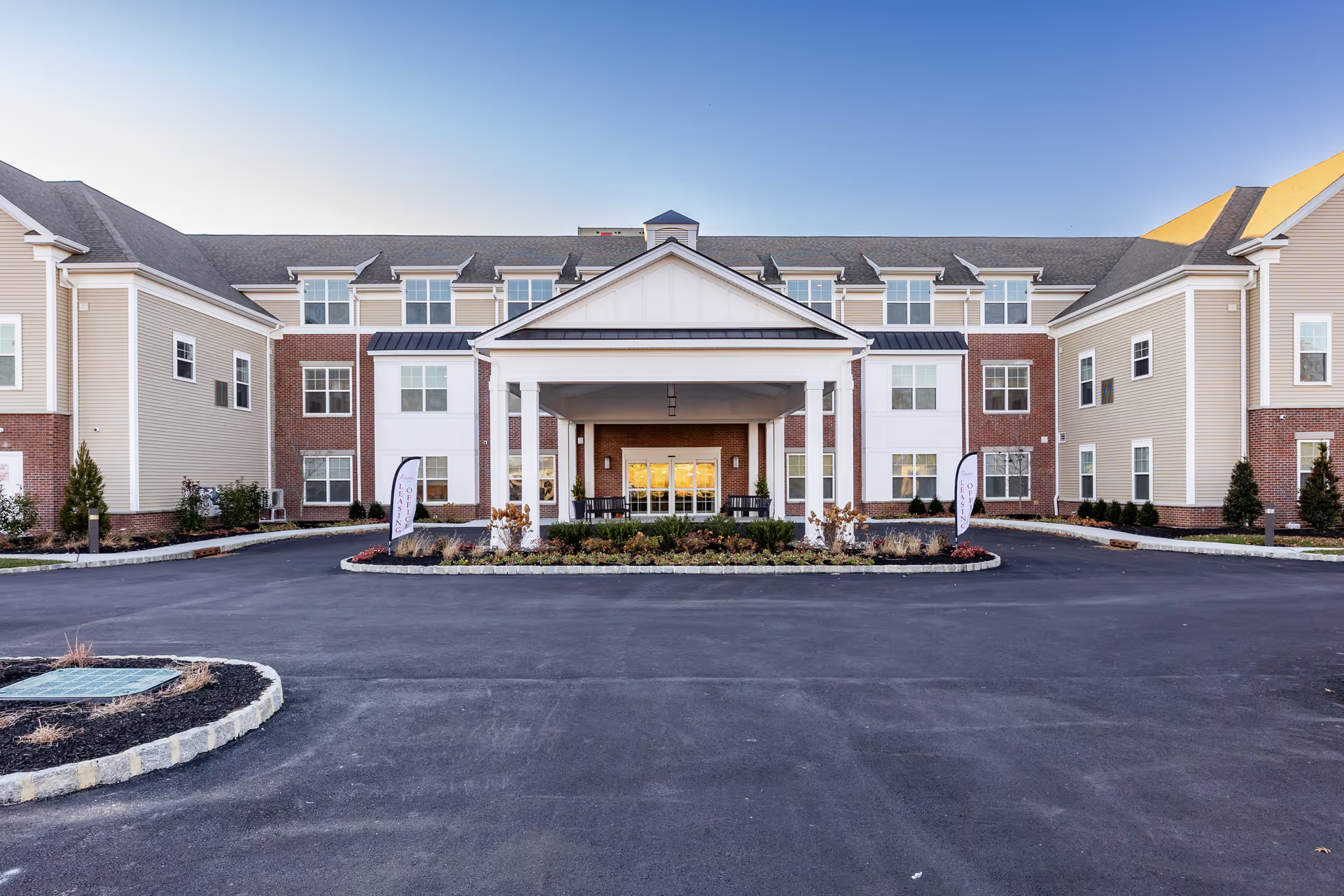
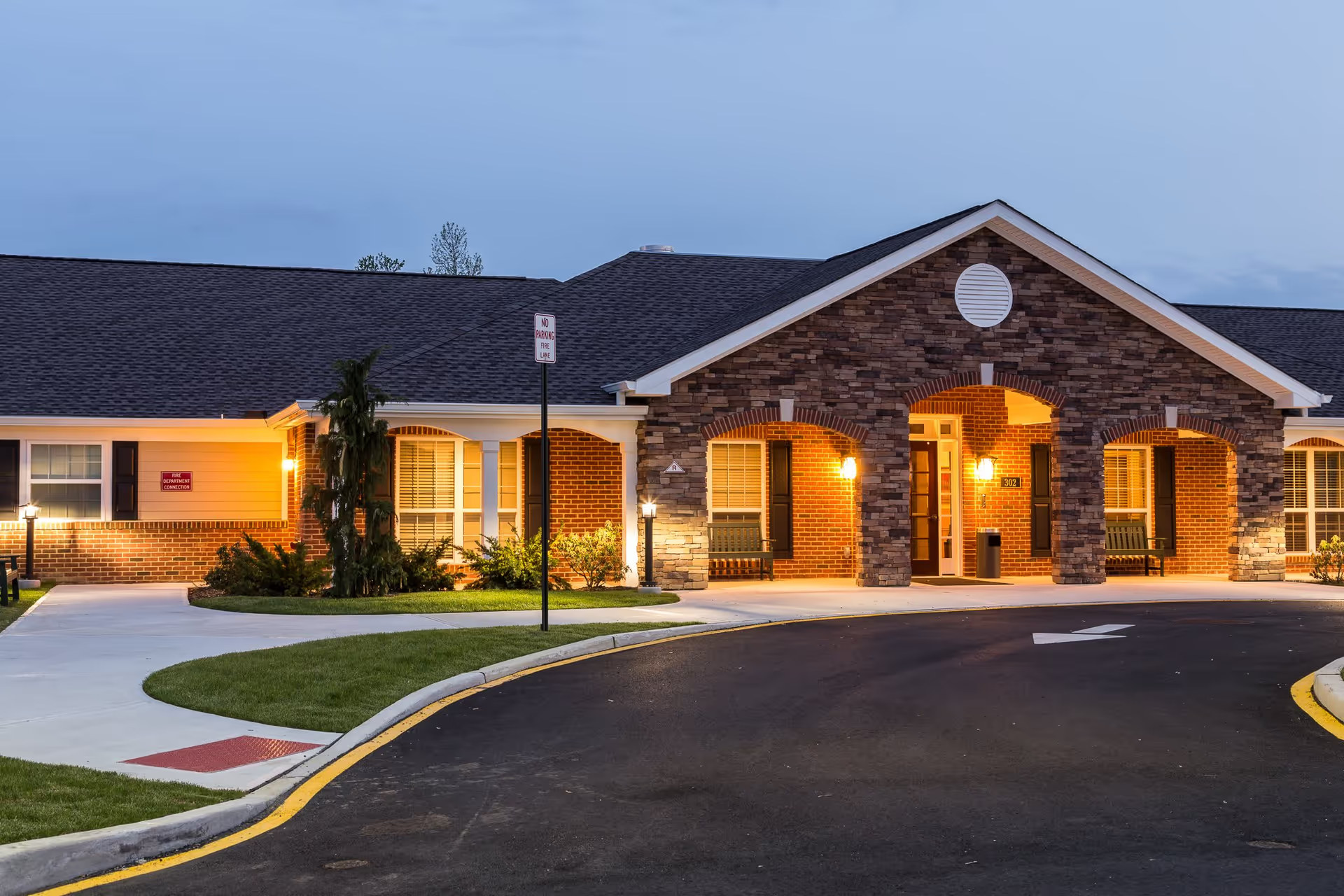
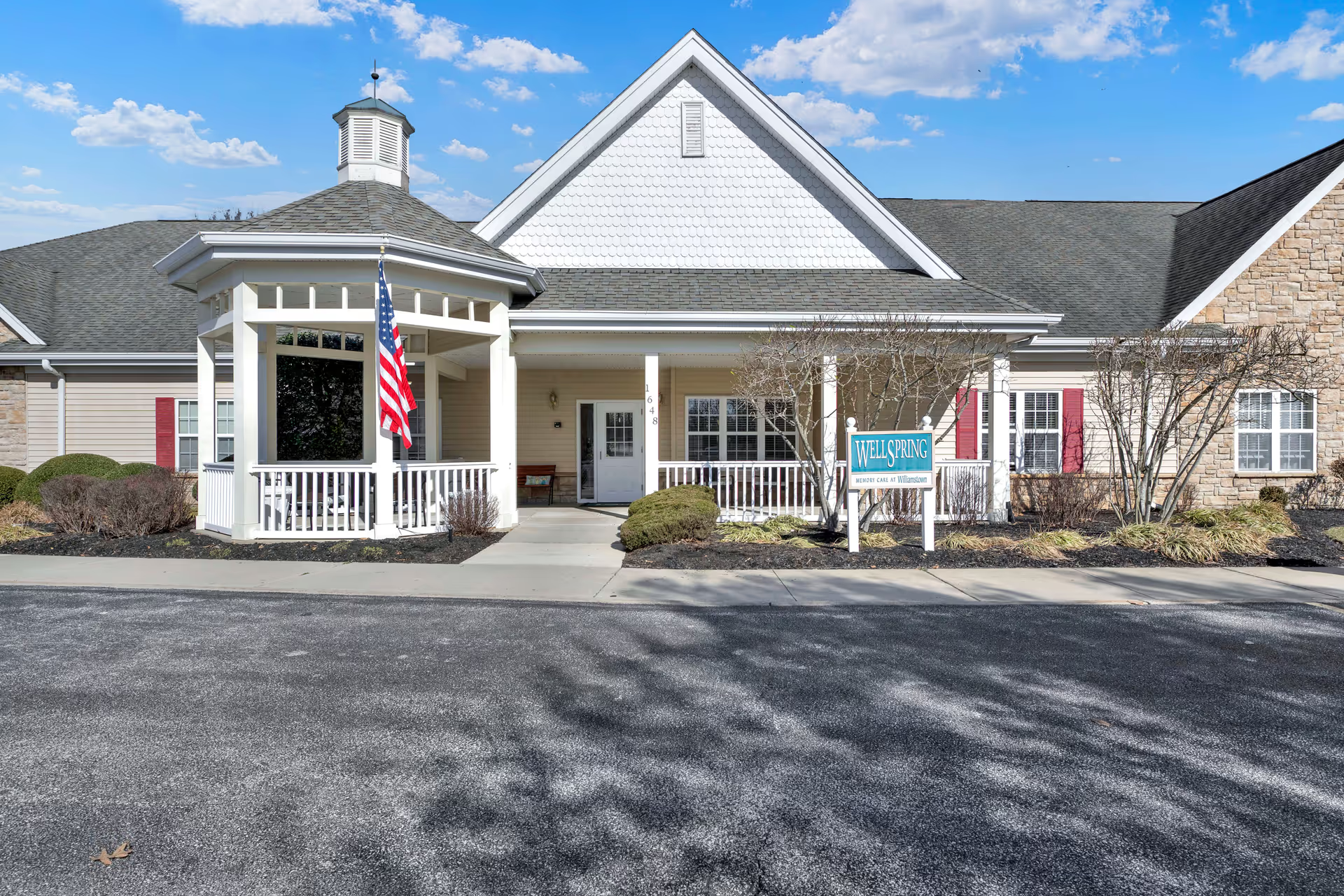
Facility and environmental feedback also divides. Several reviewers note upgraded, comfortable living spaces and an environment conducive to independent living. Others report sanitation and pest-control concerns in resident areas and express impressions of an institutional or custodial atmosphere. Activities are mentioned positively — for example, organized recreation such as bingo — contributing to social engagement for some residents. There is limited, consistent information about dining quality; reviewers did not focus on meals.
Management and operations are another area of mixed impressions. Positive reviews point to effective day-to-day support and programs that meet individual needs. Negative reviews emphasize administrative shortcomings, including perceived gaps in oversight, voicemail and phone access problems, and limited accessibility or transportation support. Together these items suggest that organizational practices — staffing models, medication protocols, and communication systems — are key determinants of the resident experience.
Notable patterns: experiences appear highly dependent on which staff are working, unit conditions, and individual expectations. Prospective residents and families may encounter strong clinical support and a vibrant peer community, or they may encounter operational inconsistencies that affect responsiveness and cleanliness. An in-person visit that reviews staffing ratios, medication-administration procedures, infection-control/pest-control measures, and communication protocols will likely give the clearest sense of current conditions.