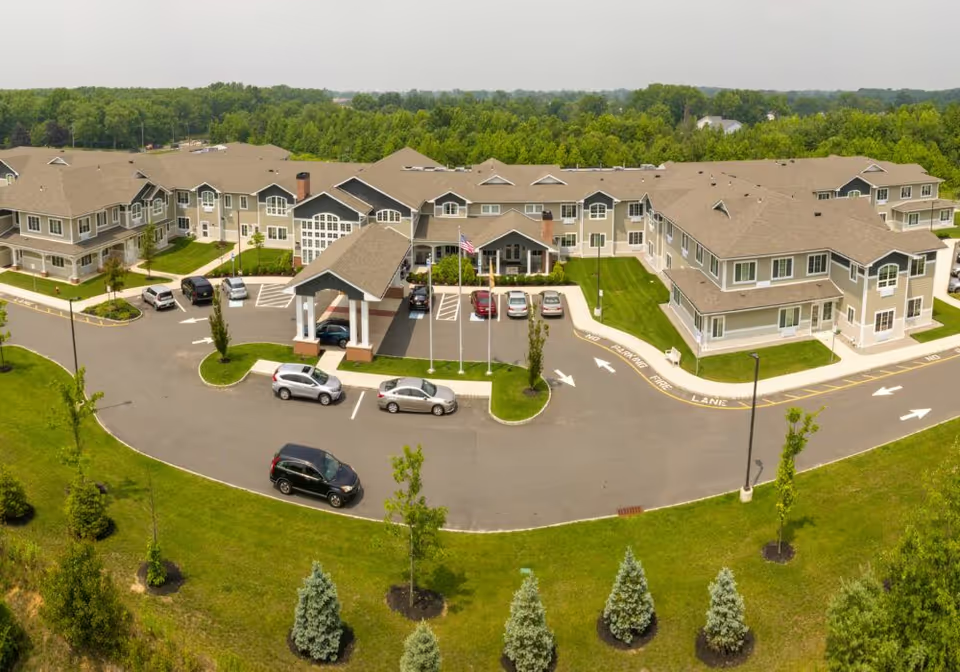
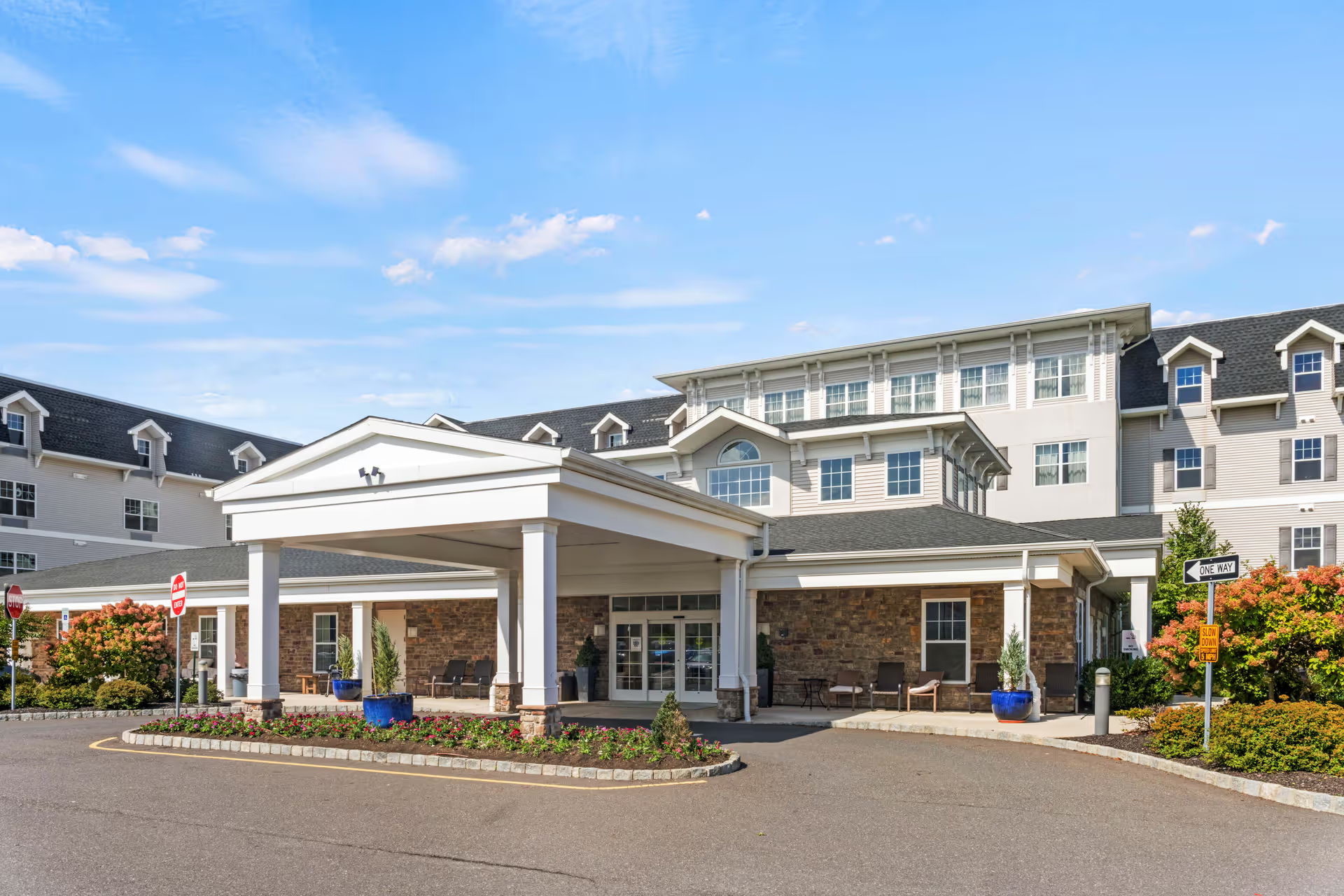
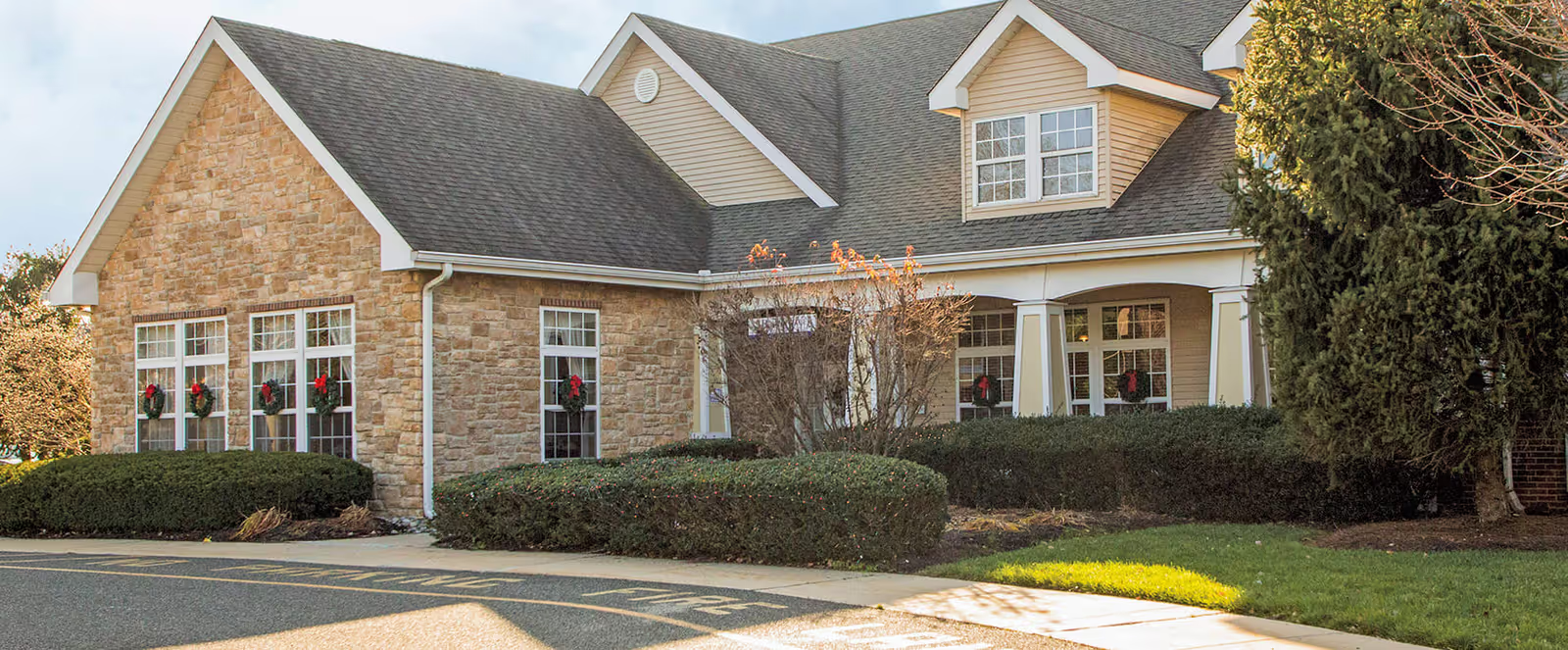
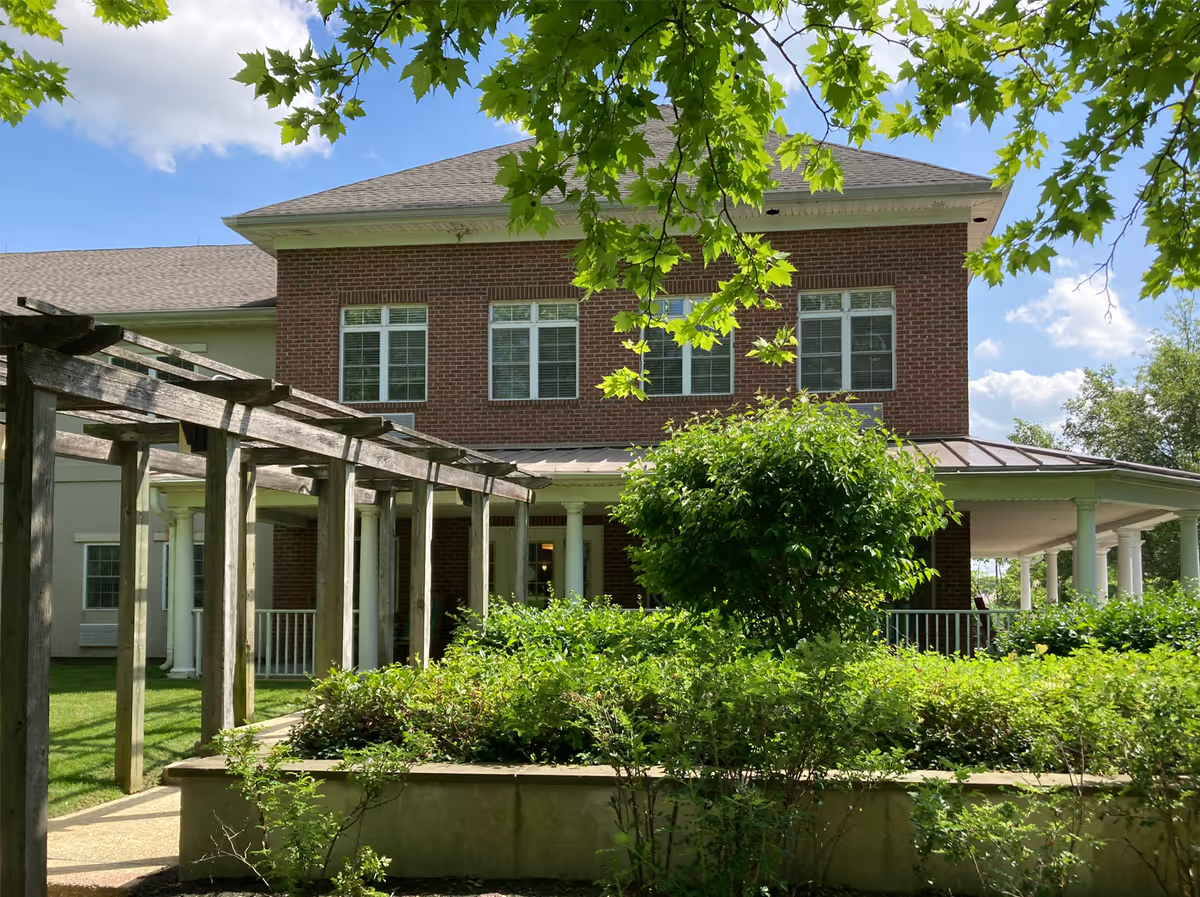
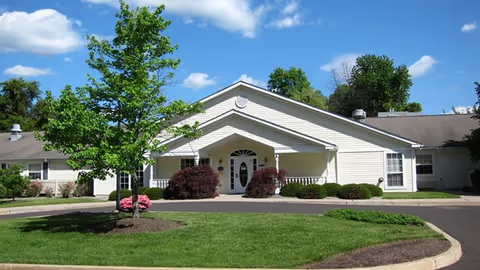
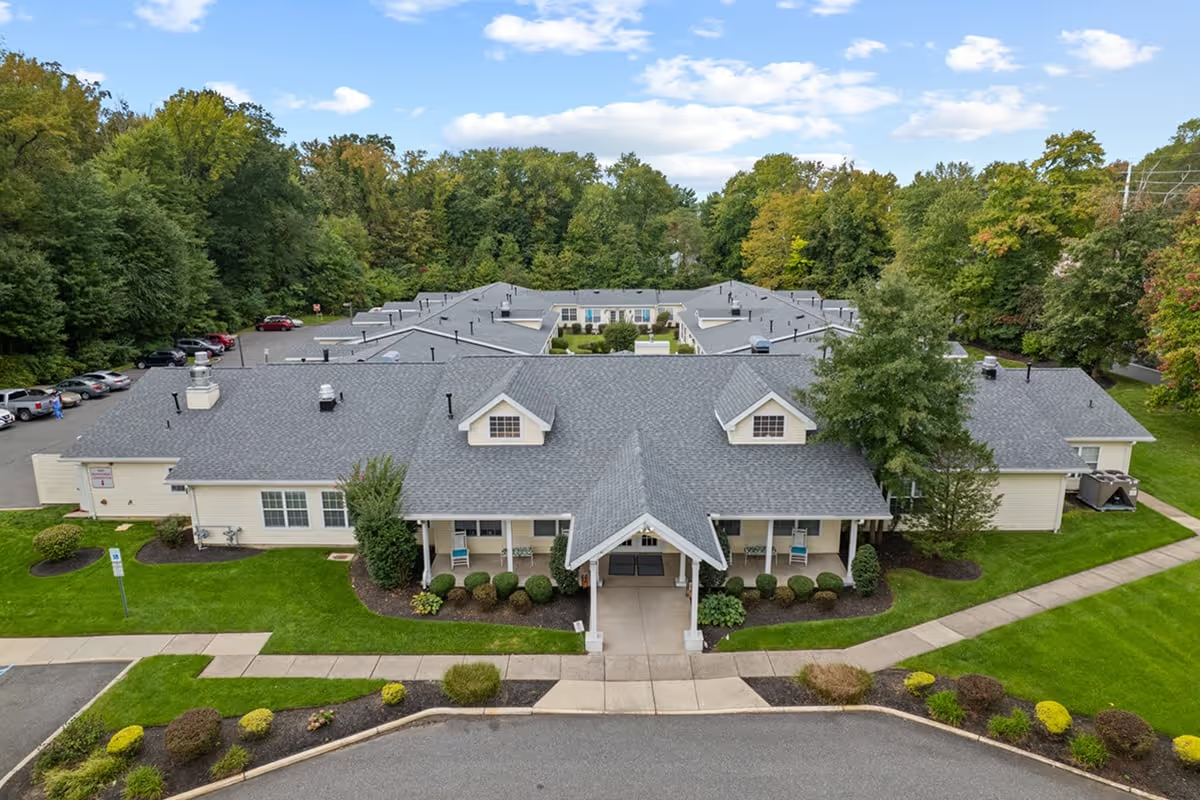
Clare Estate elicits strongly mixed feedback. Many families describe a warm, compassionate caregiving culture with attentive nursing staff, round-the-clock clinical support and effective hospice involvement at end of life. Several accounts emphasize meaningful improvements in residents’ wellbeing — weight gain, increased social engagement, and regained independence — and praise individualized, hands-on care as needs increased. The facility offers private apartment-style living with kitchenettes and private baths, a bright renovated environment, secured memory-care areas, and family-friendly spaces such as a private dining room for gatherings.
Activity programming and social life are notable strengths for many residents. Reviews reference frequent and varied offerings — arts and crafts, music events, bingo, piano, outings and day trips — that contribute to an engaging social environment. On-site therapy services such as speech and occupational therapy are available, and laundry and housekeeping services are part of the standard offering. Dining is structured (three meals daily) and some families highlight nutritious, varied menus and pleasant communal dining.
Despite these positives, a pattern of operational concerns appears in a subset of reviews. Administrative responsiveness and billing processes are repeatedly called out as inconsistent, including delayed communication about charges and difficulties obtaining refunds. Housekeeping and sanitation standards are described as variable: while some units are clean and odor-free, others report sanitation issues and pest-control concerns. Facility maintenance and infrastructure reliability — including water leaks and elevator problems — are also cited.
Clinical and staffing consistency is a central area of divergence. Many reviews praise skilled nursing and compassionate aides, yet others describe understaffing in the memory-care unit, insufficient monitoring, and gaps in after-hours and weekend coverage. These staffing patterns are associated with concerns about timely assistance for residents with cognitive impairment, including help with feeding and supervision. There are also comments about inconsistent availability of recreational and physical-therapy staffing in some periods.
In summary, Clare Estate appears to deliver strong, family-oriented clinical and social care for many residents, especially where staff continuity and supervision are maintained. Prospective residents and families should weigh those strengths against reports of variable housekeeping, maintenance and administrative follow-through, and should directly assess staffing levels in the memory-care unit and the facility’s processes for billing, refunds, and after-hours coverage during their tour and contract review.