The reviews present a mixed but thematically consistent picture. Many accounts highlight strong clinical strengths, notably a well-regarded physical therapy and rehabilitation department, compassionate direct-care nurses and aides, and individualized memory-care programming. Several families and former patients describe successful short-term rehab outcomes, attentive bedside nursing, one-to-one therapy sessions, and a family-like atmosphere fostered by engaged caregiving staff. Under recent leadership changes some reviewers specifically credit proactive administrators for facility improvements, renovated common areas, active programming (trivia, bingo, barbecues), and improved coordination among department heads.
Counterbalancing those positives are persistent operational challenges. Staffing and coverage emerged as a recurring theme: reviews describe inconsistent staffing levels, slow or unreliable responses to call buttons, and aides or nurses who are stretched thin on certain shifts. These staffing issues correlate with other operational gaps cited across accounts — delayed assistance with toileting/incontinence care, slow delivery of water or meals to residents, and prolonged waits for basic needs to be met. Communication breakdowns are also frequent: families report inconsistent front-desk/phone responsiveness, uneven social-work follow-up, and billing or insurance coordination problems that complicate discharge planning.
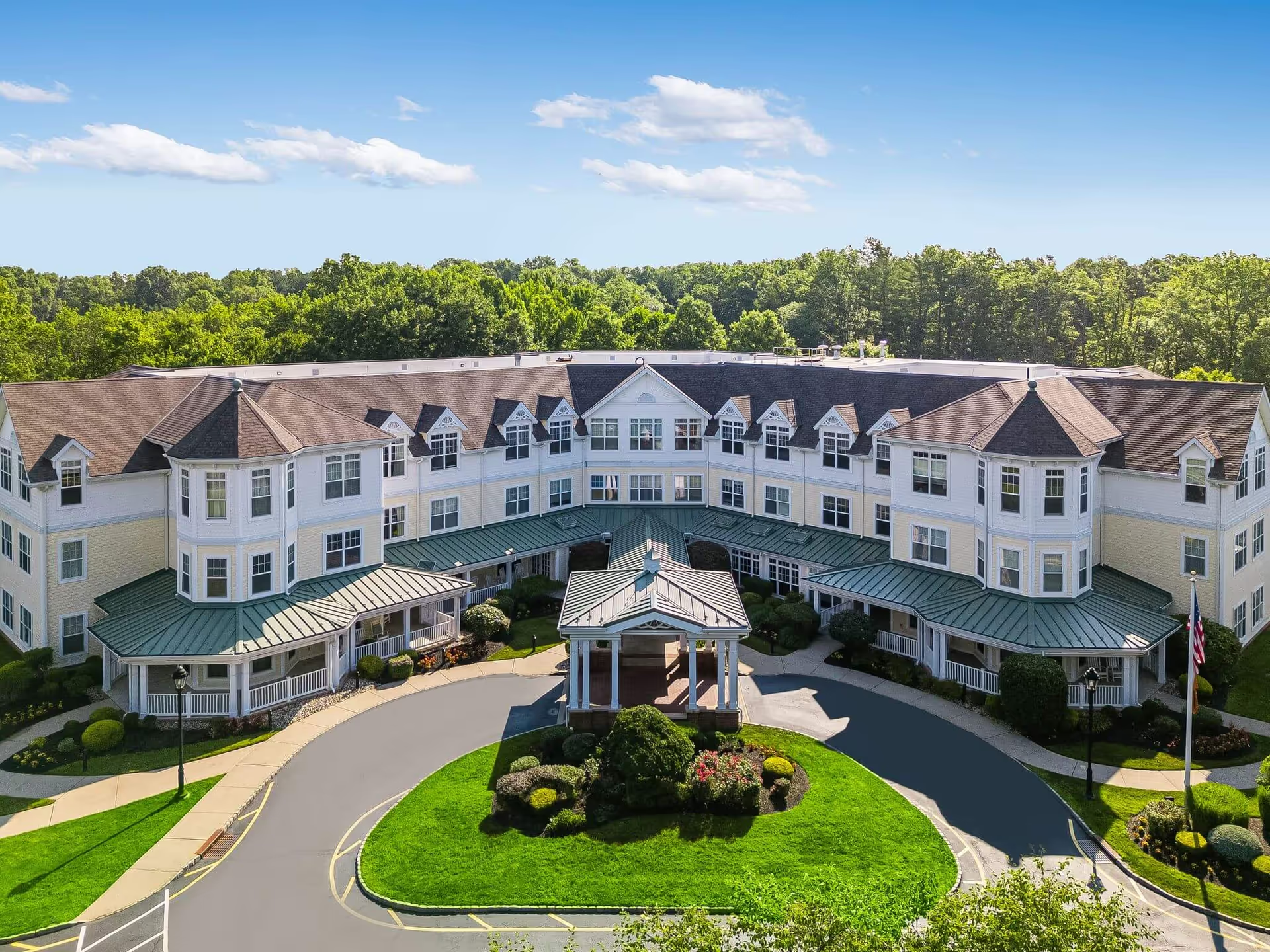
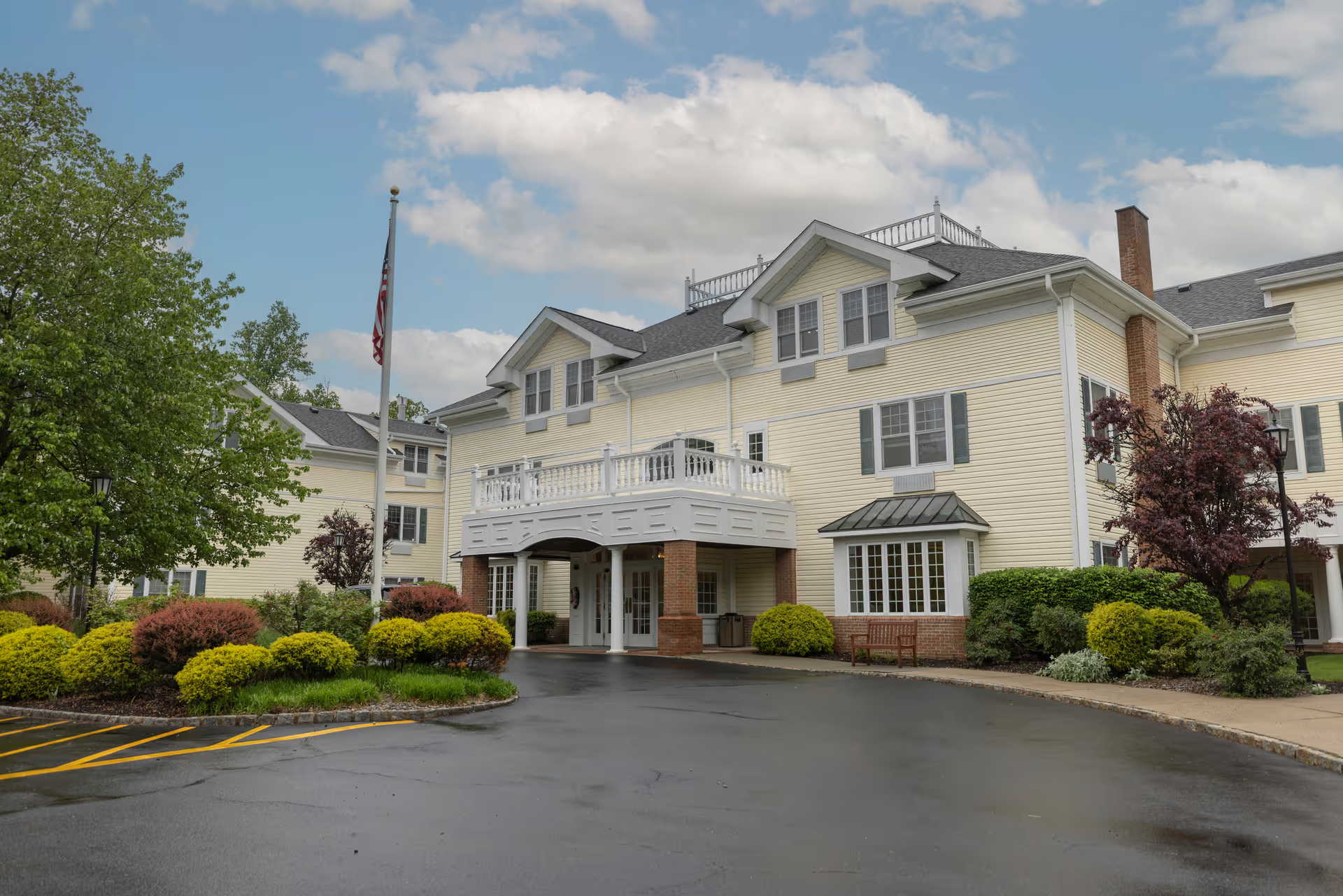
Cleanliness, maintenance, and building condition are uneven. While some areas and units are described as newly renovated and immaculate, other accounts point to sanitation concerns, odor issues, pest-control concerns in parts of the facility, and deferred maintenance such as nonfunctional call buttons, windows, TVs, or heating/air systems. The facility’s physical footprint — older construction, small rooms, and some shared bathrooms — is repeatedly cited as a limiting factor for comfort and privacy even where care quality is acceptable.
Dining and ancillary services show variability: there are multiple references to limited menu variety, inconsistent food quality and temperature, occasional supply shortages, and service lapses (missing utensils, unavailable menu items). Conversely, other reports praise improved food service under certain management periods. Activities and social engagement are generally viewed positively; programming that includes patio gatherings and therapy-aligned activities receives commendation.
Clinically notable patterns include concerns about medication communication and documentation, occasional discrepancies in medication administration or explanation to families, and isolated allegations of property mishandling. There are also reports describing inconsistent adherence to infection-control or COVID protocols. While many reviews describe attentive, compassionate staff and successful clinical outcomes, the overall pattern is polarized: strong clinical teams and administration-driven improvements coexist with operational reliability issues (staffing, responsiveness, maintenance, and communication) that can materially affect the resident experience.
For prospective residents and families, the review set suggests that outcomes may depend heavily on the unit, shift, and current leadership. Recommended due diligence includes visiting the specific unit, observing staffing levels and response times, reviewing recent inspection or ownership-change documentation, asking for specific rehabilitation and nursing staffing ratios, and obtaining clear written policies on medication communication, property handling, meal service, and infection-control measures. Where possible, speak directly with current families about recent changes under current administration to assess whether the operational concerns described have been addressed.