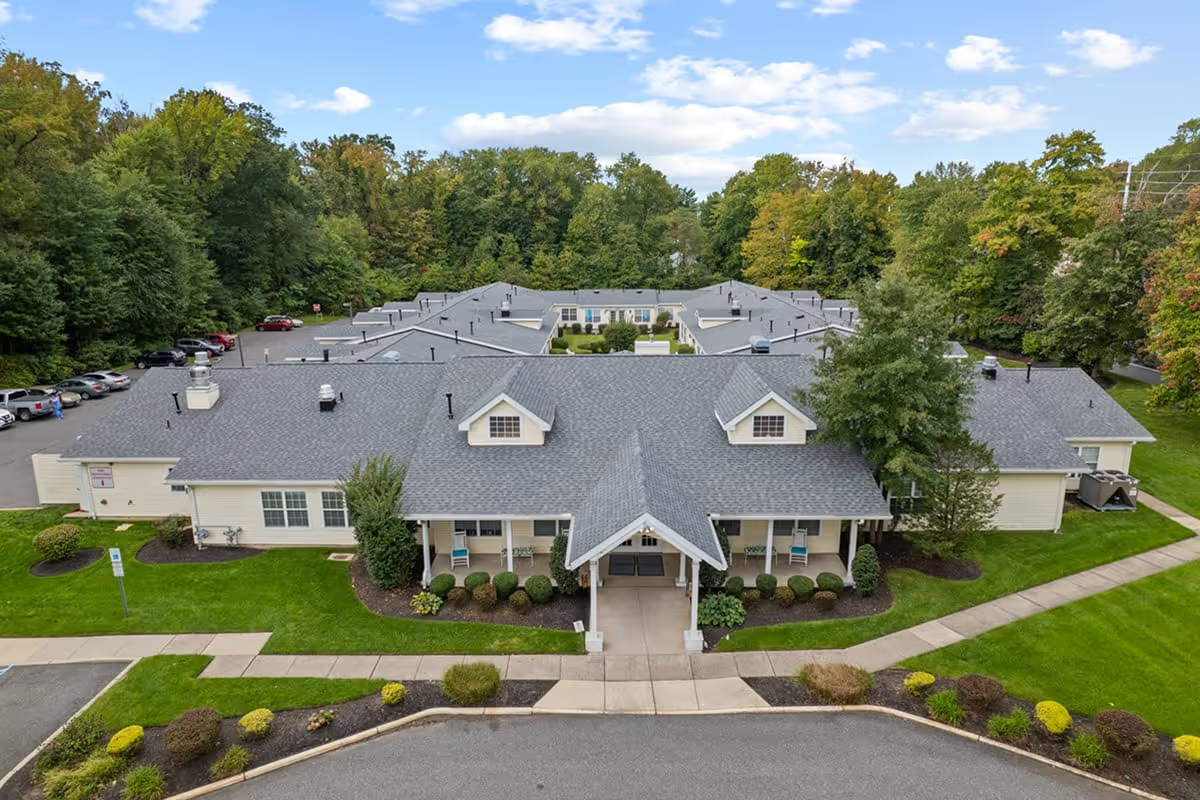
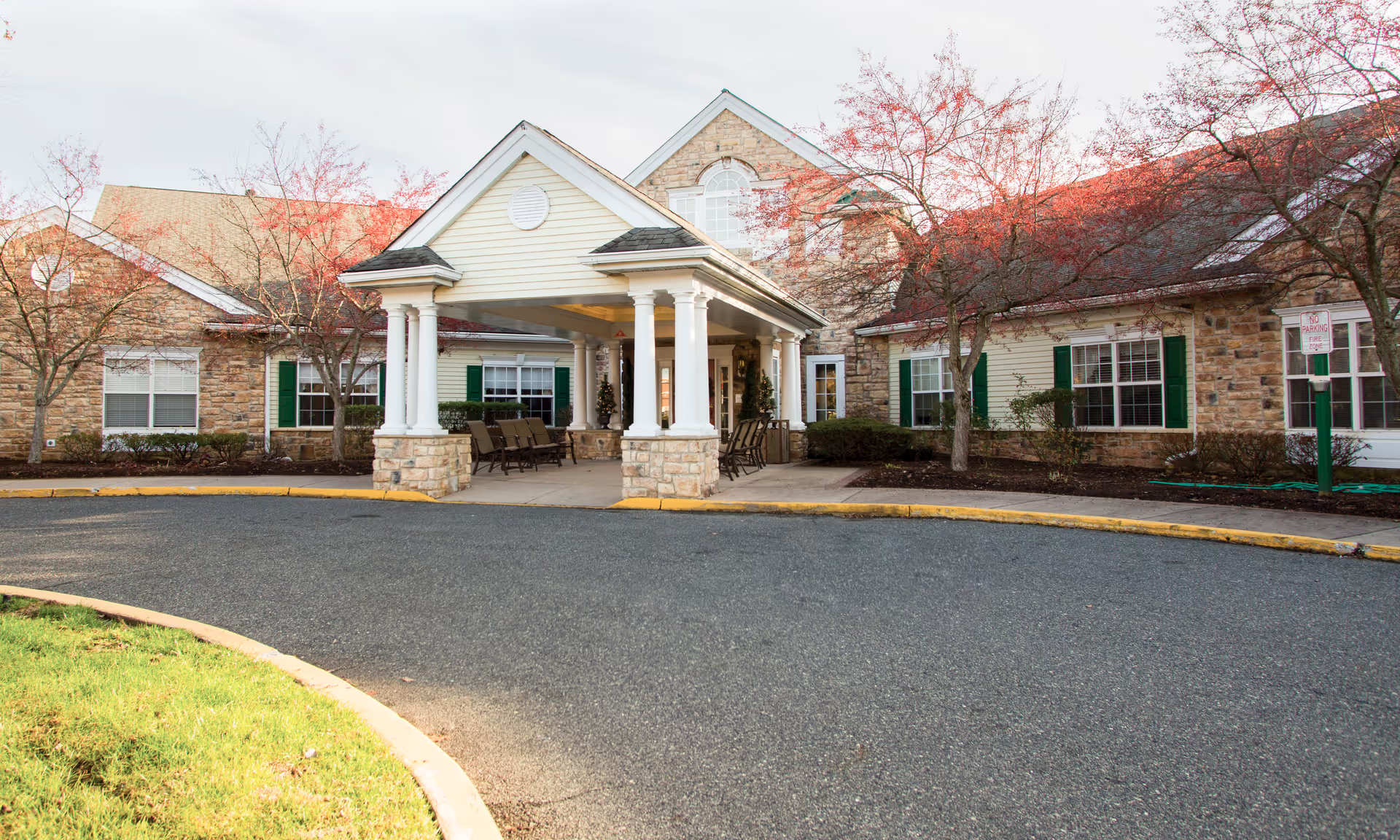
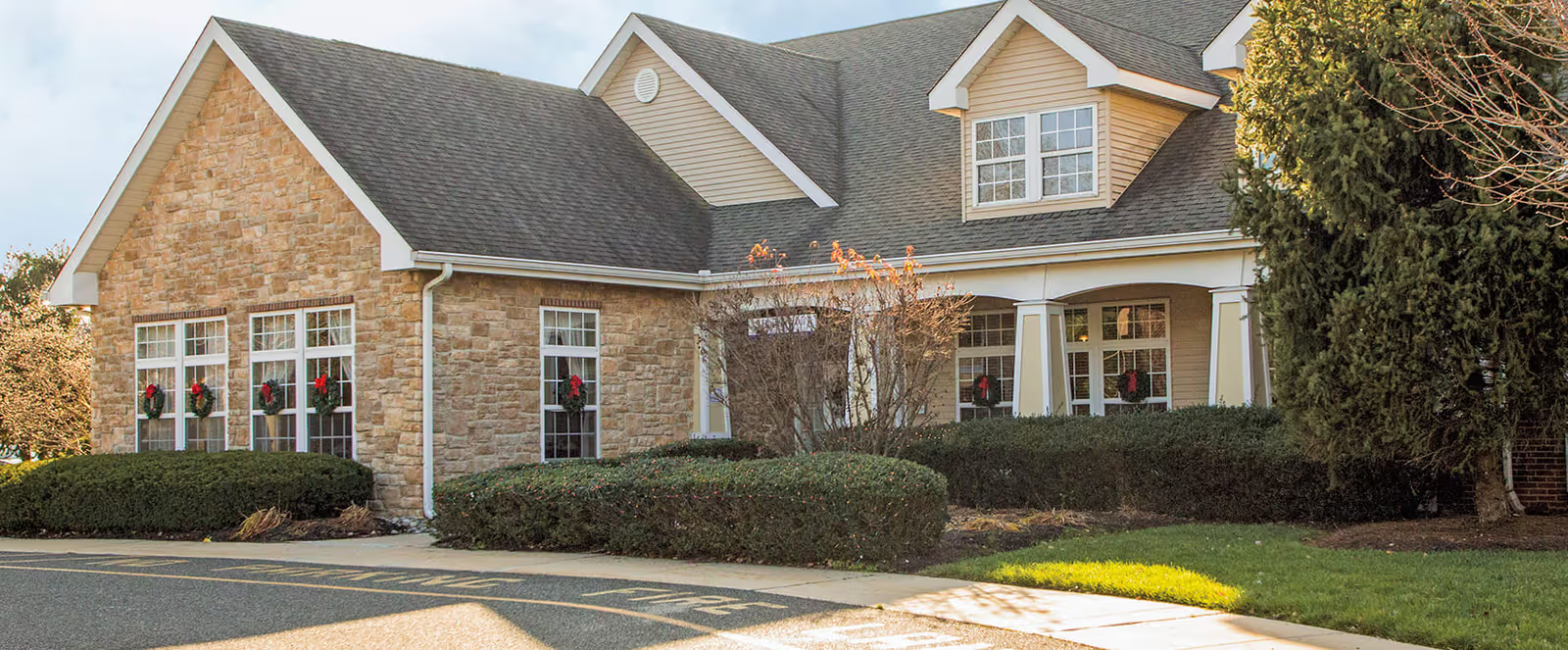
Overall impression: Masonic Village at Burlington is consistently described as a large, well-appointed continuing-care campus with a broad range of housing and care levels, from independent cottages and apartments to assisted living, memory care and an extensive rehabilitation unit. Reviewers most often praise the staff, the campus amenities, and the active social life — noting a home-like atmosphere, landscaped grounds, and many on-site services that support resident independence and social engagement.
Care and staff: The strongest theme in the reviews is the quality of caregiving and therapy. Many families and residents compliment nursing, CNAs, and therapy teams (physical, occupational and speech) for compassionate, hands-on care and successful rehab outcomes. Long-tenured staff and continuity of caregivers are frequently cited as contributors to stability and trust. That said, a recurring operational concern is staffing variability: reviewers cite reliance on temporary personnel, short-staffing at certain shifts (especially evenings/weekends), and occasional delays in responding to call lights. There are also specific concerns about medication-management processes and some medication-administration errors; these have undermined confidence for some families and point to the need for more consistent clinical oversight and staffing coverage.
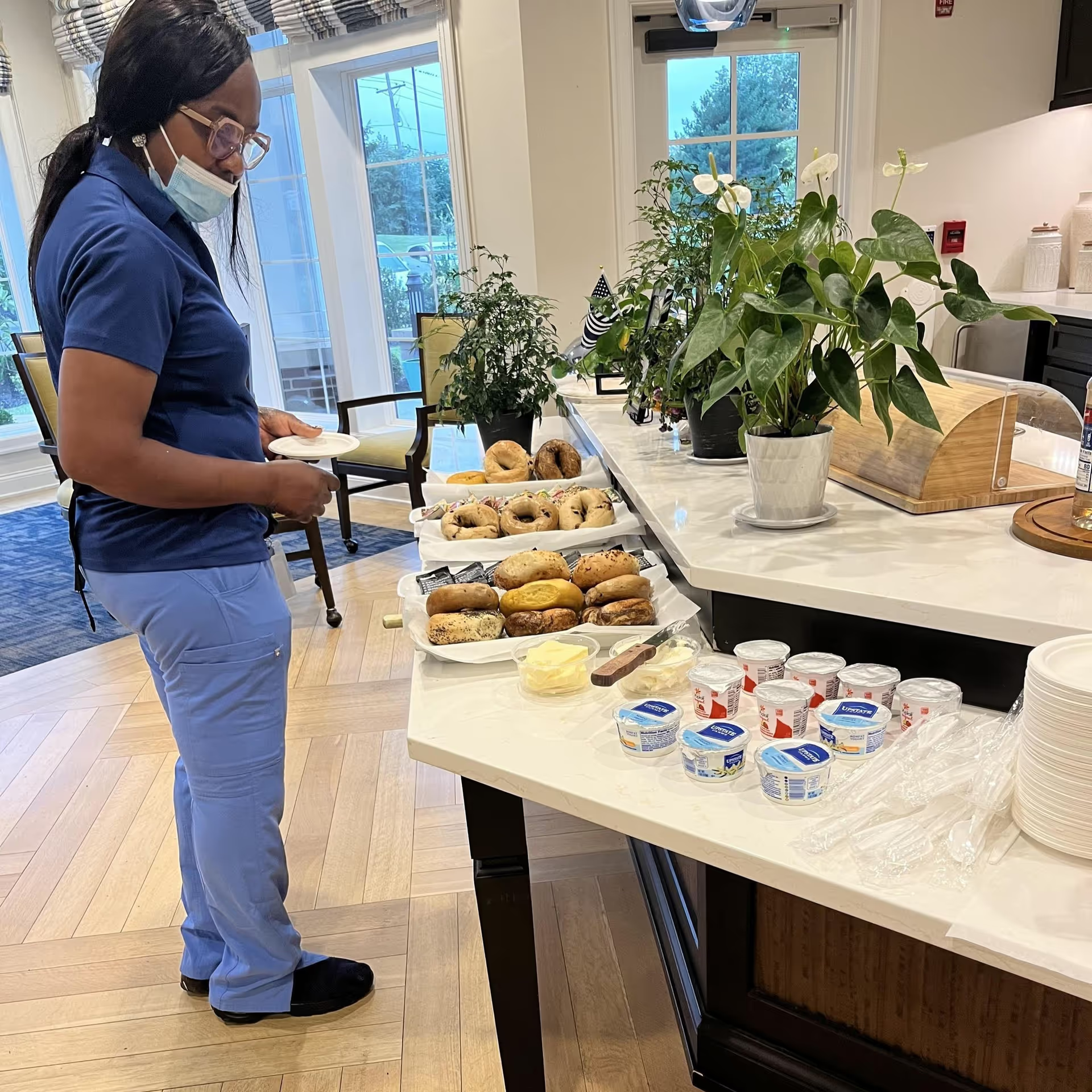
Dining and nutrition: The campus offers multiple dining venues (formal dining room, cafe, deli, cottage kitchens) and a broad menu selection that many residents find appealing. Positive notes include attentive dining staff, a variety of meal choices, desserts and coffee/cafe amenities. Counterbalancing this, reviewers describe inconsistency in meal delivery to rooms and temperature control for delivered trays, as well as occasional variability in food quality and snack availability. These are operational issues rather than wholesale food-service failure; prospective residents should ask about current meal-delivery procedures and weekend/snack options.
Activities and amenities: Programming is a strong point, with frequent mention of music therapy, choir, live bands, fitness classes, woodworking, bingo, and regular outings. Amenities such as a gym, salon, library, chapel, ice cream parlor and volunteer-run services contribute to an active campus life. A few reviewers noted recent shifts toward technology-based programming (videos replacing some in-person instruction), which some residents find less engaging — an operational trade-off worth discussing with activity staff.
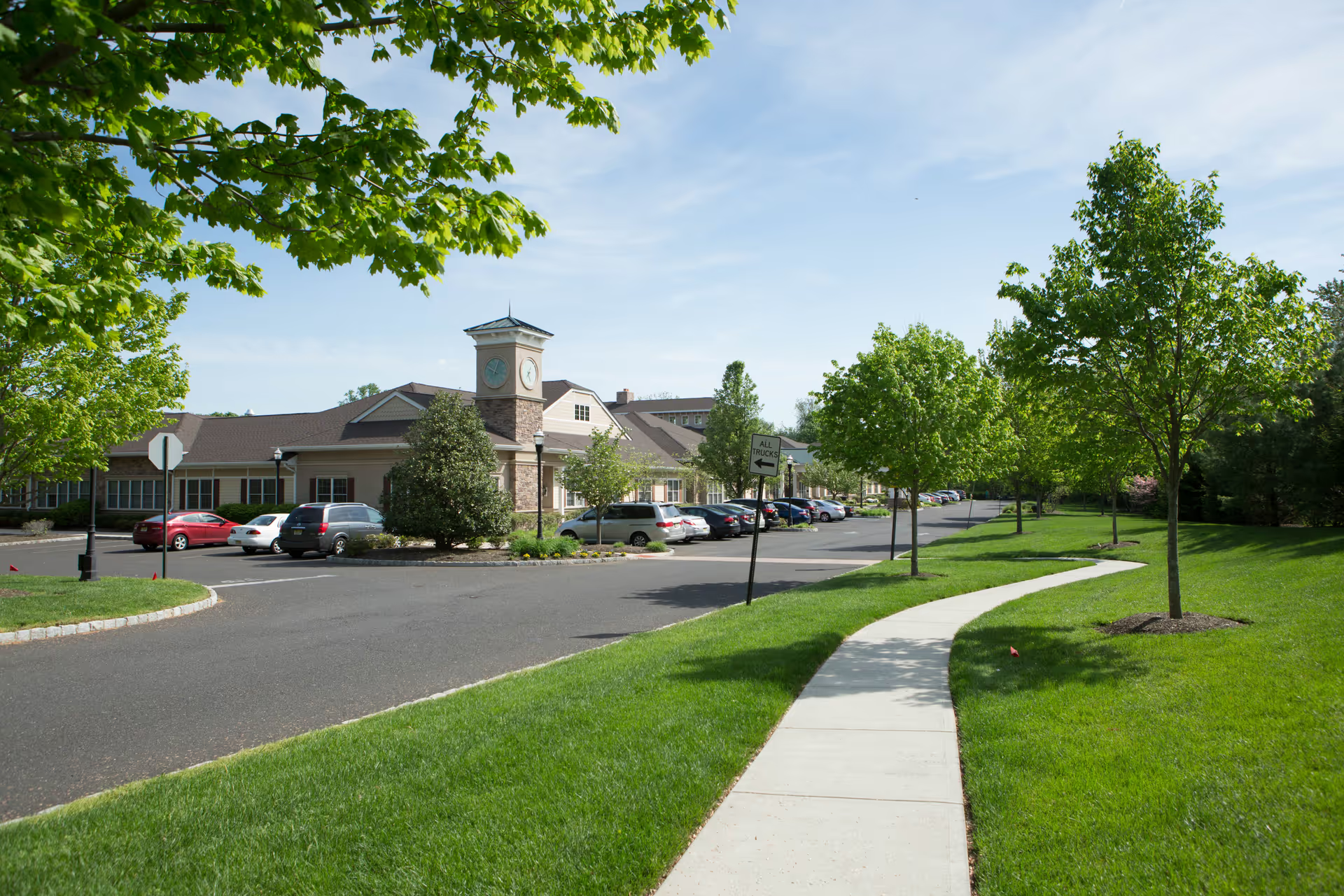
Facilities and housing: Physical facilities receive high marks for cleanliness, decor and maintenance. Cottages and newer units are described as spacious with well-equipped kitchens, garages and open floorplans; private rooms in clinical units are also often praised. Practical limitations surfaced in several comments: parking and pedestrian access between detached cottages and the main community center can be inconvenient, and some buildings show age-related maintenance needs. Housekeeping service frequency and timeliness has been inconsistent for a subset of residents.
Management and communication: Admissions, marketing and liaison staff are repeatedly cited for being helpful and responsive during transitions; many families appreciate proactive communication during rehab and move-in. Conversely, there are recurring themes about gaps in communication and discharge coordination between clinical staff and families, and variable responsiveness from supervisory staff in certain incidents. A few reviewers expressed concern over perceived management changes affecting staff morale and operational priorities. Prospective residents should ask for current staffing ratios, escalation pathways, and examples of how the facility communicates clinical incidents and discharge plans to families.
Notable patterns and considerations: Strengths are concentrated around caregiving compassion, rehabilitation outcomes, robust programming and attractive campus amenities. Operational weaknesses are primarily trait-level: inconsistent staffing coverage at off-shifts, medication-management and coordination shortcomings, dining service continuity issues, and campus-access/parking constraints for some cottage residents. These patterns suggest that while day-to-day resident experience is frequently positive, families should proactively discuss clinical oversight, staffing patterns for evenings/weekends, meal-delivery processes, and pedestrian/transport options for cottage living before committing. Overall, the facility offers a breadth of services and amenities that suit residents seeking an active, serviced campus, but attention to the operational areas listed above will help set appropriate expectations and planning for care transitions.