Feedback about Oceana Rehabilitation and Nursing Center is mixed and often polarized: many accounts praise the facility’s therapy services, certain clinical staff, and aspects of the social program, while other accounts describe worrisome operational failures. Rehabilitation and therapy staff are frequently highlighted as a strength—families and residents cite effective physical and occupational therapy, attentive wound-care nursing in some cases, and a therapy program that helped some residents regain mobility. Several reviewers specifically commended individual caregivers and the social/staff interactions that contribute to a supportive resident community.
Clinical quality appears uneven. Positive notes about wound care and attentive caregivers sit alongside descriptions of recurring pressure injuries and concerns around continuity of care after room changes. Medication timing lapses are a recurring operational issue in the feedback, and there are instances where families felt clinical information was not communicated in a timely or transparent manner. There are also accounts suggesting premature discharge or insufficient mobility assessment prior to release from therapy—these point to gaps in pre-discharge safety evaluation and care-transition planning.
Staff tone and responsiveness receive both praise and criticism. Numerous accounts describe compassionate, attentive staff, frequent nursing check-ins, and helpful admissions/social-work personnel—some reviewers attribute improvements to recent administrative changes. At the same time, there are notable complaints about inconsistent nursing quality, withheld or unclear medical information, and disputes that escalated to legal or police involvement. There are also concerns following a resident’s death that families felt were not adequately explained, which amplifies the communication and transparency issues described above.
Dining and activities are commonly listed among the facility’s positives. Multiple reviewers complimented meal quality and described an active activities calendar (bingo multiple times weekly, religious visitors, and social programming) that residents found engaging. These elements appear to contribute positively to resident morale and social engagement when present.
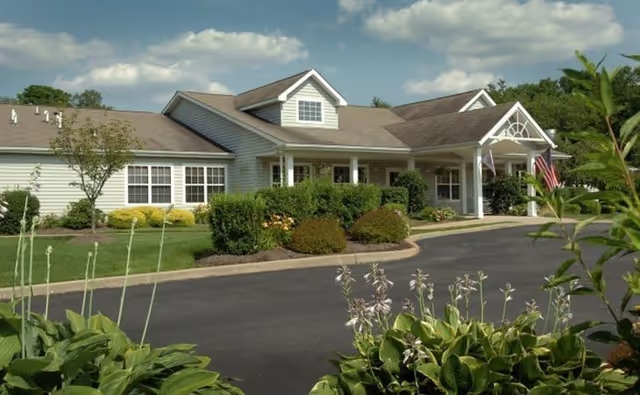
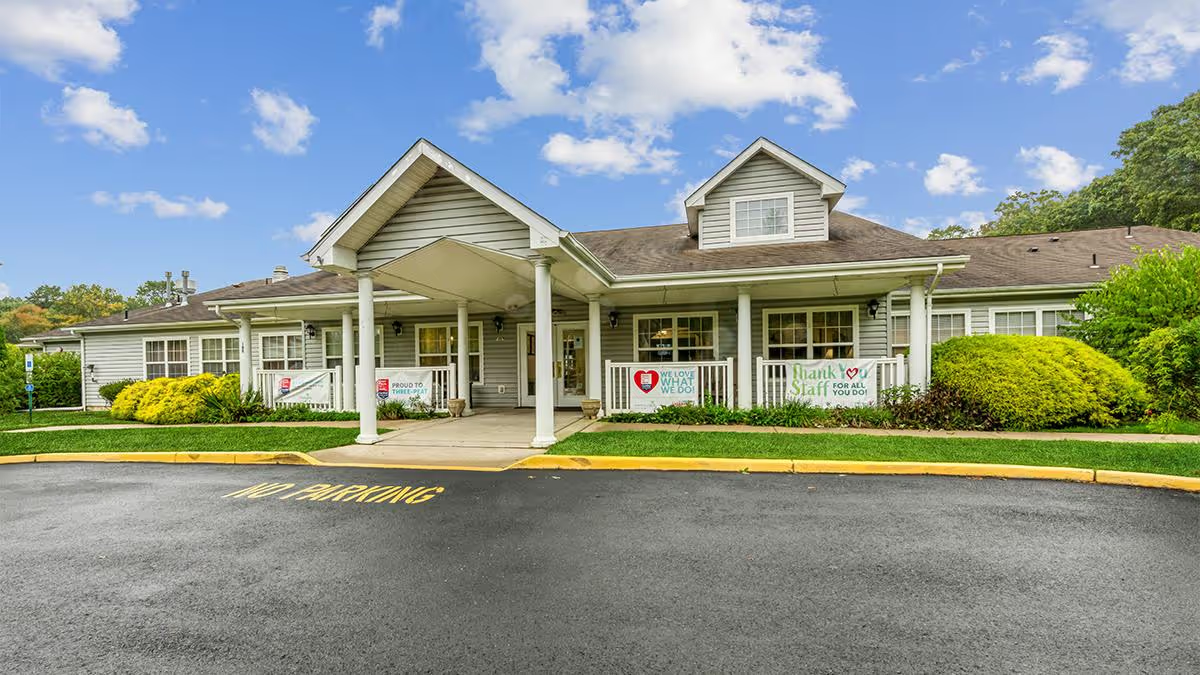
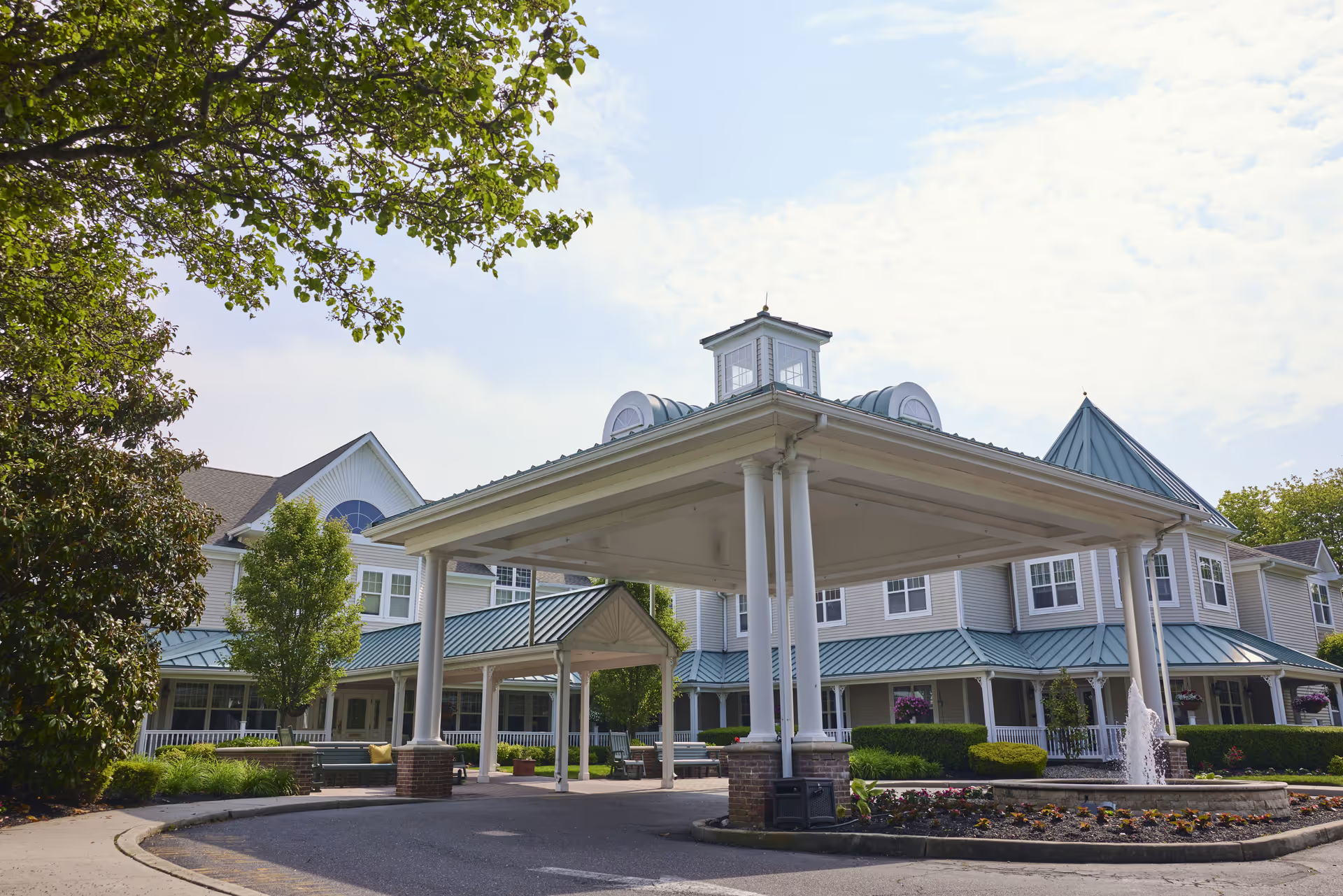
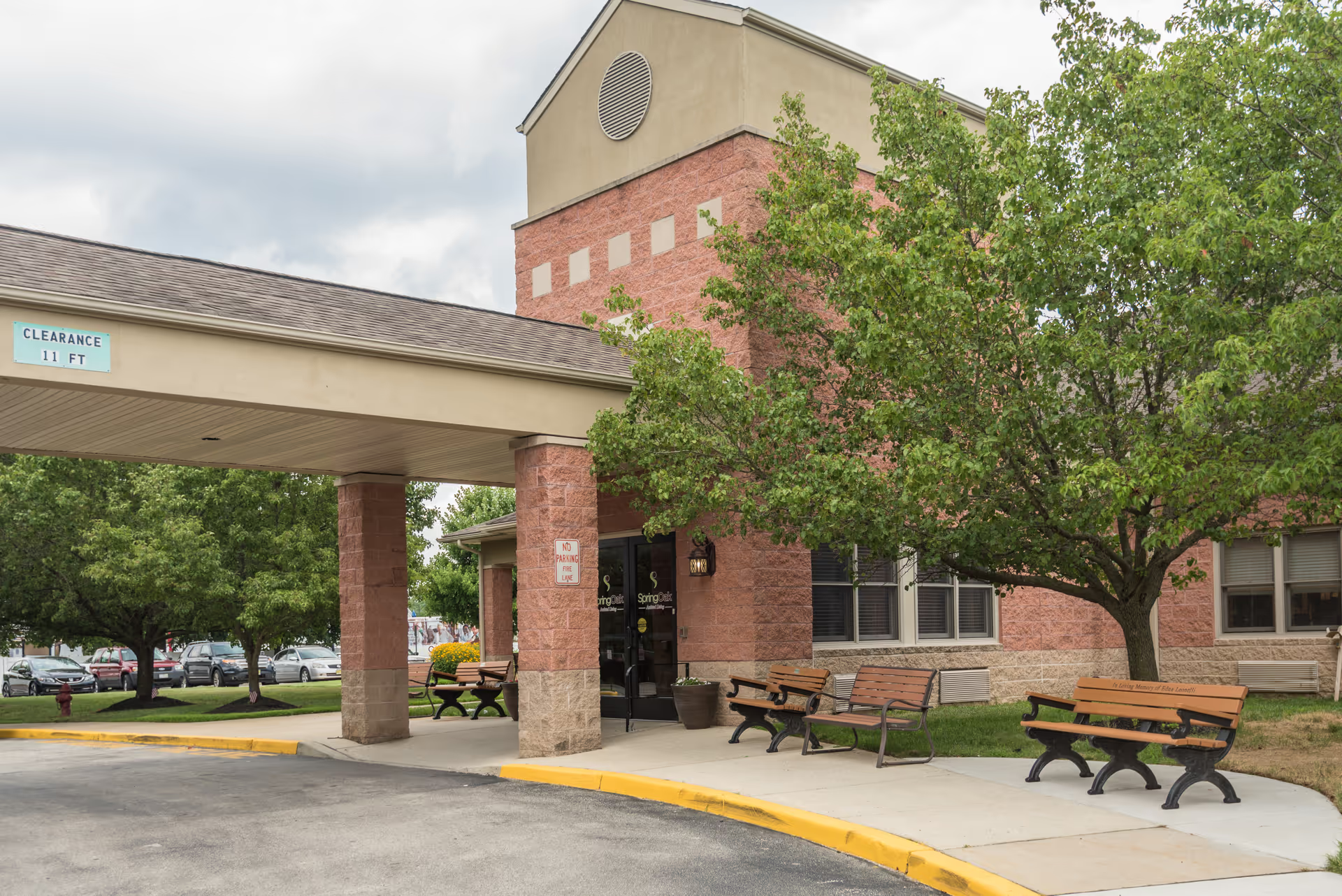
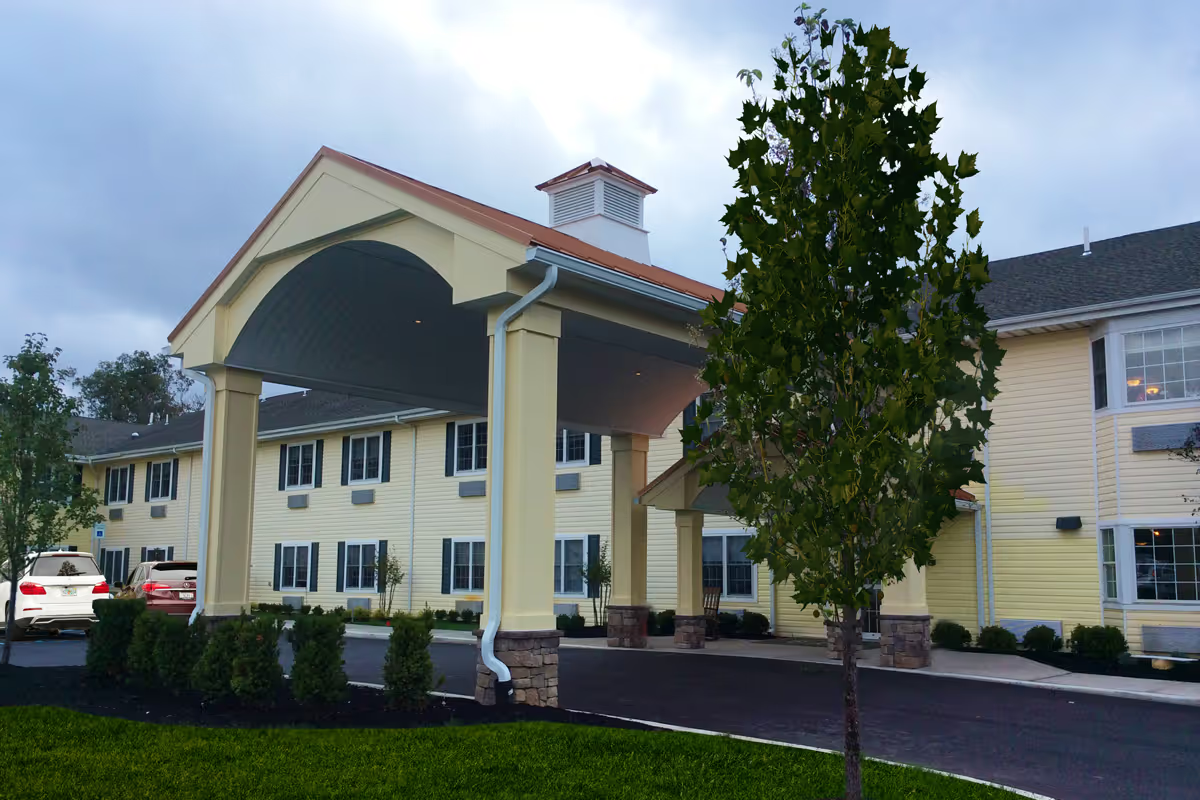
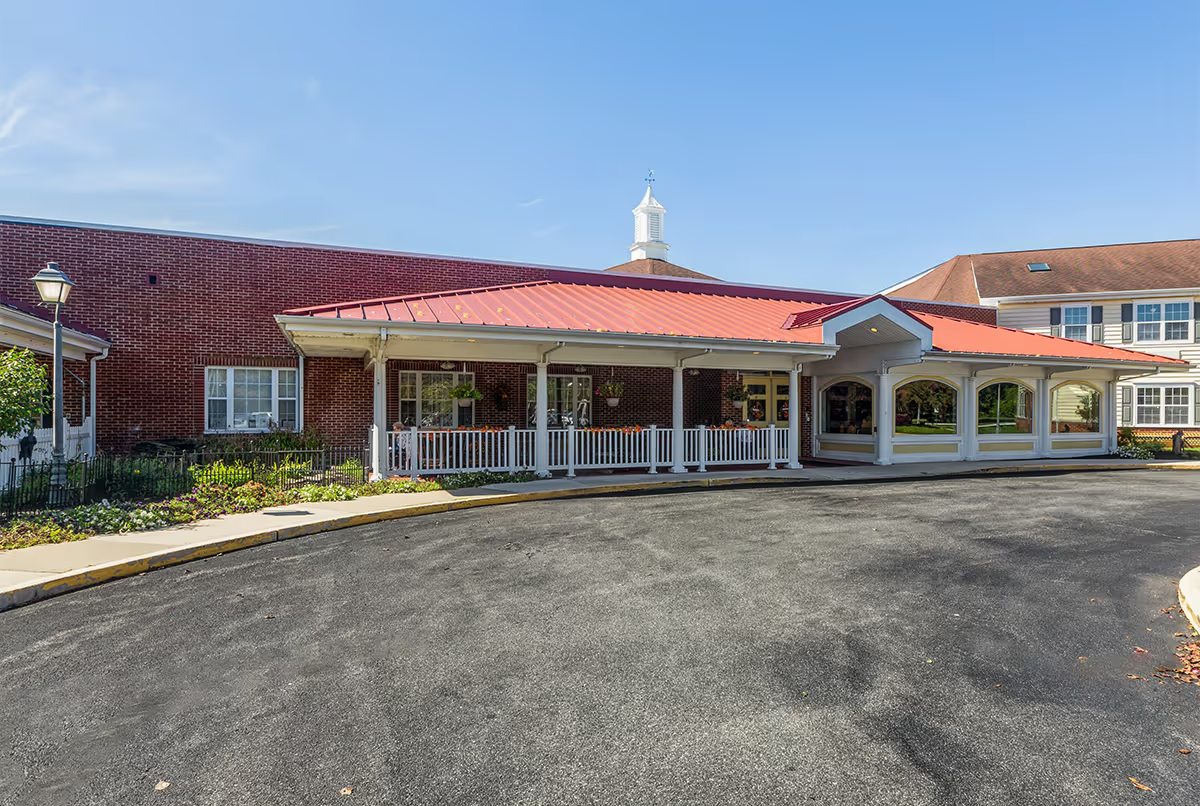
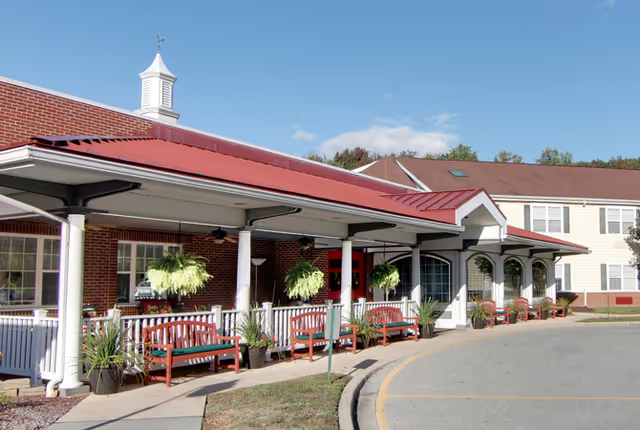
Facility condition and management are mixed. Some areas have been remodeled and are described as home-like and clean; other comments reference aging infrastructure, maintenance deficiencies, sanitation inconsistencies, odor concerns, and laundry or room-turnover problems. Several accounts frame the environment as uneven across units. Management changes and an active admissions/social-work presence were noted positively by some families, suggesting that leadership is attempting improvements, but operational gaps (property handling at discharge, conflict-resolution processes, and responsiveness on serious allegations) remain a concern.
In summary, Oceana shows clear strengths in rehabilitation programming, individual caregivers, and social activities, but also exhibits operational weaknesses that prospective residents and families should evaluate closely. Key topics to address during a tour or intake conversation include current staffing levels and supervision, medication-administration schedules, pressure-injury prevention protocols, discharge and property-handling policies, communication practices with families, and recent inspection or enforcement history. Where possible, request specifics about recent quality-improvement initiatives and observe cleanliness and activity offerings in the unit where the resident would be placed.