The reviews present a polarized portrait of the facility, with clear strengths alongside recurring operational weaknesses. Positive accounts emphasize compassionate, attentive direct-care staff, strong rehabilitation services (physical, occupational and speech therapy), and successful short-term recovery outcomes. Many families praised individual clinicians, unit managers, social workers, and administrative staff for clear communication, timely maintenance, and thoughtful touches such as barber services, private rooms, and coordinated dialysis transport. Activity programs and dietitian involvement are frequently cited as meaningful contributors to residents' quality of life.
Counterbalancing those positives are repeated patterns that suggest systemic variability. Staffing levels and consistency emerge as a central concern: high patient-to-staff ratios, weekend short-staffing, and frequent staff turnover correlate with delayed responses to call bells, missed or delayed medications, and interruptions in routine care tasks. Medication-administration gaps and pharmacy supply problems were specifically raised multiple times, indicating a need for stronger medication-management controls and oversight. Family communication is uneven—some families experience proactive updates and care conferences, while others describe unanswered calls and slow follow-up on clinical issues.
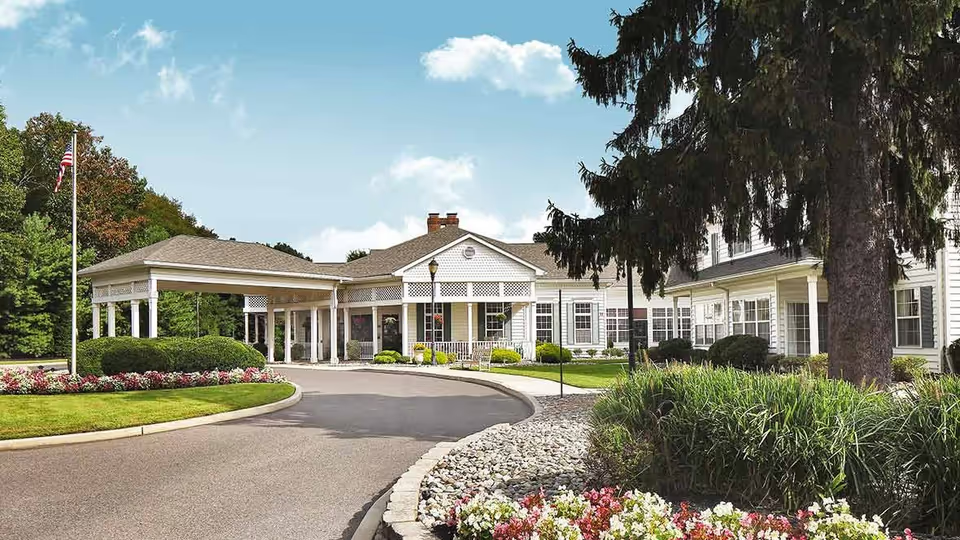
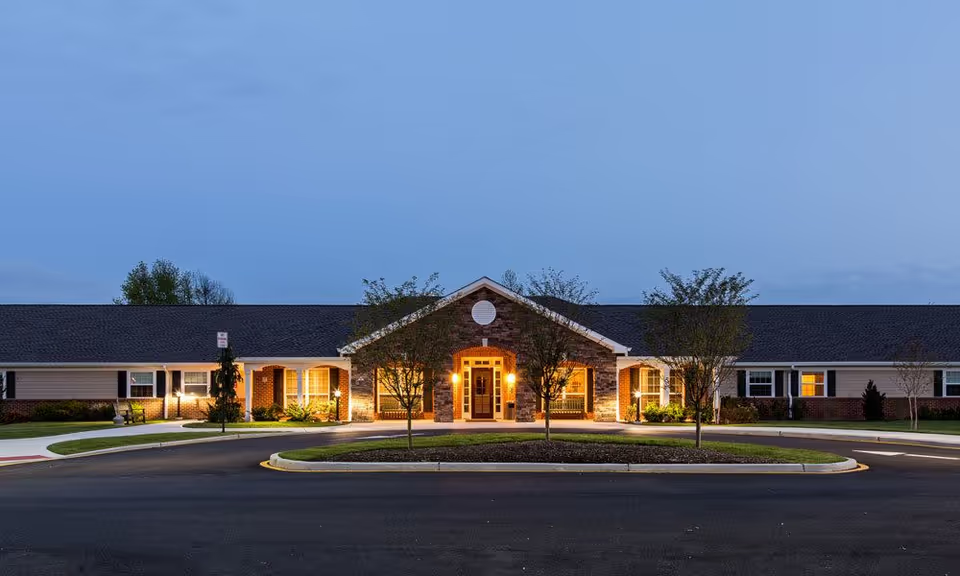
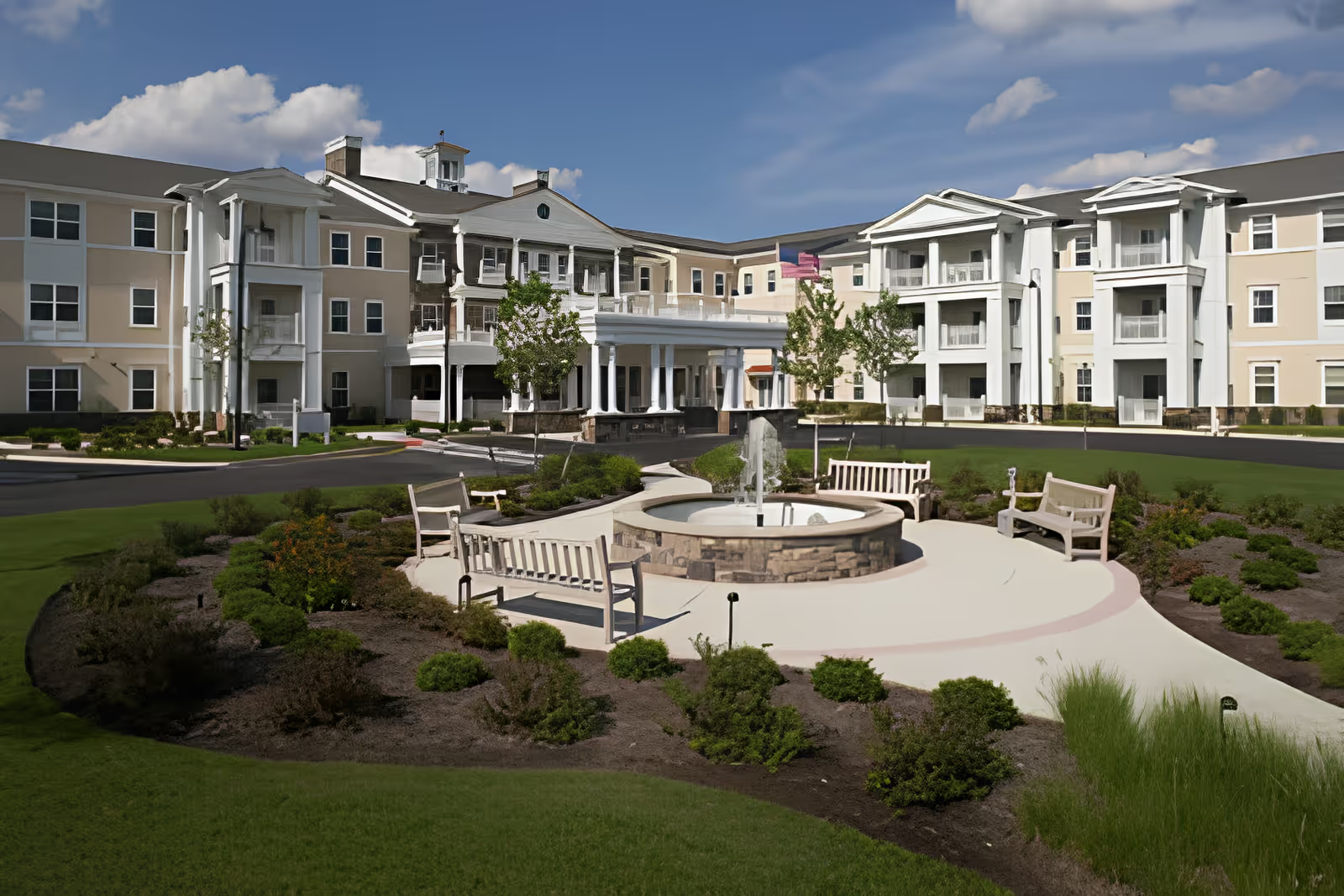
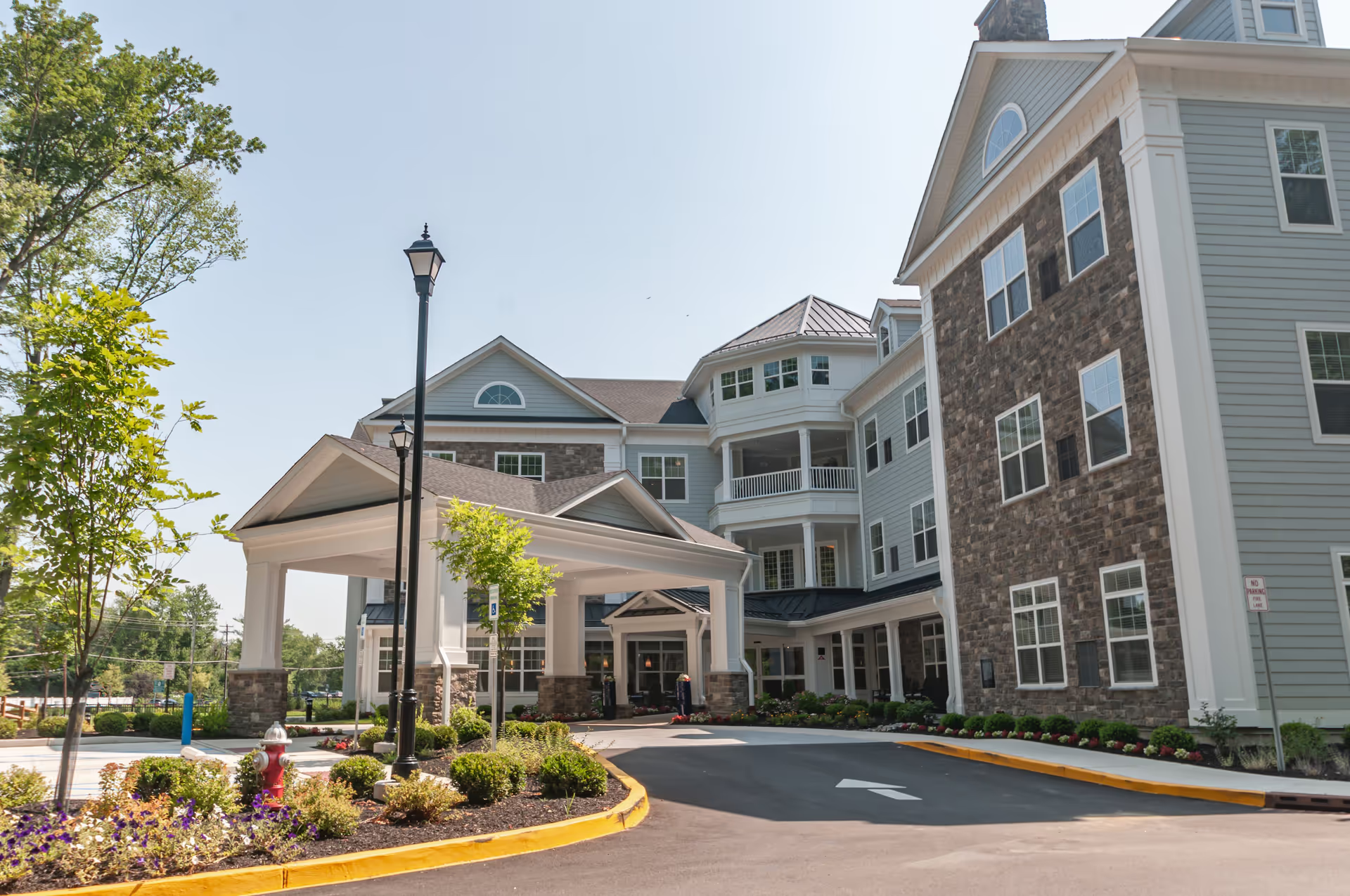
Facility operations and environment show marked inconsistencies. Several reviewers report well-kept, renovated units with prompt maintenance and clean common areas; others describe older rooms, infrastructure failures (nonfunctional call systems, lighting, TVs), sanitation concerns, and odor control problems in specific areas. Laundry and personal-property management are another recurrent issue, with reports of delayed or misplaced clothing and bedding. Meal quality and service also vary: while dietitians and some dining services receive praise, complaints include cold food, limited choices for picky eaters, and interruptions to timely meal delivery.
Safety, clinical oversight, and governance are additional areas of concern. There are recurring accounts of inadequate supervision of residents with cognitive impairment, fall-risk management gaps, and inconsistent physician involvement in care planning. Several families described shortcomings in end-of-life communication and critical-incident follow-up, along with frustrations about administrative responsiveness. Allegations related to billing, inventory control, and property security were raised and would merit attention by prospective families and regulators.
Overall, the facility appears to deliver high-quality rehabilitation and compassionate care in many cases, particularly where leadership and staffing are stable. At the same time, the reviews indicate significant variability by unit and shift, with operational weaknesses—staffing consistency, medication management, family communication, sanitation controls, and maintenance reliability—driving the negative experiences. Prospective residents and families should consider touring the facility at different times, asking specifically about current staffing ratios, medication-safety protocols, laundry/property processes, dementia supervision, and recent regulatory or inspection outcomes to assess whether the unit they are considering reflects the stronger or weaker patterns described in these reviews.