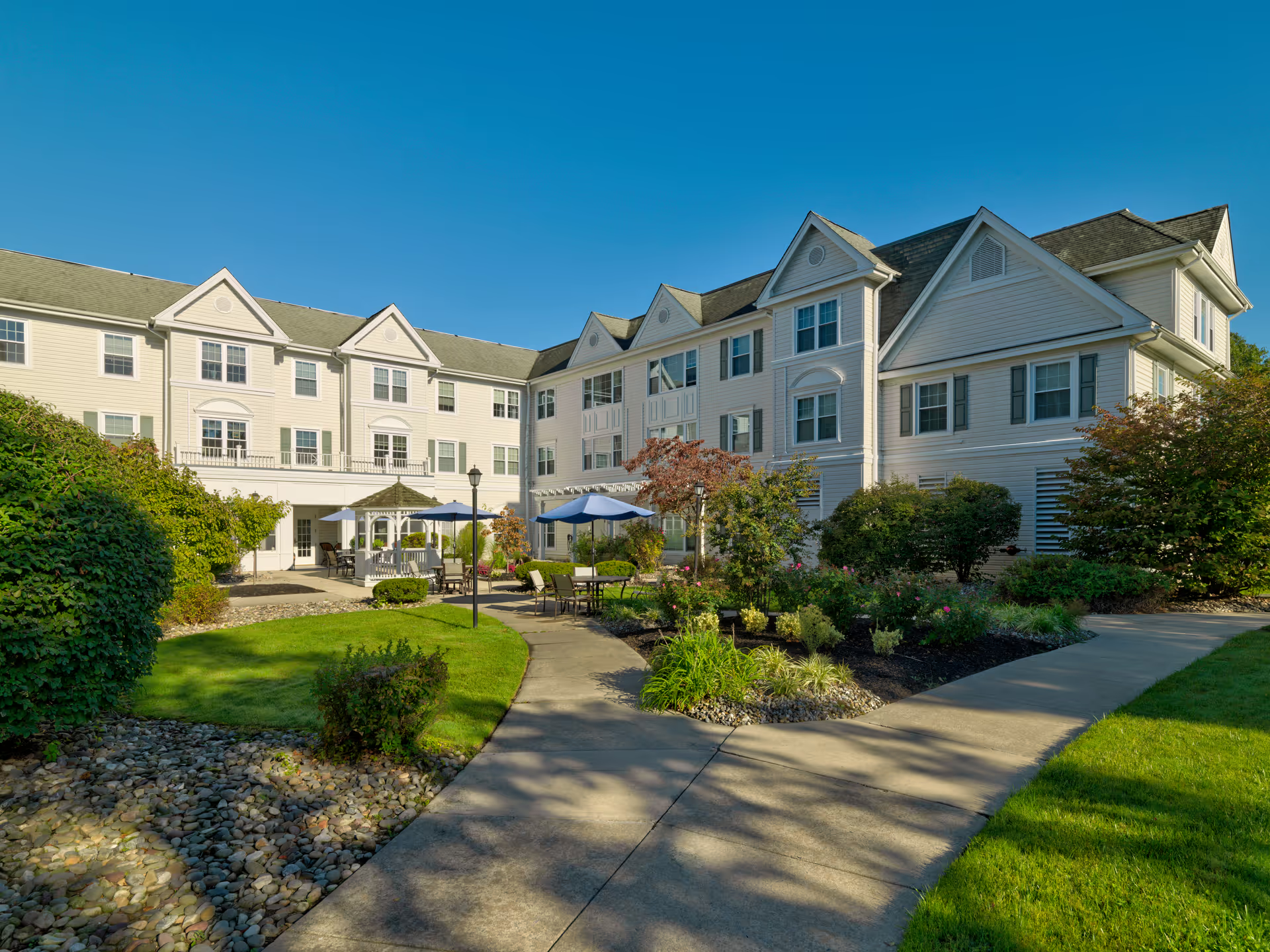
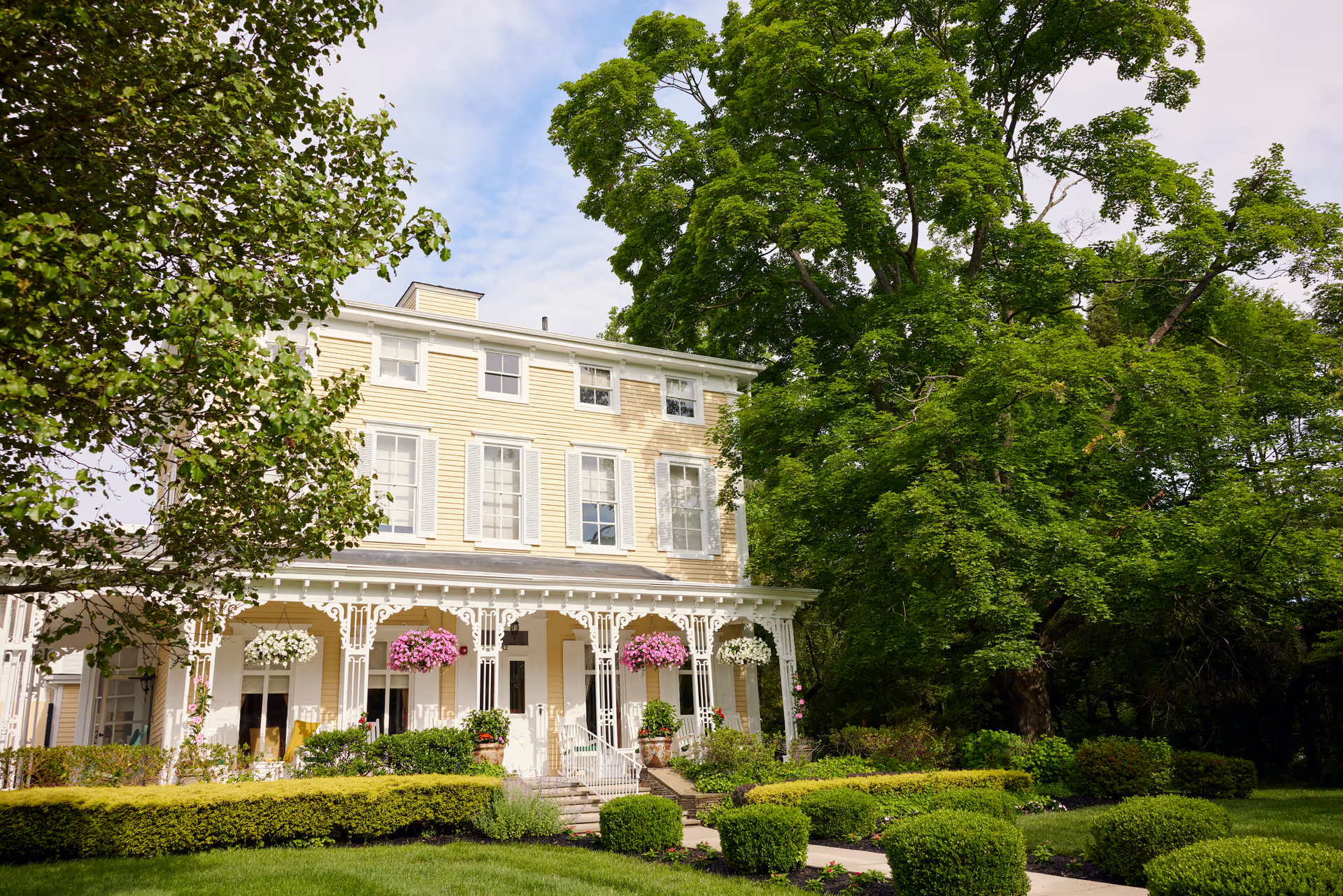
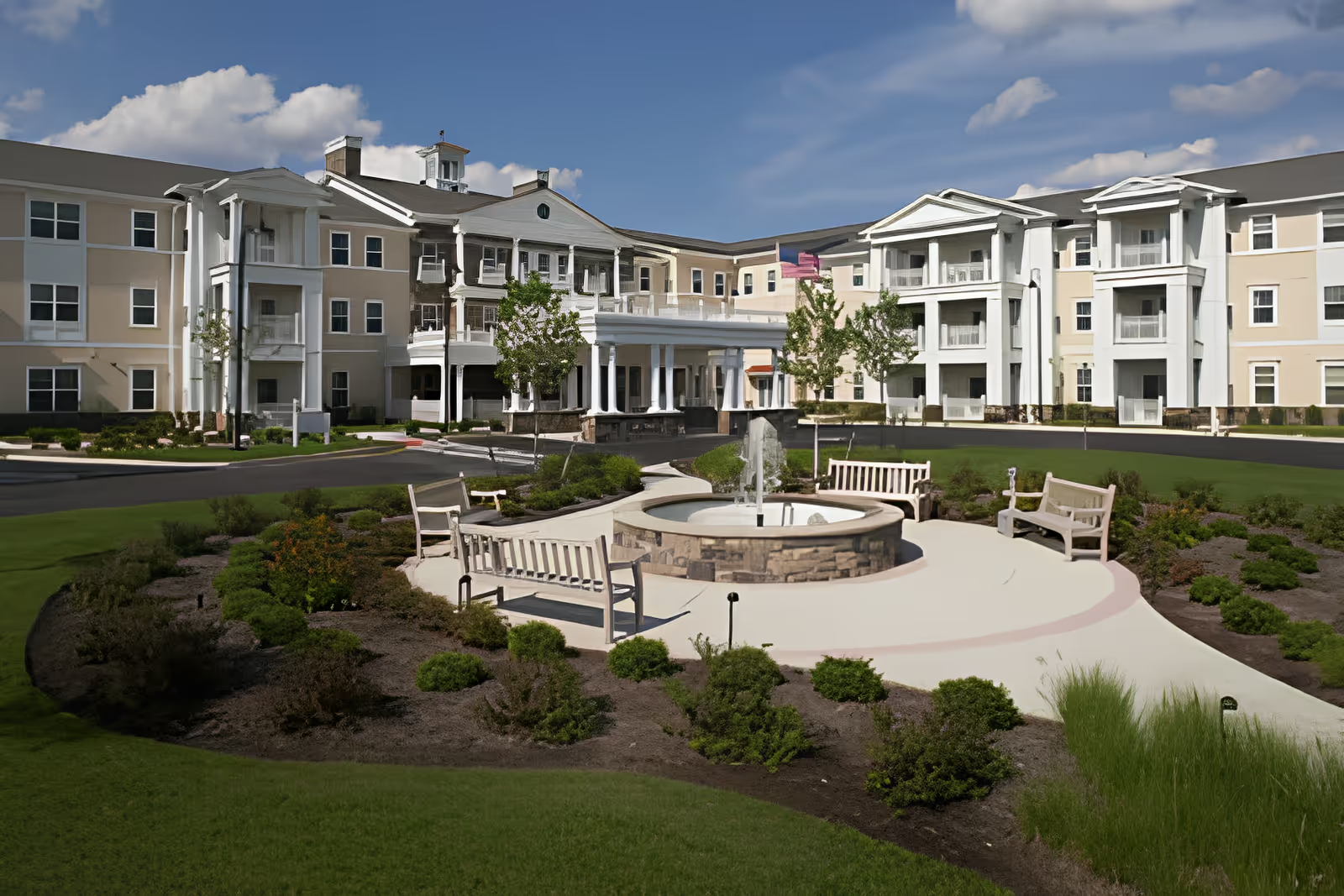
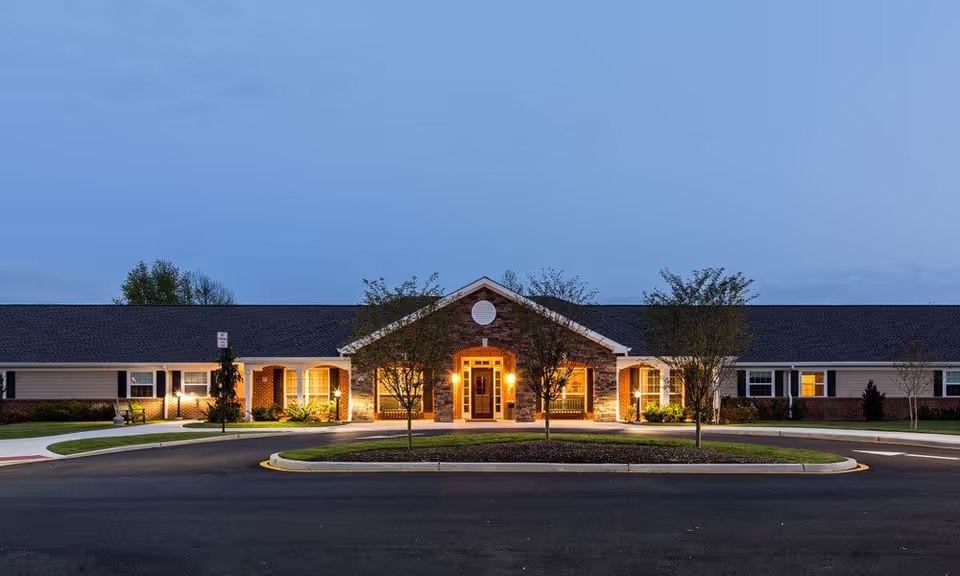
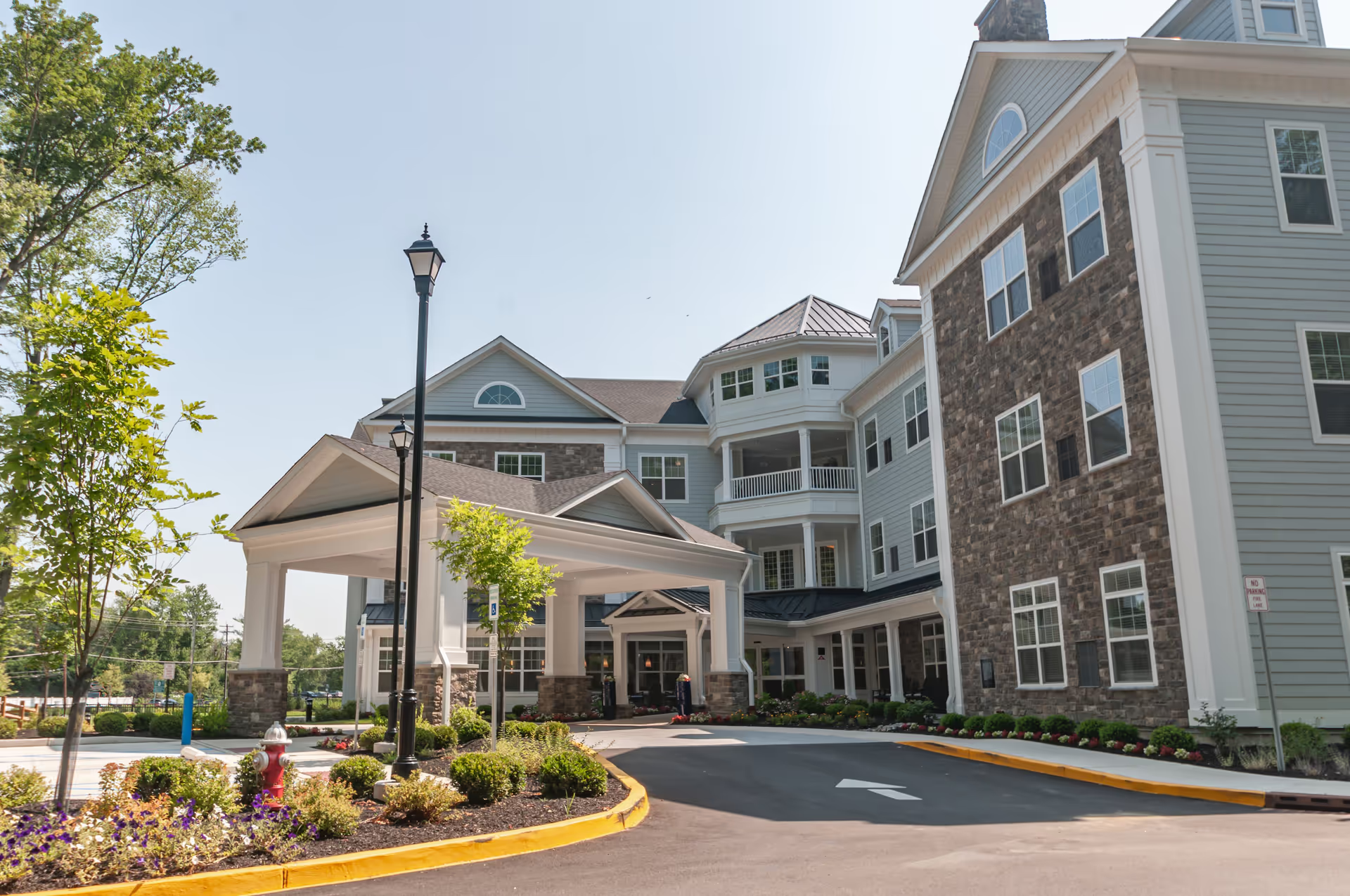
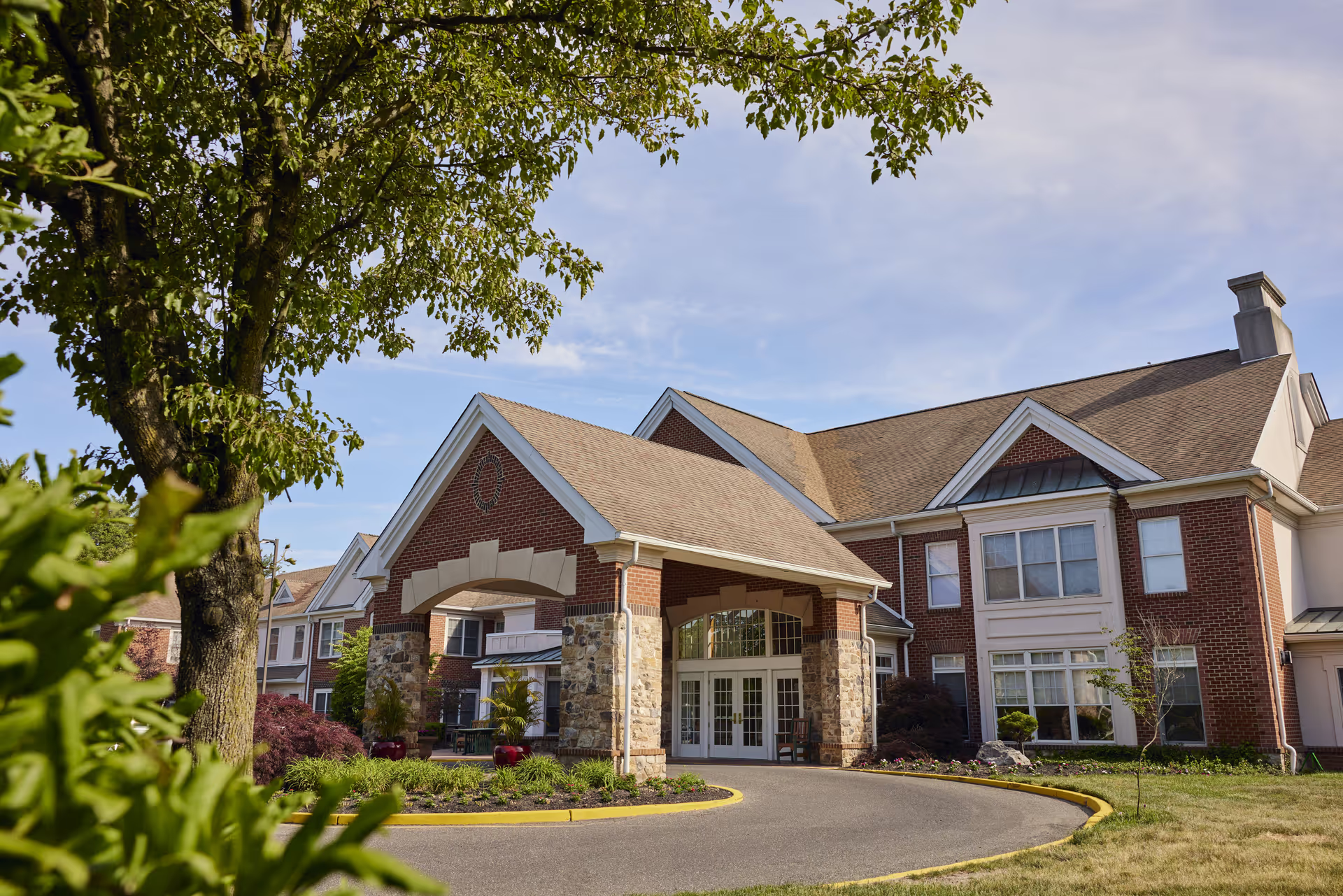
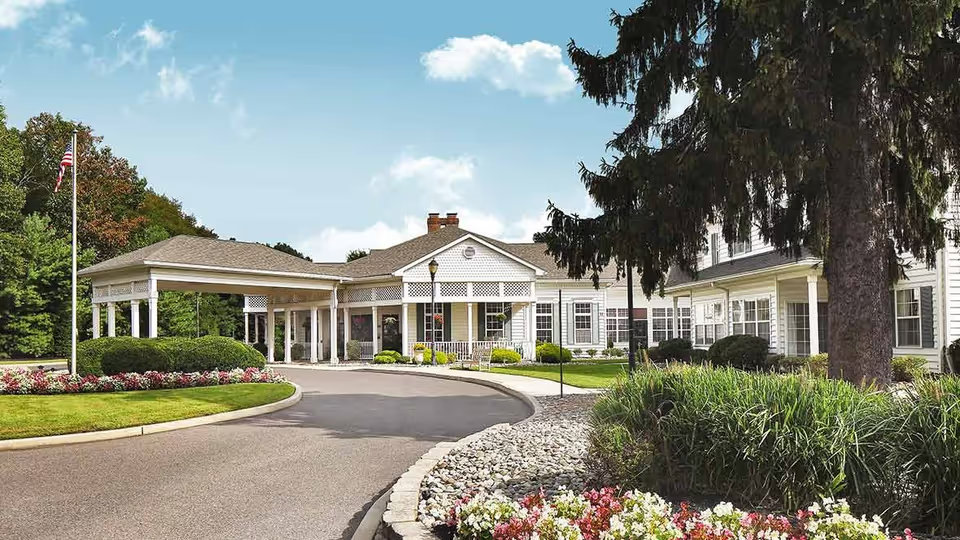
The Addison of Cherry Hill elicits a mixture of strong praise and significant operational concerns. Positively, reviewers commonly highlight an upscale, hotel-like physical environment with well-decorated public spaces, spacious apartment-style suites (many with walk-in closets and kitchenettes), and an extensive amenity set that includes a movie theater, fitness area, salon, courtyard features, and restaurant-style dining. The community offers on-site clinical resources such as nursing staff, weekly physician visits, hospice services, and rehabilitation/therapy, and many families cite helpful move-in coordination and concierge-style support that eased transitions.
Care and staffing present a mixed picture. Numerous accounts describe caring, attentive caregivers and nursing staff who provide compassionate support, regular medication management, and timely clinical attention in many cases. At the same time, a recurring operational theme is high staff turnover and periods of understaffing that correlate with delayed responses to call buttons, longer waits for assistance, and variable continuity of caregivers. There are also isolated but consequential concerns about clinical oversight and emergency responsiveness that prospective families should evaluate in person.
Dining and activities are generally strengths: the community offers restaurant-style dining, frequent menu changes, events, and a wide schedule of social, cultural, and therapeutic activities that many residents find engaging. However, reviewers also describe variability in food quality and service timeliness, and some report cutbacks or inconsistency in menu offerings. The activity program and communal life are often cited as major contributors to resident satisfaction.
Physical plant and memory-care environment are areas of divergence. Many reviewers praise bright, spacious common areas and well-maintained suites, while other accounts point to maintenance backlogs (delayed repairs, cosmetic neglect in some units), inconsistent cleanliness in certain areas, and navigation challenges in a large, converted-hotel layout. The memory-care unit attracts frequent criticism for dimly lit dining areas, limited outdoor shade, and color/lighting choices perceived as somber — factors that may affect residents with cognitive impairment.
Management, communication, and financial transparency are notable patterns to consider. Several families describe positive, proactive leadership and clear communication from care teams, while others describe frequent leadership turnover, slow front-desk responsiveness, outdated resident apps/documentation, and concerns about fee increases or inconsistently applied care-level charges. There are also serious allegations from some families regarding involuntary discharges and disputes over billing or access to records; these appear in a minority of accounts but are significant and warrant direct verification with administrative leadership and review of contractual/financial terms.
Recommendation: The Addison of Cherry Hill may be a strong fit for prospective residents who prioritize amenities, social programming, and an upscale living environment and who will benefit from on-site clinical and hospice resources. Families should tour the specific neighborhoods (assisted living vs. memory care), ask about current staffing ratios and turnover, observe meal service at peak times, inspect memory-care dining and outdoor spaces for daylight and shade, and review contract language on fees, level-of-care changes, and discharge policies. Verifying recent staffing metrics, maintenance response times, and examples of clinical incident follow-up from administration will help assess whether the community’s operational performance aligns with family expectations.