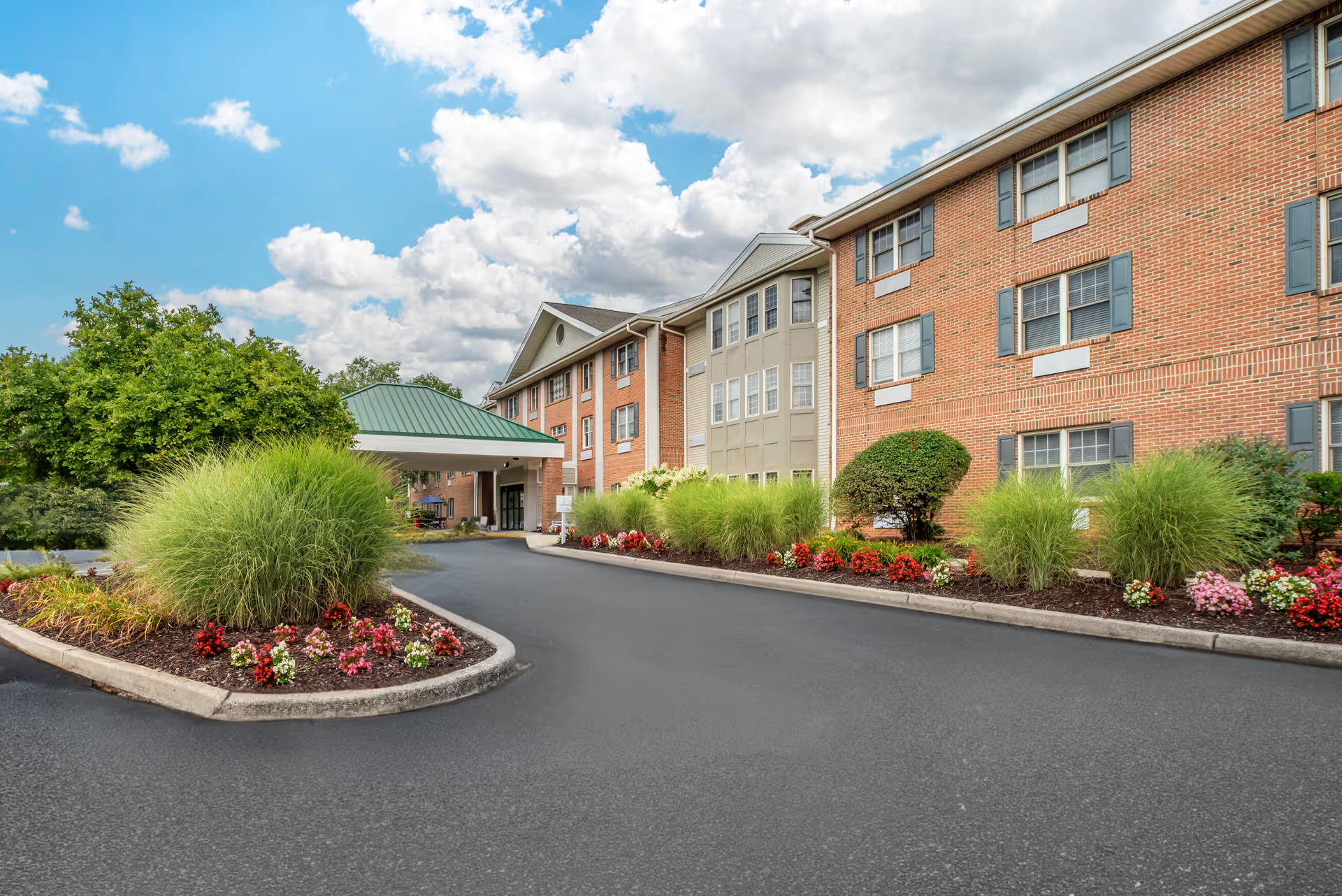
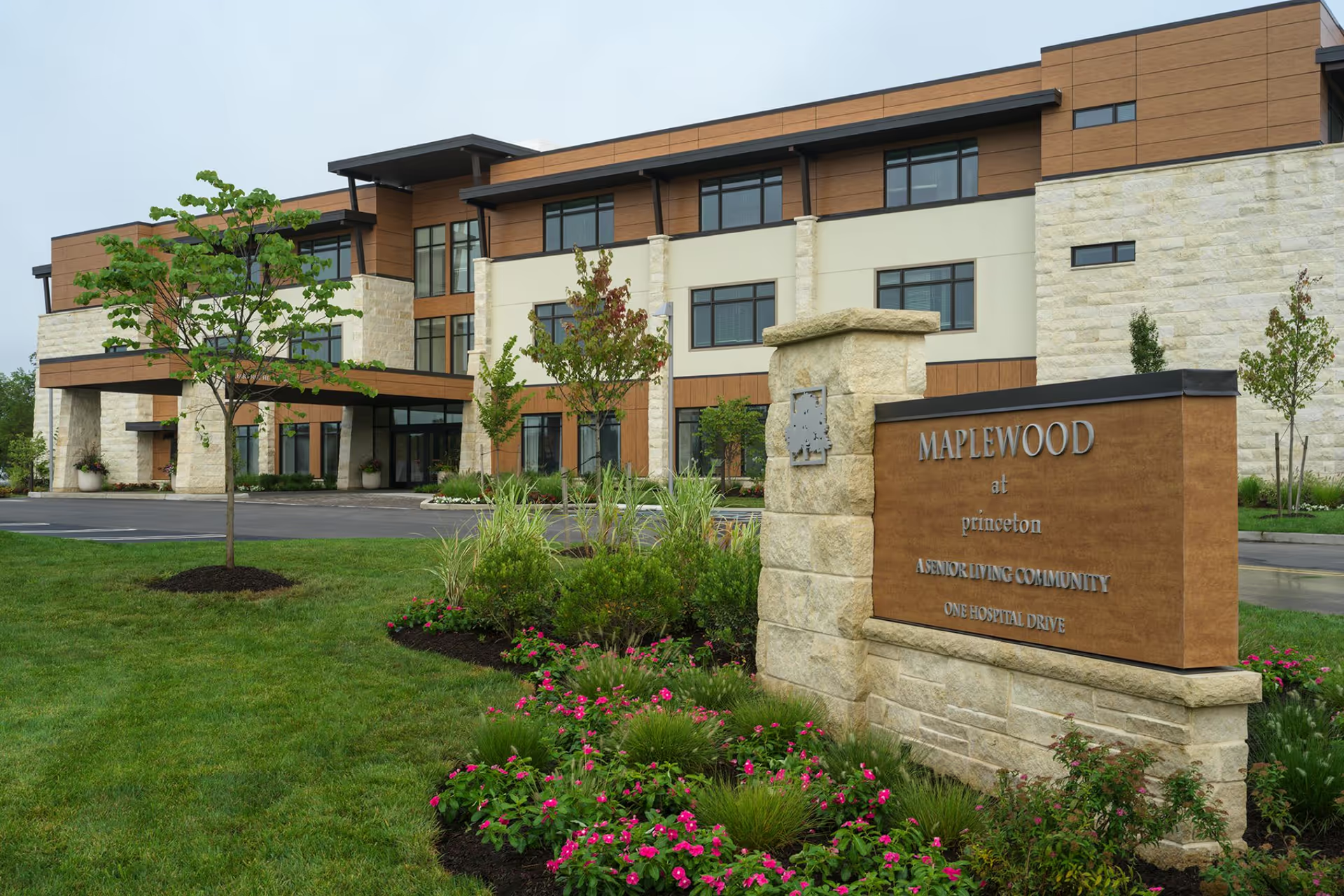
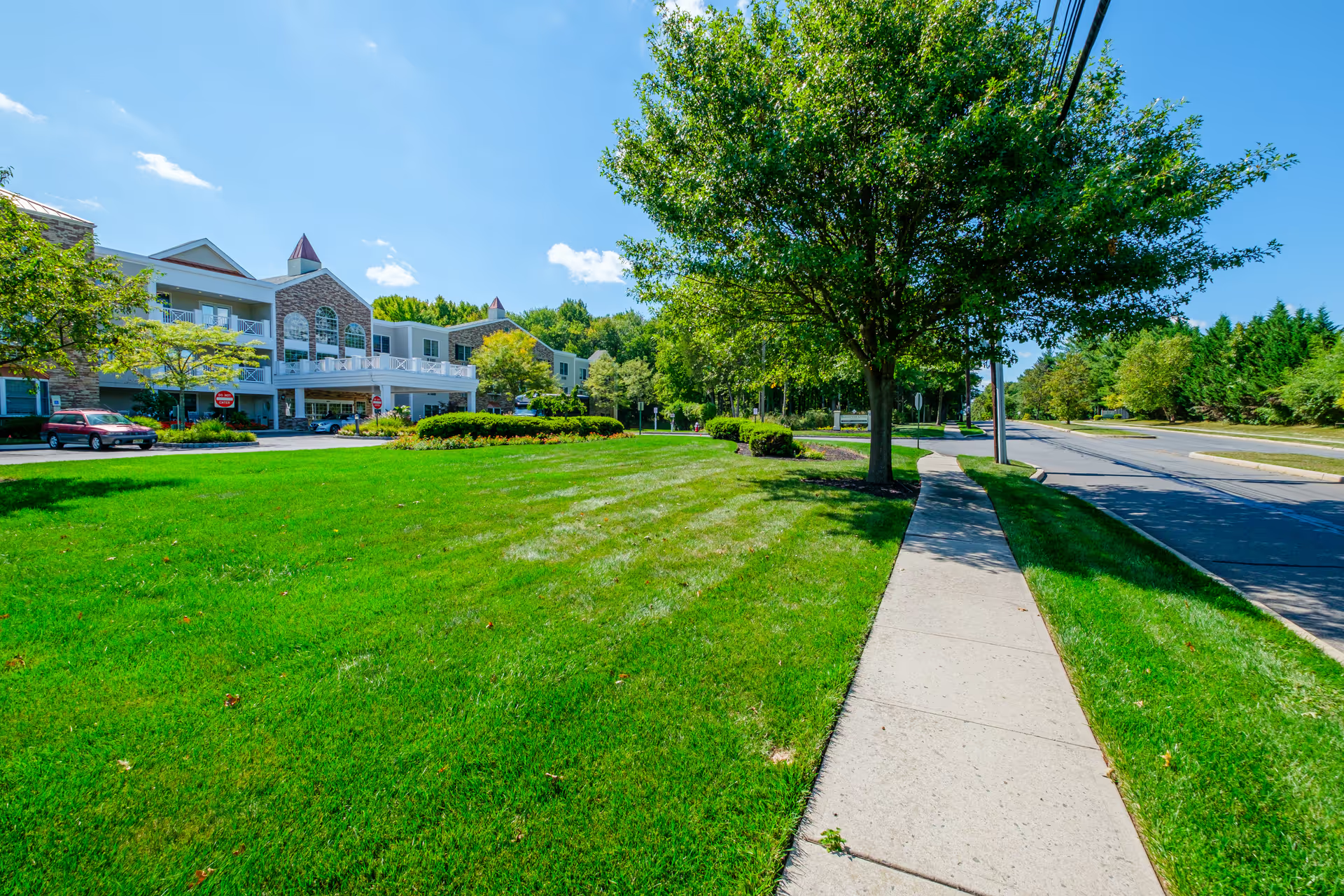
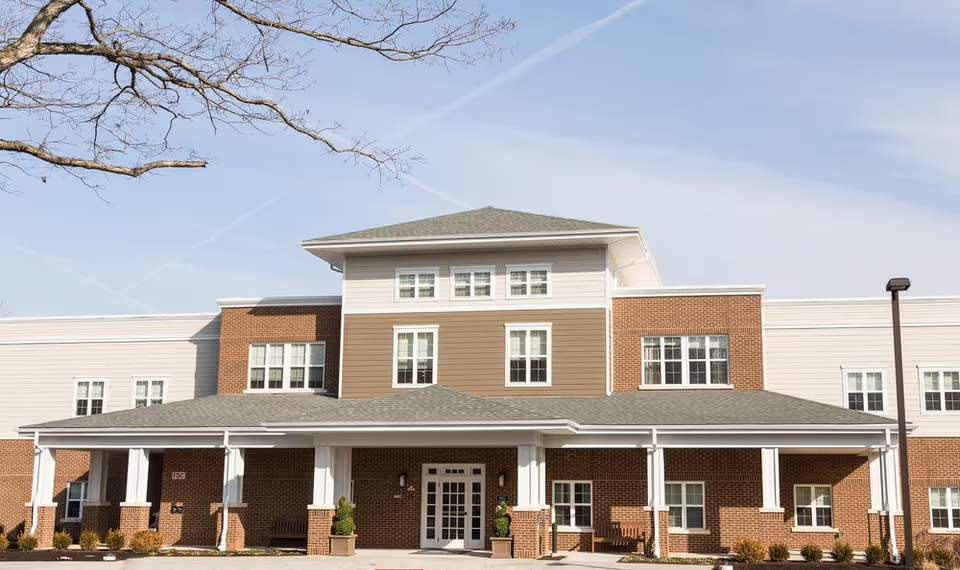
The Elms of Cranbury elicits strongly polarized experiences: many families and patients praise its rehabilitative strengths and individual caregivers, while others describe operational gaps that affect daily care. The facility’s physical and occupational therapy programs receive consistent commendation for intensity, skill, and measurable recovery outcomes; therapists and rehab units are repeatedly described as effective, organized, and instrumental in returning residents home. Several reviewers highlight specific staff members and social-work support who provided attentive discharge planning, family communication, and meaningful one-on-one care.
Clinical care and caregiving are described unevenly. Numerous accounts praise compassionate aides, engaged nurses, and long-tenured clinical staff who provide patient-centered interactions. At the same time, a pattern of inconsistent staffing — especially on nights and during shift changes — is associated with delayed responses to call lights, postponed assistance with toileting and hygiene, and missed or delayed medication administration. These operational inconsistencies translate into family concerns about safety, timely symptom control, and adherence to documented care plans.
Dining and daily living services show mixed performance. The facility’s dining room and event programming are often noted as pleasant and community-oriented, with well-executed social events and attractive grounds enhancing quality of life. However, meal quality and service timing are frequently criticized: reviewers mention cold or poorly executed meals, limited dietetic responsiveness (for example, special-diet options), and gaps in snack/fluids availability. Activity offerings are generally appreciated, though some families describe limited engagement for very short stays.
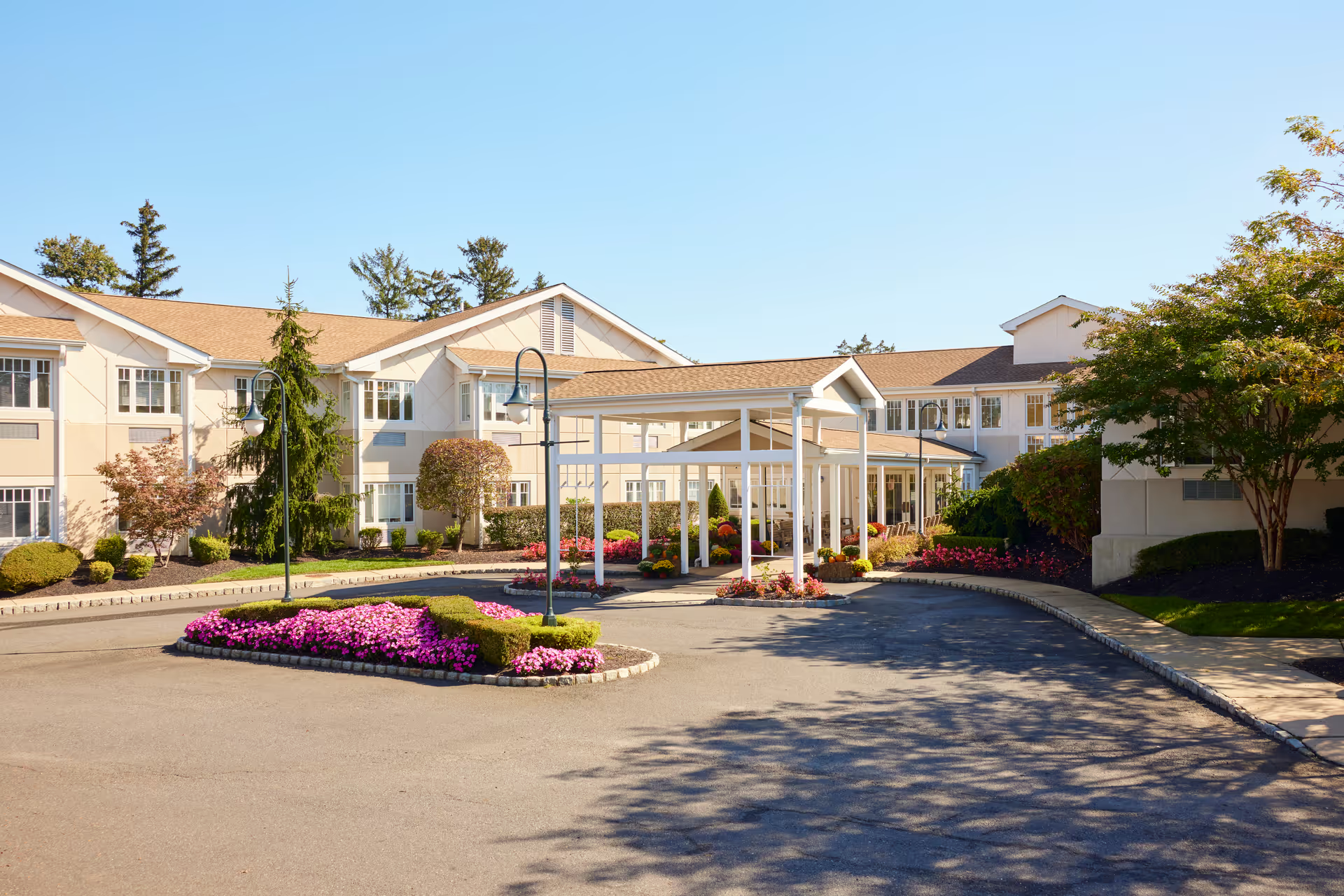
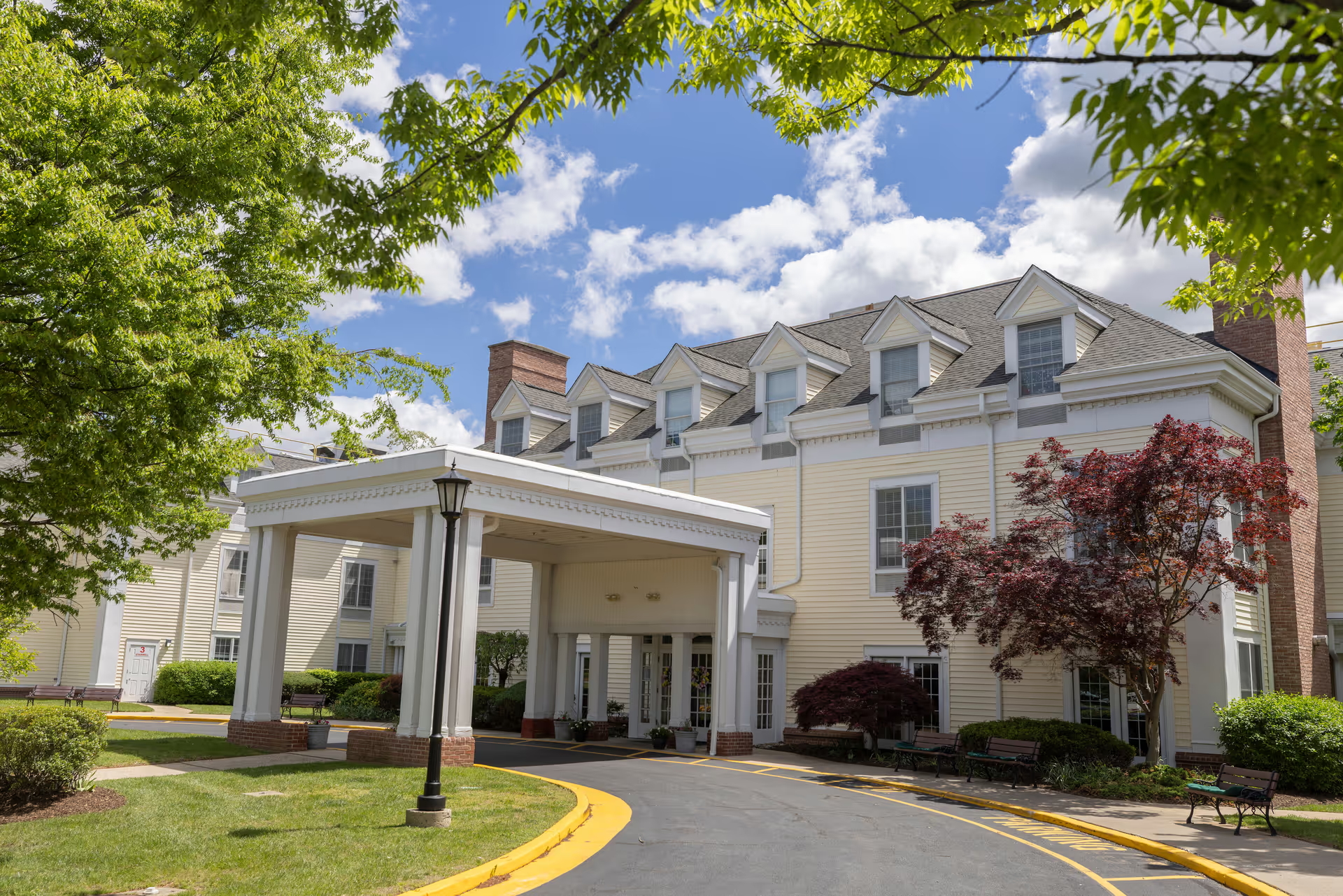
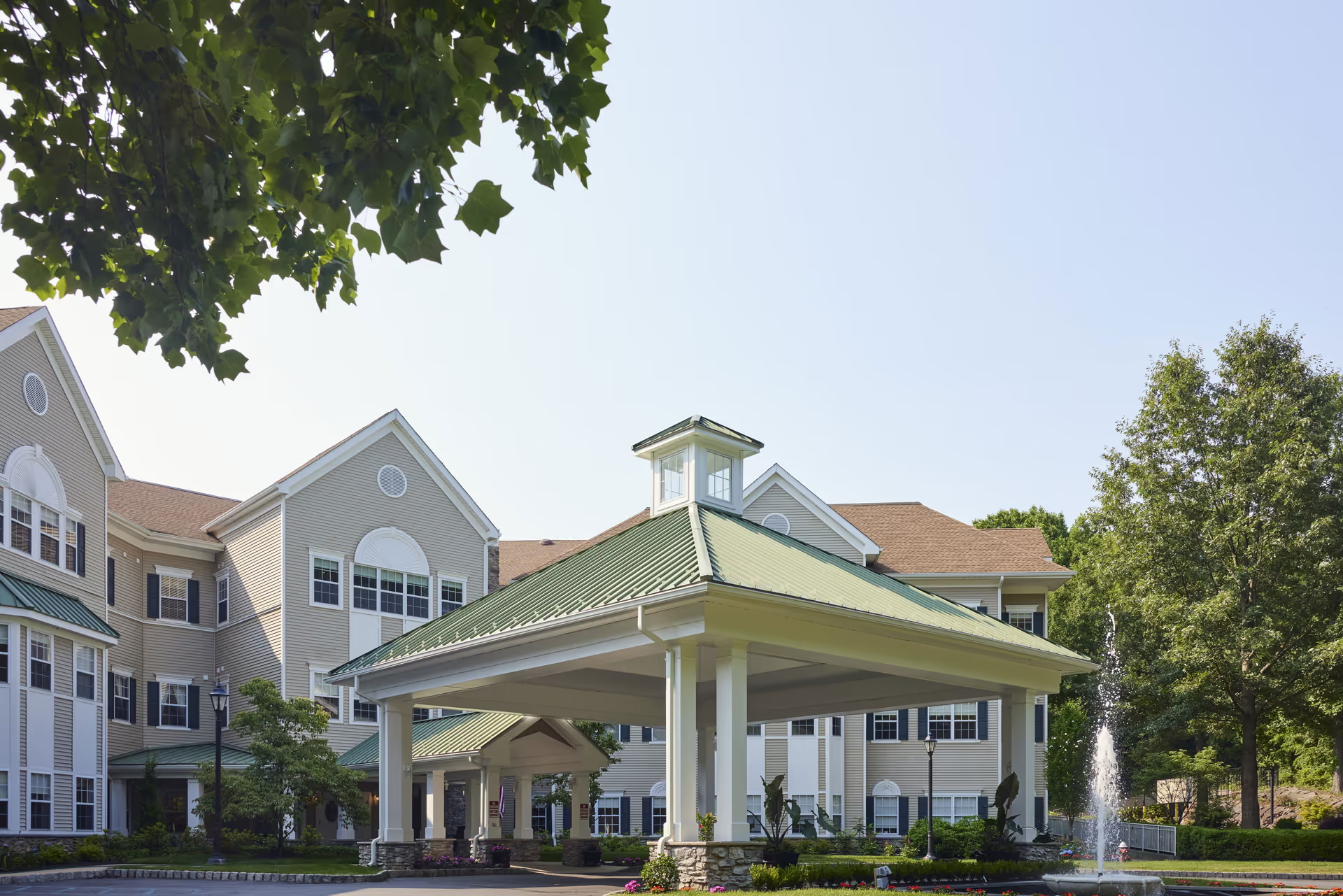
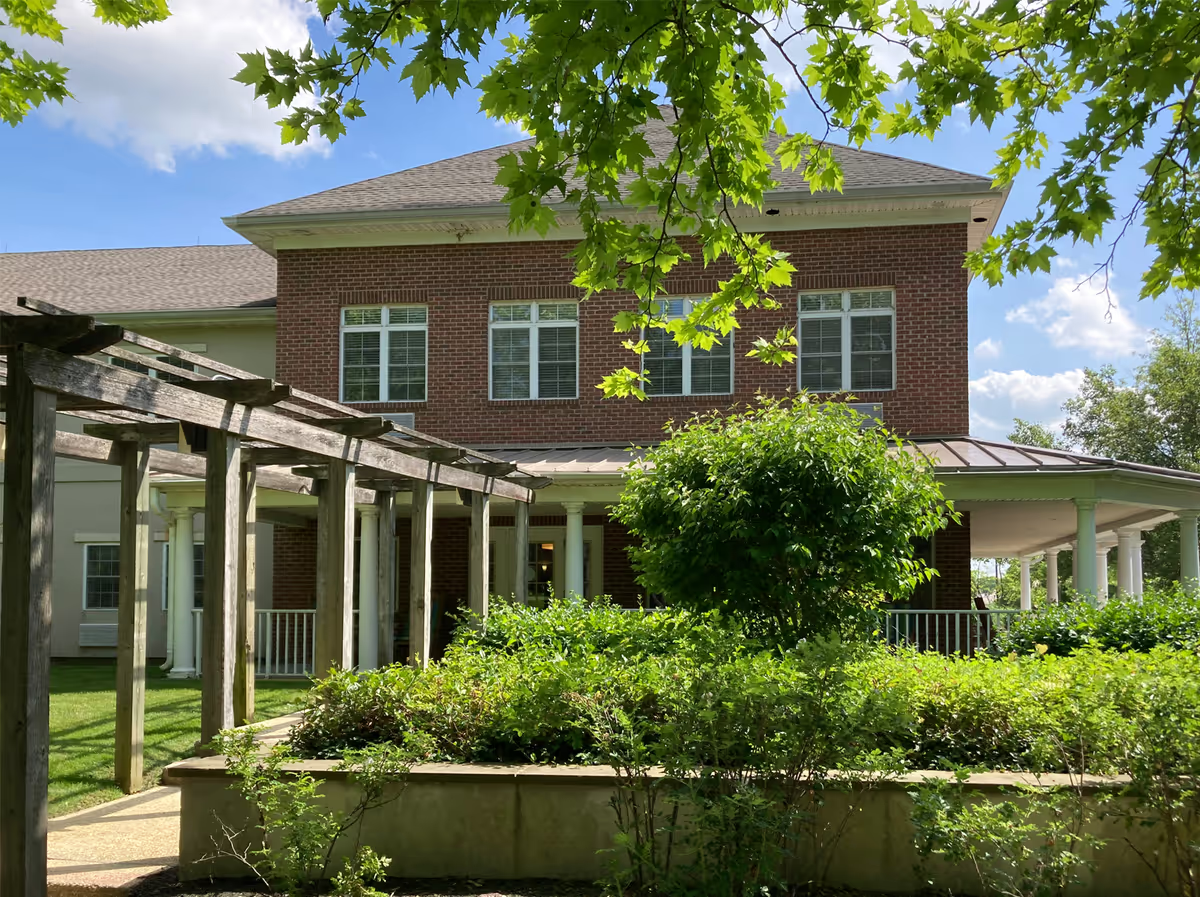
Facility condition and sanitation reports are variable. Many reviewers describe clean, well-kept rooms, attractive common areas, and a tidy therapy unit. Conversely, there are accounts indicating sanitation concerns and maintenance oversights in specific units or shifts. These inconsistencies suggest that environmental quality may fluctuate depending on staffing and supervisory coverage.
Management and administration receive both praise and critique. Some families credit recent administrative responsiveness, proactive leadership, and helpful admission/discharge coordination. Others raise concerns about billing responsiveness, property-handling procedures, and what they perceive as shifting operational priorities under ownership changes. Communication gaps between clinical teams and families — particularly around care planning, medication issues, and transfer decisions — are a recurring theme. Serious individual claims, including allegations of theft and involvement of external authorities, appear in the dataset and warrant attention; these are discrete but consequential items that families and regulators would likely want investigated further.
Overall pattern: short-term rehabilitation stays tend to generate more positive feedback focused on therapy outcomes and attentive therapists, while longer-term or overnight shifts show more variability in basic-care reliability and responsiveness. Prospective residents and families should weigh the facility’s strong rehabilitative reputation and some highly regarded staff members against documented operational weaknesses such as staffing consistency, medication controls, meal-service reliability, and variable sanitation practices. Active family advocacy, clear care-plan documentation, and direct communication with administration are advisable steps for those considering placement. If safety- or property-related concerns arise, families should document incidents and consider contacting appropriate oversight bodies for follow-up.