CareOne at East Brunswick elicits strongly polarized experiences. Its rehabilitation services are a consistent strength: physical and occupational therapy staff are repeatedly described as skilled, engaged, and effective at restoring mobility and independence. Families frequently credit therapy teams with measurable functional improvements. In parallel, several clinical interventions (for example, IV antibiotic administration) and hospice support have been described as timely and professionally handled.
Despite the strong therapy reputation, reviewers describe inconsistent nursing and direct-care performance. Positive accounts note compassionate and attentive nurses and aides; however, other accounts cite slow response times to call bells, delayed medication administration, gaps in documentation, and uneven wound- and infection-control follow-up. Staffing variability is a recurrent theme — night and weekend coverage is often reported as thinner and slower to respond — and this appears to contribute to delays in routine care and supervision. Multiple descriptions indicate problems with transfer technique and fall-prevention practices, suggesting a need for more consistent safety protocols.
Dining and dietary management are variable. Some families praise homestyle meals and responsive kitchen staff, including improvements after feedback. Conversely, other accounts describe cold or nutritionally inappropriate meals and failures to accommodate special diets (kosher, diabetic, texture-modified), and occasional problems with meal delivery timing or placement. Activity programming and social engagement are commonly described as robust, with a range of recreational options and social services that some families find comforting and supportive.
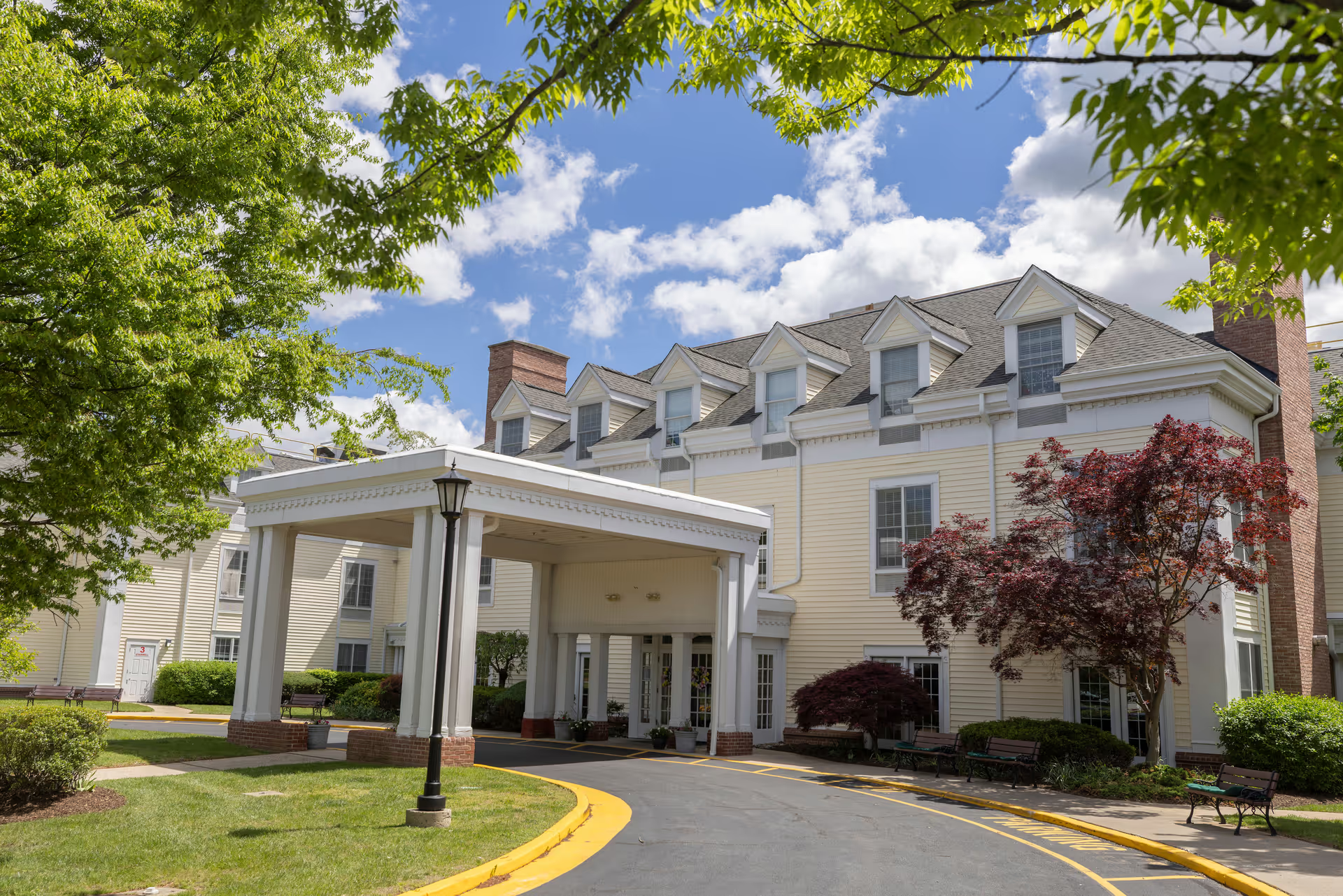
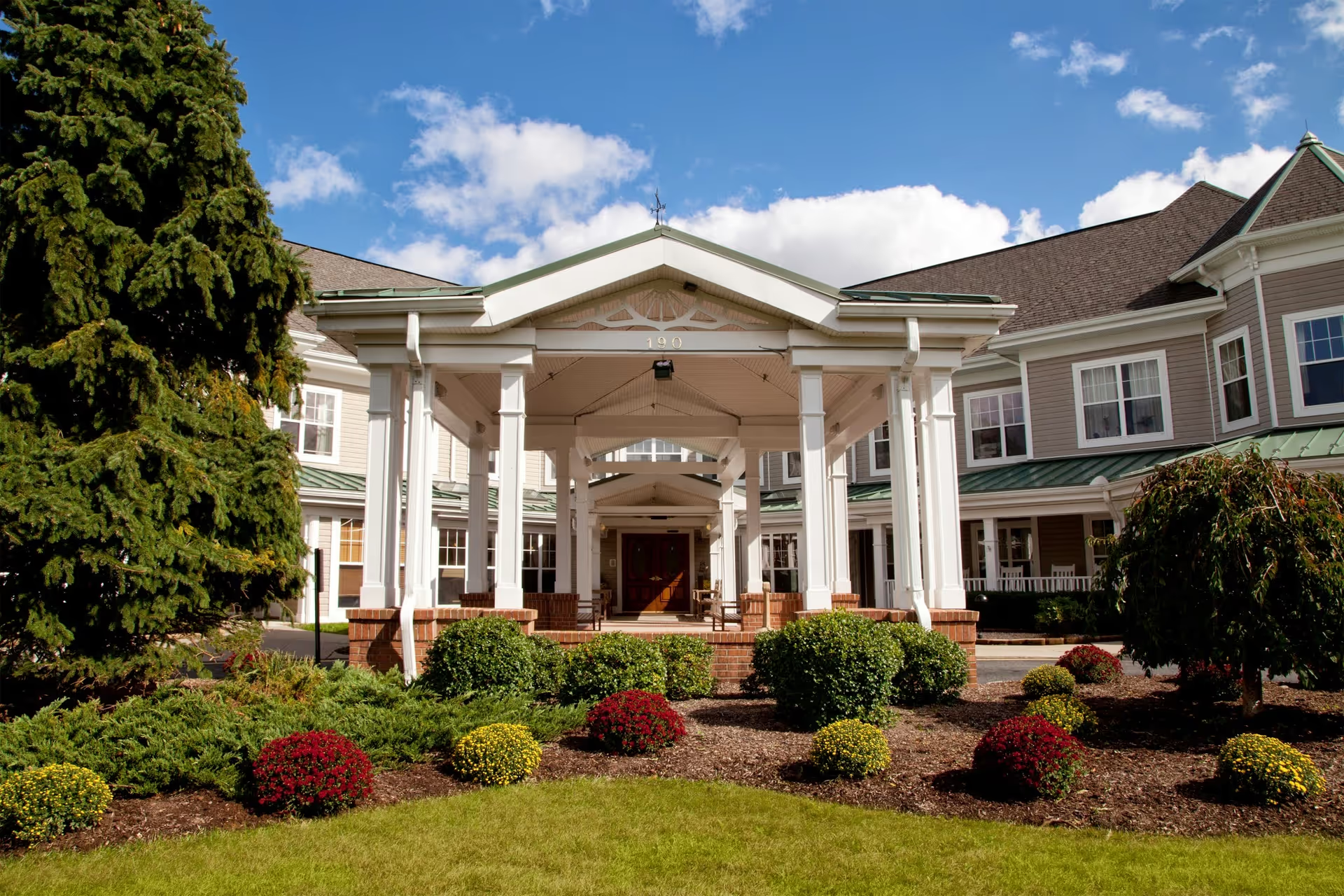
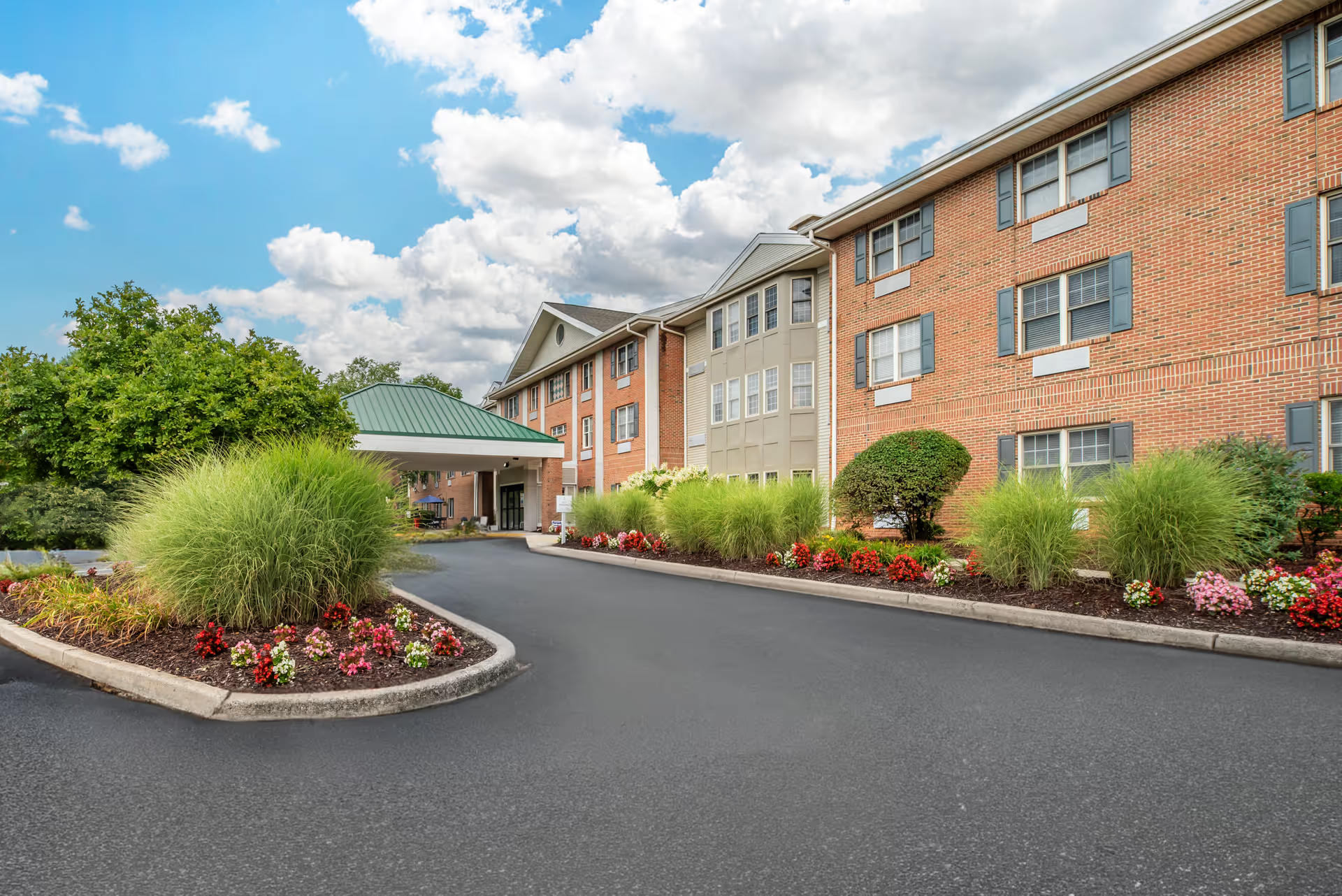
Facility condition and support services show a mixed picture. Several reviewers describe renovated, hotel-like dining and therapy areas, clean rooms, and prompt maintenance responses. At the same time, there are recurring sanitation and housekeeping concerns in particular units, inconsistent laundry handling, and occasional pest-control or odor concerns. Property-management issues — missing or mishandled belongings and related financial/property concerns — are mentioned often enough that prospective families should ask about inventory and tracking policies. Language barriers and inconsistent translation support are also reported to have interfered with care planning and family communication in some cases.
Management and oversight impressions vary. Some comments indicate active, responsive leaders and noticeable improvement under new management; others point to weak floor supervision, poor inter-shift communication, and insufficient social-worker follow-up. A small number of accounts reference escalations to external authorities and serious allegations regarding property loss and clinical oversight; these are serious individual claims and should prompt direct inquiry during any evaluation.
Notable patterns for prospective residents and families: the facility is often highly effective for focused rehabilitation and benefits from strong therapy resources and some committed clinical staff. Conversely, operational consistency is uneven — particularly around staffing at night/weekends, medication administration, hygiene/sanitation practices, communication with families, dietary accommodation, and belongings management. When considering this facility, families should ask specific, verifiable questions about staffing ratios by shift, medication reconciliation and administration protocols, infection-control and wound-care processes, laundry/property handling procedures, available translator services, and how dietary needs are accommodated. A visit during both daytime and evening hours and direct discussions with therapy, nursing leadership, and admissions/social work can help clarify how well the facility’s strengths align with a particular resident’s needs.