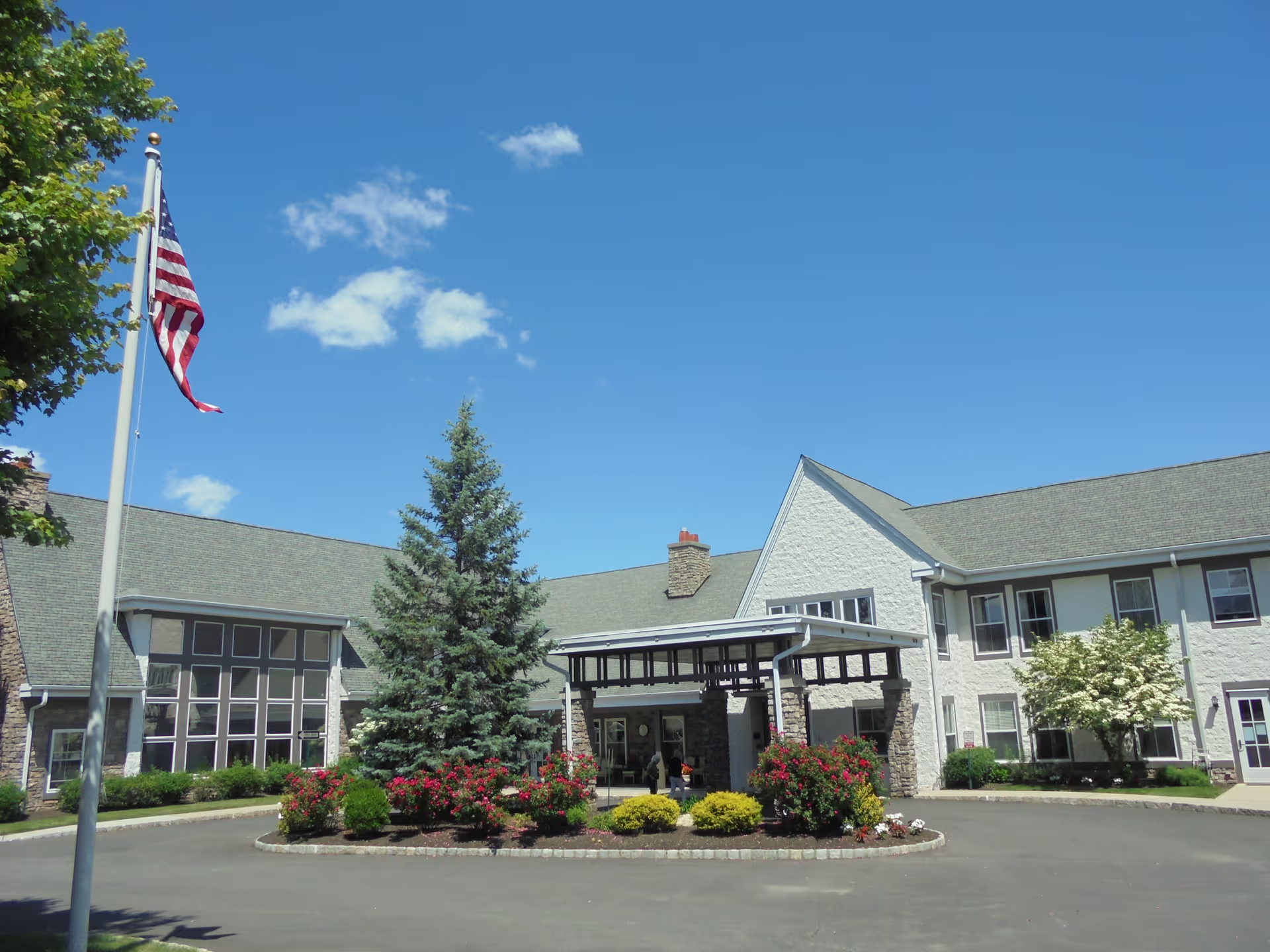
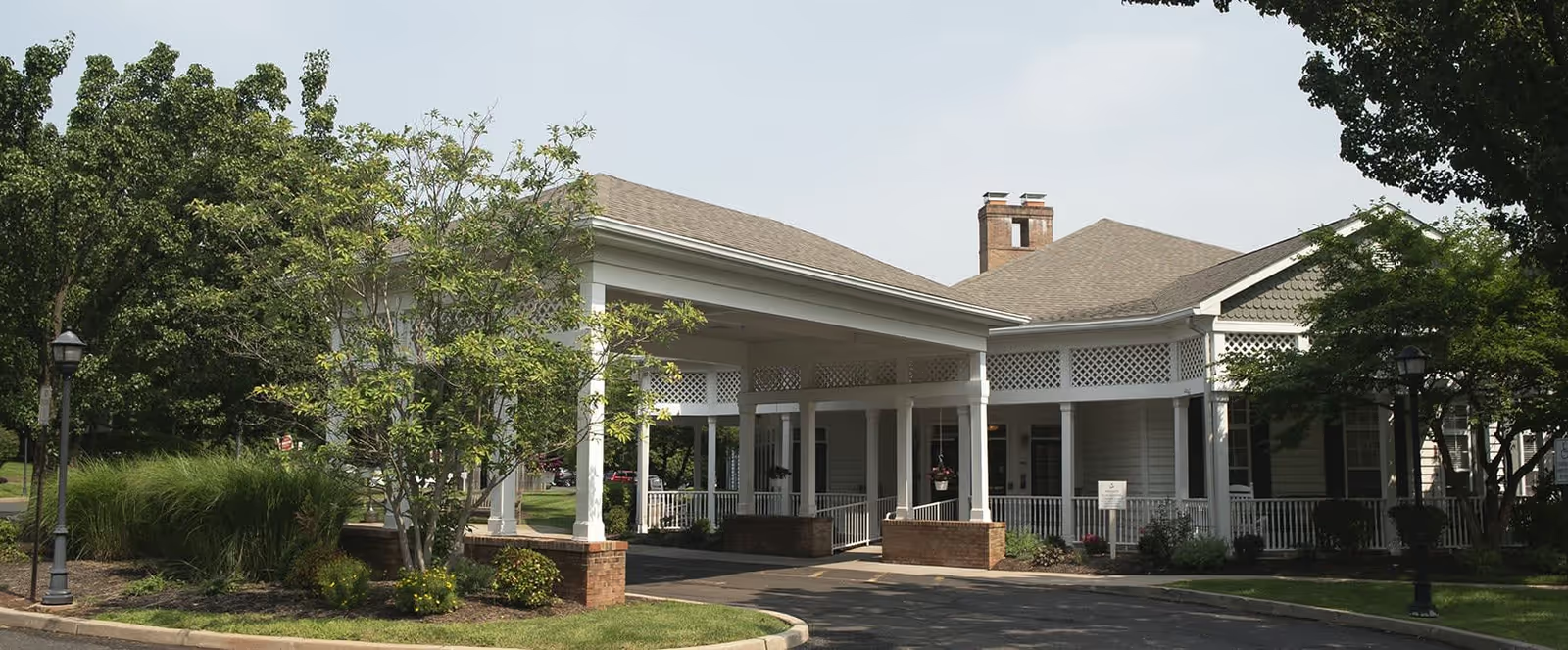
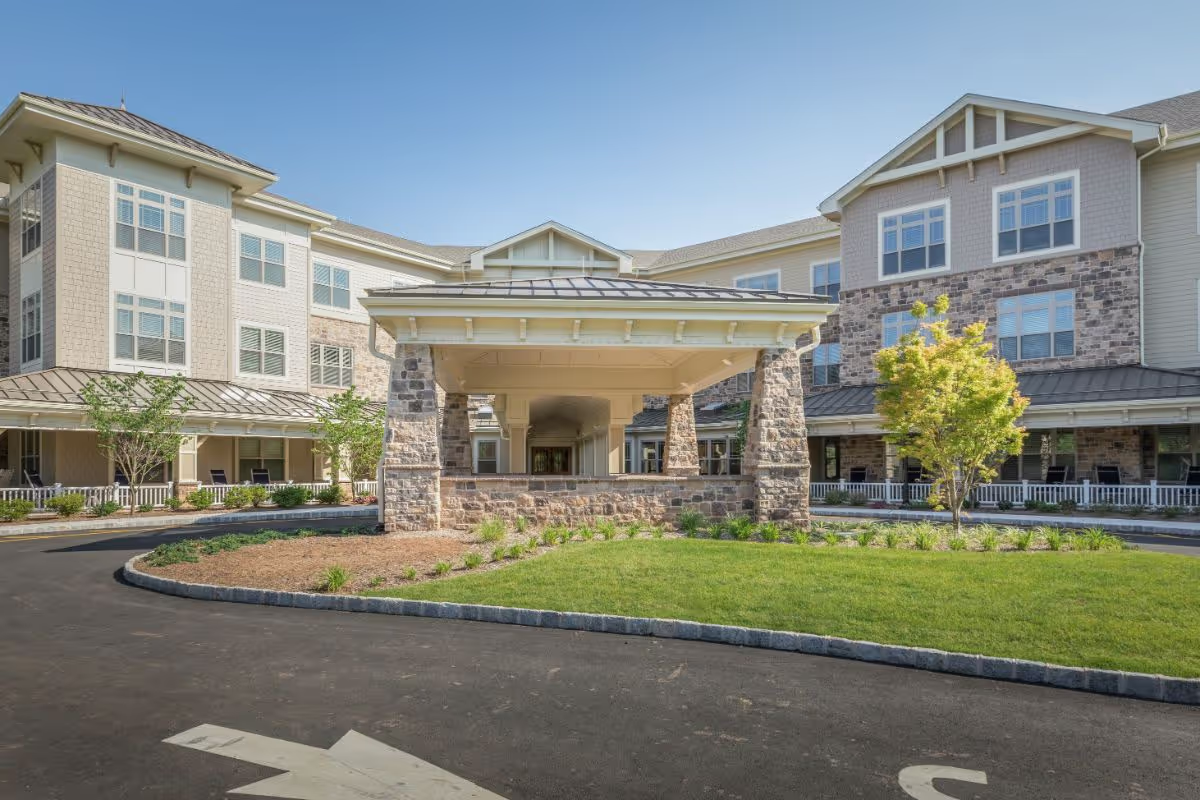
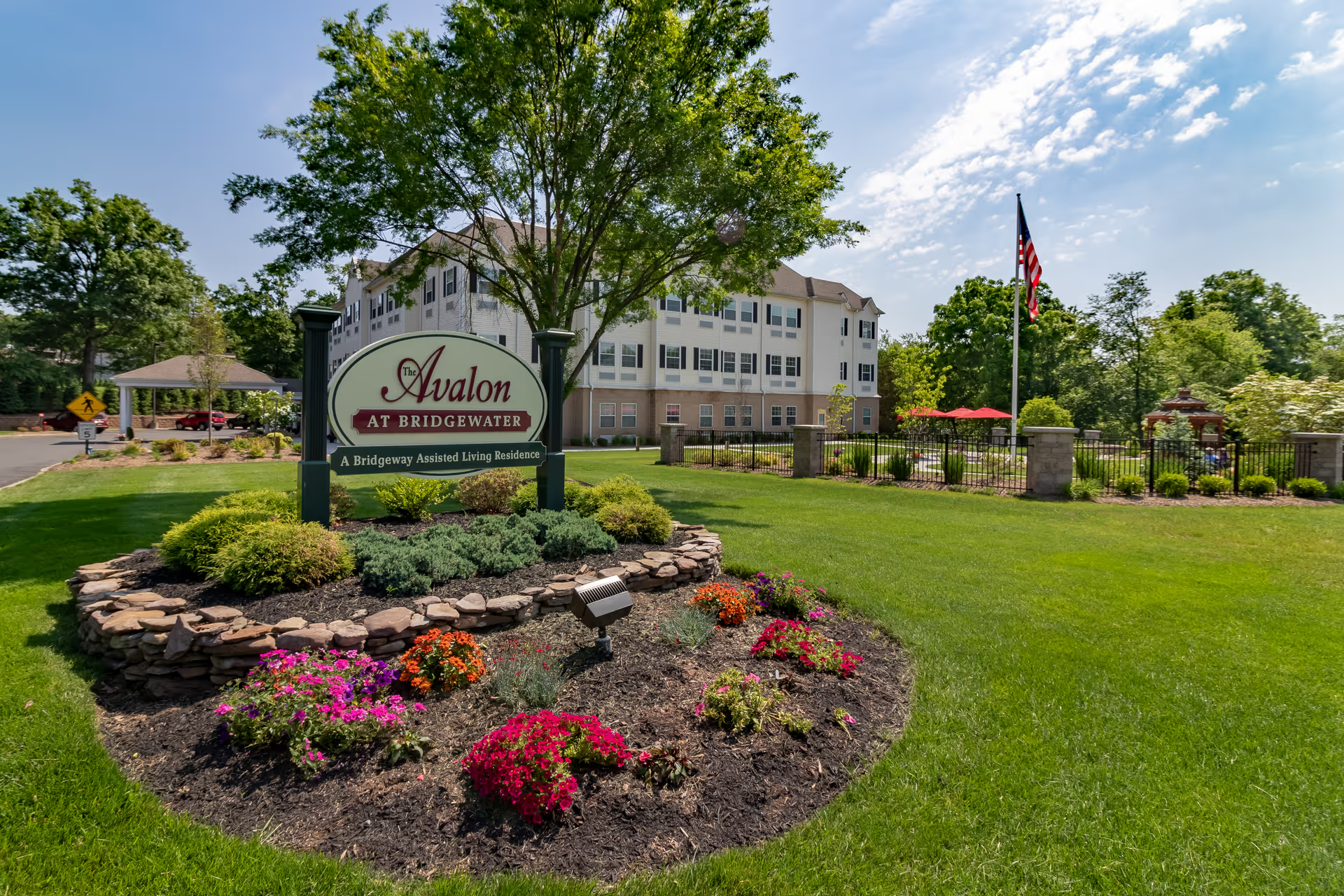
Hunterdon Care Center elicits strongly mixed but consistent themes: many families and patients describe compassionate caregiving, especially within nursing, rehabilitation, and therapy services, while a distinct set of operational weaknesses recurs across accounts. The facility receives frequent praise for its rehabilitation program — physical and occupational therapy staff, structured exercise plans, and daily oversight by rehab leadership are often singled out as effective and patient-centered. Housekeeping and common areas are commonly described as clean, bright, and welcoming; private rooms, large dining rooms, and on-site amenities such as a salon, small store, and patio are noted strengths that support resident comfort and social engagement.
Activities and social programming are another clear positive. The center offers a broad schedule (bingo, arts and crafts, trivia, gardening, movies, church services and game nights) that families find engaging. Many reviewers describe residents feeling like part of a community; pet visits and family-friendly visiting practices further contribute to a home-like atmosphere.
At the same time, recurring operational concerns temper those positives. Staffing levels and consistency appear to be a central issue: reviewers describe periods of chronic understaffing and variable responsiveness, with impacts on call-response times, assistance during meals, and overall continuity of care. Closely related are accounts of variable staff professionalism and occasional language barriers that impede clear communication with residents and families. Several reviewers report communication breakdowns between the center and hospitals or outside providers, and there are multiple accounts of medication- and prescription-transfer inconsistencies — indicators of gaps in clinical coordination and handoff processes.
Facility maintenance and infection-control practices also show variability. While many describe clean and well-kept areas, others note deferred cosmetic upkeep, maintenance requests not addressed promptly, and sanitation or infection-control inconsistencies. Personal-item management and security controls emerge as operational weaknesses: loss or misplacement of valuables and at least one serious privacy concern about records handling were raised. Discharge planning and safety processes present another pattern of concern, with reviewers describing lapses in ensuring safe transitions and follow-up, including environmental-safety oversights.
Dining quality and dietary accommodation receive mixed feedback: some reviewers praise balanced meals and accommodating kitchen staff, while others cite inconsistent meal quality, restrictive menu options for certain diets, and occasional errors with dietary restrictions. Management-level impressions are similarly bifurcated. Several families praise administrators who engage with families, arrange transportation, and are attentive to concerns; other accounts point to slow or ineffective responses on specific operational issues, uneven front-desk communication, and lapses in documentation practices.
Overall, prospective residents and families can expect strong rehabilitation services, an active activities program, on-site amenities, and many compassionate staff members. Those considering the facility should assess staffing levels and continuity for the specific unit or wing they are evaluating, confirm medication- and discharge-handling protocols, discuss maintenance response expectations, and inquire about personal-item tracking and privacy safeguards to ensure the facility’s operational strengths align with their clinical and safety needs.