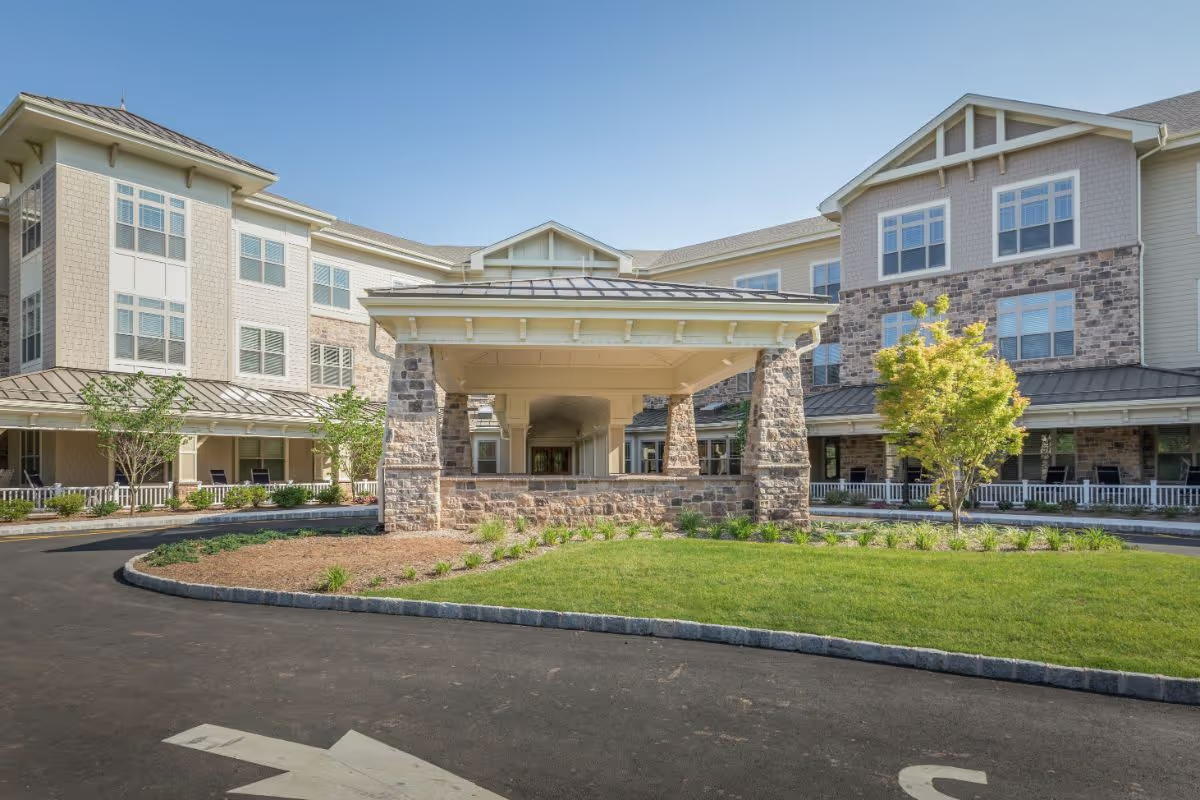
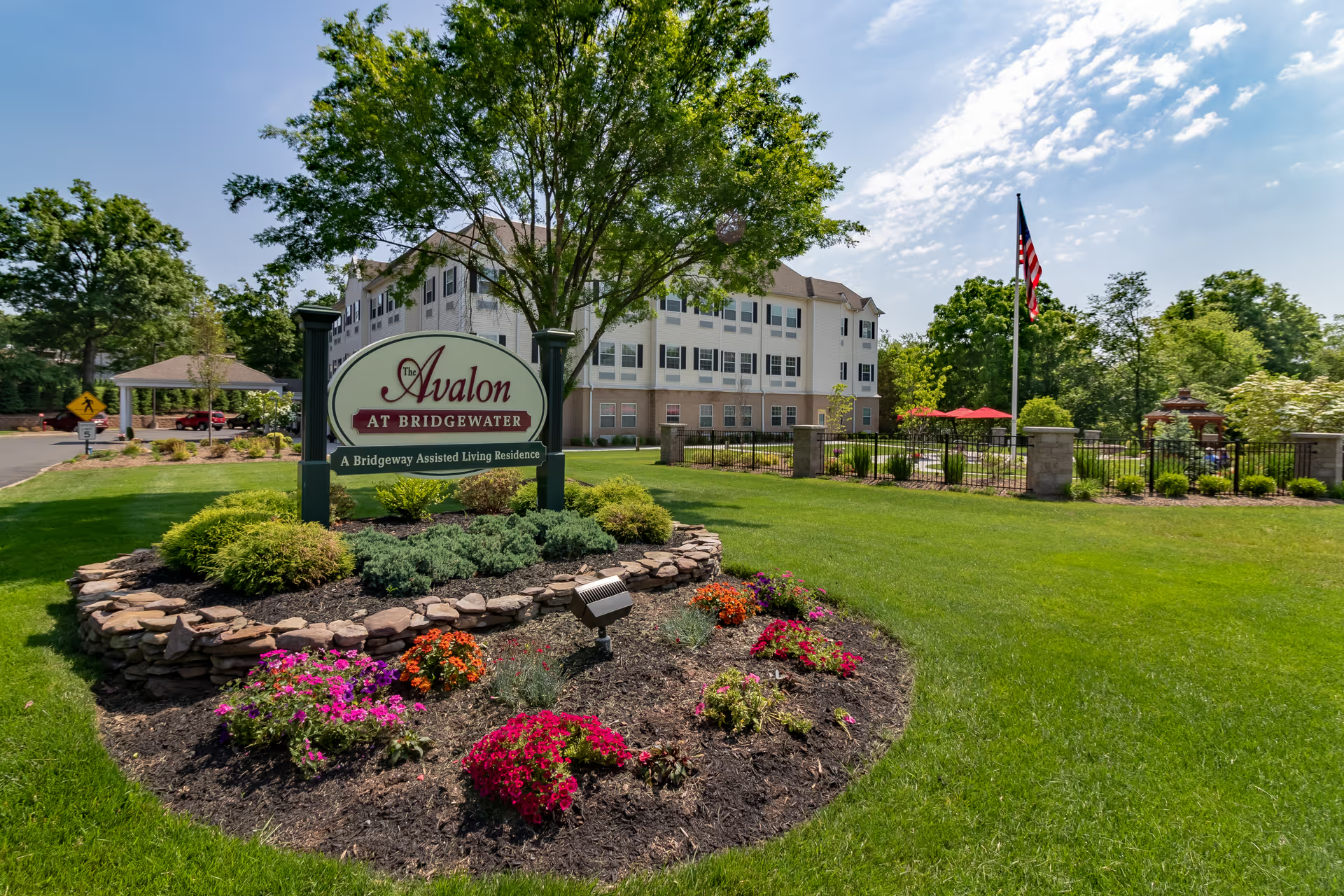
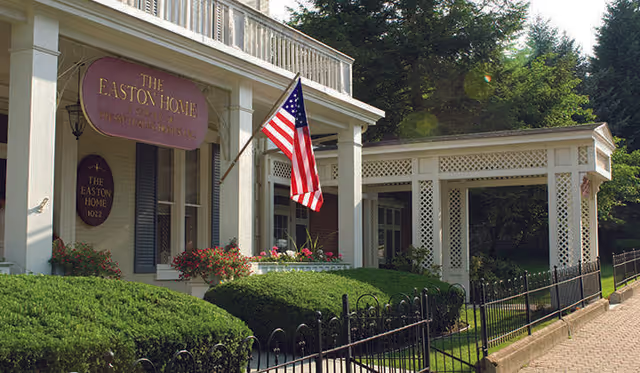
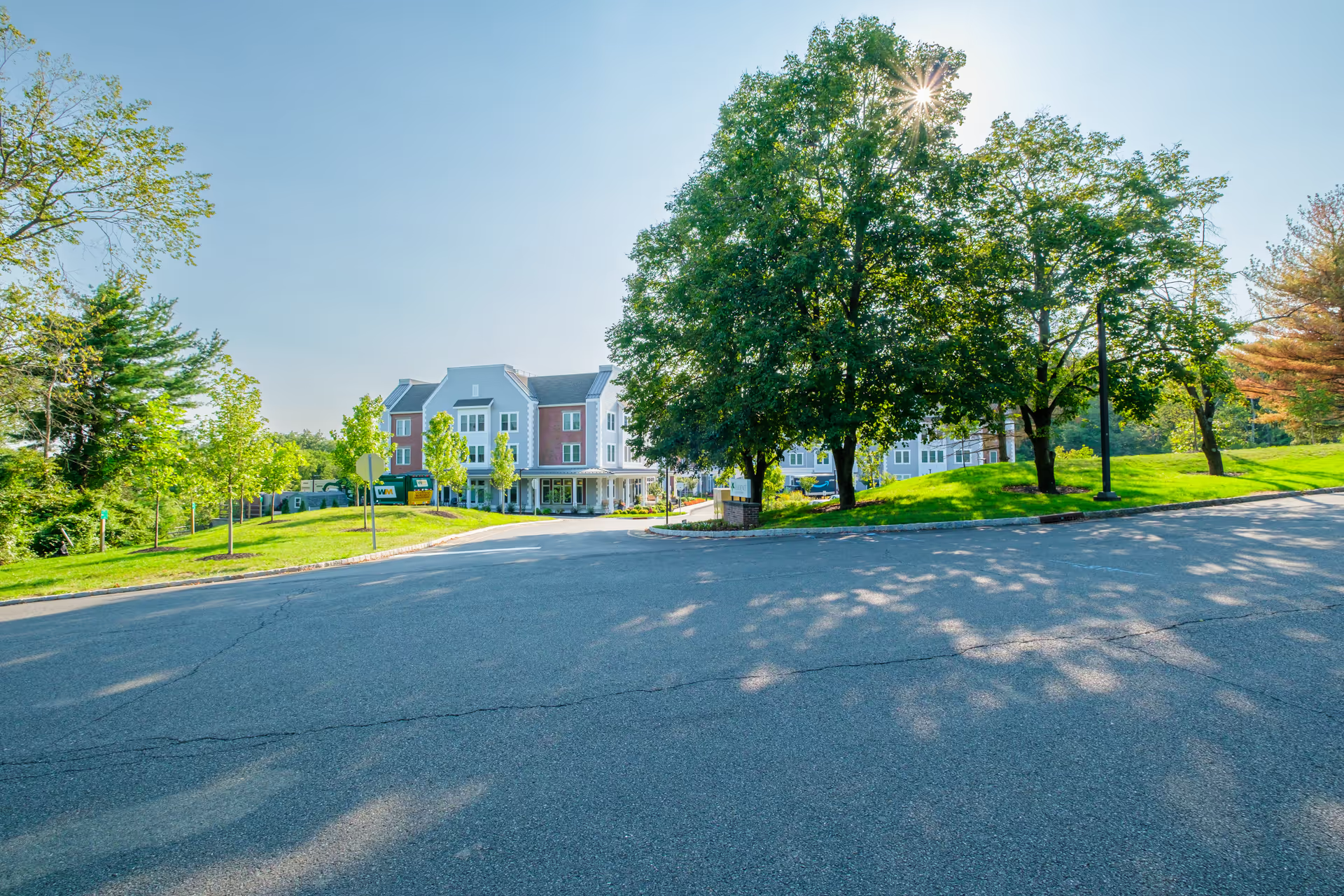
Hunterdon Hills presents as a small, homelike residential facility that many families appreciate for its personalized caregiving culture. Reviewers consistently praise staff for warmth, attentiveness, and long tenure; several comments describe strong staff–resident bonds and proactive family communication. Owners and administration are frequently described as accessible and willing to work with families, and the facility's scale and casual, country B&B atmosphere are viewed as comforting by prospective residents who prefer a non‑institutional setting.
Care quality is mixed. Positive accounts emphasize staff support that helps residents function at their highest ability, frequent check‑ins, and individualized attention. At the same time, there are recurring operational concerns about care responsiveness and prioritization; reviewers indicate delays in assistance and instances where clinical coverage is minimal, particularly overnight when only a single non‑clinical staff member may be present. These patterns suggest potential risks for residents with higher or more complex medical needs.
Dining and activities show notable variability. The facility's kitchen and some meal‑service areas are described as very clean, but reviewers also cite limited or inconsistent meal provision and complaints about food quality in other comments. Organized activity programming appears sparse: several reviewers note a lack of scheduled activities, no activity room, and absence of published calendars or menus, which may reduce engagement opportunities for residents who expect regular programming.
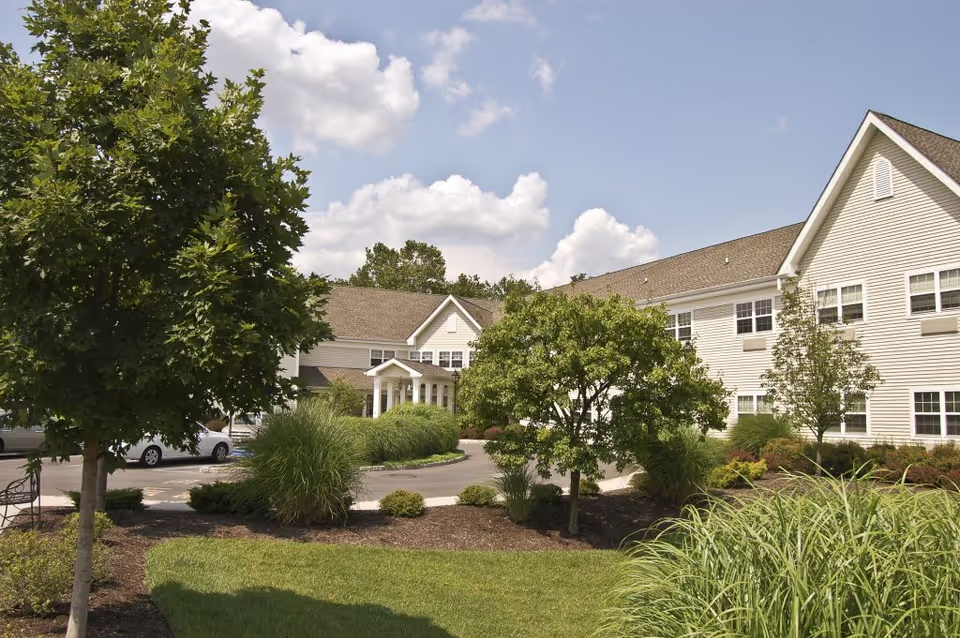
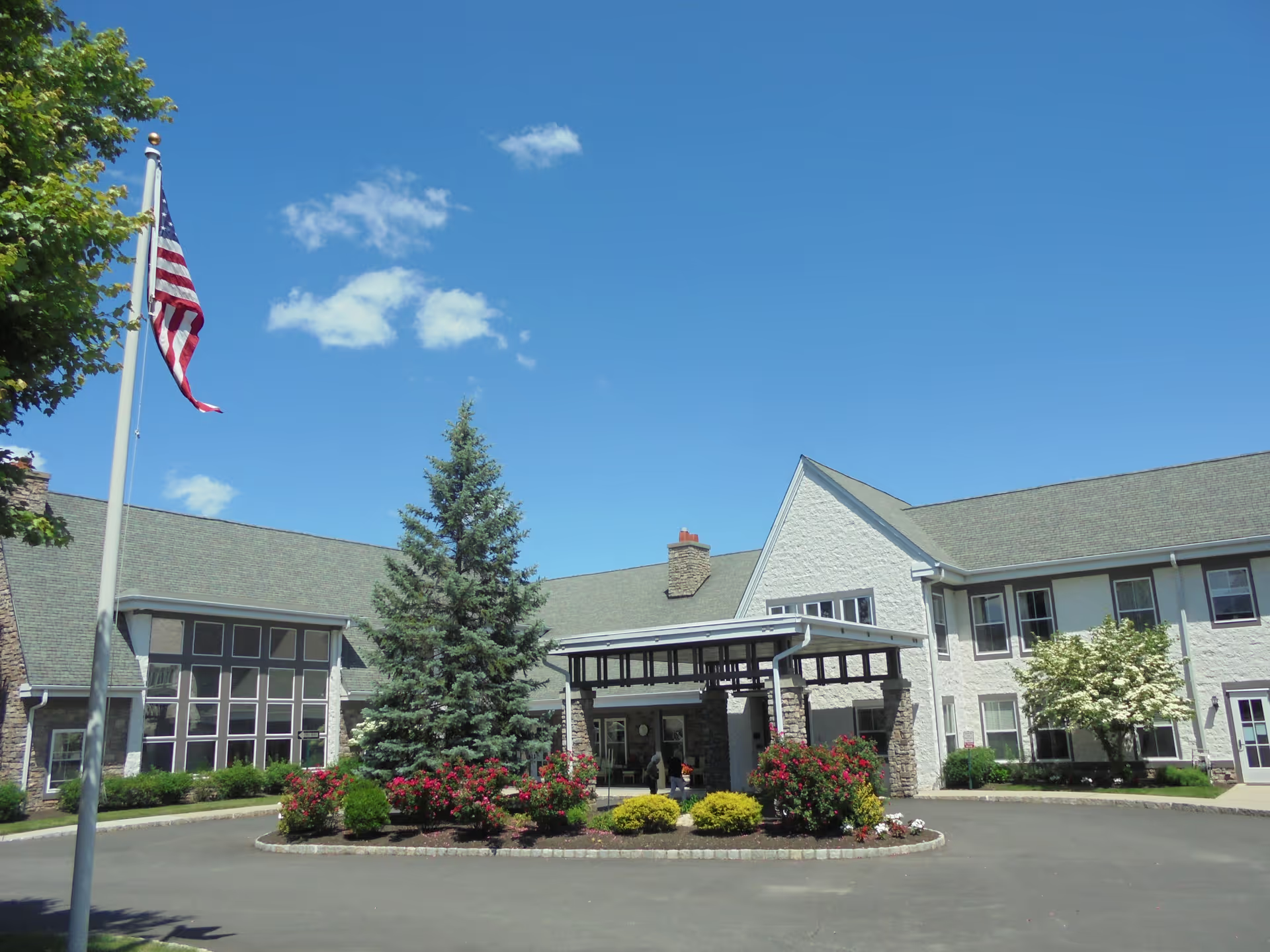
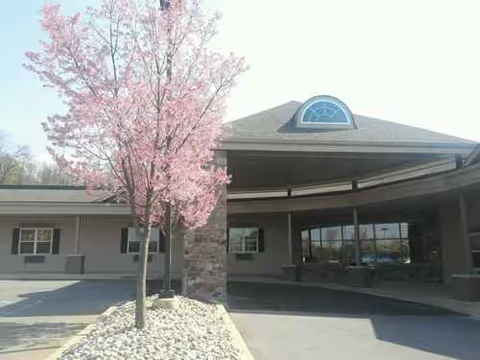
The physical plant is a contrast of strengths and limitations. The small size and homelike layout are positives for those seeking a quieter, less institutional environment. Conversely, the building is described as older, with ongoing renovations in places, aesthetic shortcomings, limited dining and communal space, and accessibility or floor‑level concerns. Shared rooms and hallway bathrooms are common features; the lack of private en‑suite bathrooms and occasional sanitation or odor concerns in communal areas are important practical considerations for prospective residents.
Management and transparency present a mixed picture. Many families report positive, cooperative interactions with administration and find management responsive and flexible on financial or placement matters. However, other comments allege misleading information about services, organizational naming/licensing opacity, and cost‑driven operational choices. Additionally, some reviewers describe gaps in the provision of basic daily‑living supplies, which points to variability in operational reliability.
Overall, Hunterdon Hills may be a good match for individuals who prioritize a small, family‑oriented community with personable, long‑standing staff and affordable pricing. Prospective residents with significant clinical needs, those who require private bathrooms, or those who expect robust activity and dining programs should carefully evaluate staffing patterns, meal arrangements, activity schedules, and documentation about services and licensing before committing. A tour that inspects bathroom arrangements, communal spaces, odor/sanitation conditions, staffing levels at different times of day, and clarity on what supplies and services are included would help families assess fit and risk more precisely.