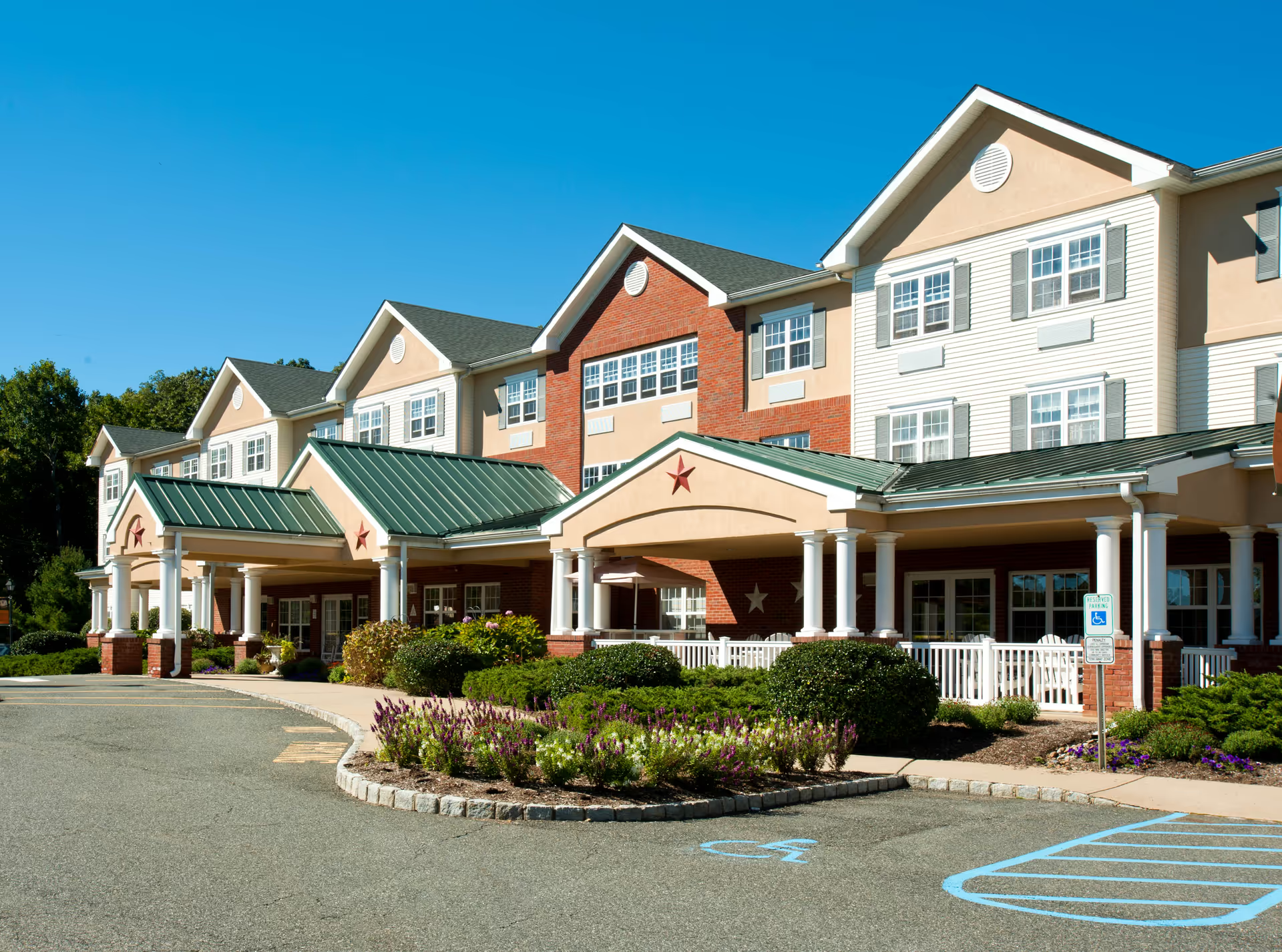
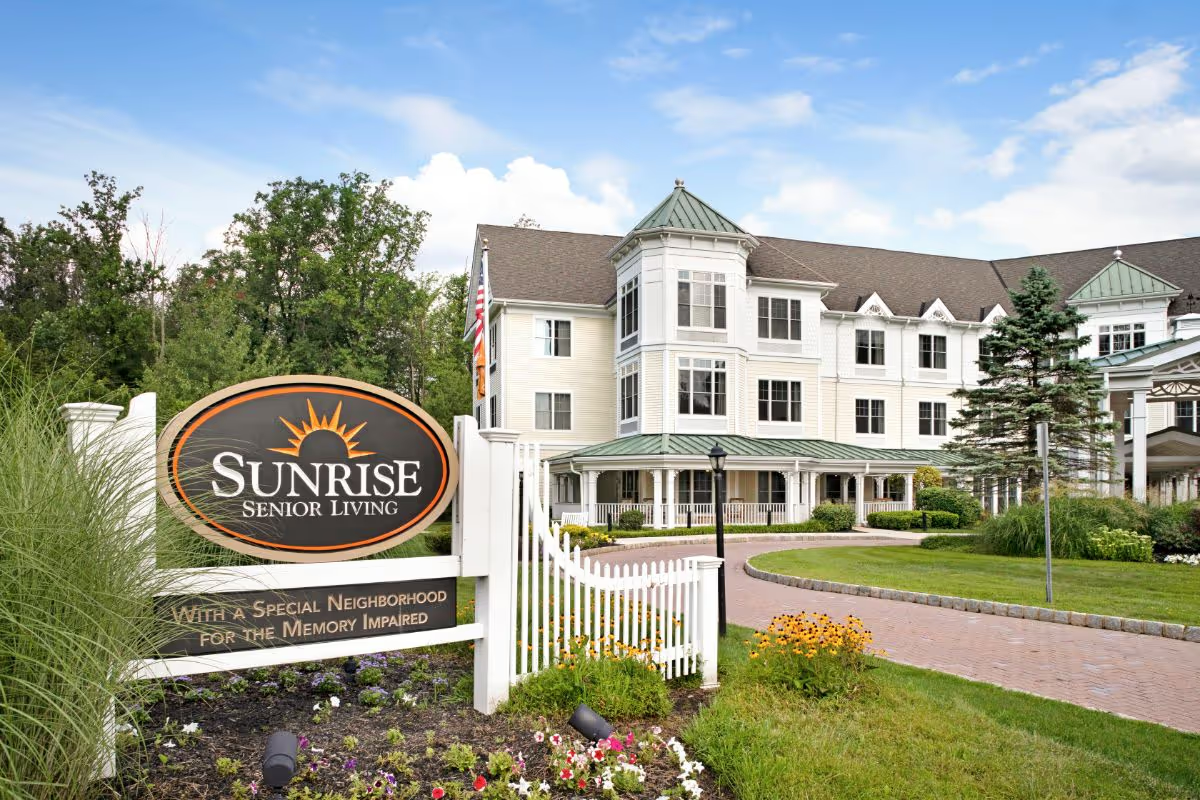
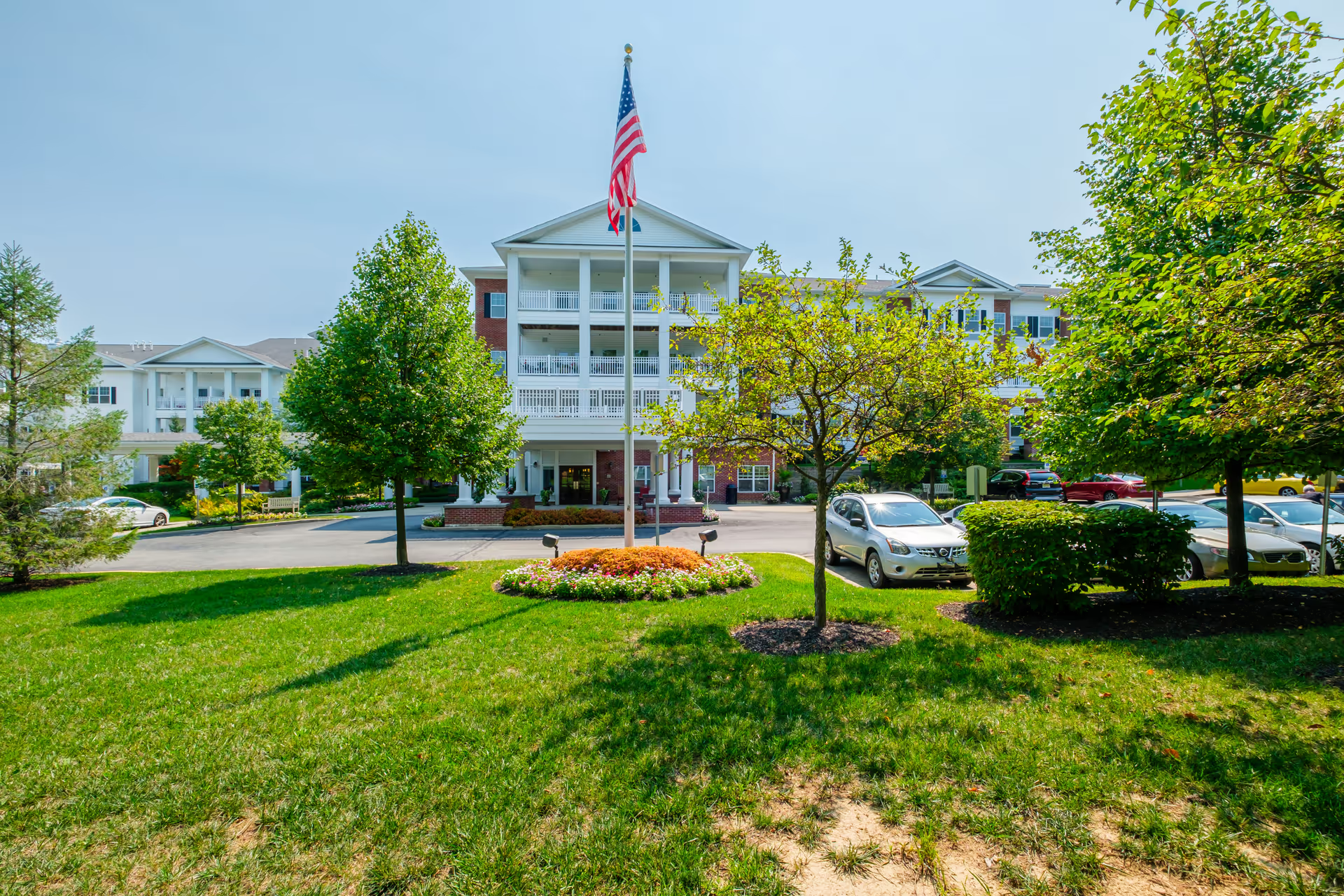
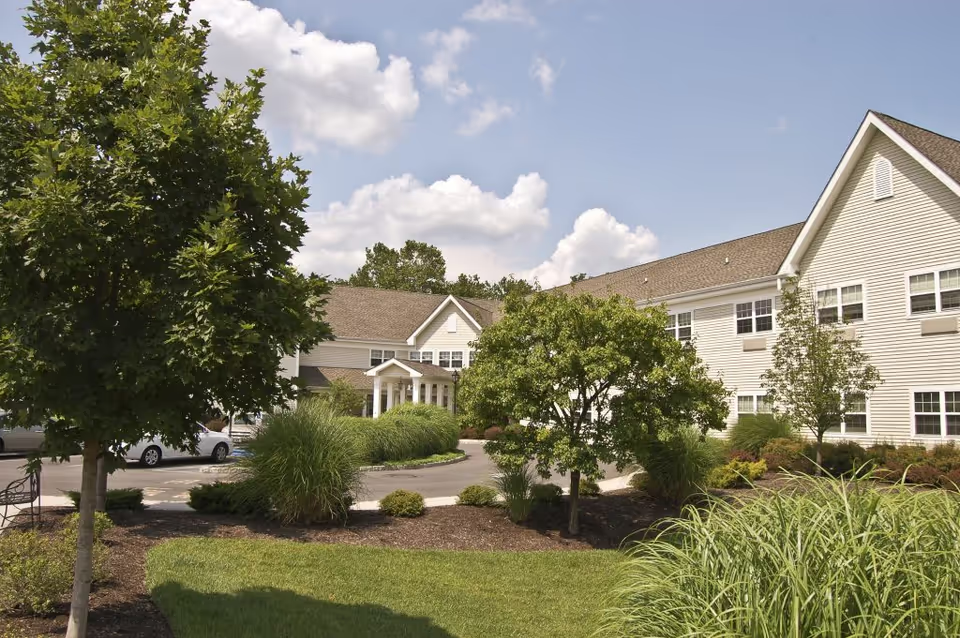
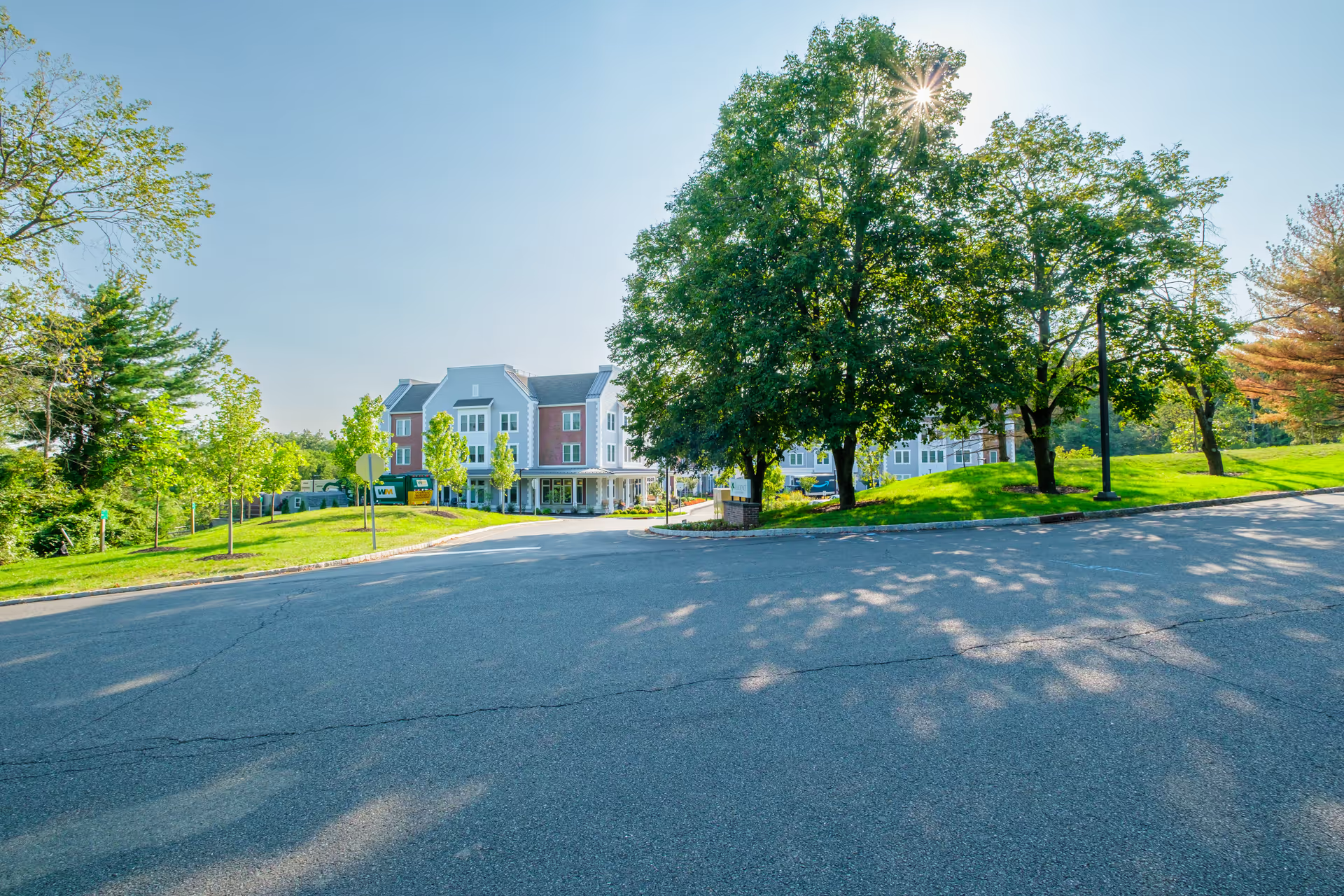
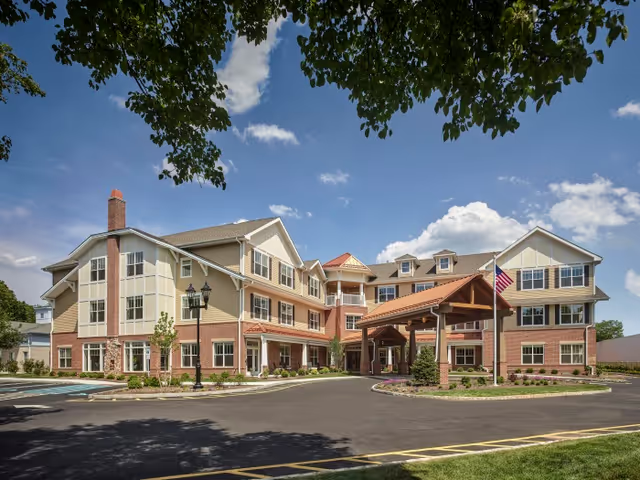
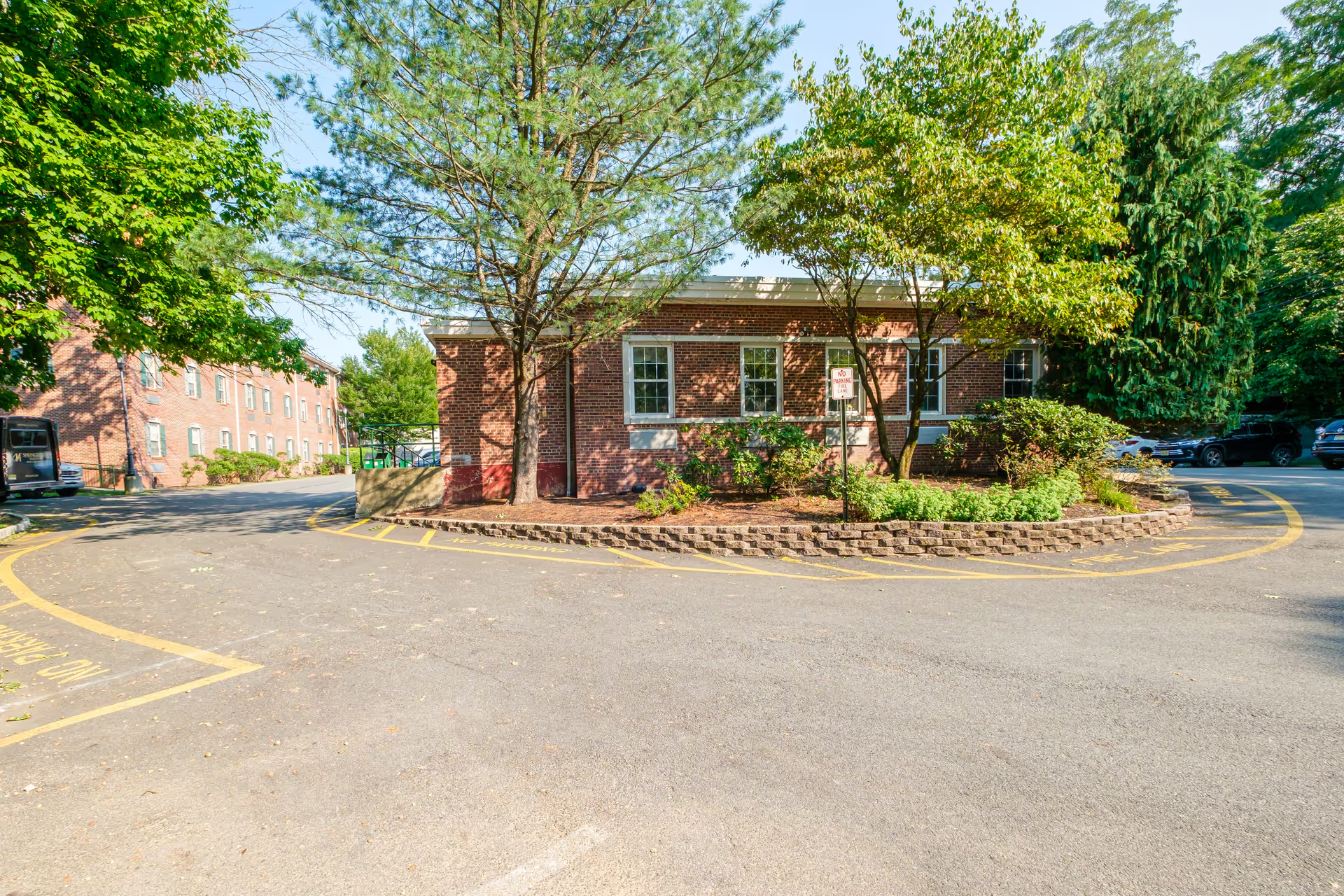
Bentley Commons at Paragon Village presents as a well-appointed, activity-rich senior living community with many consistently cited operational strengths. Families and residents commonly praise the facility’s welcoming, family-like atmosphere, the cleanliness of public spaces, and the presence of apartment-style units with accessible features (walk-in showers, in-unit laundry in some units). The community offers a range of amenities — salon, library, small theater, on-site rehabilitation and therapy services — and visible recent renovations to common areas. Transportation, housekeeping, concierge/security coverage and routine maintenance are also regularly highlighted as positive aspects.
Care quality is a mixed but largely positive theme. Nursing and therapy services receive frequent commendation, particularly in memory-care and skilled-rehab contexts; many families credit staff with strong clinical competence and effective transitions for residents needing memory support. At the same time, reviewers describe variability in aide skill and conduct, and several comments point to weaker coverage on weekends. This pattern suggests generally knowledgeable clinical leadership and good therapy resources but inconsistent frontline staffing levels and practice consistency for routine personal care.
Dining and activities are prominent strengths for many residents. The dining program is often described as restaurant-like, with healthy options and plated presentation; breakfast and dinner are commonly included and menus offer choices. Activity programming is broad — exercise classes, clubs, live entertainment, outings, and social events — and is frequently described as engaging and well-organized. That said, some families would like more daily lunch options, greater ethnic variety in menus, and more adult-oriented activities for certain residents.
Facility- and management-level patterns show both responsiveness and some operational friction points. Admissions, move-in support, and on-site leadership receive positive mentions for being helpful and communicative. Conversely, several families expressed concern about pricing transparency, unexpected rate increases, and rigid contract and intake paperwork. There are also facility-level operational issues: limited capacity to manage higher-acuity needs (lack of intermediate-care options), occasional sanitation concerns within specific resident apartments, and isolated allegations of missing personal items that point to property-control gaps. Additionally, a few reviewers described constrained visitation policies and family-access controls that can complicate communication during transitions or clinical incidents.
For prospective residents and families: this community is worth considering if you prioritize strong therapy services, a robust activity program, restaurant-style dining, and a family-oriented culture. When touring, ask specific questions about weekend staffing ratios and aide training, the facility’s protocols for transfers and mobility assistance, how the community handles personal property security, and exact contract and billing practices (including notice of any planned rate increases). Also confirm the boundary of clinical services offered and whether the property can meet escalating care needs or will require an external transfer if acuity rises. These targeted questions will help align expectations with the mixed patterns reviewers describe.