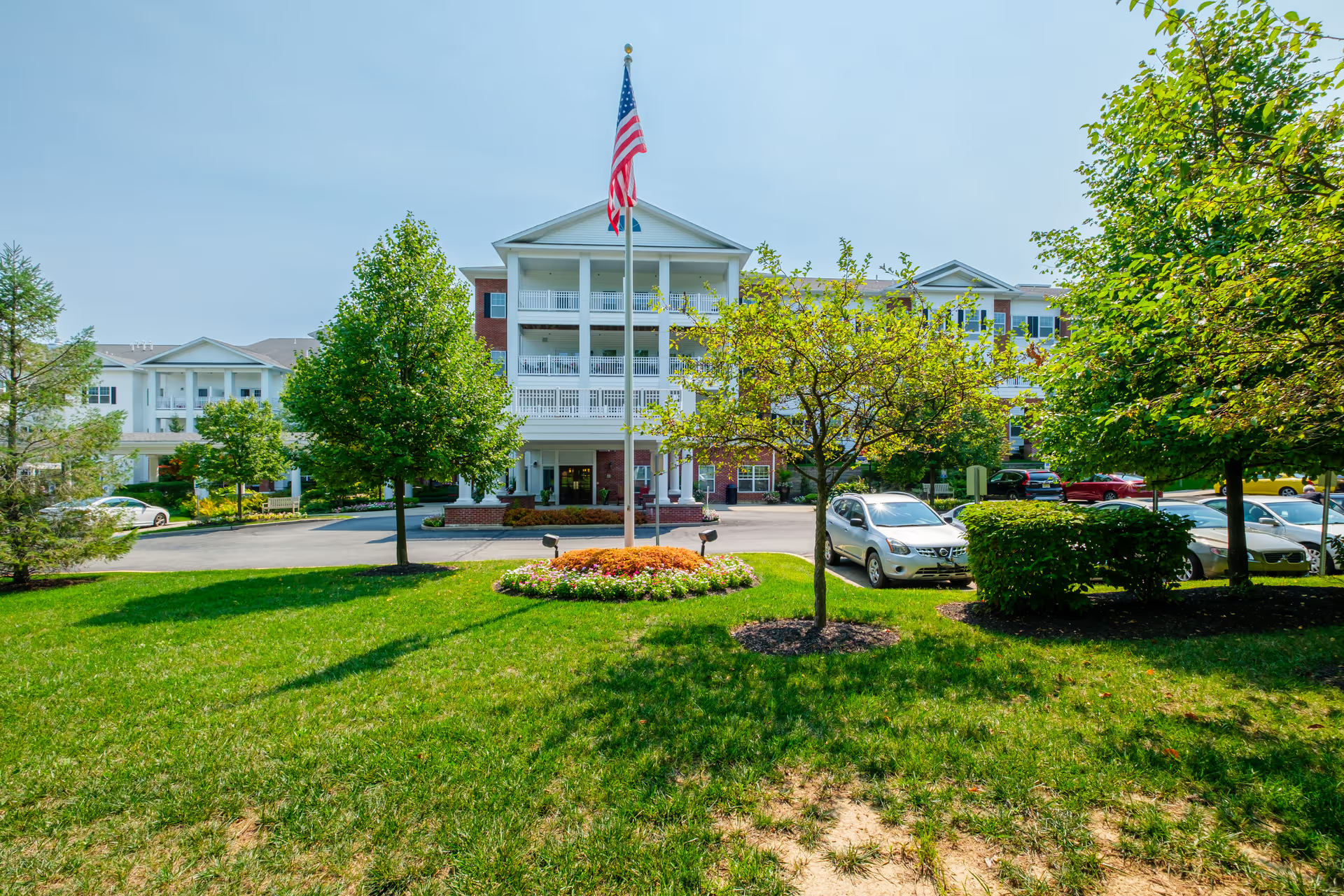
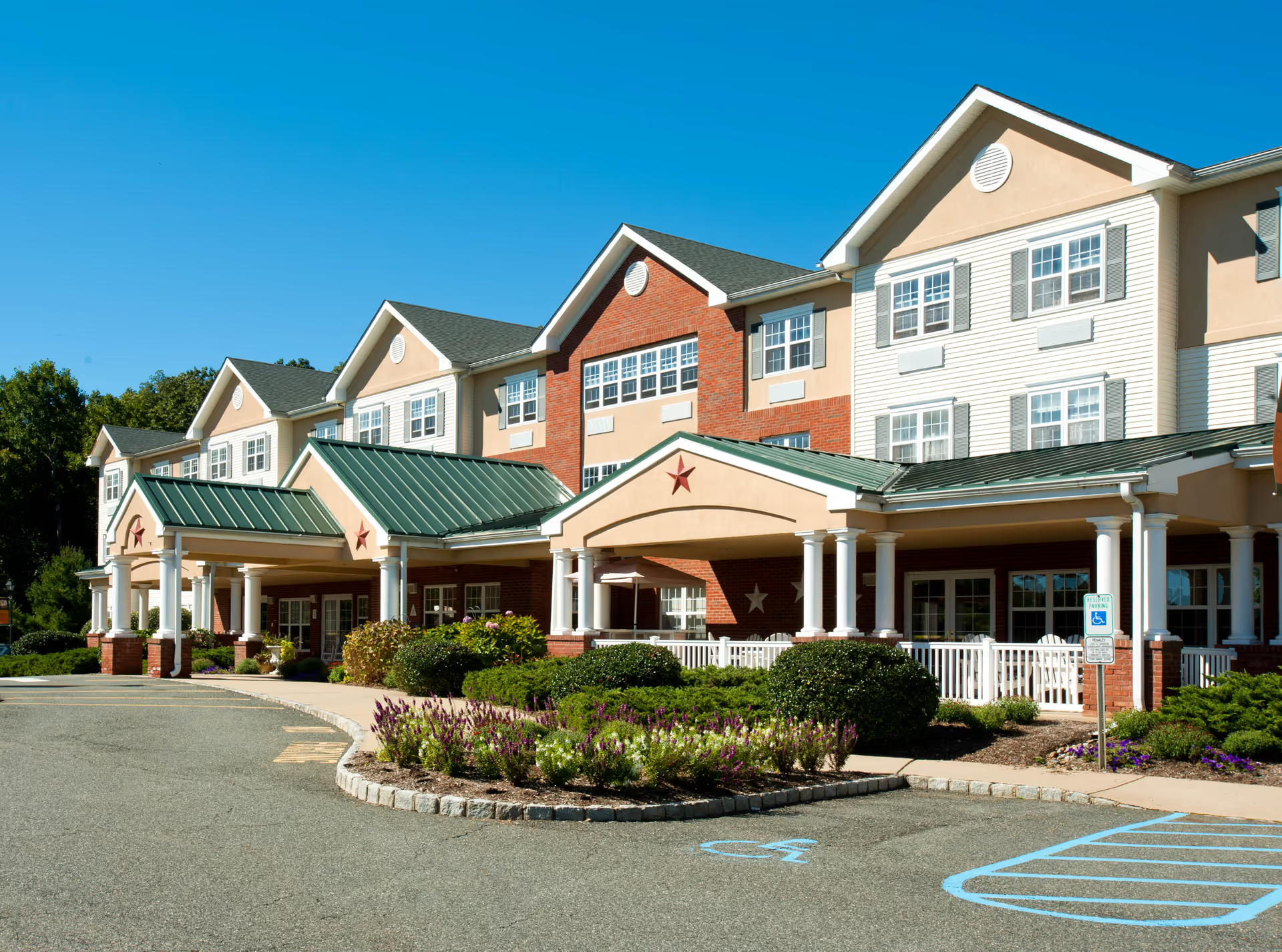
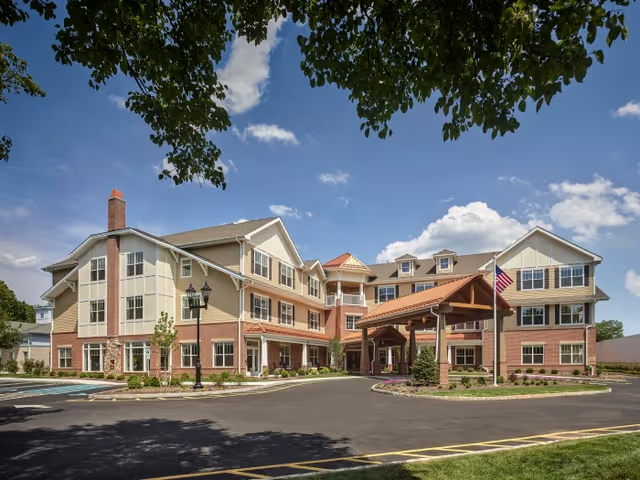
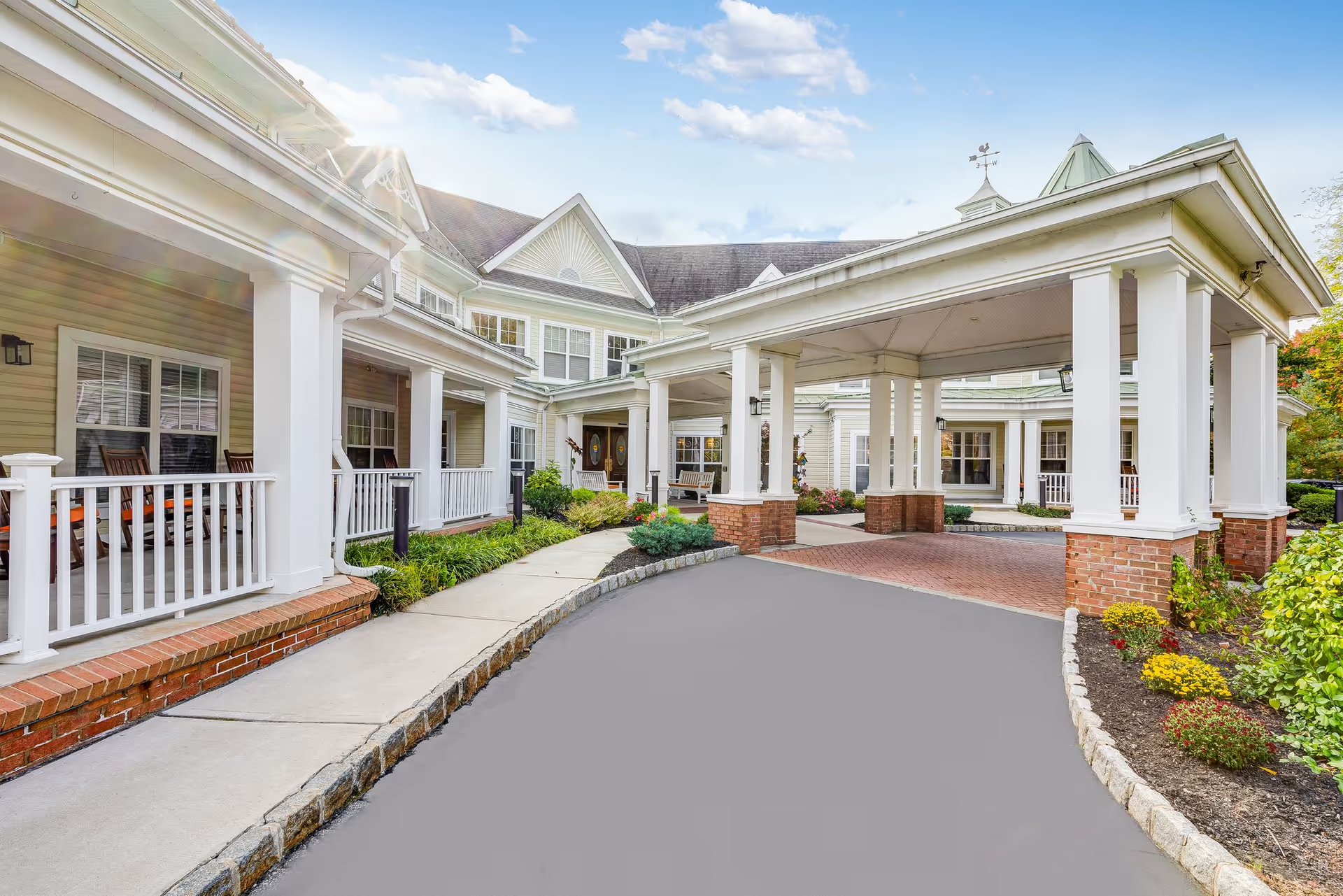
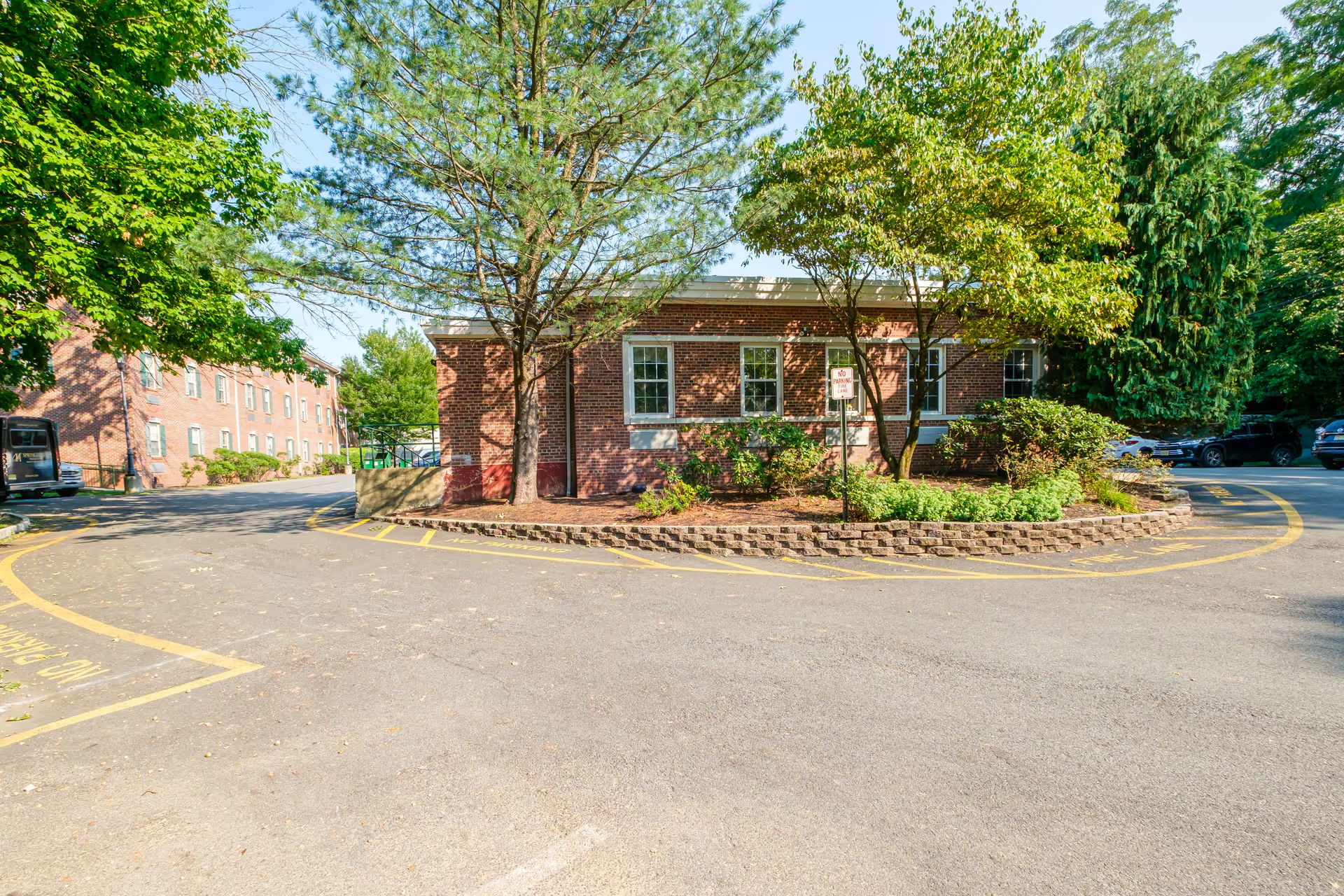
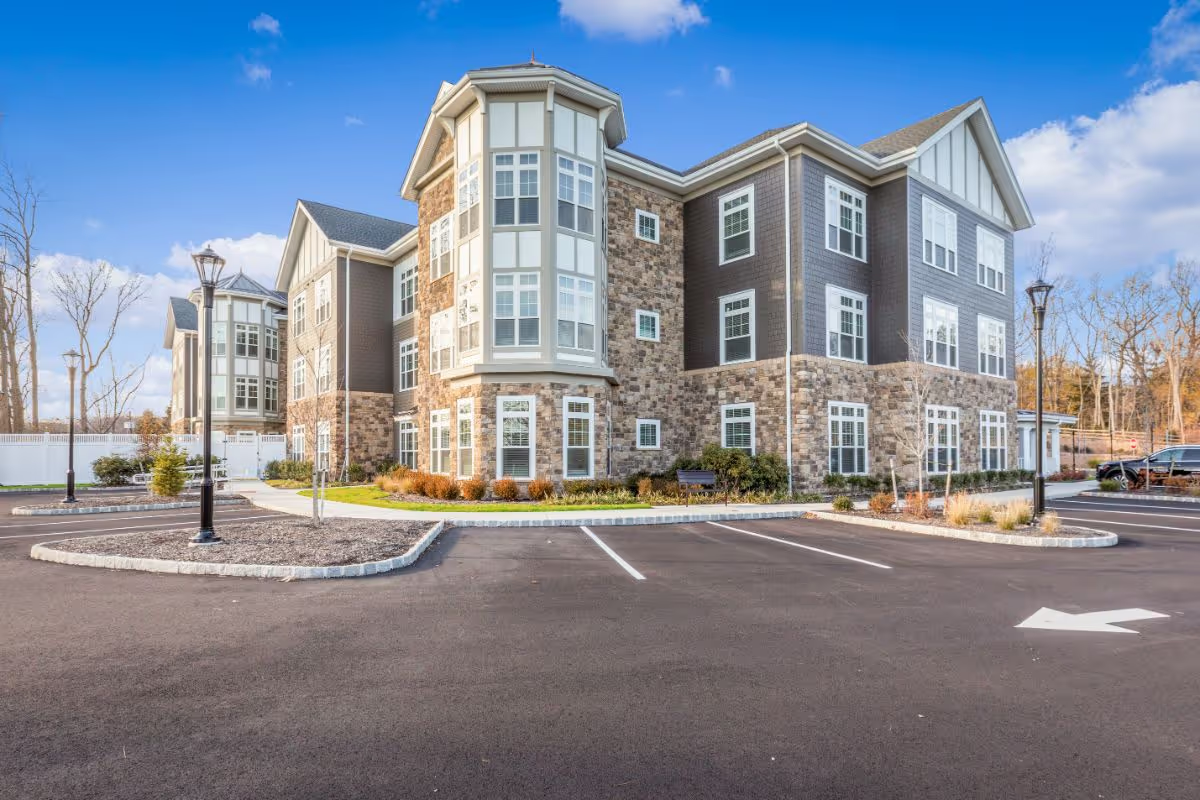
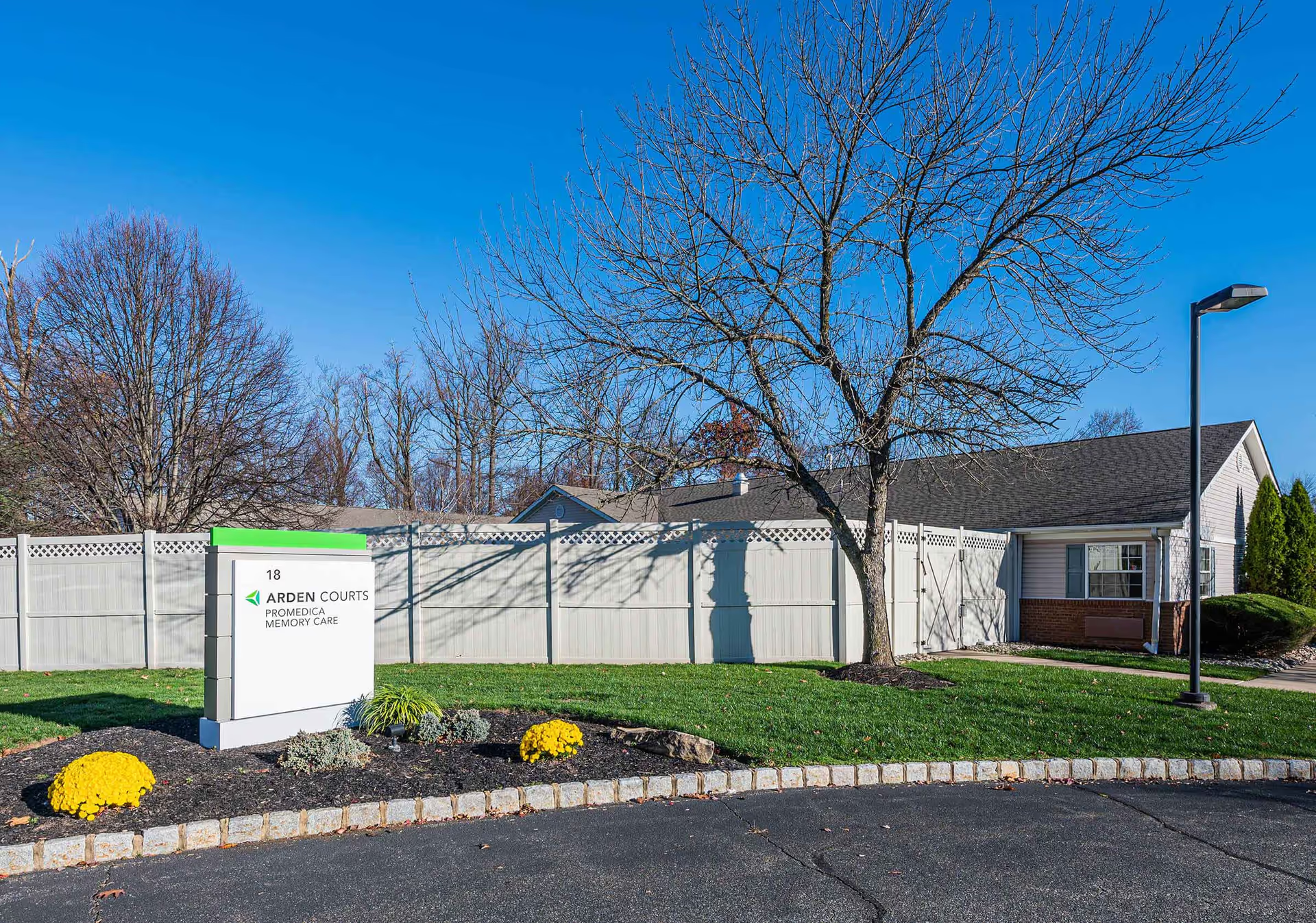
Sunrise of Randolph presents as a high-quality, well-appointed assisted living and memory-care community with many visible strengths. The building and grounds are frequently described as attractive, bright, and well-maintained; interior finishes, numerous common areas, restaurant-style dining, and on-site amenities such as a salon and baking area contribute to a residential rather than institutional atmosphere. Private suites with kitchenettes and en-suite bathrooms, accessible design features, outdoor patios and gardens, and layered security and fire-control systems are consistently noted as facility strengths.
Clinical care and direct caregiving receive largely positive comments: many families describe caring, compassionate, and attentive staff, 24/7 caregiving and nursing presence, individualized assistance (including dietary accommodations and feeding support), and effective infection-control practices with active family communication during COVID-related restrictions. Several accounts highlight strong hands-on staff members and activities staff who help residents transition and remain engaged. At the same time, there are recurring concerns about variability in clinical monitoring and documentation — for example, missed changes in weight or dental issues — which suggest that clinical surveillance and record-keeping can be inconsistent across shifts or units.
Dining and social programming are clear strengths for many residents. Reviewers frequently praise the food quality, menu variety, and staff awareness of dietary restrictions, as well as a robust schedule of activities (live music, bingo, arts and crafts, exercise classes, parties and outings). That said, programming quality appears variable by unit: memory-care residents are sometimes described as less engaged, and families reported that programming appropriate to residents with cognitive impairment may be limited or inconsistent.
Facility operations and management present a mixed picture. Positive impressions of tour staff and on-the-ground caregivers coexist with repeated reports of leadership turnover and uneven executive responsiveness. Several families described difficulty contacting leadership or receiving timely answers to emails, and there are repeated descriptions of administrative instability (frequent changes in executive directors and department heads). Financial practices are another notable pattern: the community is characterized as relatively expensive, with multiple reviewers citing extra fees, sizable move-in charges, and concerns about aggressive billing or automatic withdrawals. The community also has restricted Medicaid capacity and specific admission limits, which prospective residents should verify in advance.
Taken together, Sunrise of Randolph appears to offer a high level of physical comfort, varied programming, and many dedicated front‑line caregivers, making it a strong fit for families prioritizing amenities, social life, and an upscale environment. Prospective residents and their families should weigh those strengths against the higher cost structure and inquire directly about Medicaid acceptance, the facility’s billing and payment authorization processes, staffing stability (especially in key clinical and activities roles), and the specific memory-care engagement plan for the unit in question. Verifying how clinical monitoring, care-plan documentation, and family communication are handled day to day will help determine whether the community’s operational practices align with an individual resident’s needs.