Mt. Arlington Senior Living presents a mixed but largely favorable picture across clinical, lifestyle, and operational domains. Strengths most consistently described include a compassionate, hands-on caregiving staff and an active social program. Families and residents frequently praise the personal attention from aides and nursing leadership, responsive move-in support, and a welcoming, family-like culture. Clinical supports such as on-site rehabilitation (PT/OT), scheduled physician and podiatry visits, hospice availability, and visible nursing leadership are cited as positive contributors to resident health and recovery when needs align with the community's level of care.
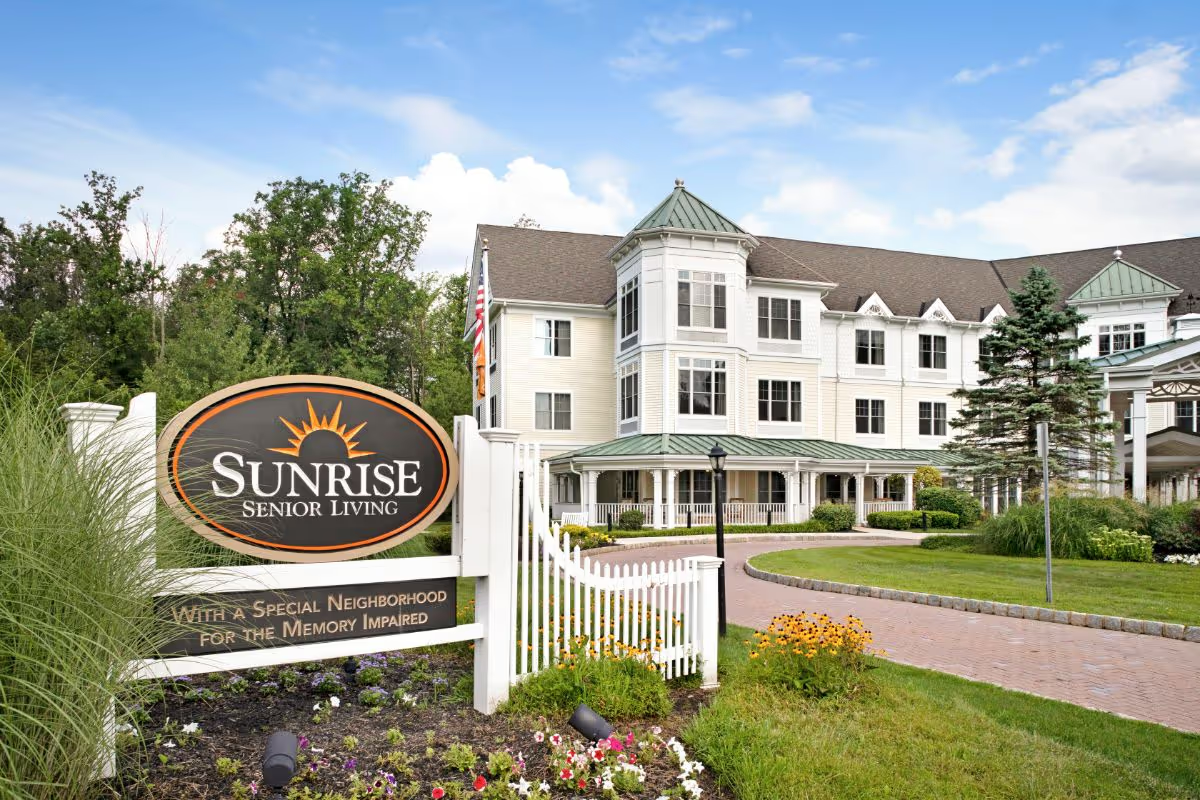
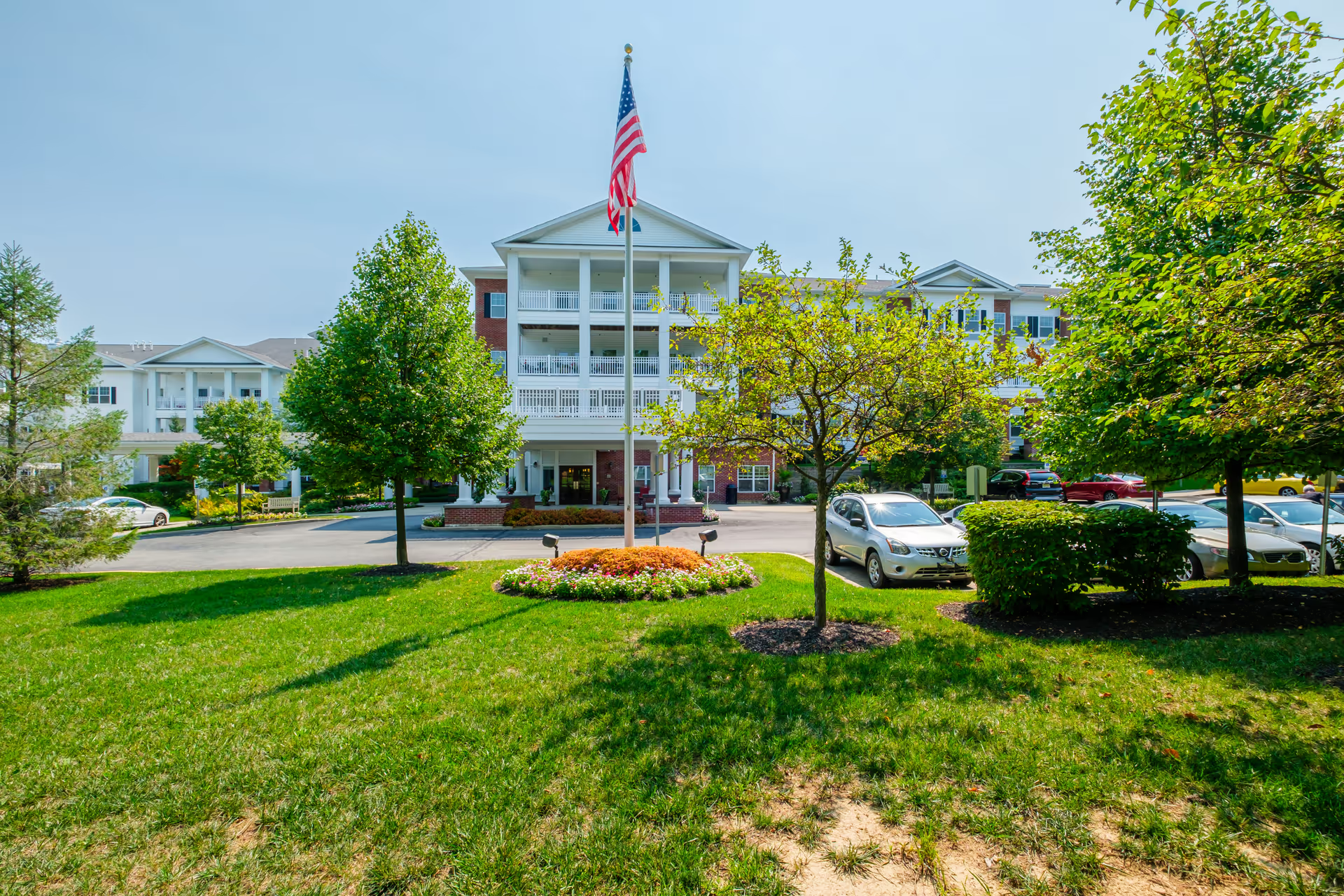
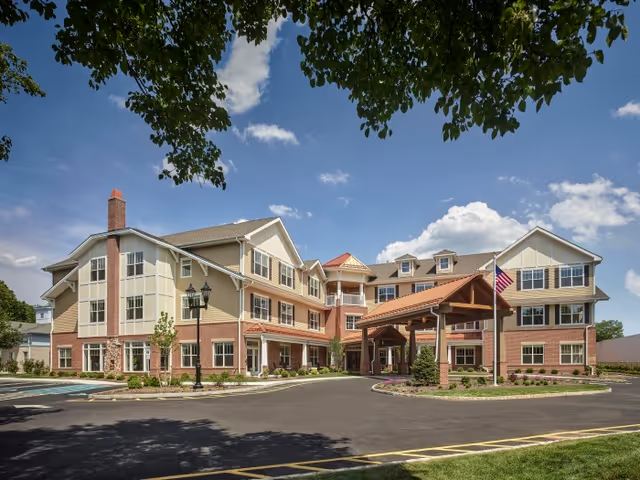
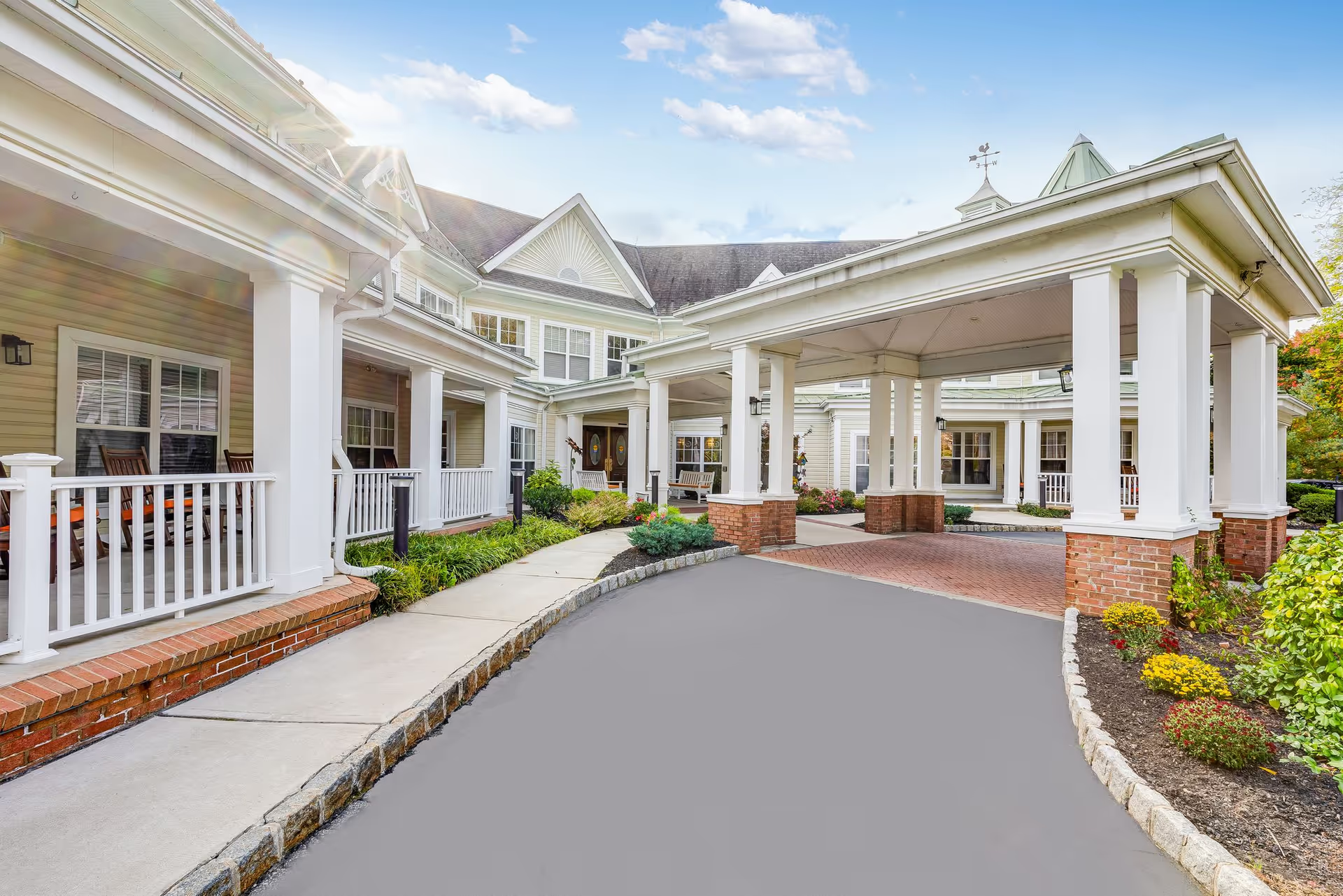
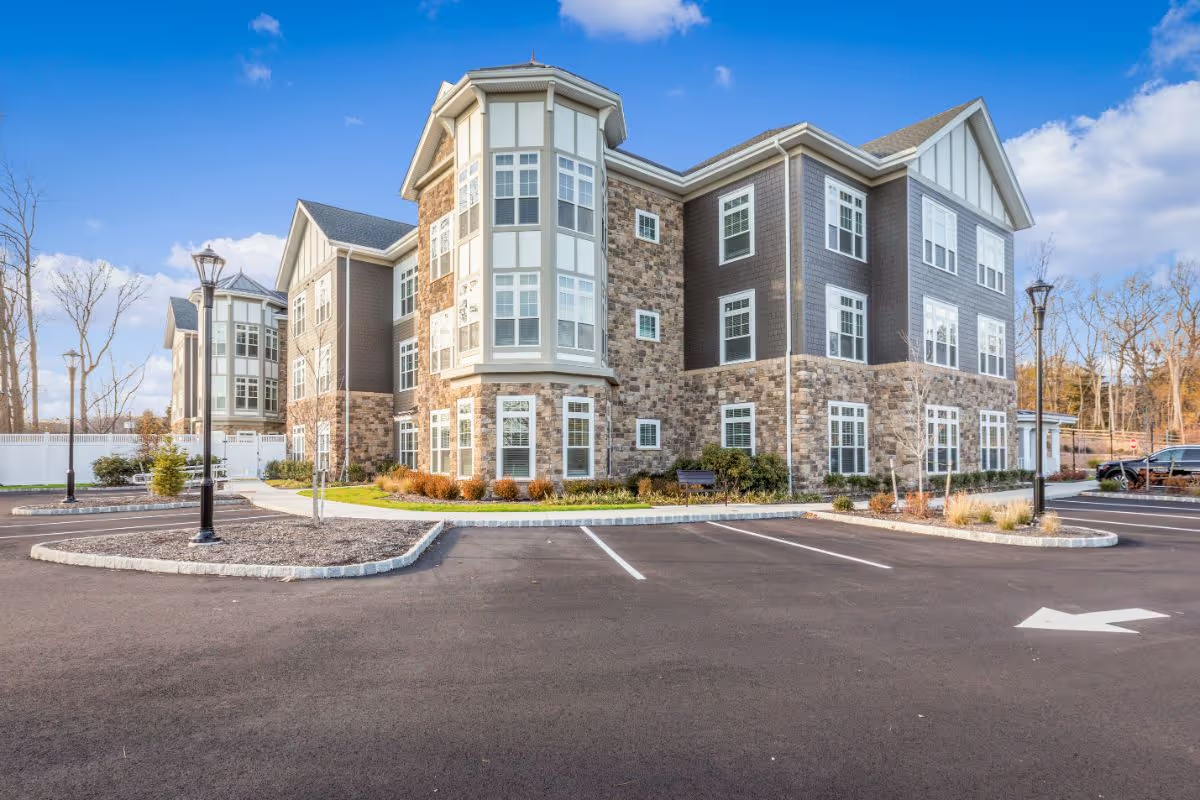
Dining and activities are central to the community experience. Many reviewers highlight a chef-led dining program that accommodates individual preferences, plentiful healthy options, and popular social events — arts and crafts, bingo, live entertainment, happy hours, and regular outings. The facility's hotel-like presentation, clean public spaces, landscaped grounds, porch areas, and private suites with individual climate controls reinforce a comfortable, upscale atmosphere. Transportation, salon services, and security measures are additional lifestyle strengths mentioned by families.
Notable operational patterns merit attention for prospective residents and families. Admissions and short-stay (respite) processes are described as paperwork-intensive and sometimes slow; reviewers cite multiple required clearances and pharmacy-packaging rules that can complicate rapid placements. Billing transparency and charge clarity are recurring concerns: visitors mentioned undisclosed add-on fees and inconsistencies between initial quotes and final bills. There are also occasional allegations of financial misconduct and coercive billing practices that have led to disputes; these claims are serious and were raised by some families.
Program consistency shows variability. While activities are broad and often lively, scheduling and program availability have been inconsistent at times, which some residents described as boredom during certain periods. Food quality was praised by many but criticized by others for inconsistency in flavor and preparation. Clinical-fit issues appear most important: several families reported that residents requiring higher-acuity or complex dementia care sometimes exceeded the facility's staffing or clinical capacity. This pattern manifests as limits to full-time on-site nursing coverage, uneven assistance scheduling for activities of daily living (with associated fall-risk concerns), and unclear memory-care placement communications. Management turnover and intermittent front-desk or administrative coordination lapses were also noted and can affect family communications, transportation scheduling, and maintenance responsiveness.
In summary, Mt. Arlington Senior Living offers a well-appointed, activity-rich environment with many strengths in staff engagement, rehabilitation services, and communal life. Prospective residents should weigh those strengths against operational considerations: clarify the facility's nursing coverage and suitability for higher-acuity or dementia-related needs, obtain clear written agreements about fees and billing practices, and confirm the expected timeline and requirements for respite or rapid admissions. A focused tour and direct questions about clinical staffing levels, activity calendars, maintenance routines, and billing policies will help families determine whether the community's capabilities match the prospective resident's care needs and expectations.