The reviews describe a facility with a pronounced contrast between strong rehabilitation services and recurring operational weaknesses. Physical therapy and rehabilitation are a clear strength: multiple families and patients report substantial functional gains, skilled therapists, and a therapy team that is frequently identified as the reason for successful discharges. Many reviews also single out individual clinicians—nurses, CNAs, aides, and administrators—who provided compassionate, professional care and positive family communication.
At the same time, a persistent pattern of clinical and operational concerns emerges. Reviewers cite inconsistent nursing oversight, lapses in medication administration and glycemic control, and gaps in wound-care follow-up; some cases required readmission for acute medical issues. Response times to call bells and requests are often described as slow or unreliable, and weekend/holiday coverage and night shifts are commonly noted as understaffed. These patterns suggest variability in day-to-day clinical oversight and resource allocation.
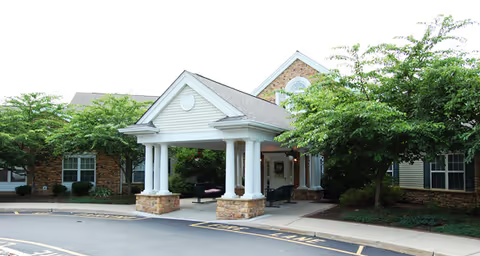
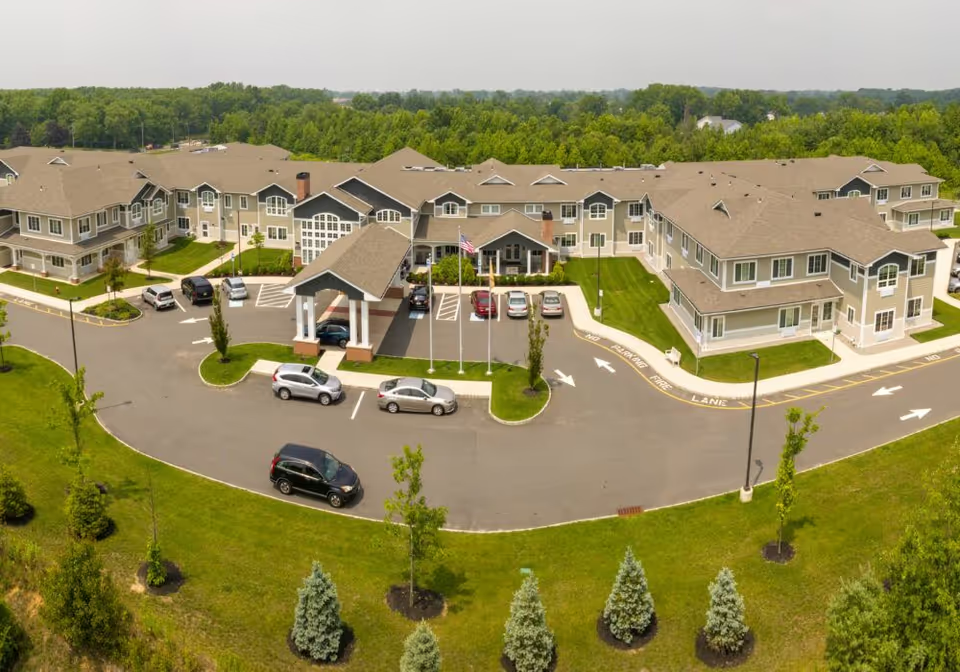
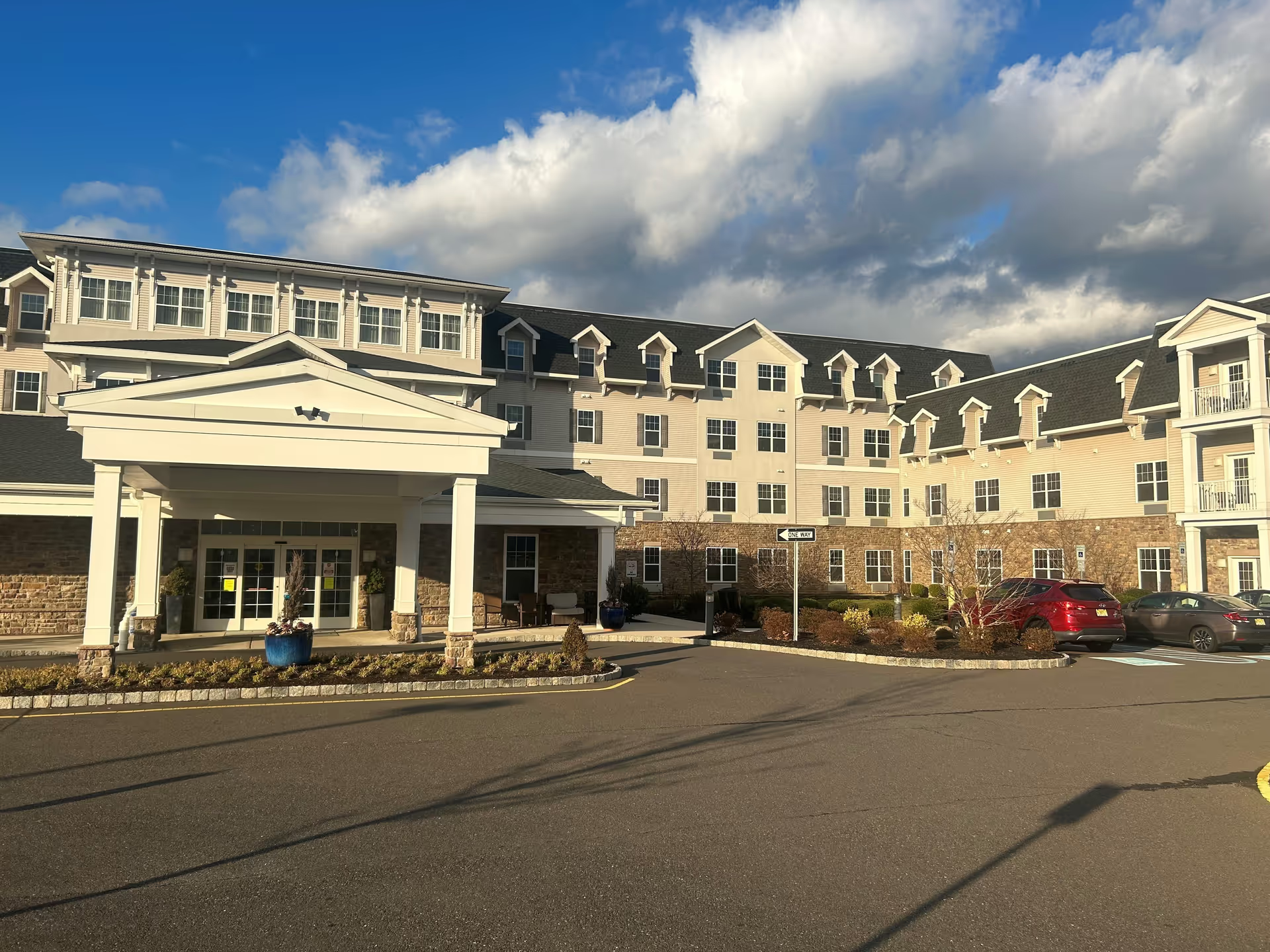
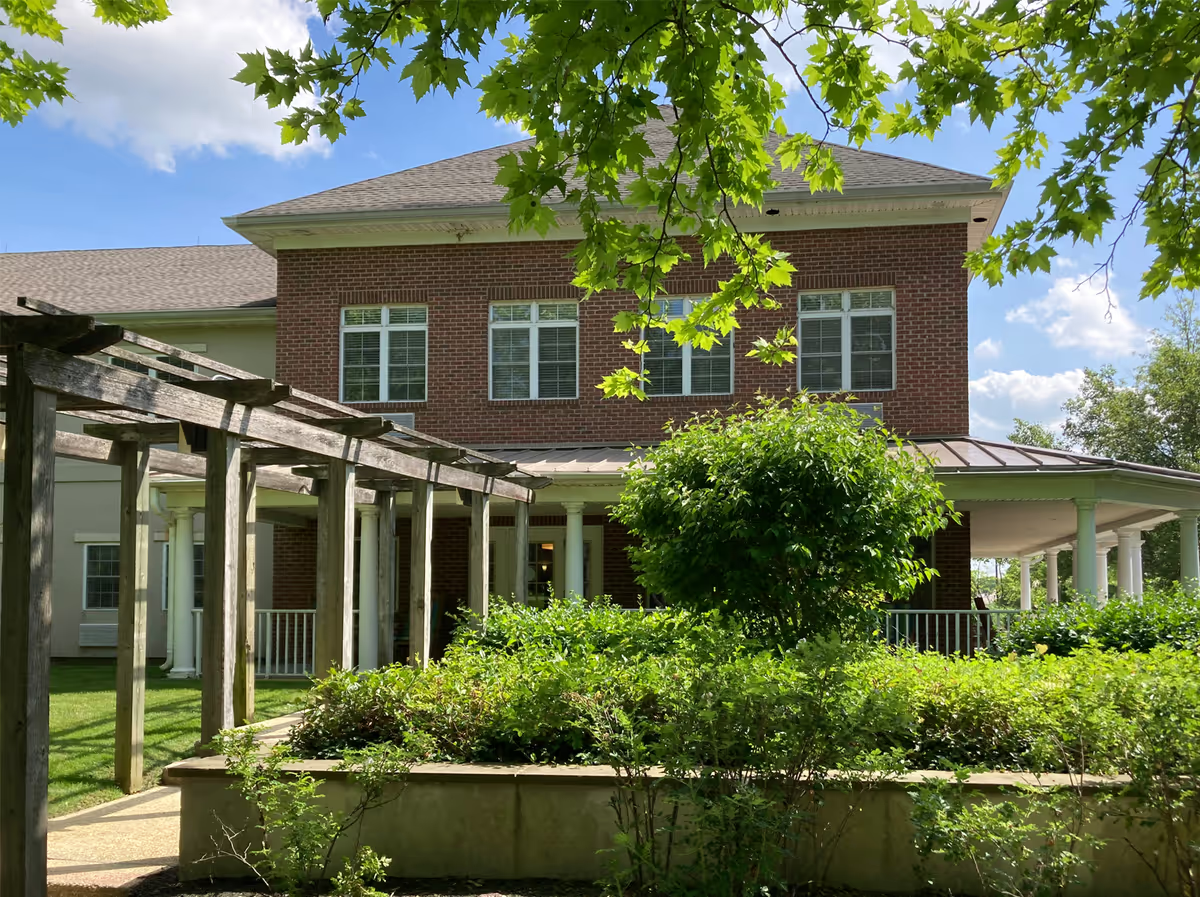
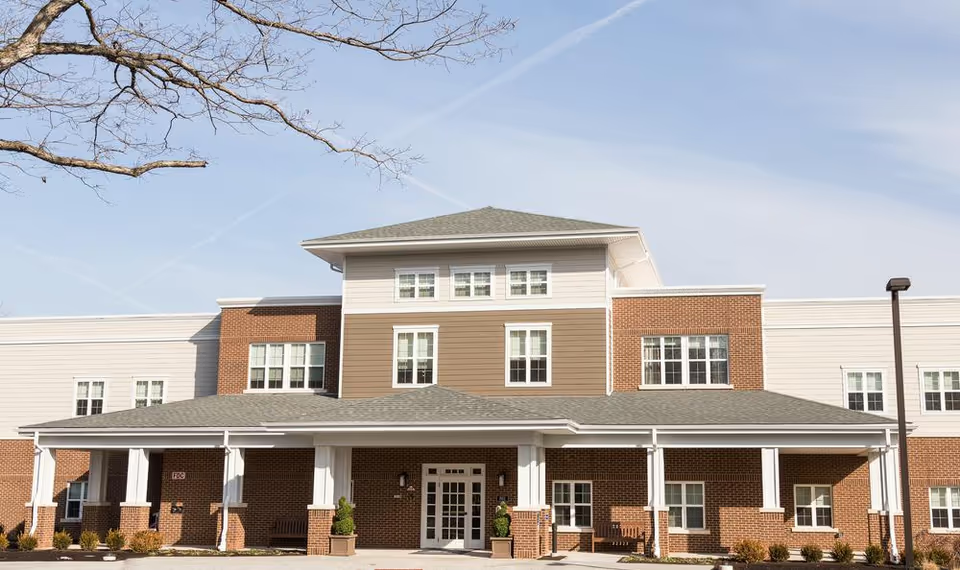
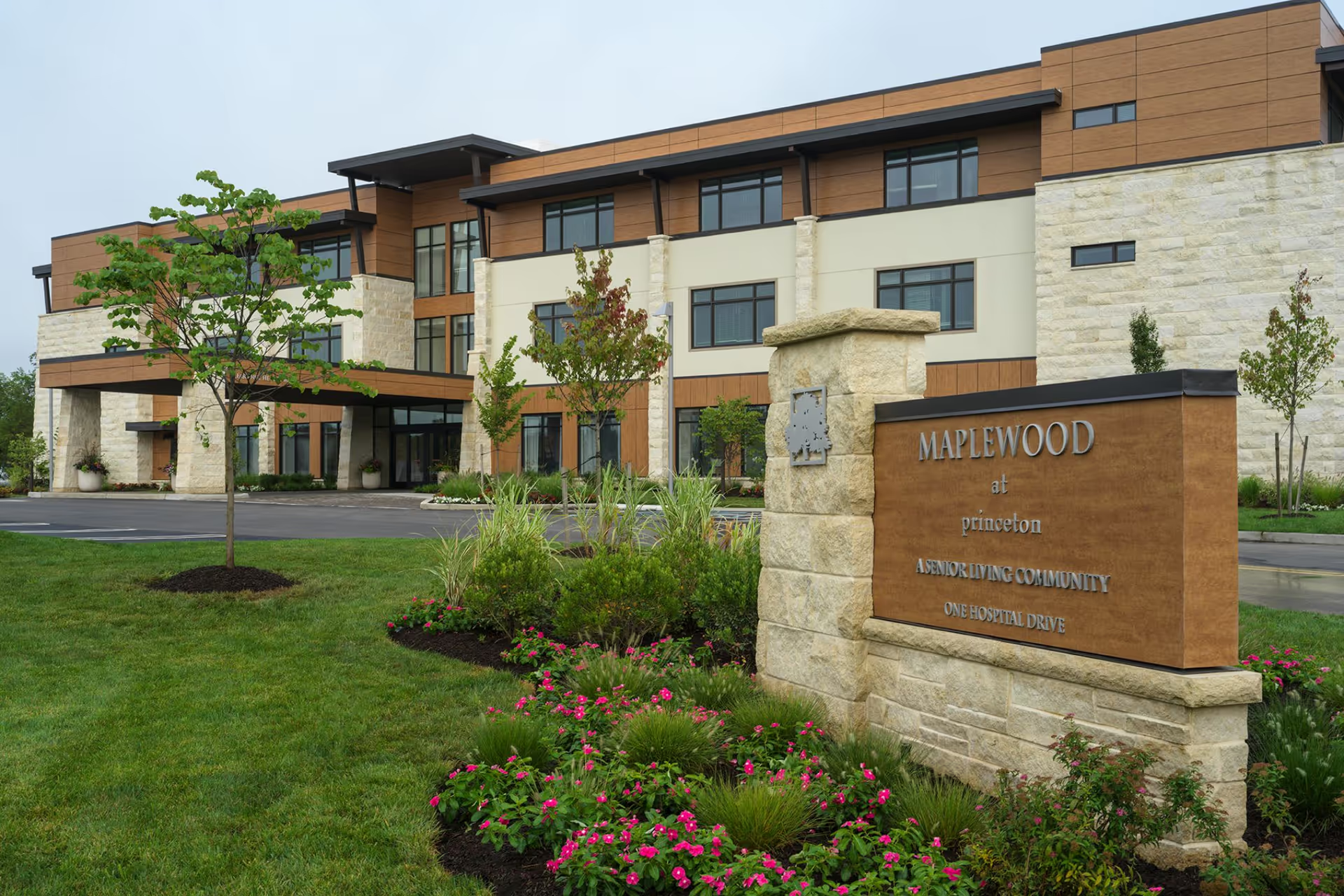
Housekeeping and maintenance issues are a recurring theme. Although the building interior and rooms are frequently described as modern and attractive, several families reported sanitation concerns, odor issues in corridors or rooms, and inconsistent housekeeping practices. Incontinence-care delays and irregular bathing schedules were raised as dignity-and-hygiene concerns. Maintenance responsiveness (for example, air-conditioning repairs) was also noted as variable.
Dining and activities present a mixed picture. Many reviewers praised flavorful meals, large portions, and an organized dining program; others experienced tasteless meals or interruptions in meal service and limited bedside hydration. The activities program is commonly described as engaging and beneficial to residents’ mood and socialization, and activity staff receive positive mentions for individualized attention.
Management and communication are uneven. Some families praised specific administrators and social-work staff for clear, helpful coordination; others experienced dismissive communication, poor discharge planning, and gaps in follow-through (including delayed or missing equipment after discharge). Reviewers perceived instances where financial or aesthetic priorities appeared to take precedence over staffing and operational needs. Additionally, allegations of missing personal items were raised by families and should be considered when assessing personal-property safeguards.
For prospective residents and families: the facility’s therapy program and several dedicated staff are strong assets and can deliver meaningful clinical improvement. However, prospective families should proactively evaluate staffing levels for the units and shifts relevant to their loved one, confirm procedures for medication administration, wound care, and glycemic management, and inquire about housekeeping protocols and personal-property safeguards. Ask for specifics on discharge coordination, loaner equipment availability, and transportation arrangements. Visiting during different shifts, requesting current staffing ratios, and speaking with therapy and nursing leadership can help form a more complete picture before placement.