Lakeland Health Care Center elicits a polarized set of experiences: many families and residents describe a supportive, rehabilitation-focused environment with compassionate staff and good outcomes, while a smaller set of accounts raises operational and safety concerns that prospective families should evaluate when touring the facility.
Care quality and staff: Numerous comments emphasize strong clinical and rehabilitative care—residents frequently improve mobility and function through the facility's physical and occupational therapy programs. Many families praised nurses and CNAs for being attentive, kind, and involved in day-to-day care; specific staff and social-work leadership were noted for clear communication and advocacy. Counterbalancing those positive accounts are multiple descriptions of inconsistent responsiveness (delays during medication passes, calls not returned, and variability in how aides engage). There are also allegations of medication-management weaknesses and at least one instance described as inadequate discharge planning; these suggest areas where clinical controls and handoff procedures may be uneven.
Therapy, dining, and activities: Rehabilitation services are consistently highlighted as a strength—short-term stays with rapid functional gains were commonly reported. The activity program appears active and varied, with an involved life-enrichment director, daily calendars, and social events that support engagement and orientation. Dining is generally viewed positively: meals were described as tasty and accommodating of dietary restrictions in many accounts, though a few comments suggested variability in food quality over time.
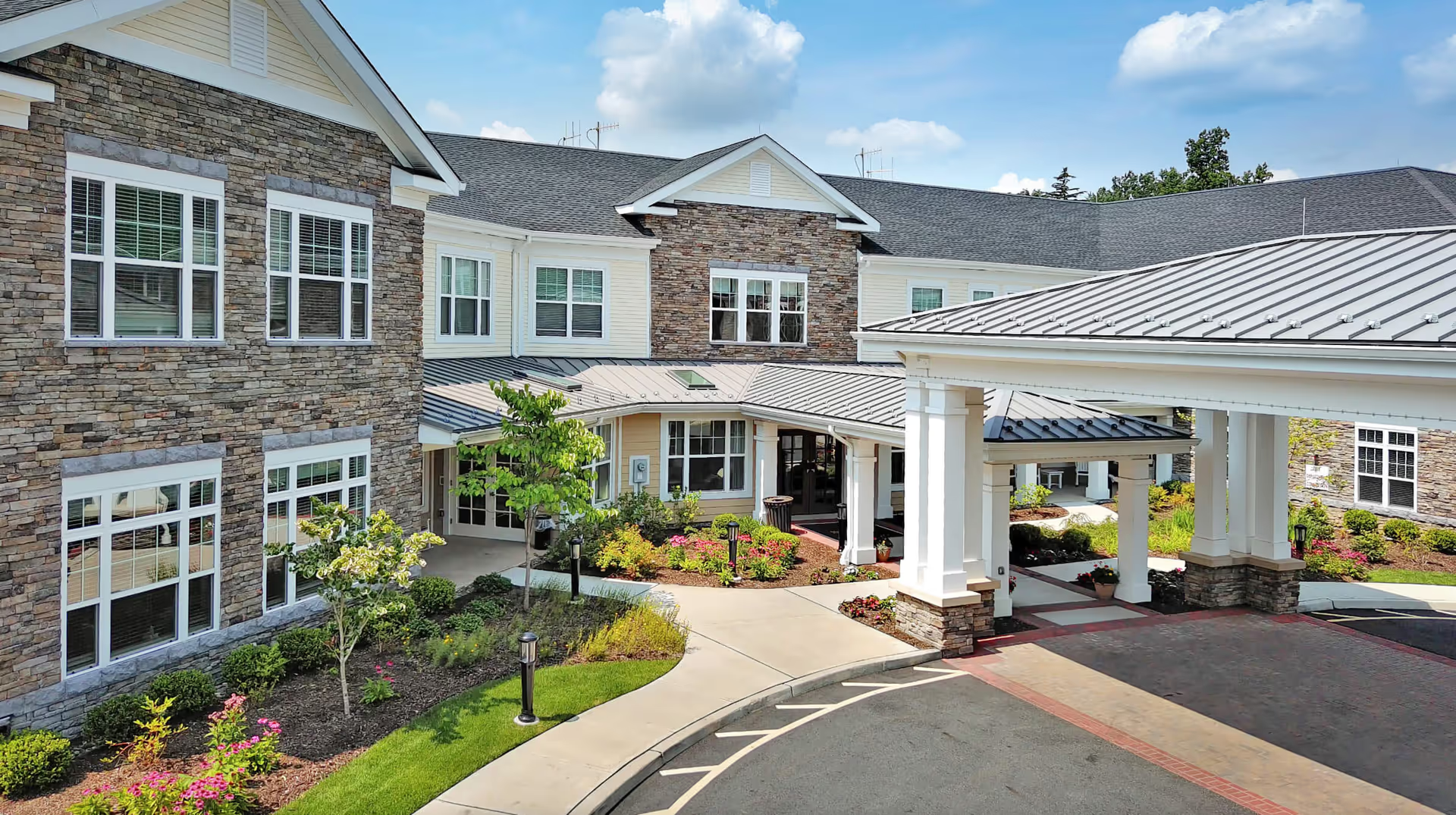
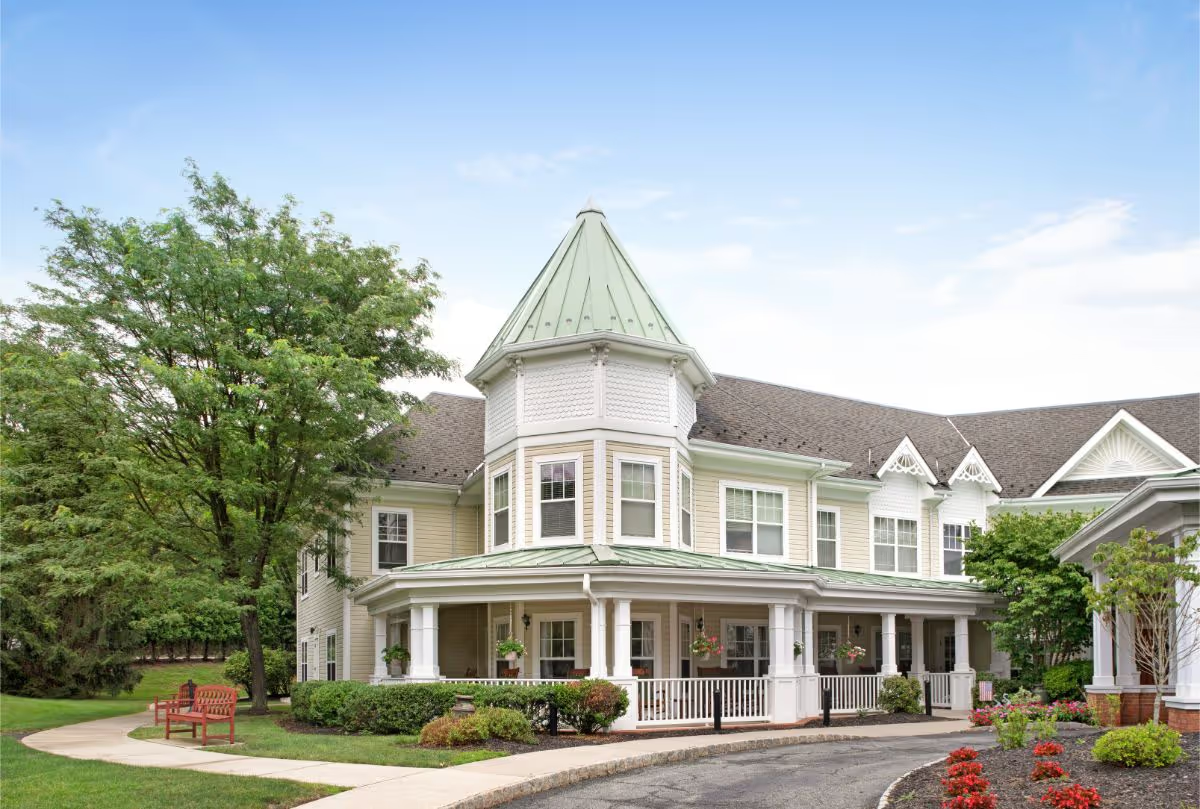
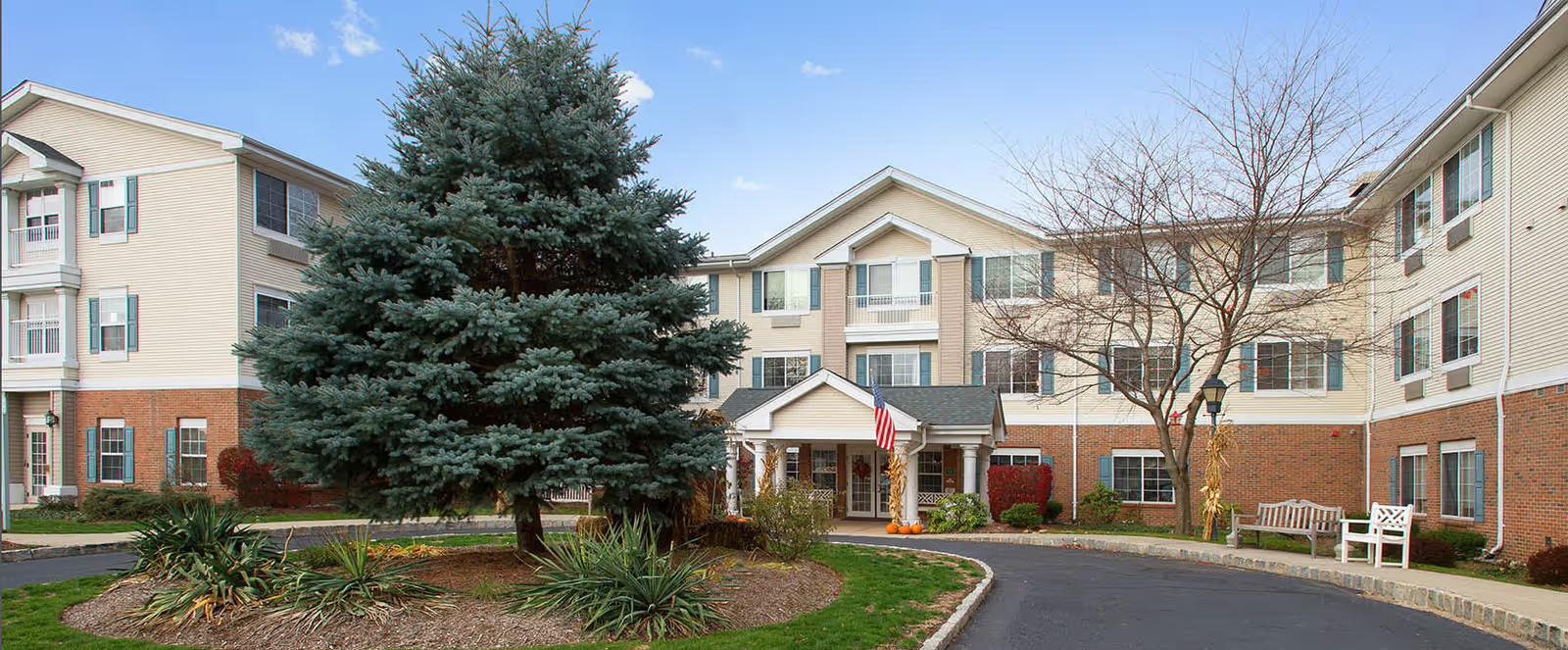
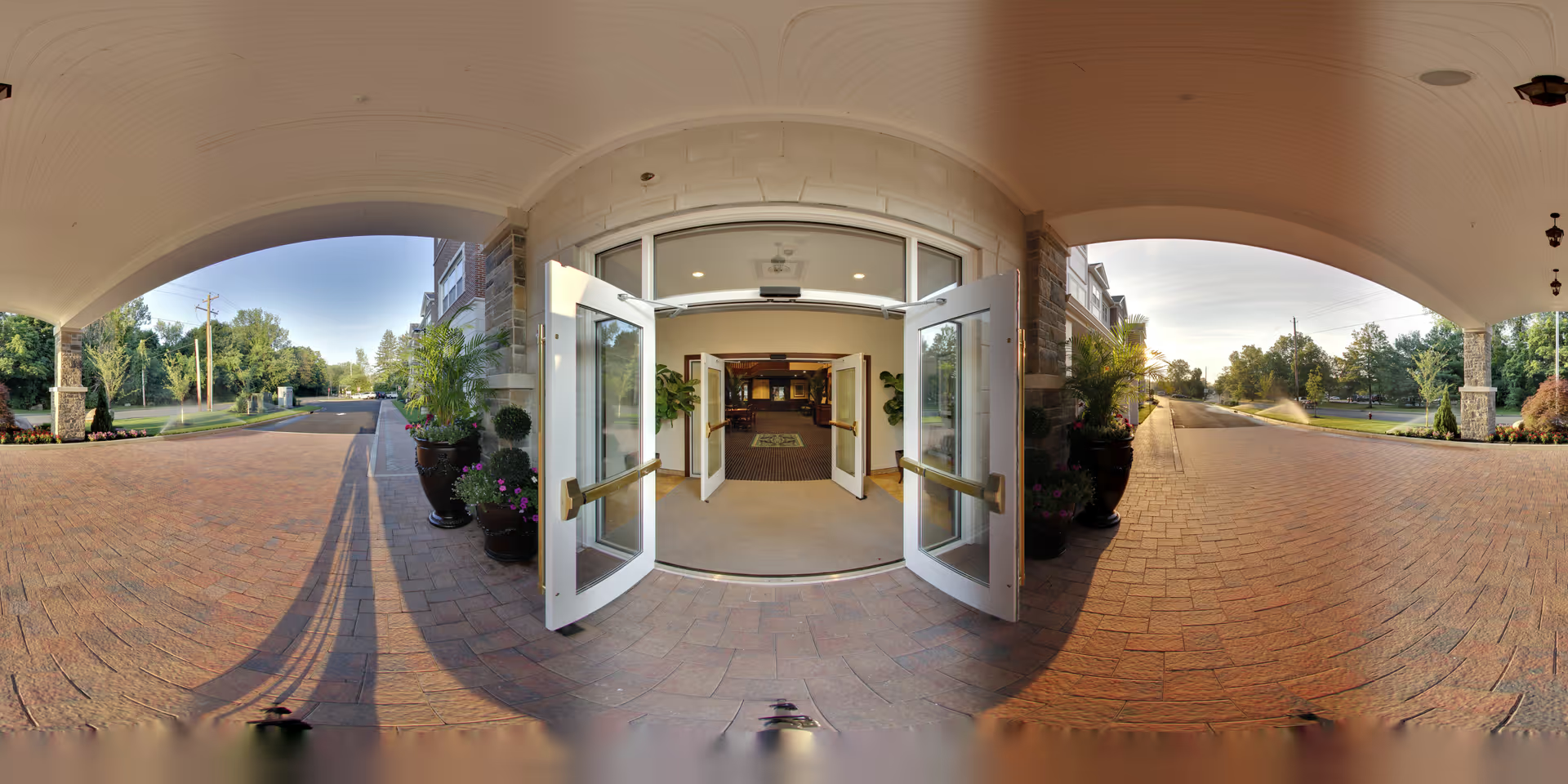
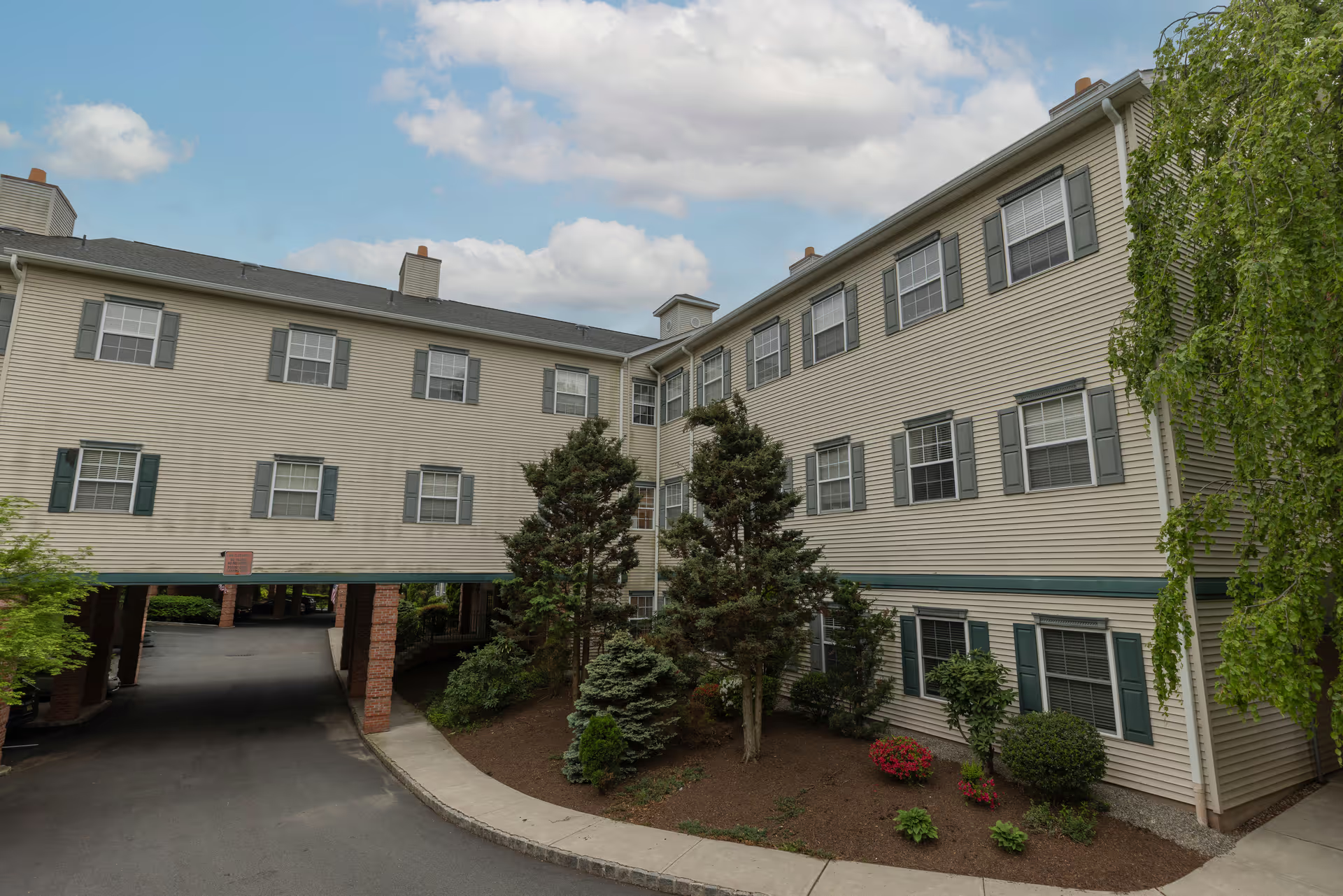
Facilities and sanitation: Many reviewers describe the facility as clean, bright, and home-like, with recent renovations and well-kept common spaces. However, there are also specific sanitation and maintenance concerns raised, including worn mattresses or linens, moisture-related issues in some rooms, and inconsistent housekeeping in certain units. Environmental controls (room temperature and window management) were noted as imperfect in some stays. These contrasting descriptions point to variability in facility upkeep depending on unit or timing.
Management and communication: Leadership and social-work staff are often singled out for transparency, timely problem-solving, and family-centered communication; these strengths appear to mitigate problems when they arise. At the same time, persistent themes include occasional phone-line or nursing-station communication lapses and inconsistent follow-through during transitions of care. Prospective families should observe how administrative staff handle questions and how quickly on-shift teams respond to urgent needs during a visit.
Notable patterns and recommendations: The dominant pattern is one of generally high-quality rehabilitation and many caring staff members, with intermittent operational weaknesses that can affect safety and comfort. When evaluating Lakeland, families should ask specifically about medication-administration protocols, fall- and infection-risk monitoring, recent housekeeping and linen-replacement schedules, discharge-planning procedures, and staffing/training practices for aides. A thorough tour that includes speaking with therapy staff, visiting a resident dining time, and reviewing recent facility maintenance records will help balance the positive testimonials against the operational concerns described.