Overall impression: Reviews of The Terraces at Lawrence present a mixed but predominantly positive picture. Many families and residents praise the facility for compassionate caregiving, strong rehabilitation services, and a robust activities program. Recurrent strengths include experienced nursing and therapy teams that produce measurable rehab outcomes, an engaging life-enrichment schedule (music, outings, chapel services, yoga and social hours), and a generally clean, comfortable campus with spacious rooms and cottage-style living. Admissions and front-line leadership receive frequent positive mention for making transitions smooth and responsive.
Care quality and clinical services: The facility is frequently lauded for its therapy programs (physical, occupational and speech therapy) and for individualized, functional approaches that support measurable progress after surgery, injury, or neurological events. Many reviews cite attentive aides and nurses, good staff-to-resident ratios on several units, and thoughtful clinical oversight. At the same time, a noticeable subset of reviewers described operational lapses such as delayed response to urgent needs, delays in providing oxygen or other timely interventions, and concerns about meal delivery to ill or less mobile residents. Reviewers also referenced issues like improper texture or timing of modified diets and incontinence-care delays; these describe operational inconsistencies rather than uniform practice across the whole campus.
Staff and management: Staff members—including therapists, CNAs, nurses, and admissions personnel—are often singled out by name for positive, compassionate interactions and follow-through. Several families said that individual staff and managers provided reassurance and clear communication. Conversely, other accounts describe gaps in administrative responsiveness, unreturned calls, and curt communication tone. There are also isolated but serious billing and insurance concerns, including a cited instance of unauthorized insurance information use; these appear infrequent but warrant scrutiny. Prospective residents and families should confirm billing procedures and escalation pathways during the tour.
Dining, activities and amenities: Dining is a strong point for many reviewers: varied menus, high-quality meals, and specific favorable dishes were repeatedly mentioned. The activity calendar and life-enrichment program (performances, outings, chapel services, and social events) are consistently described as engaging and well staffed. A practical operational note from reviewers is that meal-service windows can feel narrow for some residents and that delivery/assistance at mealtime for ill or high‑need residents has been inconsistent in some cases.
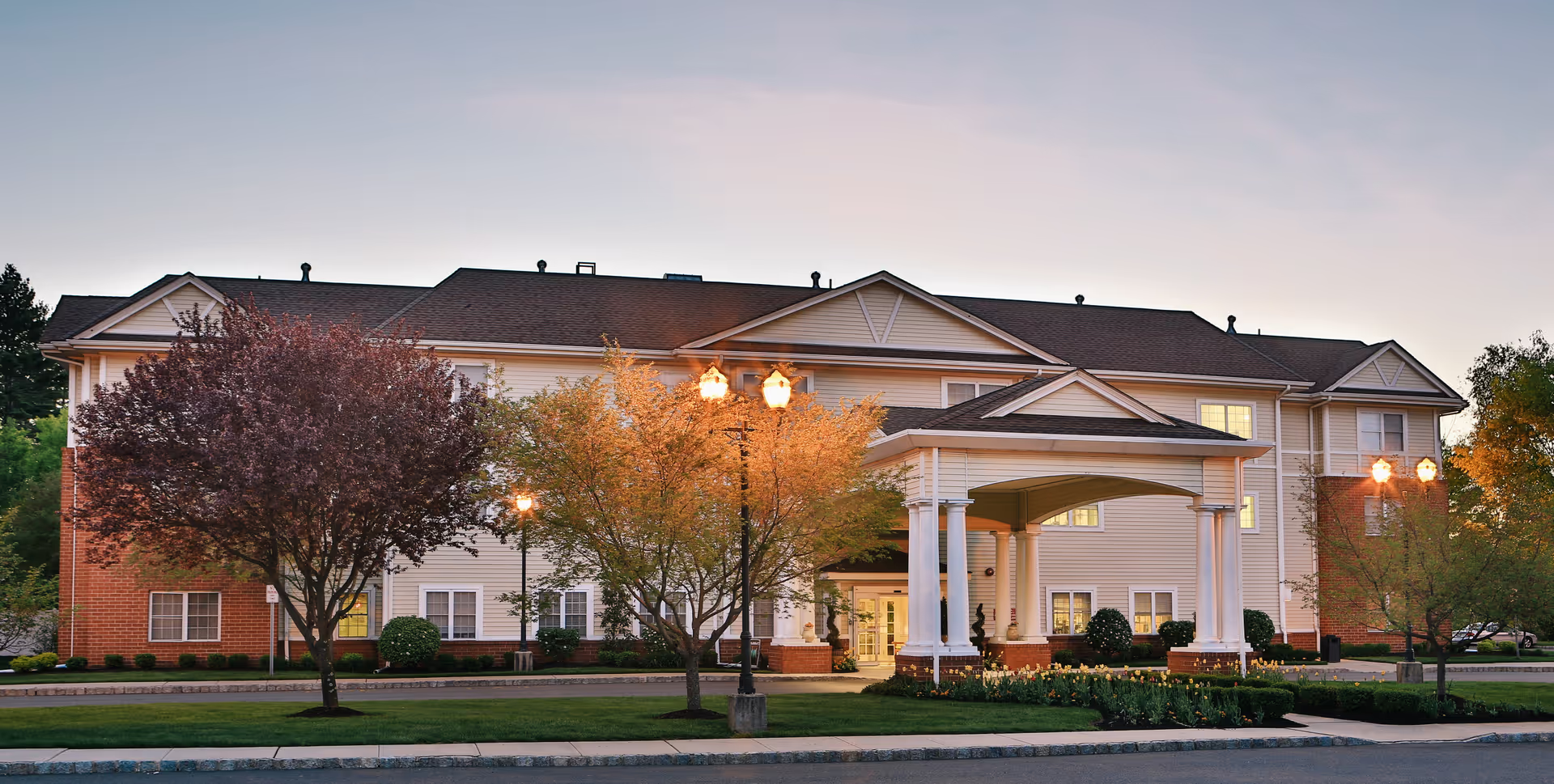
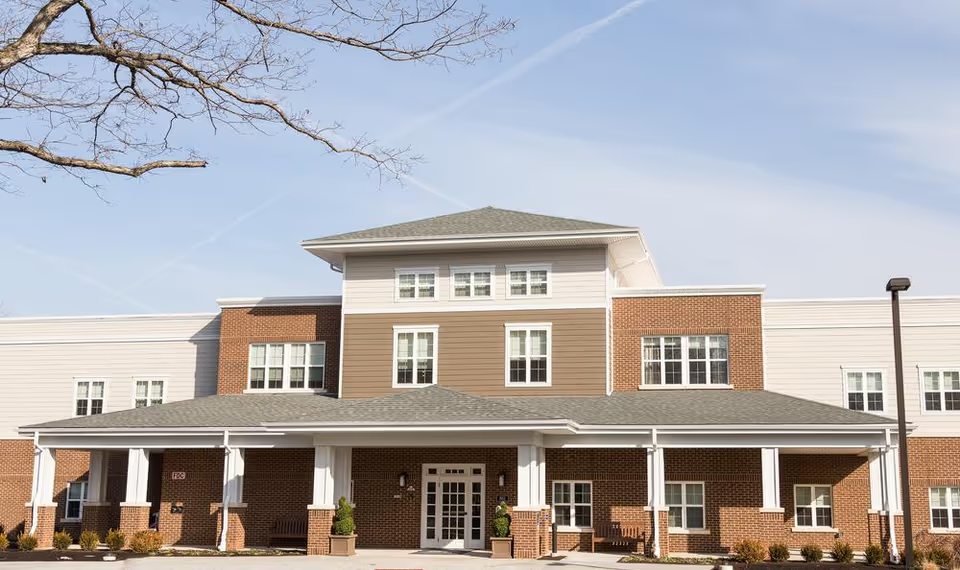
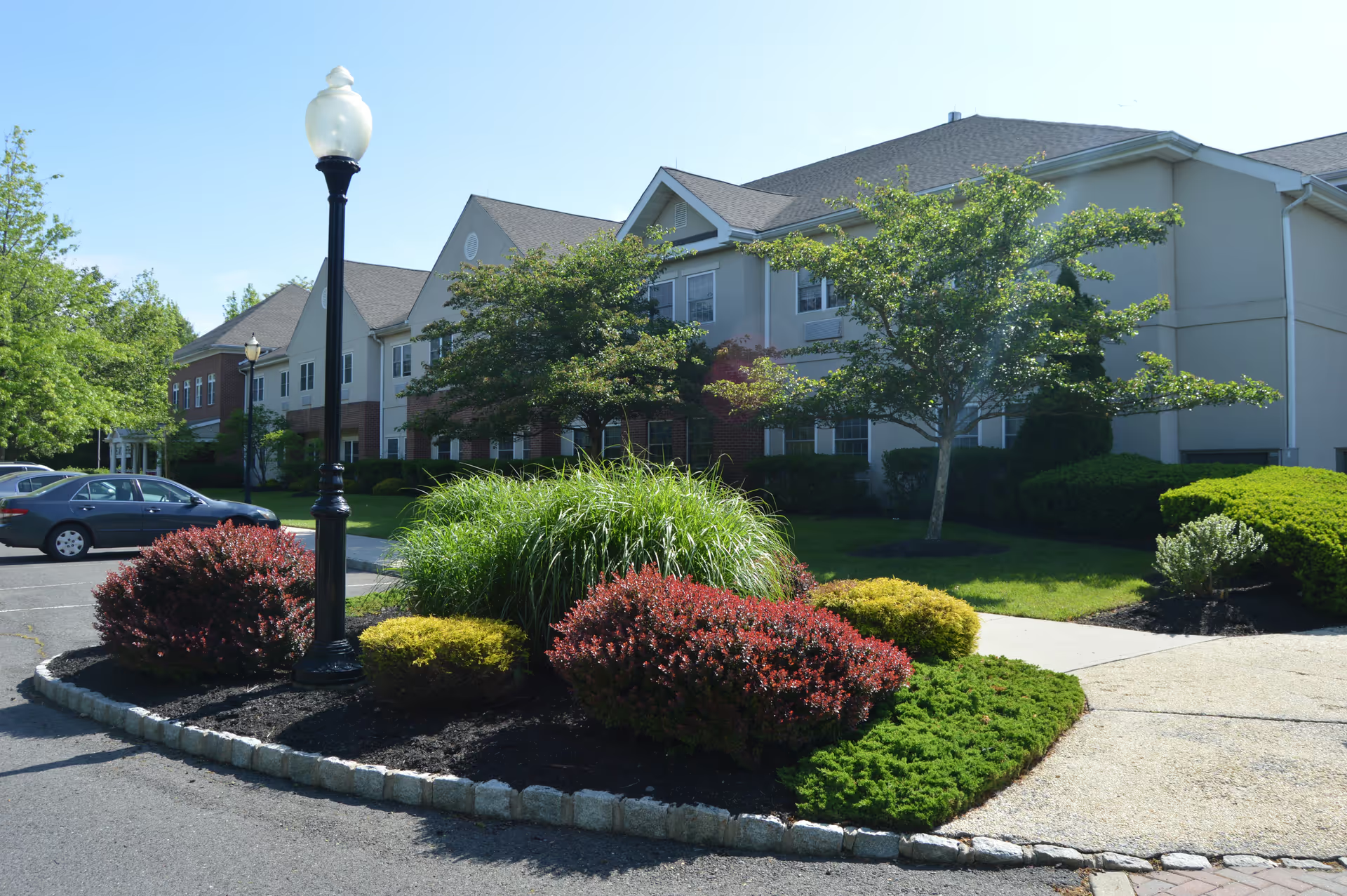
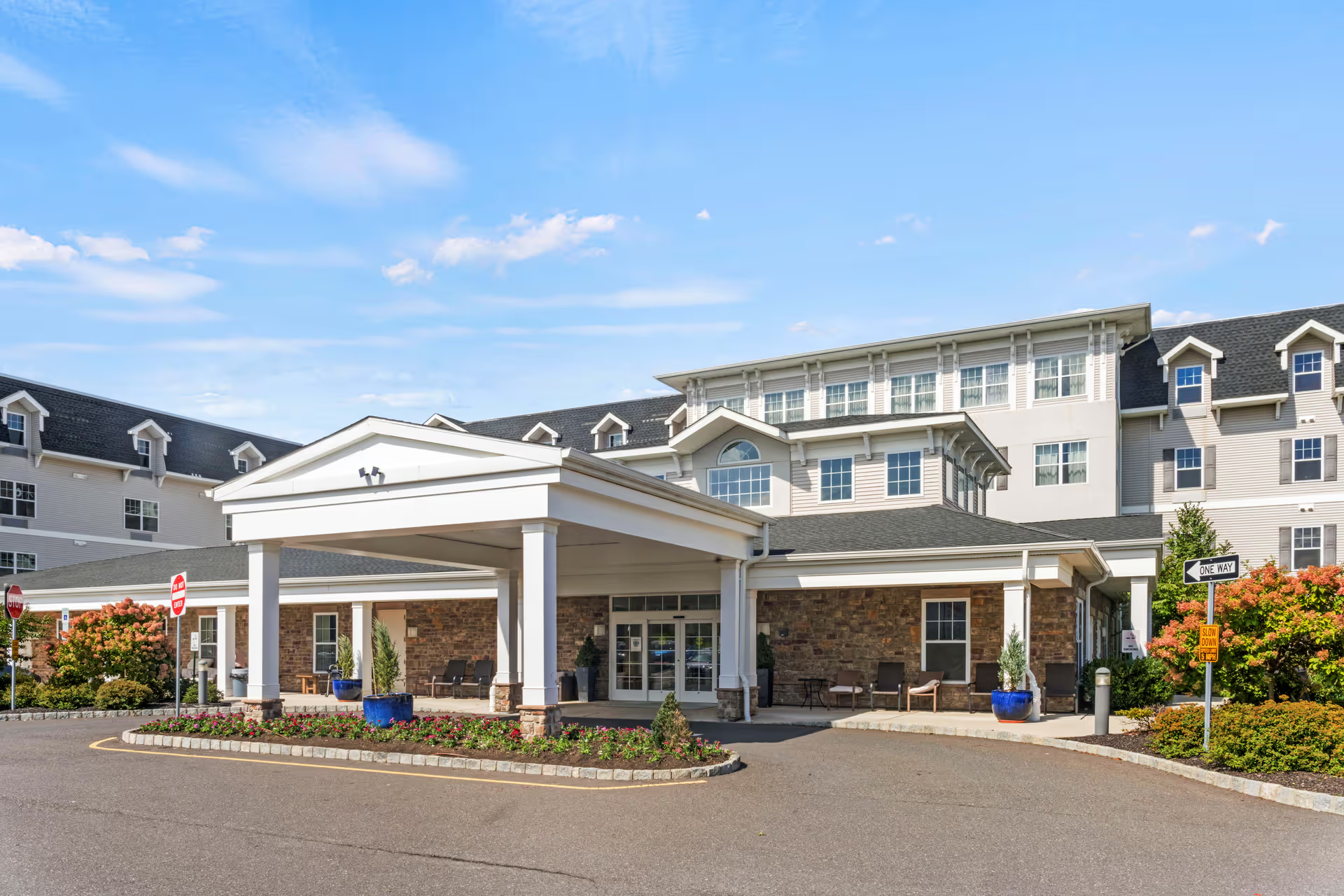
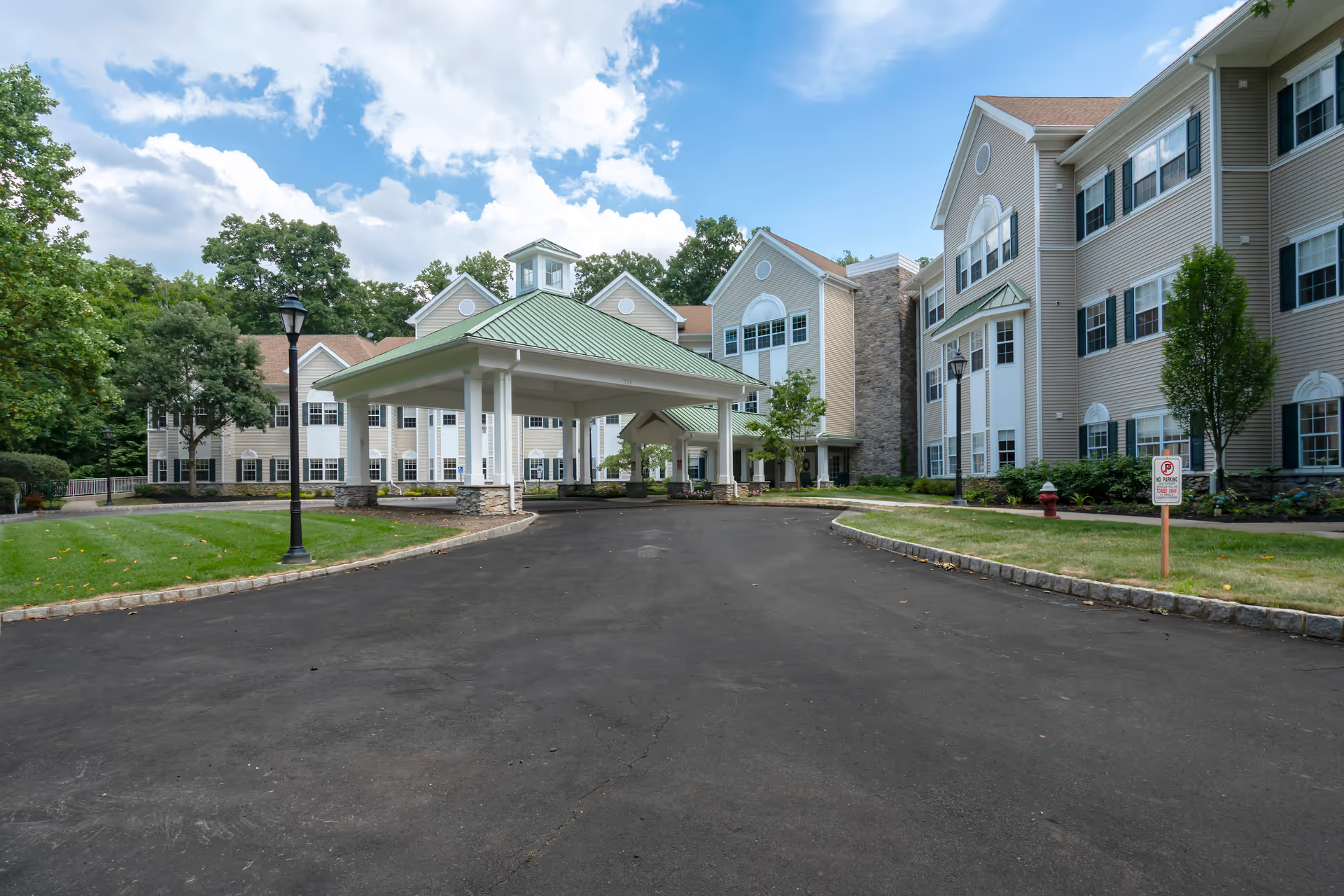
Facilities and safety: The campus, cottages, and public spaces are frequently described as bright, well-kept, and home-like, with ongoing renovations to maintain aesthetics. That said, there are recurring comments about variability in housekeeping and maintenance between units and intermittent sanitation or air-quality concerns in some areas. Safety supervision practices, particularly sitters, toileting assistance, and observation of at‑risk residents, have been called out as a pattern-level weakness in a subset of reports and align with other operational concerns such as staff continuity.
What to ask on a tour: Given the mixed pattern, families should verify current staffing ratios and turnover rates for the specific unit, review medication-administration and urgent-response protocols, ask how meals are delivered to residents who are ill or have limited mobility (and whether meal timing windows can be accommodated), request clarification of billing and insurance authorization processes, and ask for examples of how the facility monitors and mitigates fall and supervision risk. Also request recent housekeeping and infection-control audit results if available.
Bottom line: The Terraces at Lawrence shows clear strengths in rehabilitation, compassionate caregiving, dining, and activities that make it a strong option for many residents—particularly those seeking short-term rehab or a social, activity-rich assisted living environment. However, prospective residents and families should probe operational consistency around staffing, clinical responsiveness, housekeeping, communication, and billing to ensure the campus and specific unit meet their expectations and care needs.