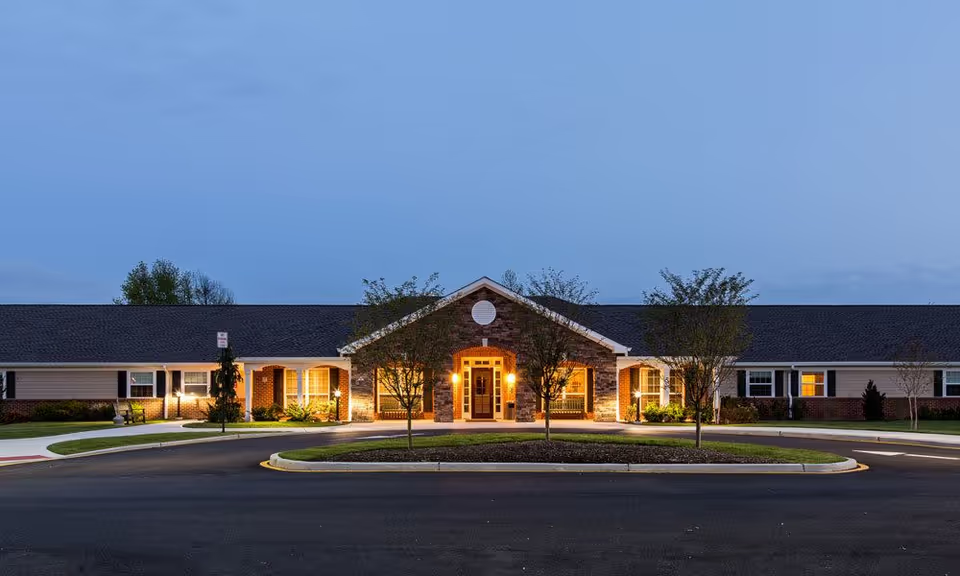
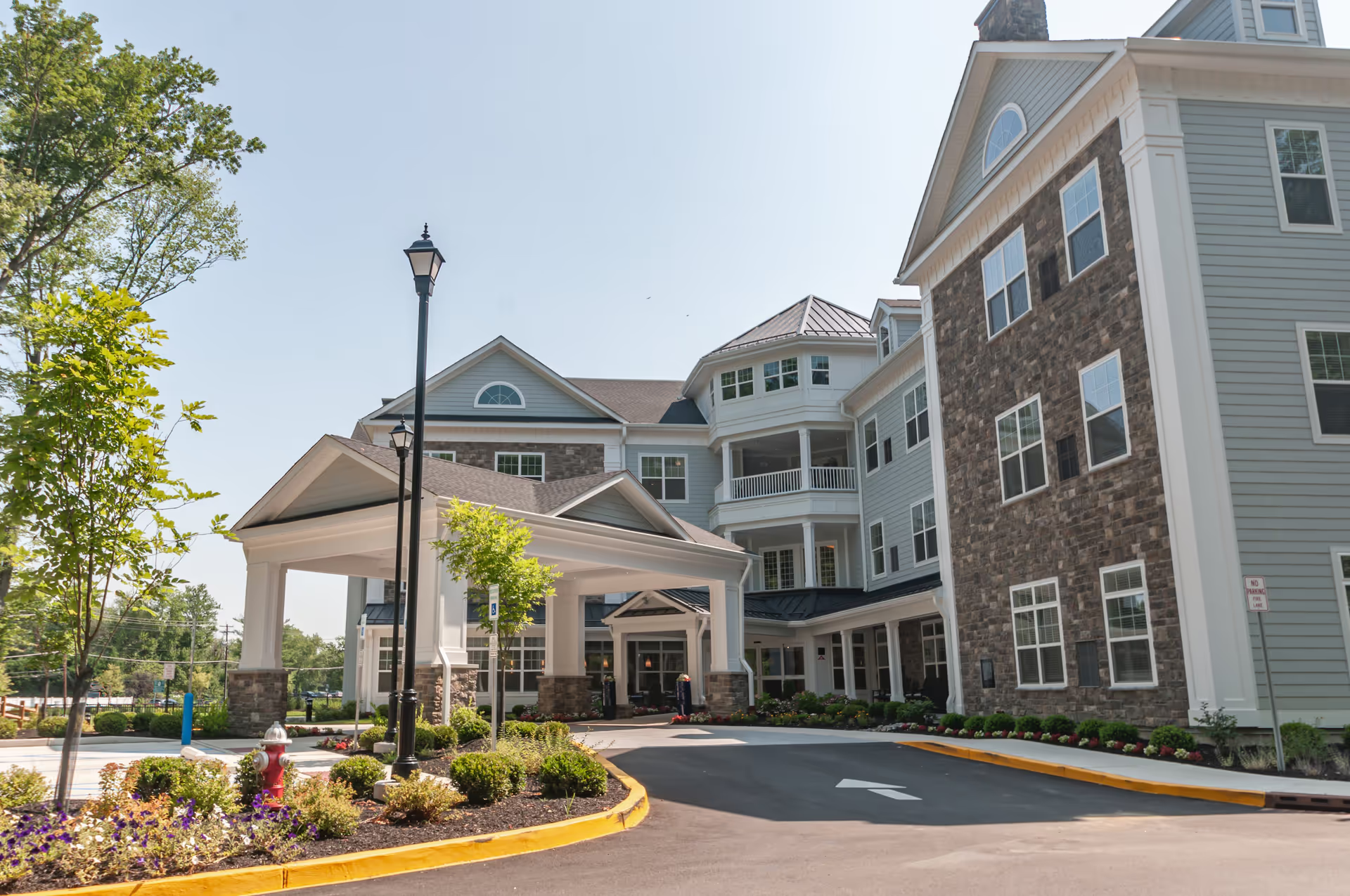
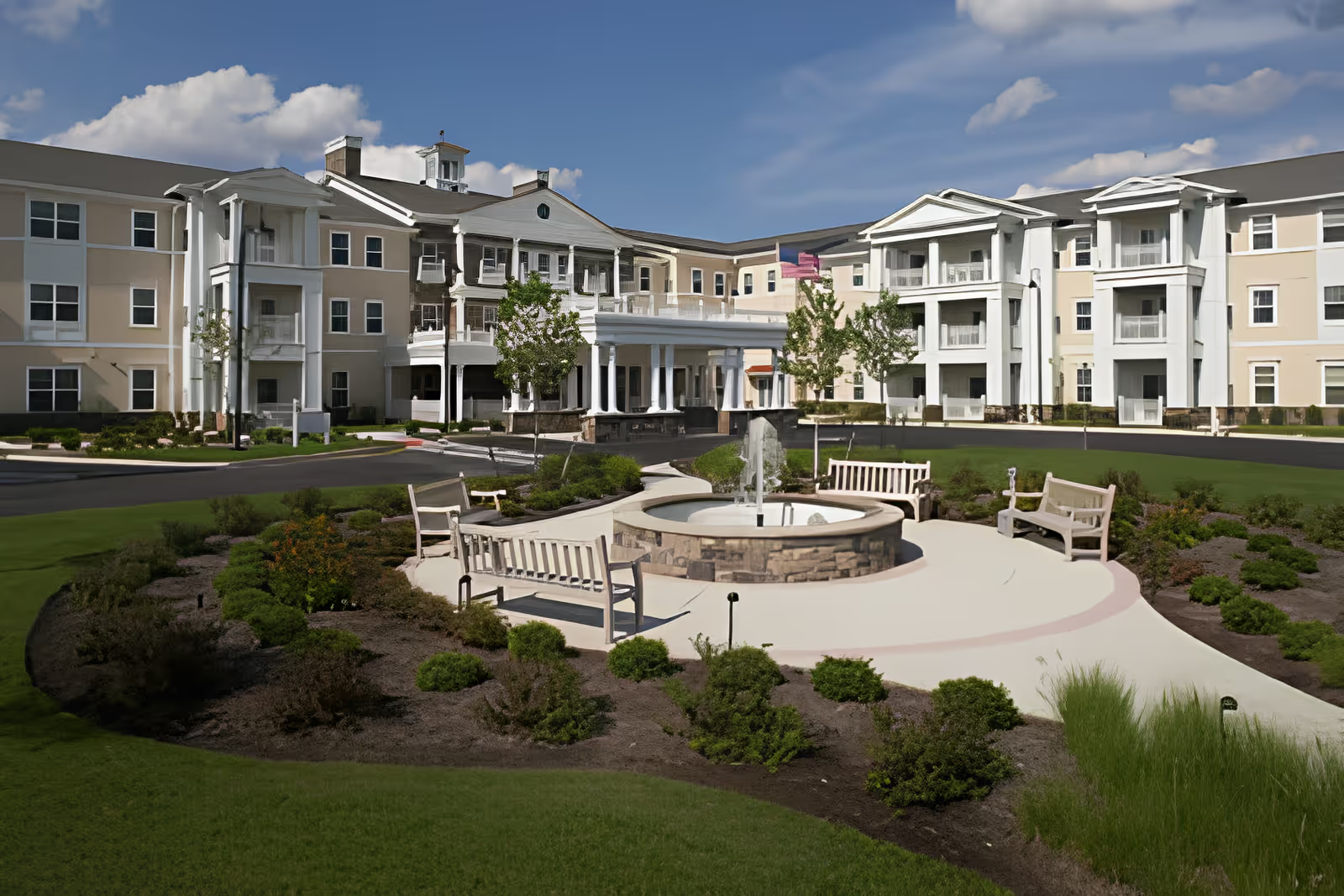
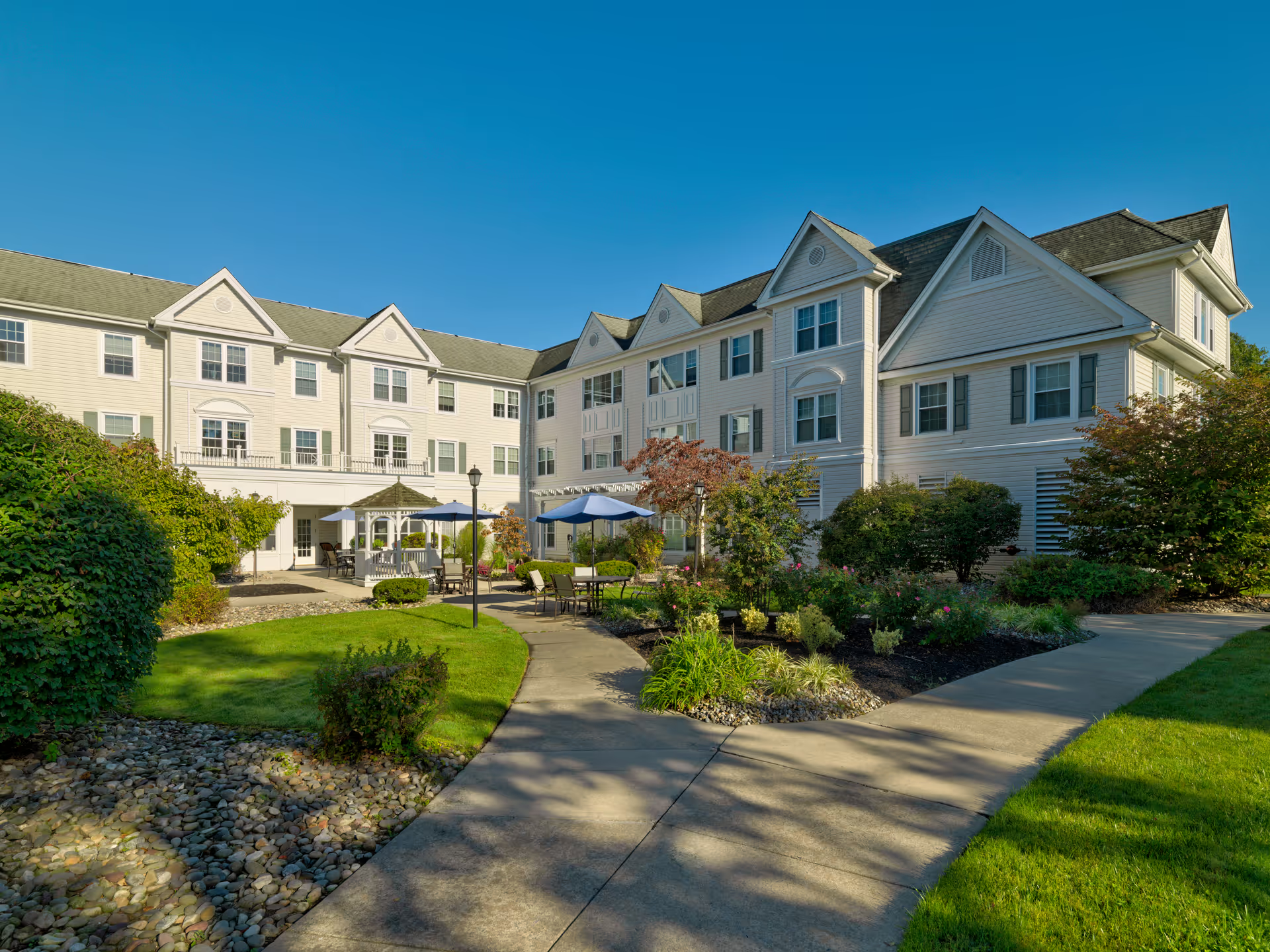
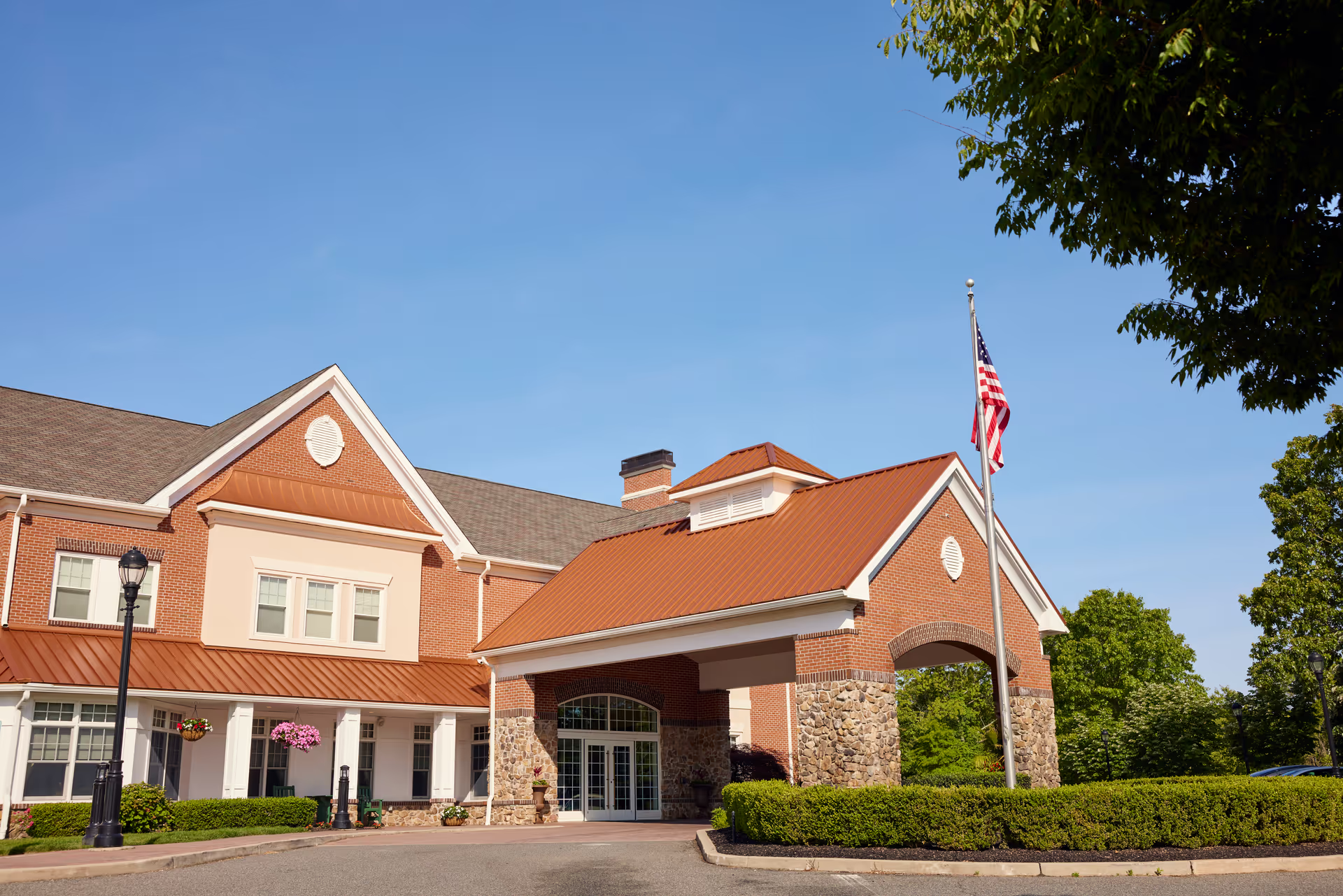
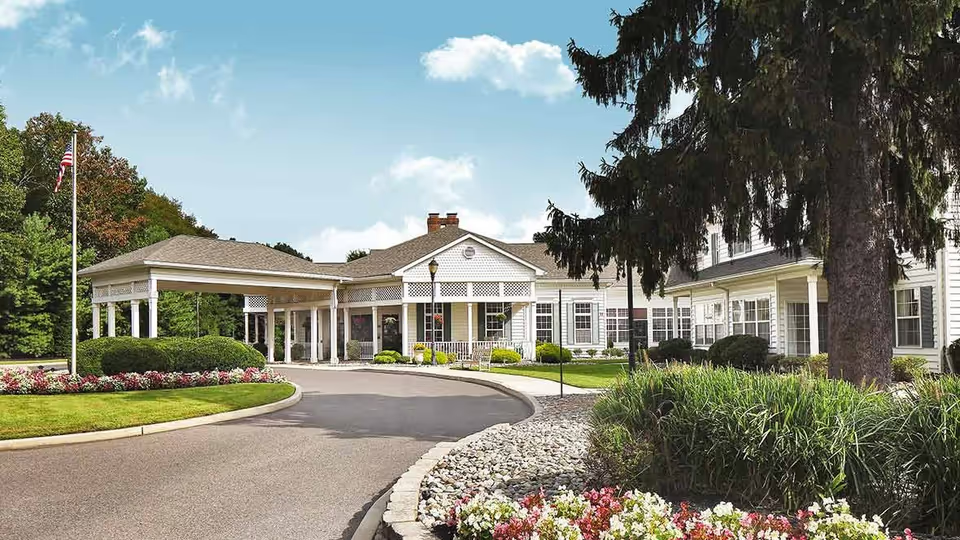
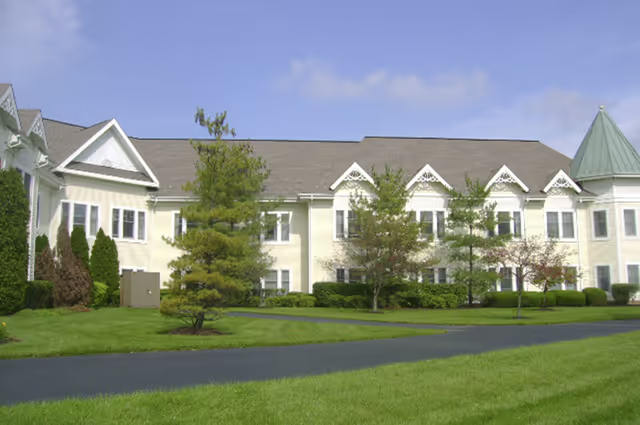
Wiley Christian Retirement Community is generally described as a well-run, faith-oriented nonprofit with a broad continuum of services on a single campus. Reviewers praise the facility’s caregiving culture, noting attentive, respectful interactions and staff who support independence through activities and therapies. The campus offers a mix of independent living townhomes, private rooms and studio apartments, on-site skilled nursing and rehab, weekly physician visits, and physical therapy — features that many families find convenient and clinically robust. Grounds and interiors are frequently characterized as clean and pleasant, and amenities such as a salon, small store, visitor areas, outdoor spaces, and an on-site chapel contribute to a residential feel.
Clinical care and rehabilitation receive consistently positive comments. Families highlight supportive wound-care and rehab programs, accessible physical therapy, and an on-site nursing presence. The community’s infection-control protocols during the COVID-19 period are noted favorably relative to other local long-term care providers. Dining is described as enjoyable and varied, with multiple meal options and generally good quality. Social programming appears active and varied, including outings, shopping trips, adopt-a-grandparent style engagement, and organized events and celebrations that support resident socialization.
Alongside these strengths, reviews identify several operational areas that warrant further inquiry. Staffing continuity and supervisory consistency are uneven; high turnover and occasional lapses in staff conduct and training are cited. Related operational gaps include medication-timing issues and instances where medication distribution or responsiveness to nurse calls was delayed. Sanitation and laundry processes are generally good but have been described as inconsistent in some units, suggesting variability in housekeeping or laundry workflows. A few serious individual claims — including theft and a security breach — indicate property-security controls and staff oversight should be discussed during tours.
Admissions and administrative processes also show mixed performance. Some families describe frustration with admissions communication, bed-hold policy execution, and insurance-authorization delays that affected room availability. Front-desk communication tone was reported as brusque in isolated instances, and transportation safety (vehicle driving practices) and fall- and pressure-injury prevention practices were areas of concern for certain reviewers. These items represent operational gaps rather than universal experience, but they are significant topics to address directly with leadership.
For prospective residents and families: the facility’s clinical resources, infection-control record, amenities, and mission-driven culture are clear strengths. When evaluating Wiley, ask targeted questions about staff turnover and training, background-check and property-security procedures, medication administration protocols and response times, laundry and housekeeping schedules, admissions/bed-hold policies and typical insurance-authorization timelines, transportation safety practices, and fall- and pressure-injury prevention programs. A tour that includes the skilled-nursing unit, rehab spaces, dining, and examples of independent living units — plus conversations with nursing leadership about staffing levels and incident follow-up procedures — will help clarify whether the community’s strengths align with an individual resident’s needs.