Overall impression The Gardens at Monroe Healthcare and Rehabilitation elicits strongly mixed but actionable impressions. Many families and residents praised the caregiving teams, therapy services, cleanliness, and outdoor spaces; these strengths are repeatedly cited as drivers of successful rehabilitations and patient satisfaction. At the same time, a distinct set of operational inconsistencies appears across reviews, producing very different experiences between residents.
Care quality and staff Clinical care and interpersonal conduct show a clear pattern of strengths alongside variability. Numerous accounts describe compassionate, attentive nursing staff, skilled CNAs, and physical/occupational therapists who deliver measurable functional gains. Staff longevity and familiarity with residents are frequently commended. Conversely, a subset of reports points to delayed responses to calls, lapses in medication follow-up or communication, and instances of what families describe as disengaged or apathetic caregivers. These recurring contrasts suggest generally strong baseline staffing and capability, with intermittent breakdowns in responsiveness and clinical follow-through.
Dining and activities Dining experiences are polarized. Many reviewers praise nutritious, plentiful, and attractively presented meals (including kosher options), while others describe inconsistent or unappealing meal quality. Activities programming is consistently highlighted as a positive feature: residents have access to an array of social and religious events, games, sing-alongs, and holiday programs that support engagement and community life.
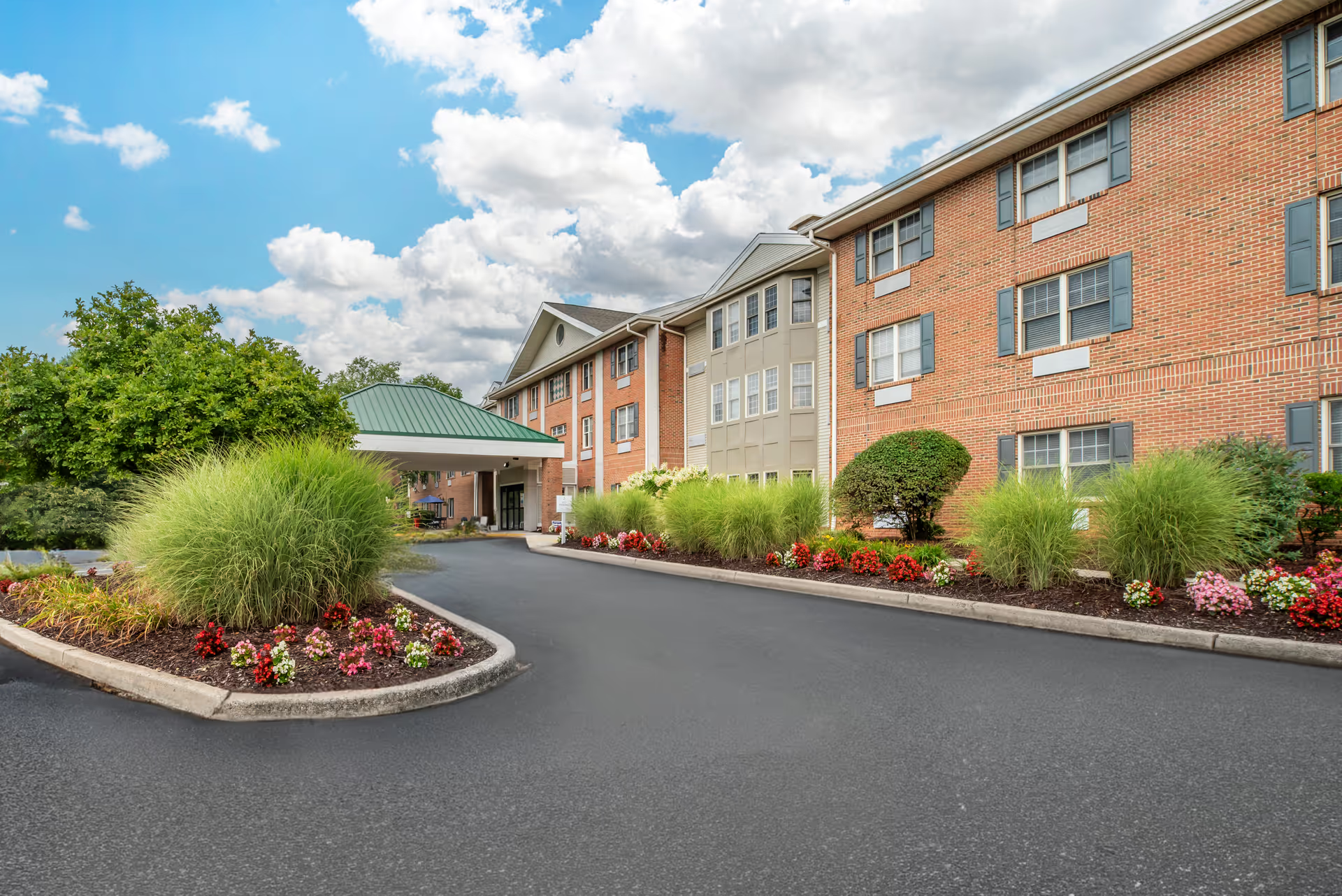
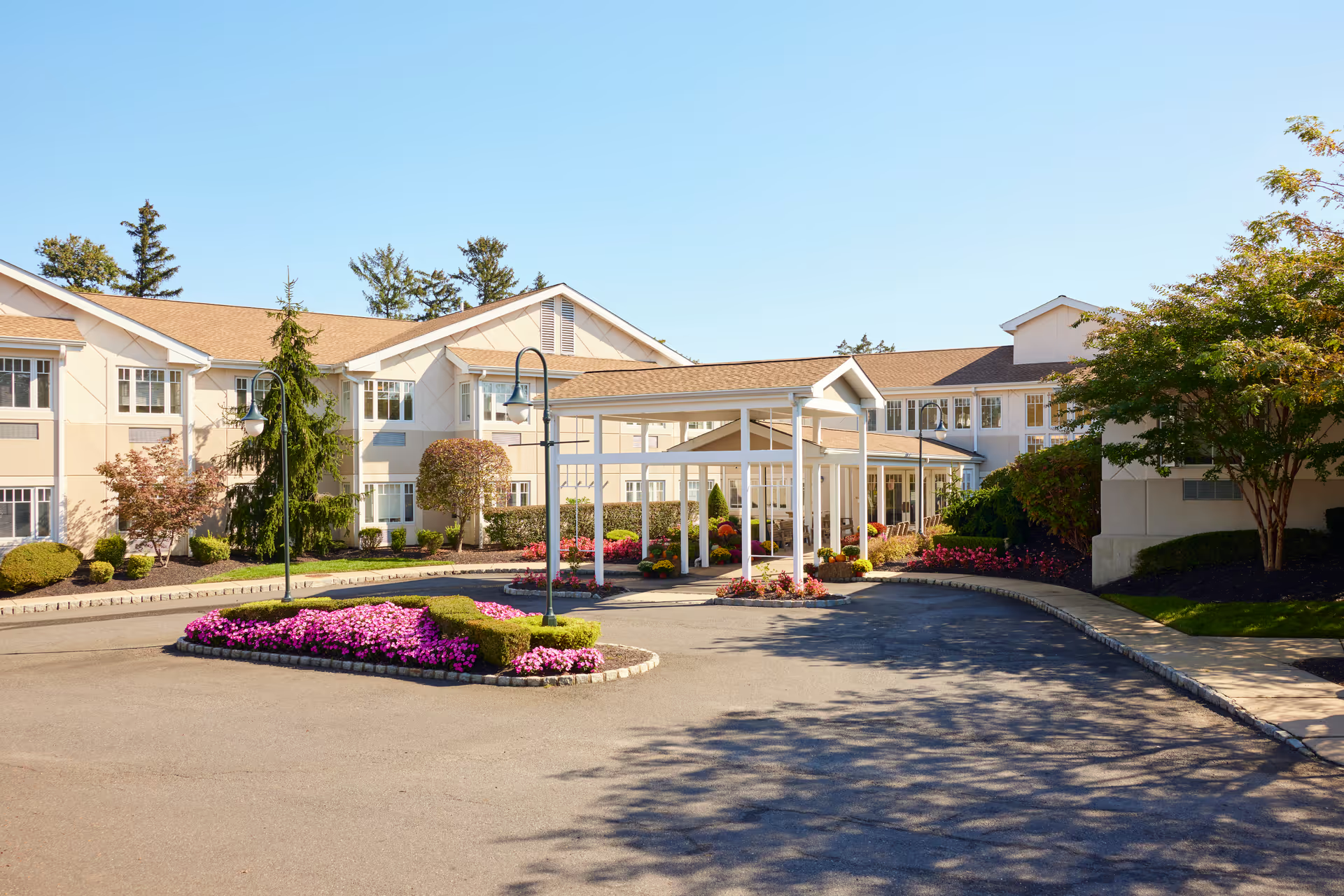
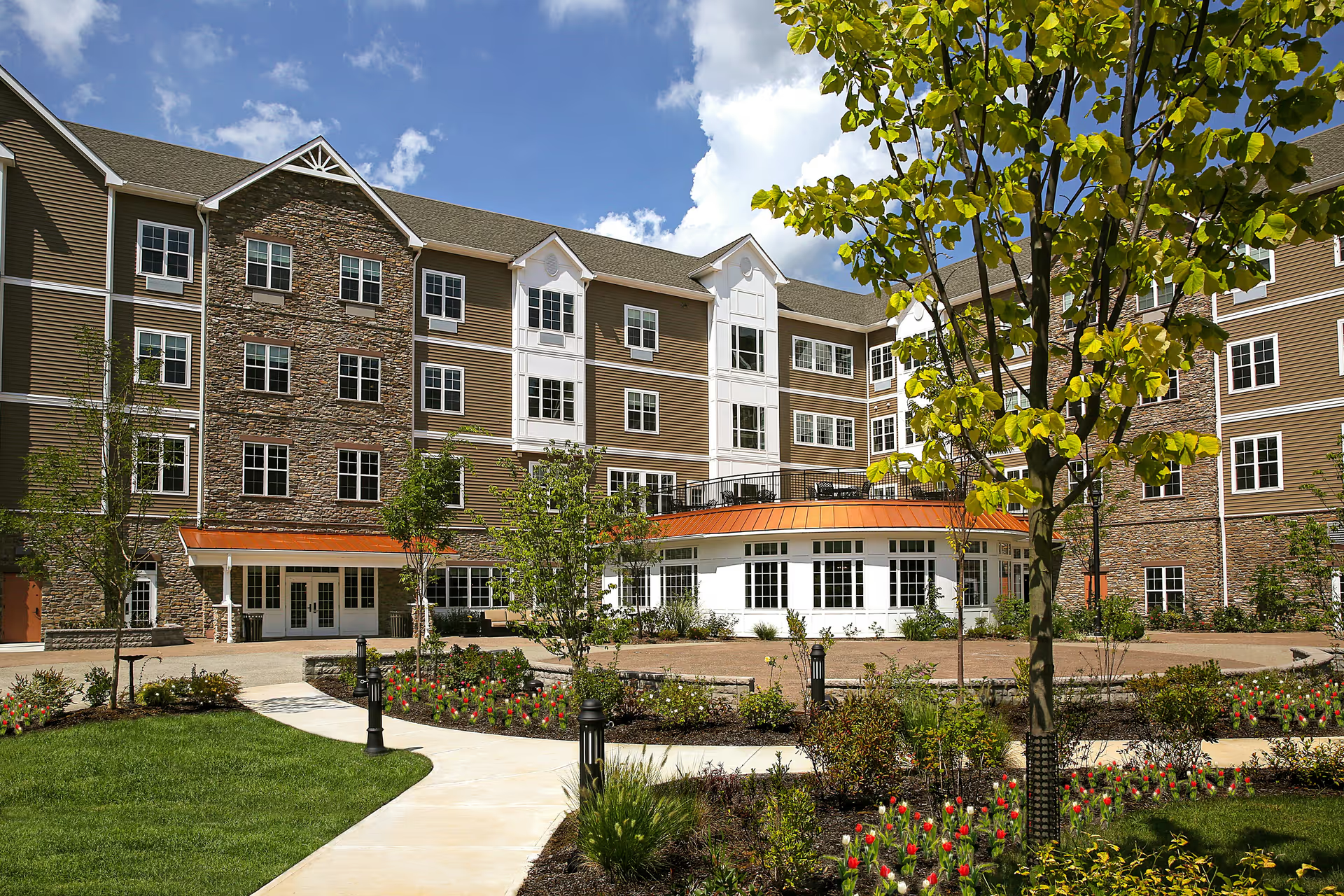
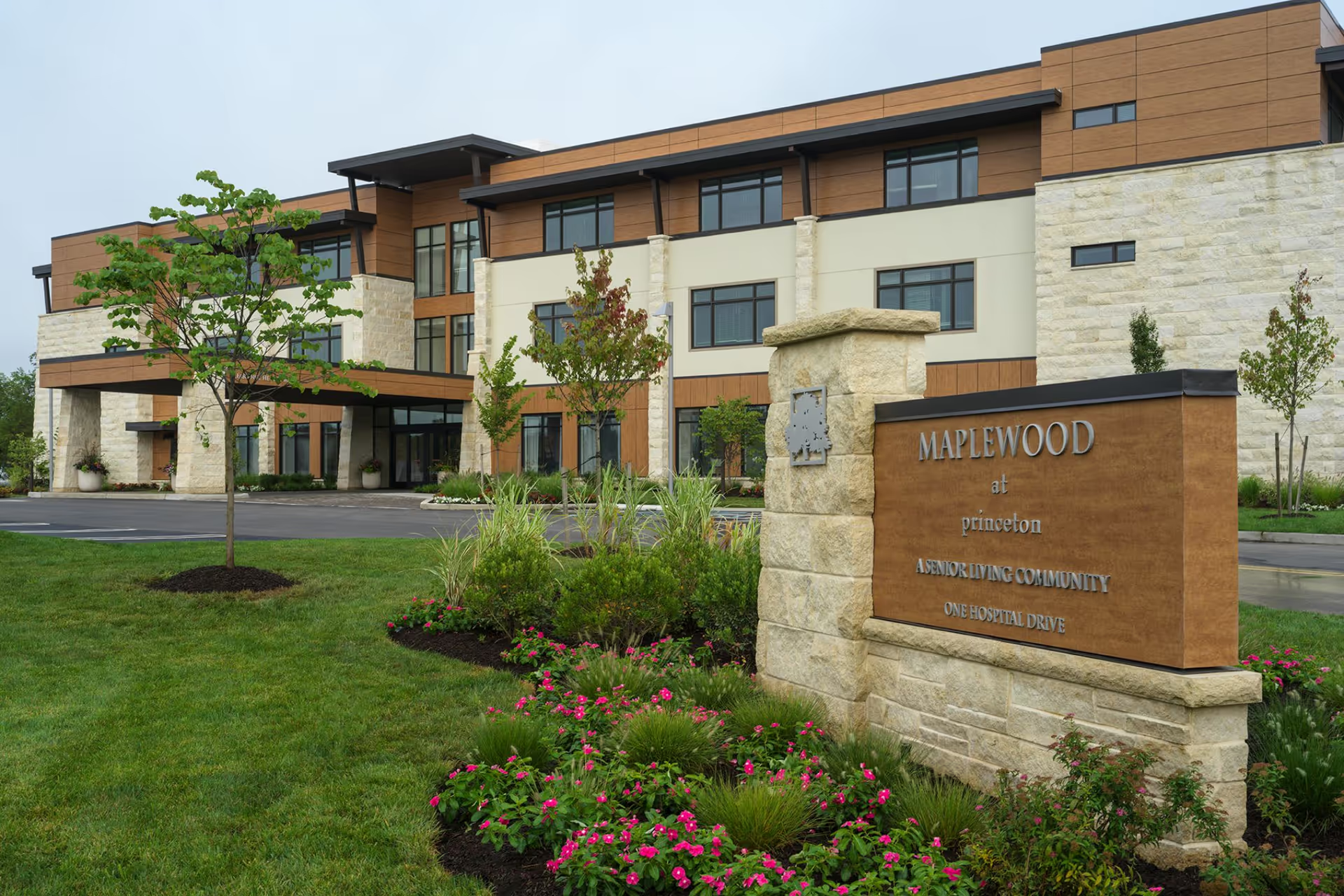
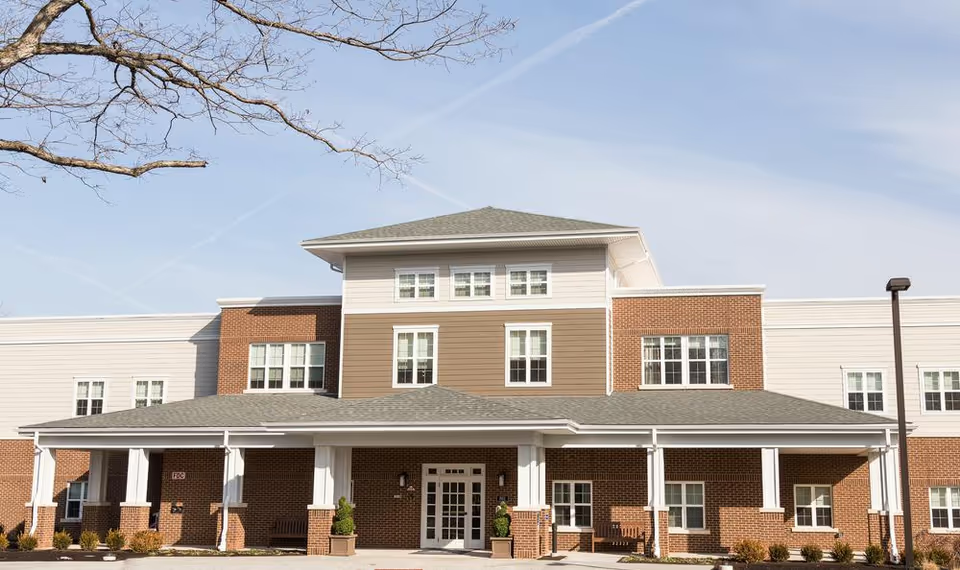
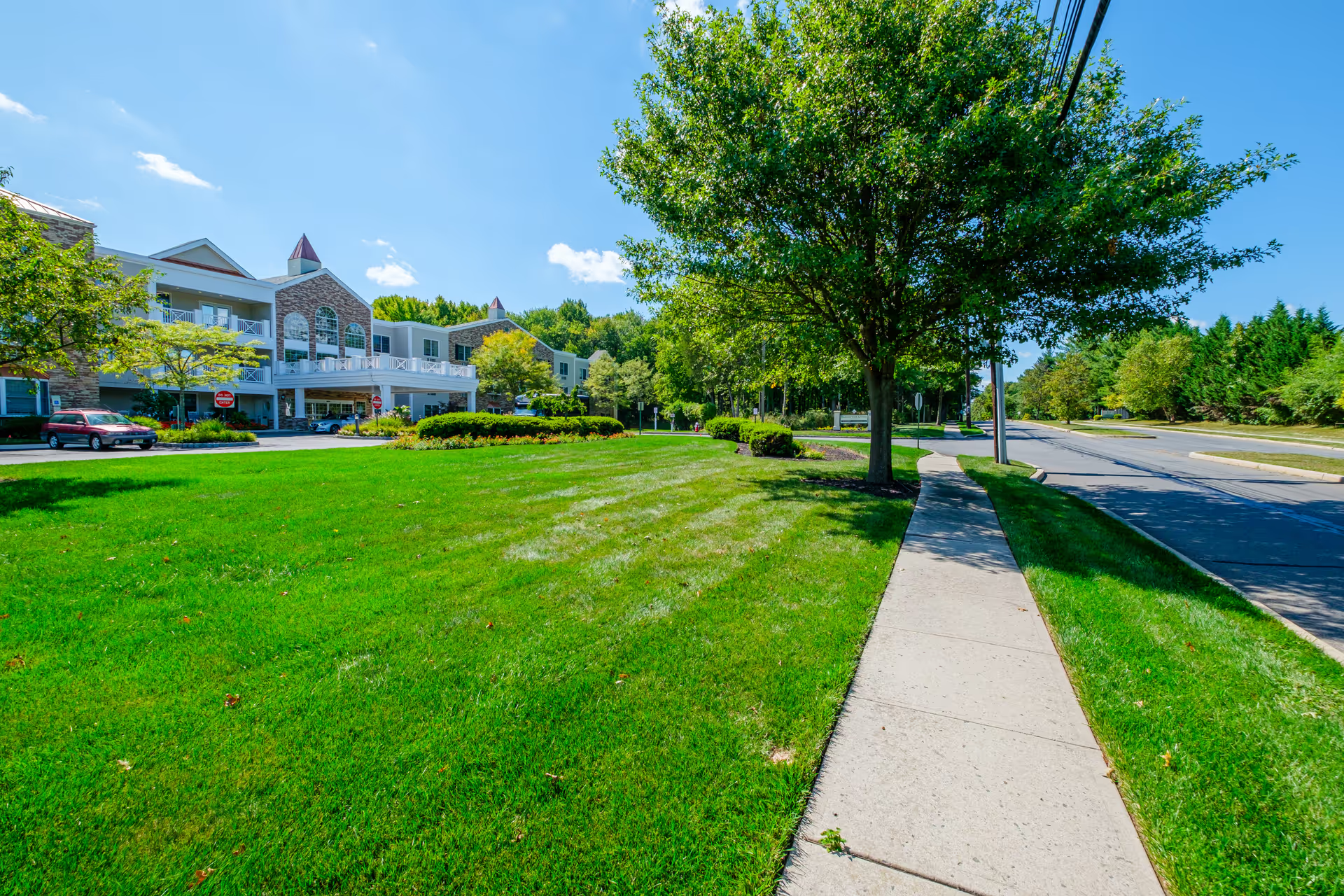
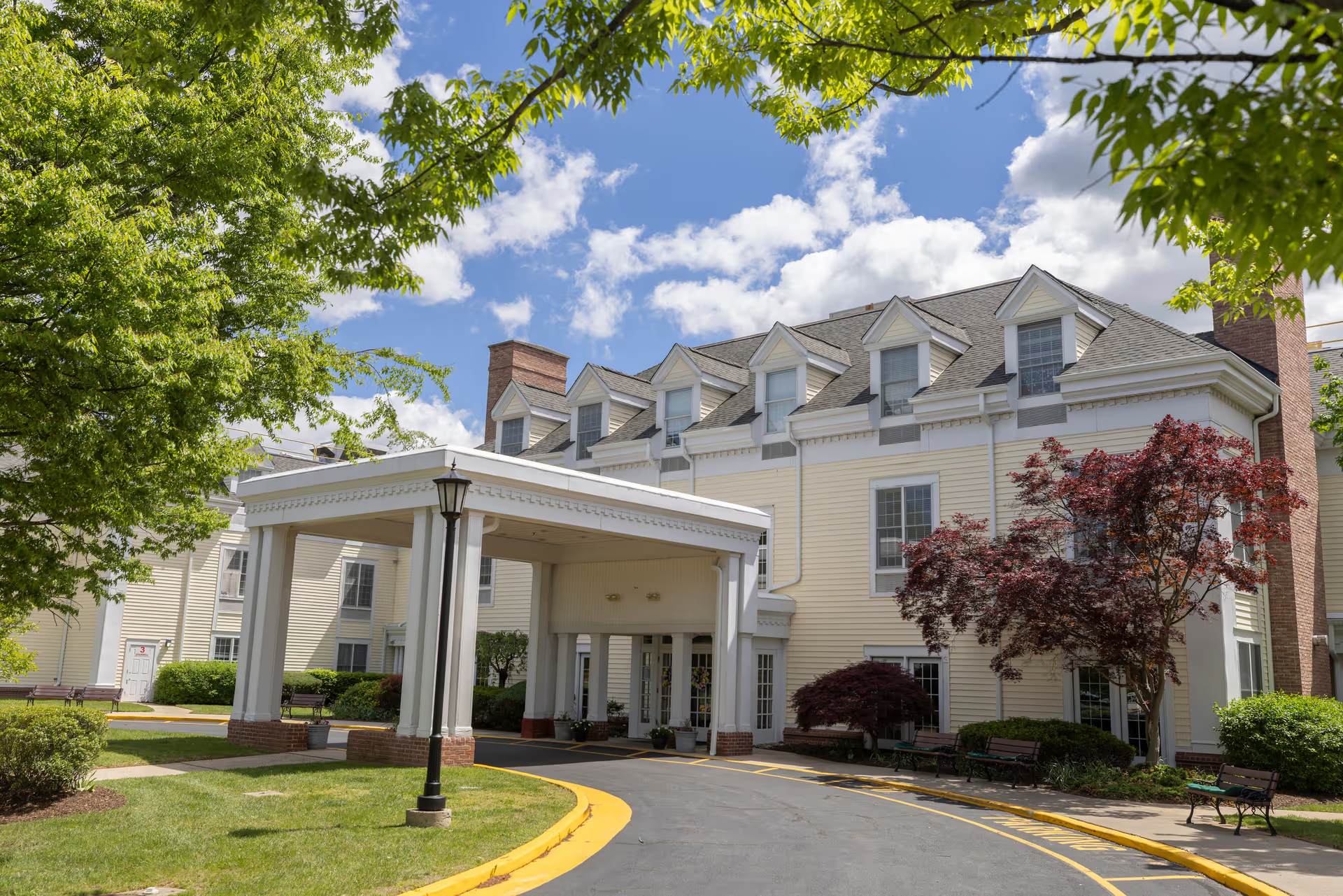
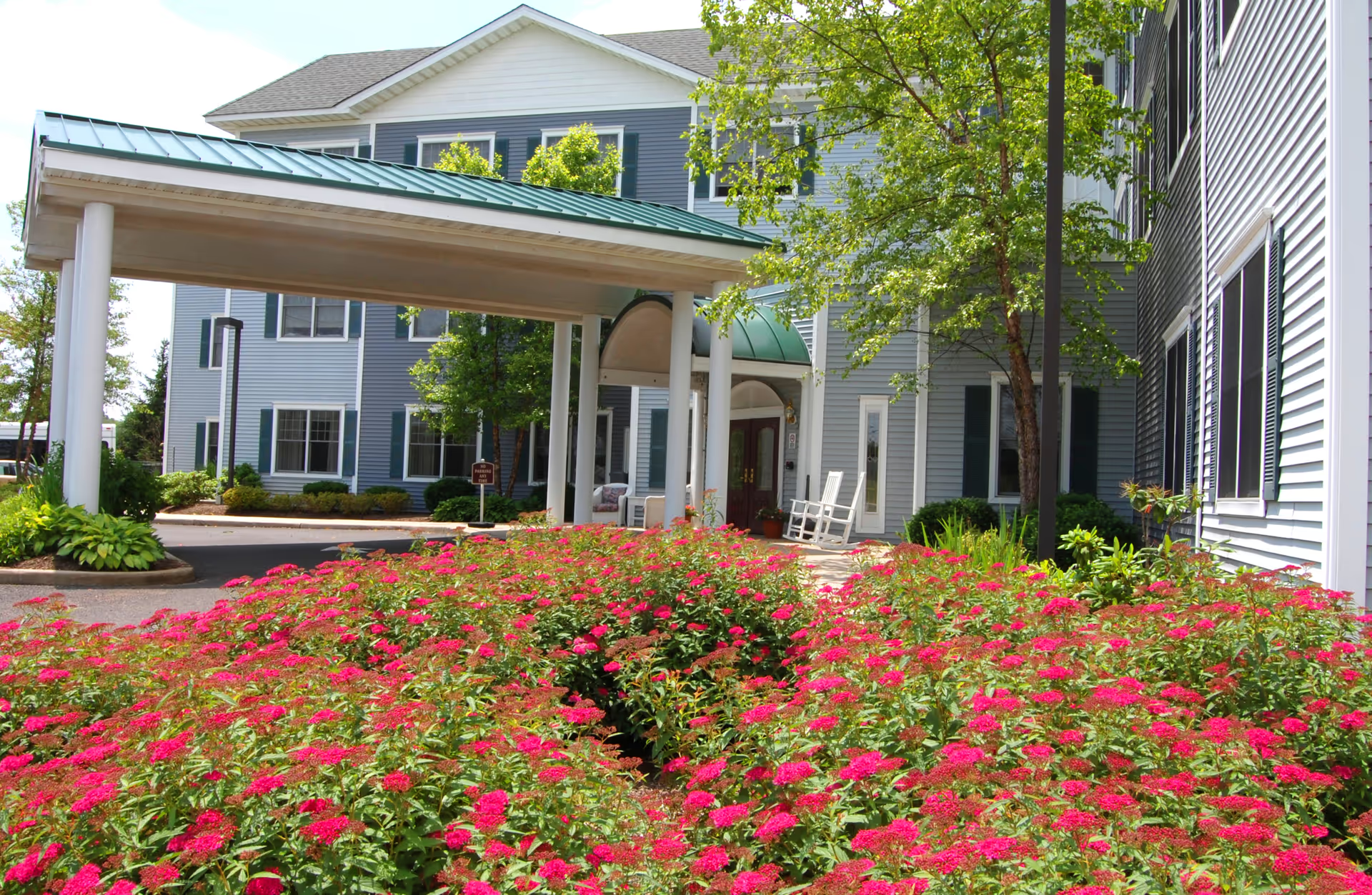
Facilities and amenities The facility is frequently described as clean, bright, and well-maintained, with a welcoming lobby, private-room options, and attractive gardens that residents and families appreciate. However, the building shows signs of age in places: cramped therapy rooms, areas that feel dated, occasional musty odors, and noisy hallways were noted. Some recent renovations are mentioned and viewed favorably, but the physical plant quality appears uneven across units.
Management, communication, and operations Administrative performance receives both high praise and criticism. Several families singled out proactive, visible leadership and programs for regular family updates, and named administrators and social workers for going above and beyond. At the same time, other reviews describe limited responsiveness around discharge decisions, reimbursement policies, lost personal items, and end-of-life coordination — including concerns when care transitions or hospice referrals were needed. Communication gaps around clinical changes, transfers, and family notification recur as a significant operational issue.
Notable patterns and considerations for families A recurring theme is variability: many residents experience excellent, even outstanding rehabilitative outcomes and person-centered care, while others encounter lapses in safety practices, communication, or meal quality. Specific areas that emerge repeatedly are fall-prevention and transfer-safety practices, medication-management follow-up, property/linen handling, and consistent administrative responsiveness. Prospective residents and families should weigh the facility's strong rehabilitation services, compassionate staff, and pleasant outdoor environment against the operational inconsistencies documented by some families. When evaluating the Gardens, consider asking about fall-prevention protocols, medication-reconciliation processes, sample menus and dining routines, property-handling policies, staffing ratios and therapist continuity, and recent renovation or maintenance plans to align expectations with current practice.