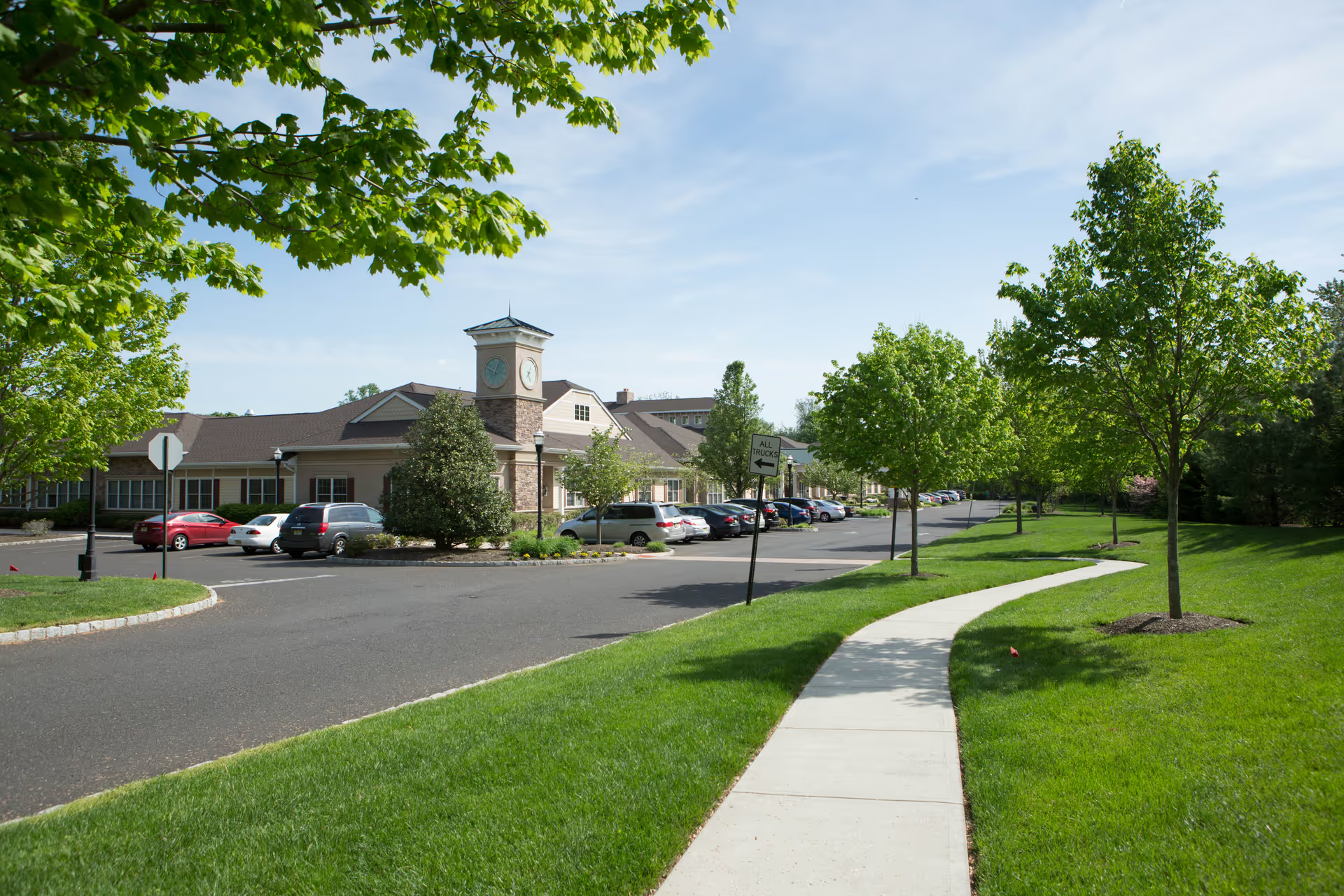
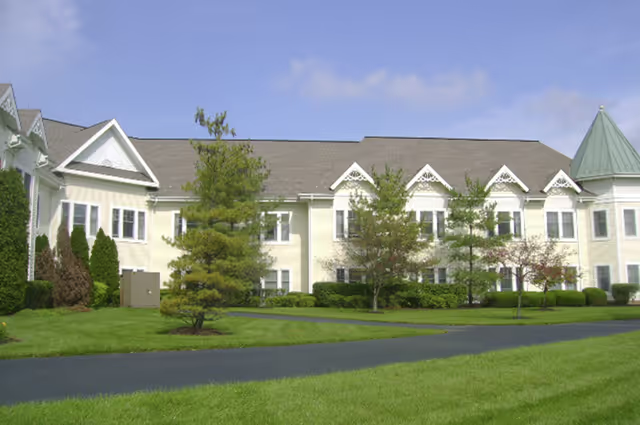
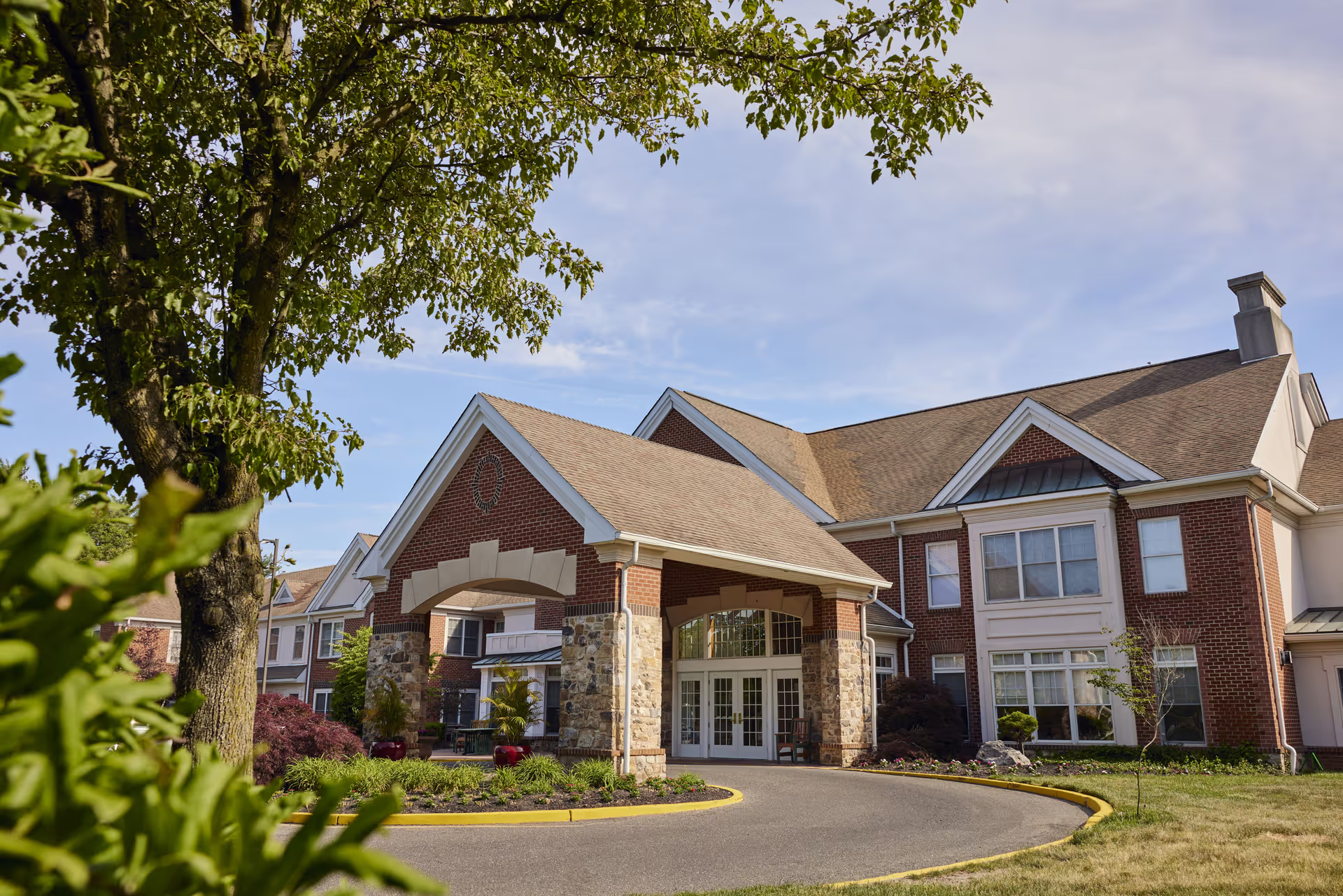
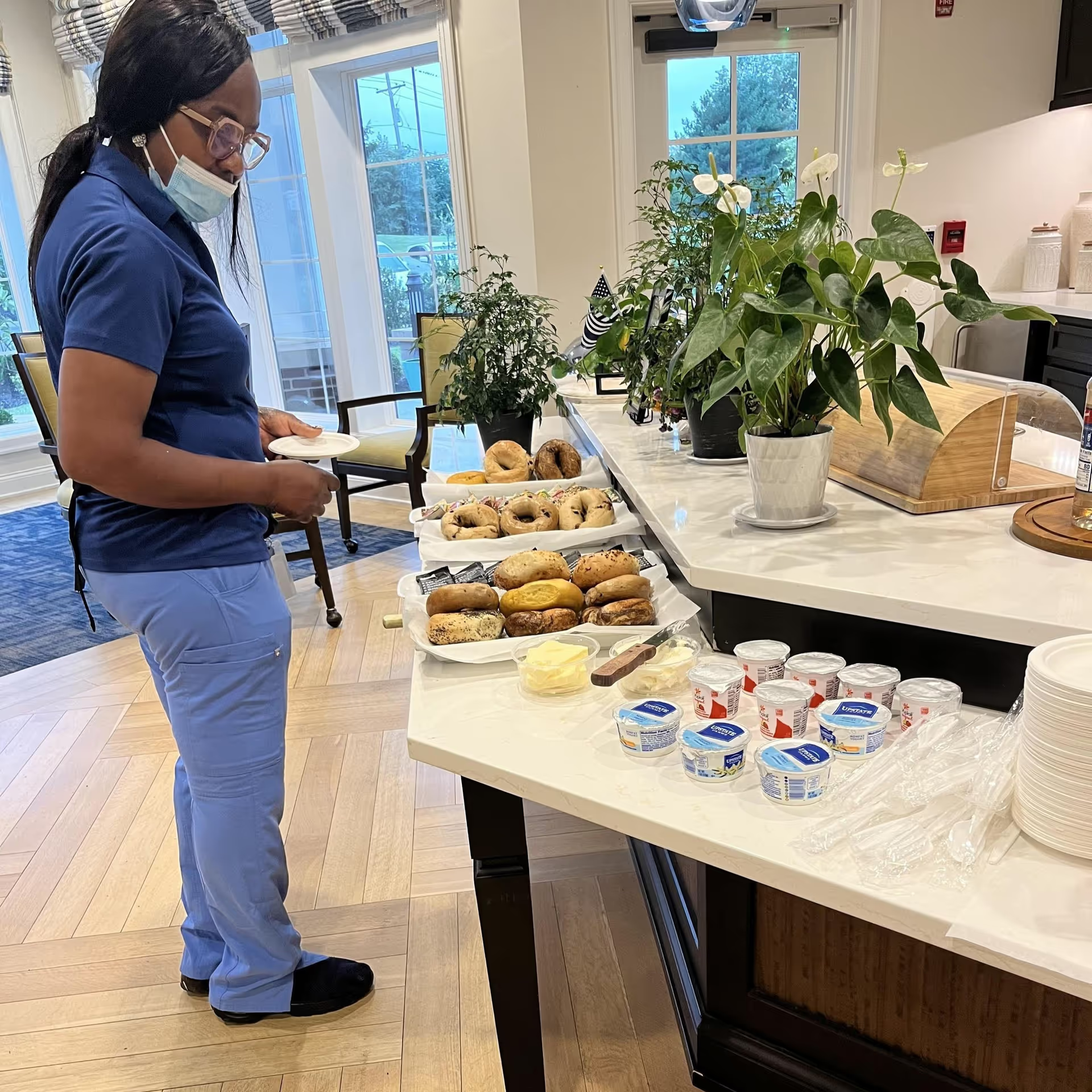
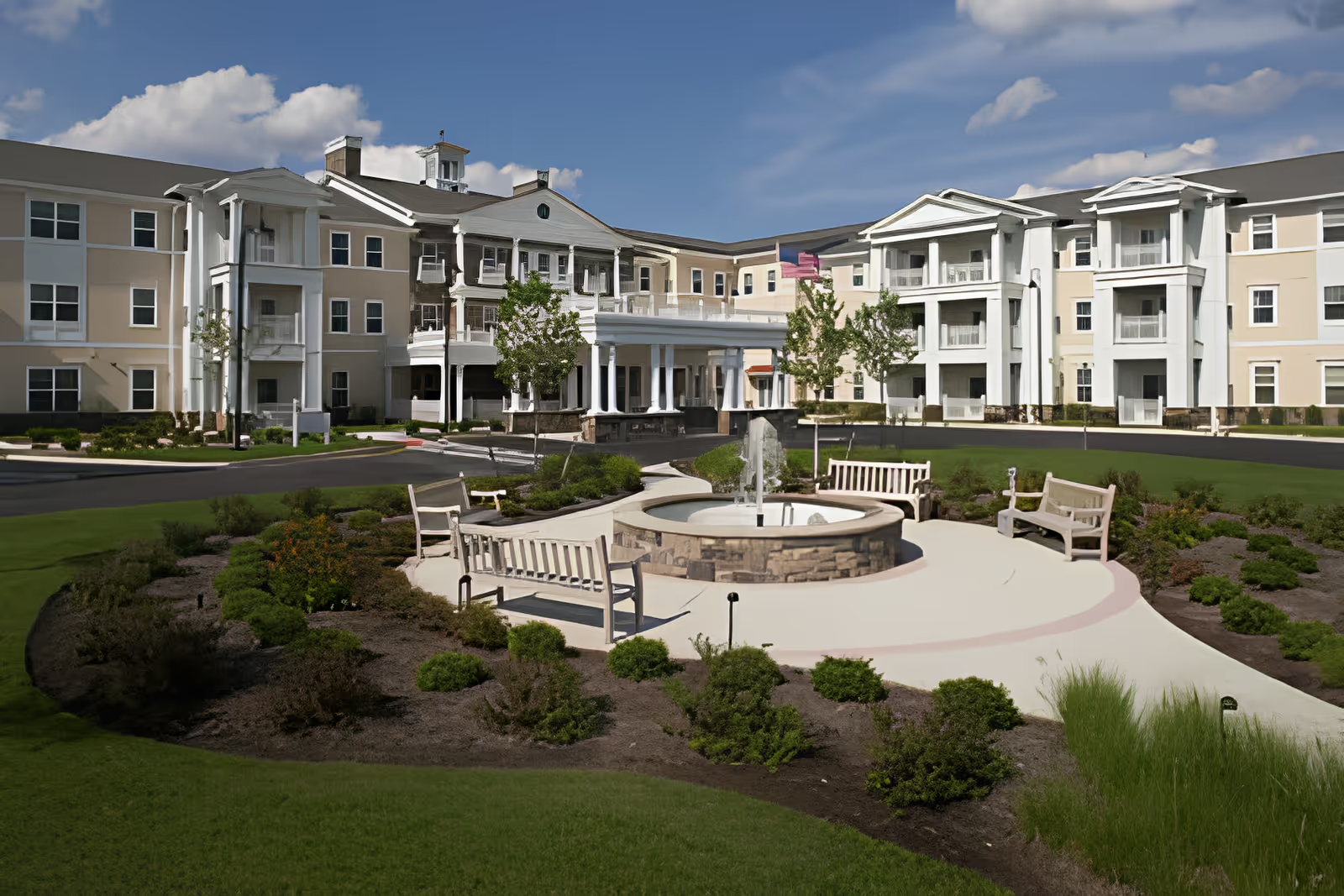
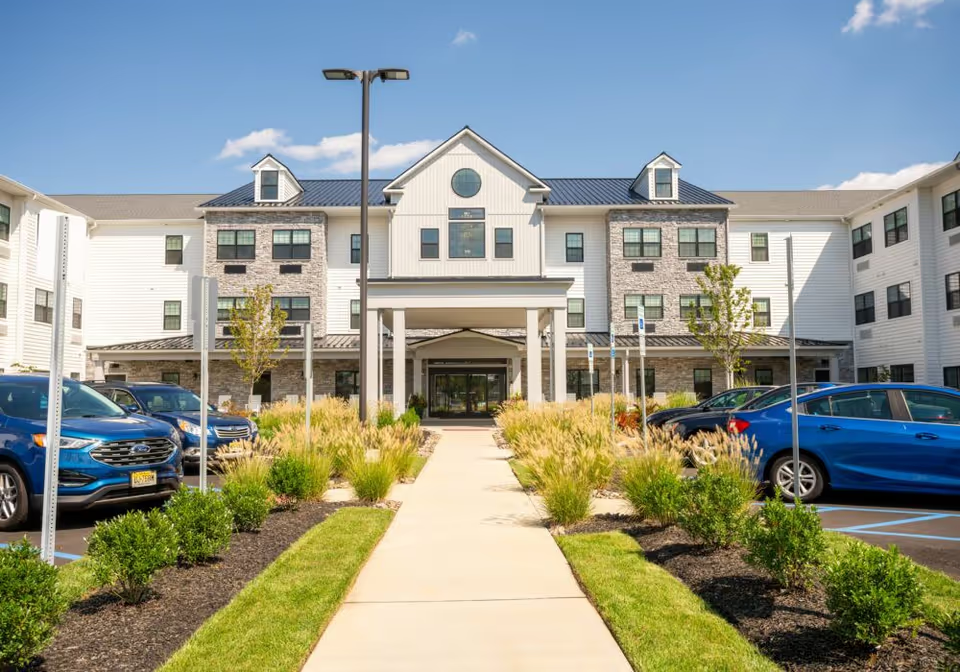
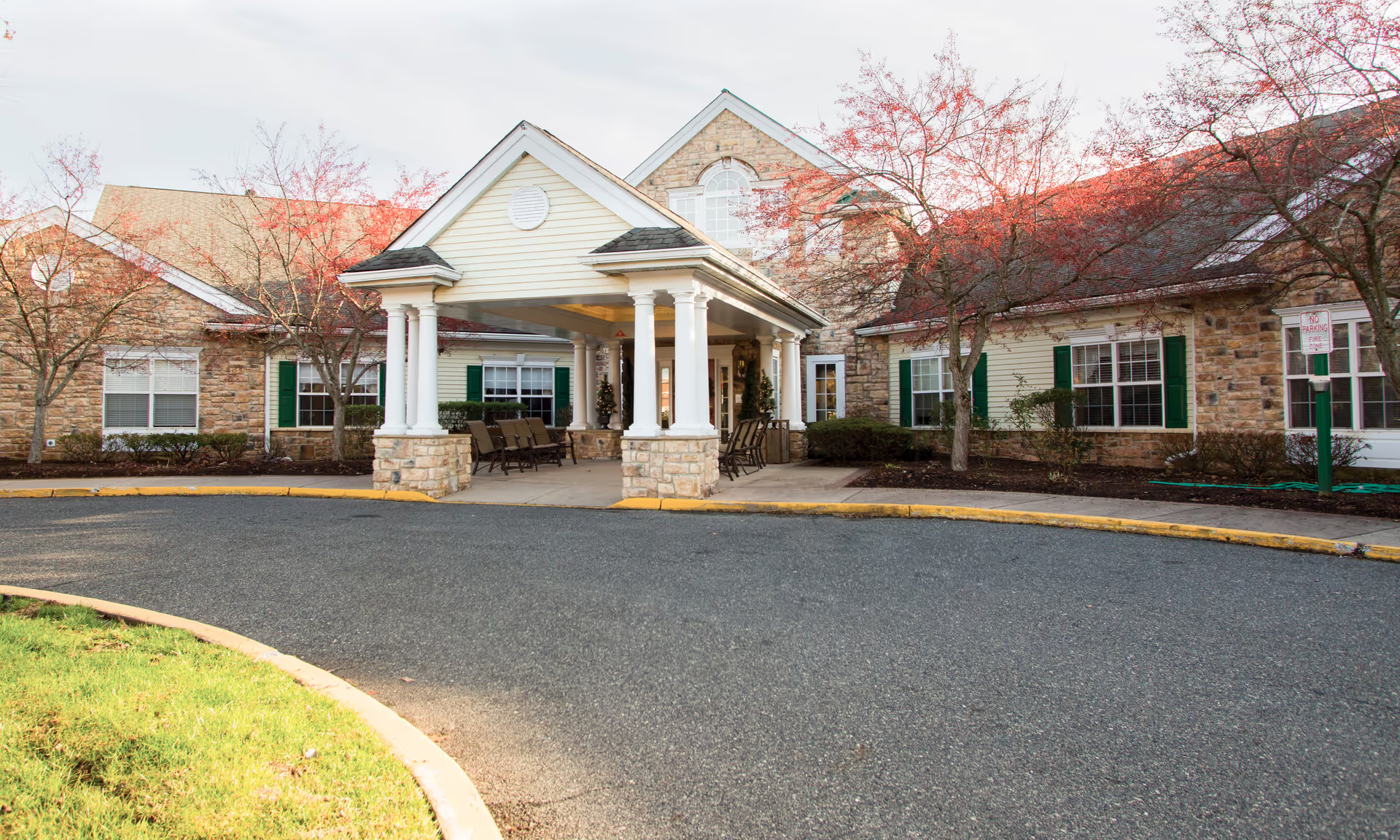
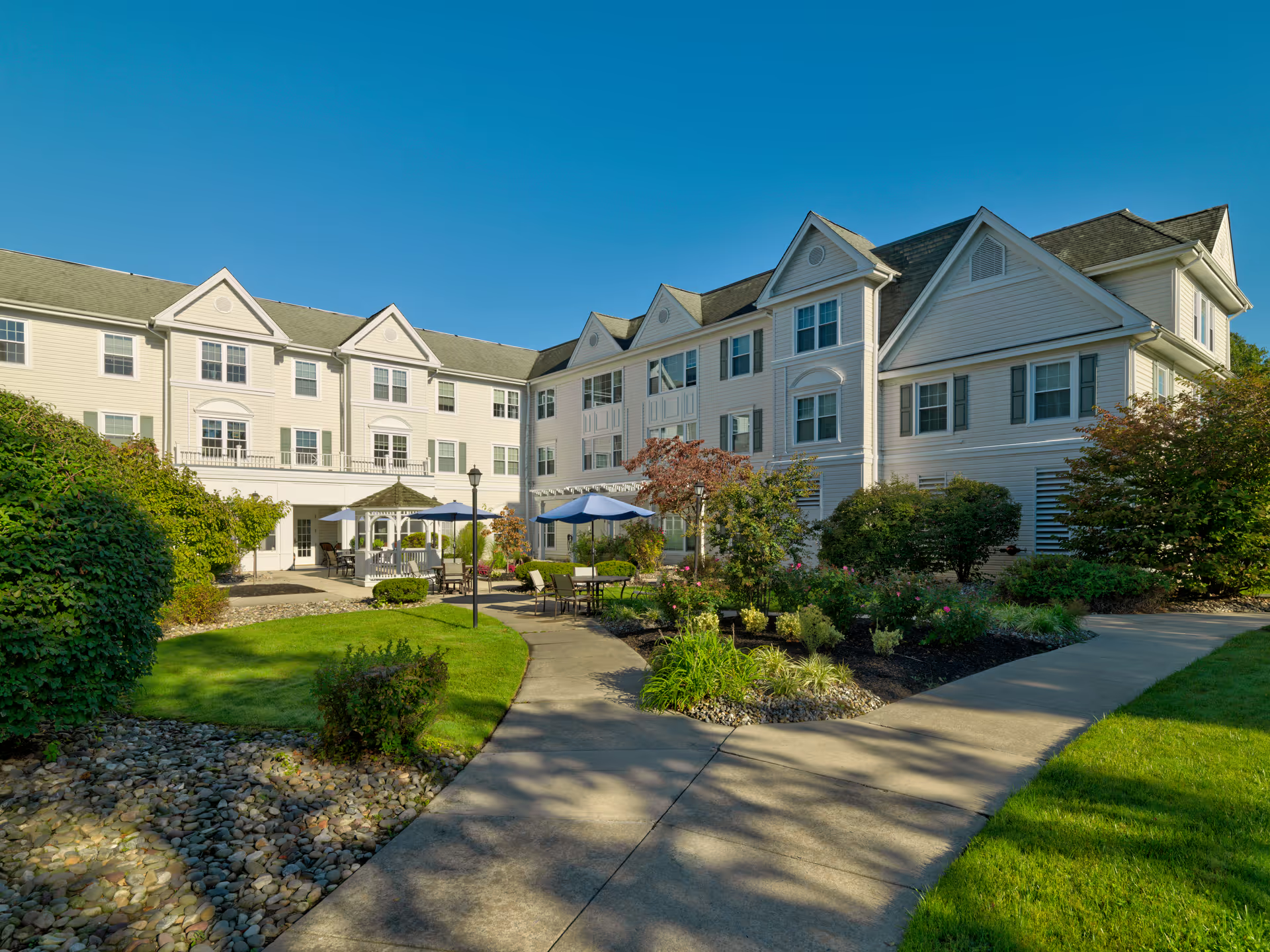
Total Rehab Moorestown elicits strongly polarized impressions. Many families and former patients highlight the facility's physical environment and rehabilitative strengths: a hotel-like campus with single private rooms, attractive common areas, an on-site salon, theater, bistro, and a well-equipped therapy gym and pool. The inpatient rehabilitation program (physical, occupational and speech therapy) is frequently described as comprehensive and effective, with therapists praised for individualized plans, measurable mobility gains, and clear progress reporting. Activities programming — including movies, music, themed events and social groups — is consistently noted as a positive contributor to resident morale.
Staffing experiences are mixed and form the primary axis of variation in reviews. Numerous accounts commend specific nurses, CNAs, therapists and administrators for compassion, expertise, and responsiveness; admissions and certain departmental leaders are also singled out for helpfulness. At the same time, a recurring pattern points to inconsistent staffing levels, high turnover, and uneven training that affect day‑to‑day responsiveness. Common operational consequences described include slow call‑bell response times, delays in assistance for personal cares, and variability in nursing presence during weekends and nights. These patterns appear to create an environment in which the quality of direct care can depend heavily on which staff are on duty.
Dining and housekeeping feedback is similarly variable. Positive comments mention accommodating dietary substitutions, appealing chef salads, and an active bistro experience. Contrasting reports cite cold or incorrect meals, kitchen coordination problems, and shortages of basic supplies or linens. Reviewers also describe episodic sanitation and linen‑management concerns in some units and occasional odor issues in common or resident areas; these items point to uneven housekeeping execution rather than universally poor facility cleanliness.
Management and communication are another recurring theme. Several reviewers praise administrative responsiveness and individual managers who address concerns quickly. Conversely, others report gaps in communication between clinical staff and families, inconsistent follow‑up on issues, and procedural variability around transfers, discharge planning, and transport scheduling. A subset of accounts raises serious concerns about clinical incident response and post‑incident family communication, including reports that prompted escalation; these descriptions suggest that clinical‑incident protocols and family notification practices warrant closer scrutiny.
Overall, Total Rehab Moorestown offers substantial rehabilitative resources and attractive amenities that support recovery and quality of life for many residents. However, prospective residents and families should weigh those strengths against documented operational inconsistencies—notably staffing stability, responsiveness to call bells, medication and meal reliability, and housekeeping/supply management. When considering the facility, families may benefit from asking targeted questions about current staffing ratios, weekend and night coverage, clinical‑incident protocols, and how the unit handles dietary and linen logistics in order to align expectations with on‑the‑ground performance.