Reviews of The Country Home present a polarized but identifiable pattern: many families praise a small, family-owned atmosphere with compassionate, attentive caregivers and attractive outdoor grounds, while a subset raise operational and clinical concerns that merit scrutiny.
Care and staff: Numerous accounts describe warm, personalized caregiving—staff who know residents by name, provide daily updates to families, and create a home-like environment. Several reviewers highlighted long-tenured aides and hands-on administrators who facilitate family involvement and provide reassurance. At the same time, other reports describe inconsistent staff conduct, lapses in responsiveness on certain shifts, and concerns about clinical oversight. Several reviewers specifically noted the absence of regular on-site licensed nursing coverage, characterizing care as primarily custodial rather than skilled; this may be consequential for residents with higher medical acuity. There are also recurring mentions of medication-management problems and the need to confirm clinical policies, handoffs, and supervision practices before placement.
Dining and activities: Many families appreciated the home-style, flavorful meals and social dining spaces; activities such as music, bingo, parties, and outdoor picnics were repeatedly cited as contributors to resident engagement and quality of life. However, reviewers also cited inconsistent meal portioning and variable food quality, and some families felt activity programming became less consistent under changing management or for residents with more advanced dementia. Prospective families should ask for a current activities calendar and sample menu when touring.
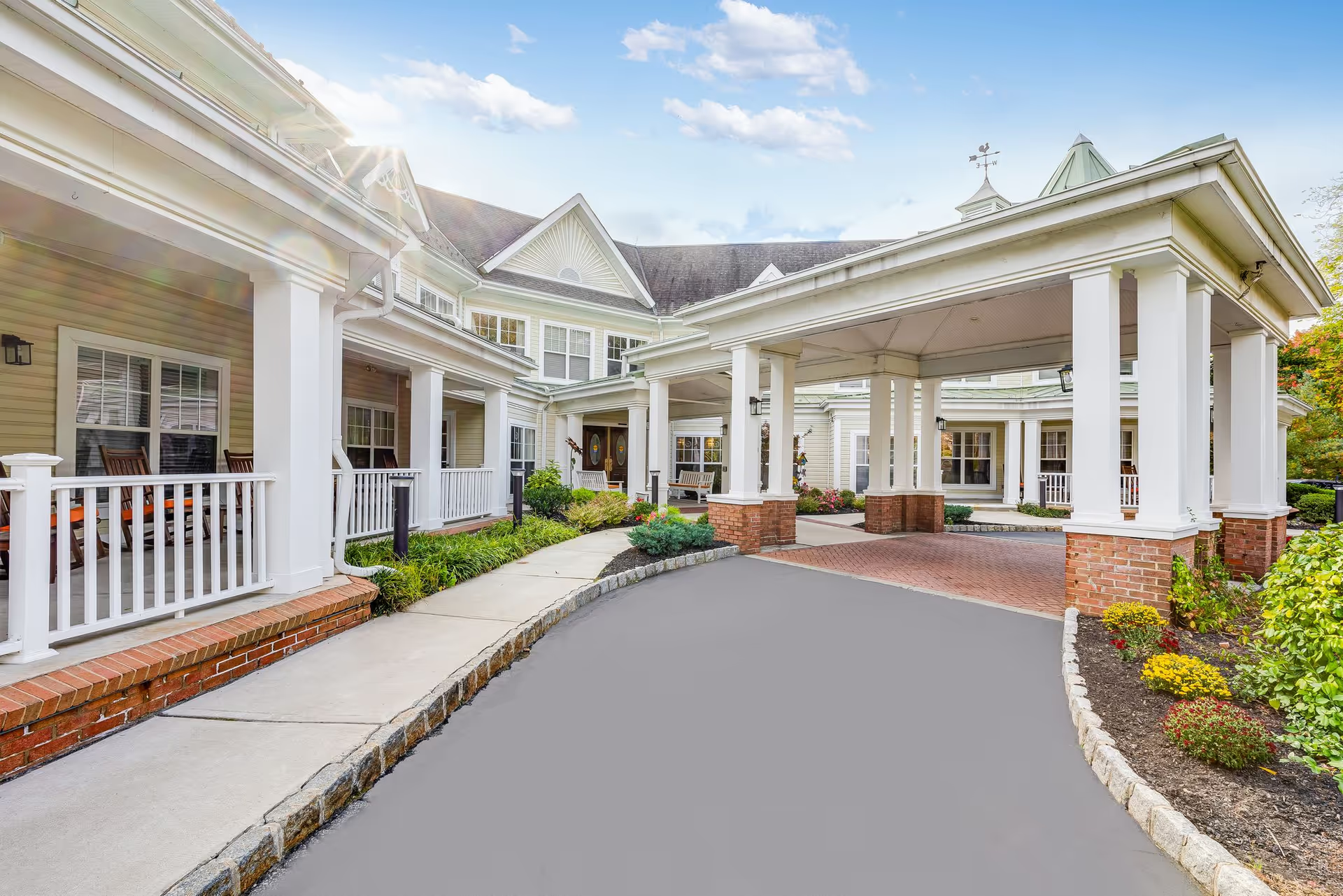
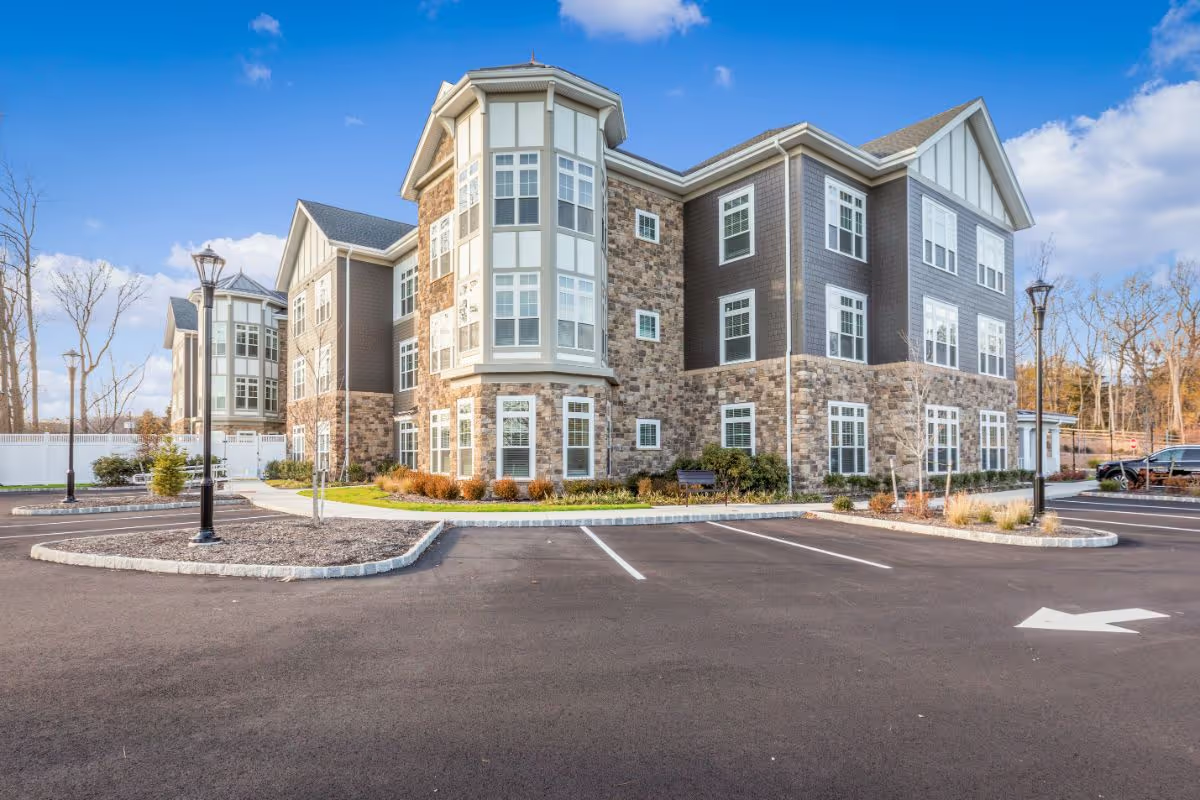
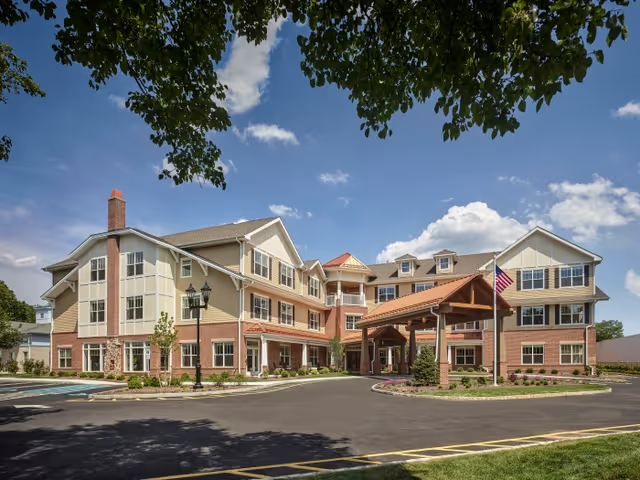
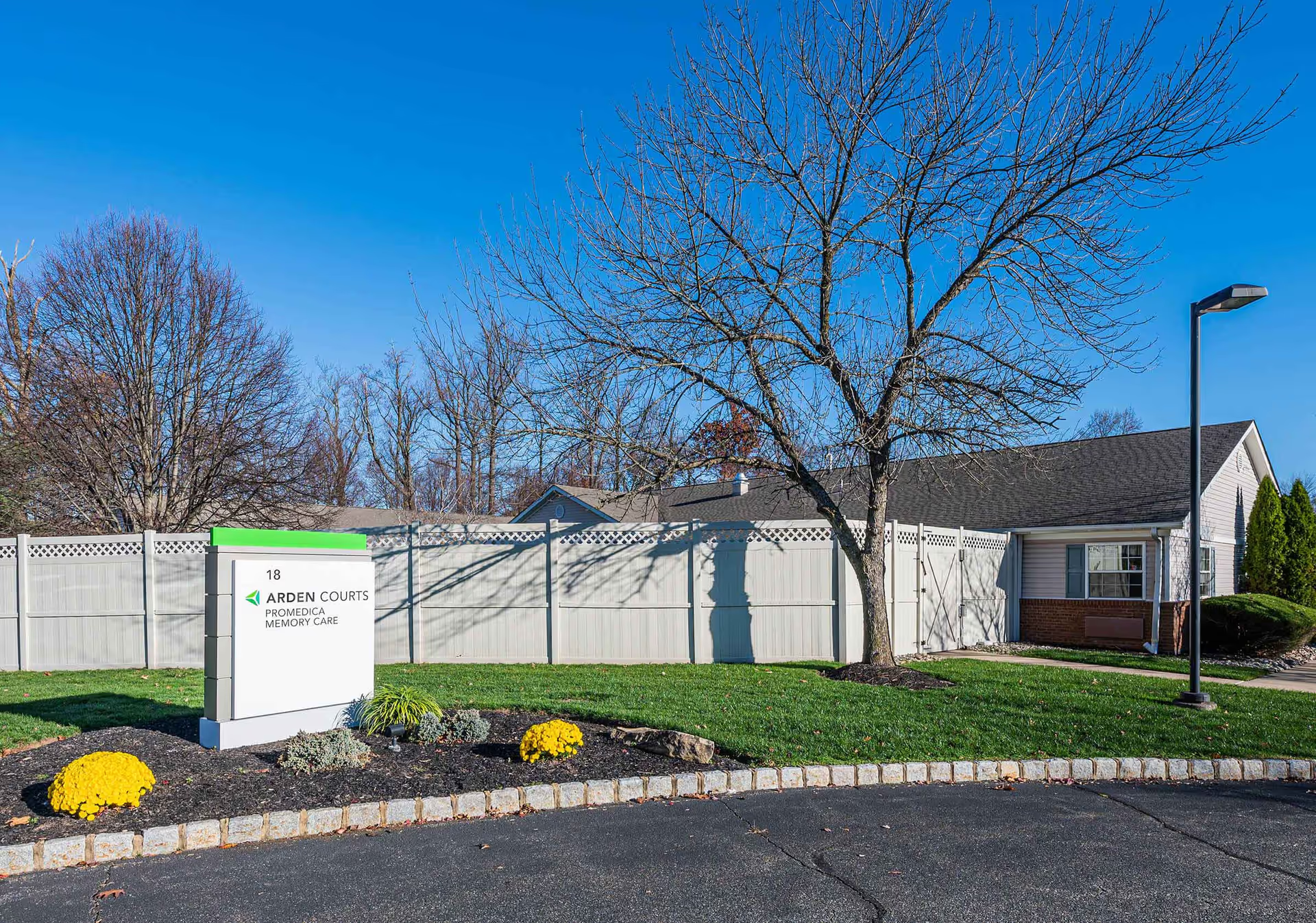
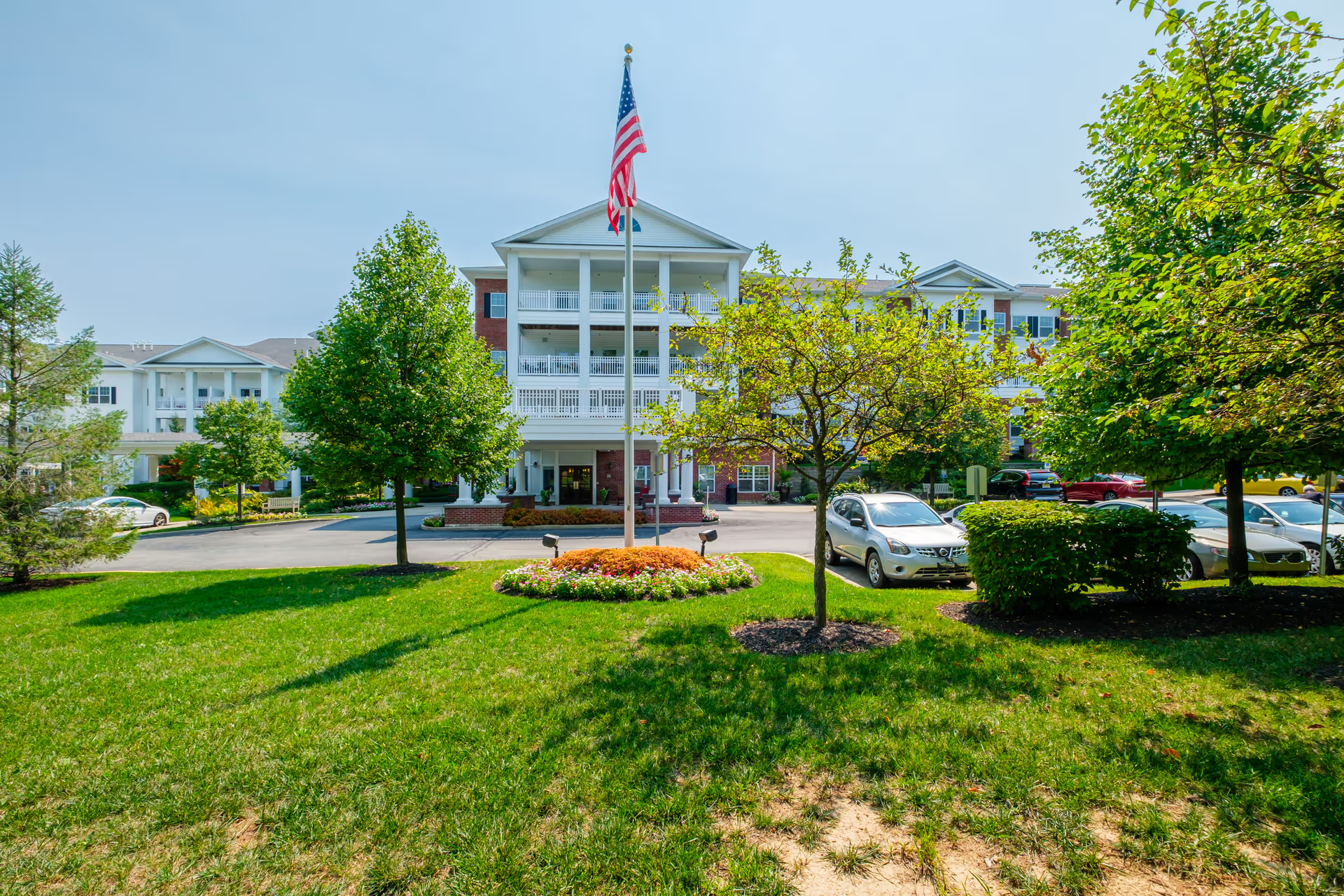
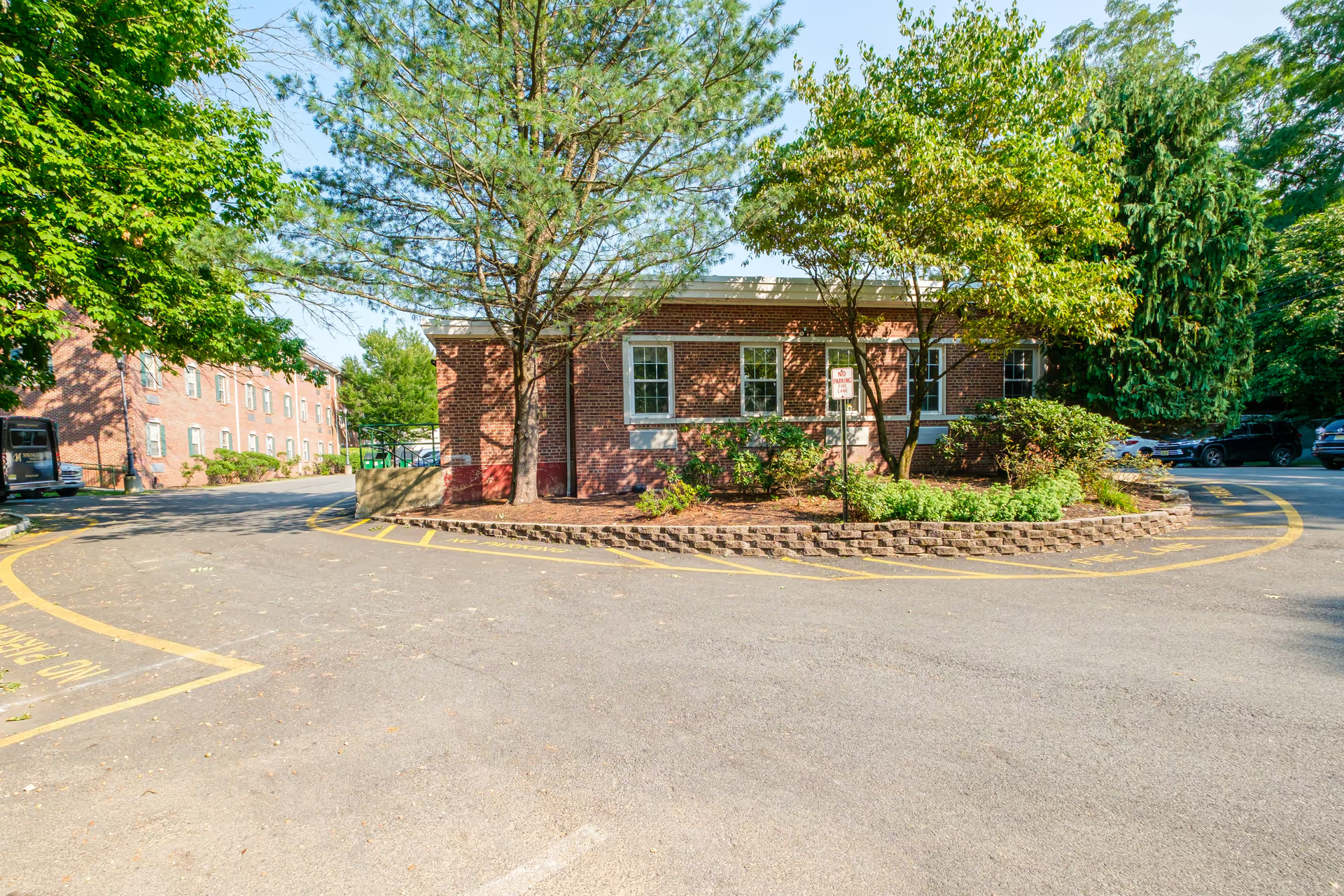
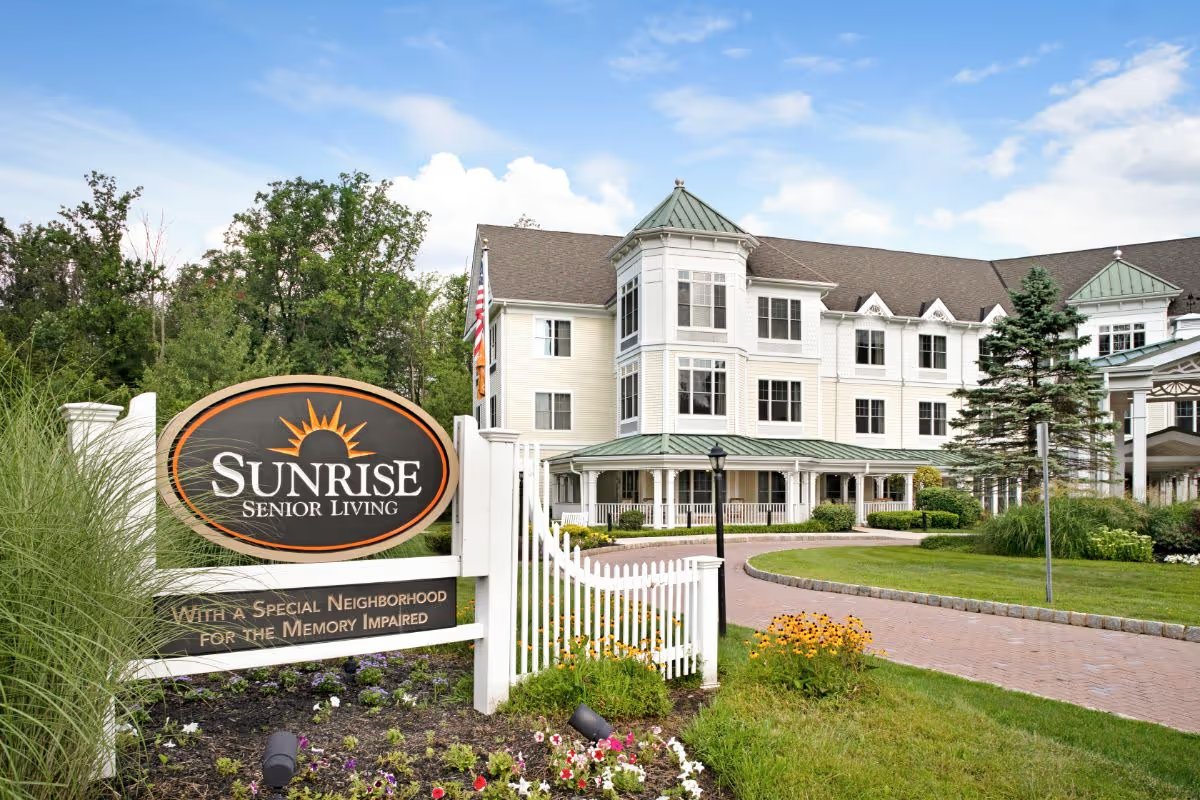
Facilities and safety: The campus and grounds are frequently described as attractive, well-kept, and safe for walks; these features are a strong selling point. Internally, the building is older and several reviews mentioned HVAC or comfort issues and the need for interior updates. Safety items were raised as operational concerns: some reviewers noted door-locking practices in memory-care areas, elopement risk related to the adjacent road, and occasional lapses in laundry or belongings handling. Cleanliness reports are mixed—many families praised clean rooms and common areas, while others described sanitation issues and inconsistencies that should be clarified during a visit.
Management and patterns: Reports indicate variable managerial performance over time. Some reviewers praised hands-on leaders and accessible administrators; others described turnover, billing and contract disputes, HIPAA/communication missteps, and inconsistent policy enforcement after leadership changes. These administrative issues appear to correlate in some accounts with declines in cleanliness, activities, and care consistency. There are also a small number of serious clinical-concern reports that prompted family alarm; while such instances seem less frequent than positive accounts, they underscore the importance of verifying clinical protocols and escalation pathways.
Bottom line and recommendations: The Country Home offers a small, family-oriented alternative with strong outdoor spaces, personalized attention, and a range of activities that many families find valuable. At the same time, there are recurring operational themes—staffing consistency, clinical oversight (including licensed nursing availability), medication management, cleanliness controls, laundry practices, and administrative stability—that prospective families should investigate. Recommended next steps for families: schedule an unannounced visit (including evening or weekend), ask for current staffing ratios and licensed-nurse coverage, review medication and incident-response policies, request sample menus and activities calendars, inspect laundry and belongings procedures, and clarify contract and billing terms in writing before placement.