The reviews present a mixed but recognizable pattern: Mountainside Skilled Nursing and Rehab receives consistently strong marks for its rehabilitation program and for numerous individual caregivers, while operational variability creates measurable risks for longer-term or higher-dependency residents.
Care and clinical outcomes: The facility's physical and occupational therapy teams are repeatedly described as a core strength. Multiple accounts note measurable mobility, speech, and functional improvements that supported discharge home. Wound care and other specialty nursing services are also highlighted as effective in many cases. At the same time, several reviewers raised concerns about medication management (late doses, missed doses, and occasional medication errors), which suggests variability in clinical process reliability across shifts.
Nursing and aide staffing: Many families and patients praised compassionate, attentive nurses and CNAs by name, describing individualized, respectful interactions. Conversely, recurring comments about understaffing, slow responses to call bells, and inconsistent assistance for bathing and toileting indicate staffing shortages or scheduling gaps that affect timeliness of basic care. These staffing inconsistencies appear to be a primary driver of other operational problems reported by families.
Dining and activities: Activity programming is a clear strength—reviewers praise a lively schedule of exercises, social events, movies, karaoke, and other engagement that supports resident morale. Dining feedback is highly mixed: some accounts describe restaurant-quality meals and accommodating dietary adjustments, while others describe soggy or poorly prepared items and missed or incorrect meal deliveries. This variability points to inconsistent kitchen performance or differential experiences between long-term and short-term residents.
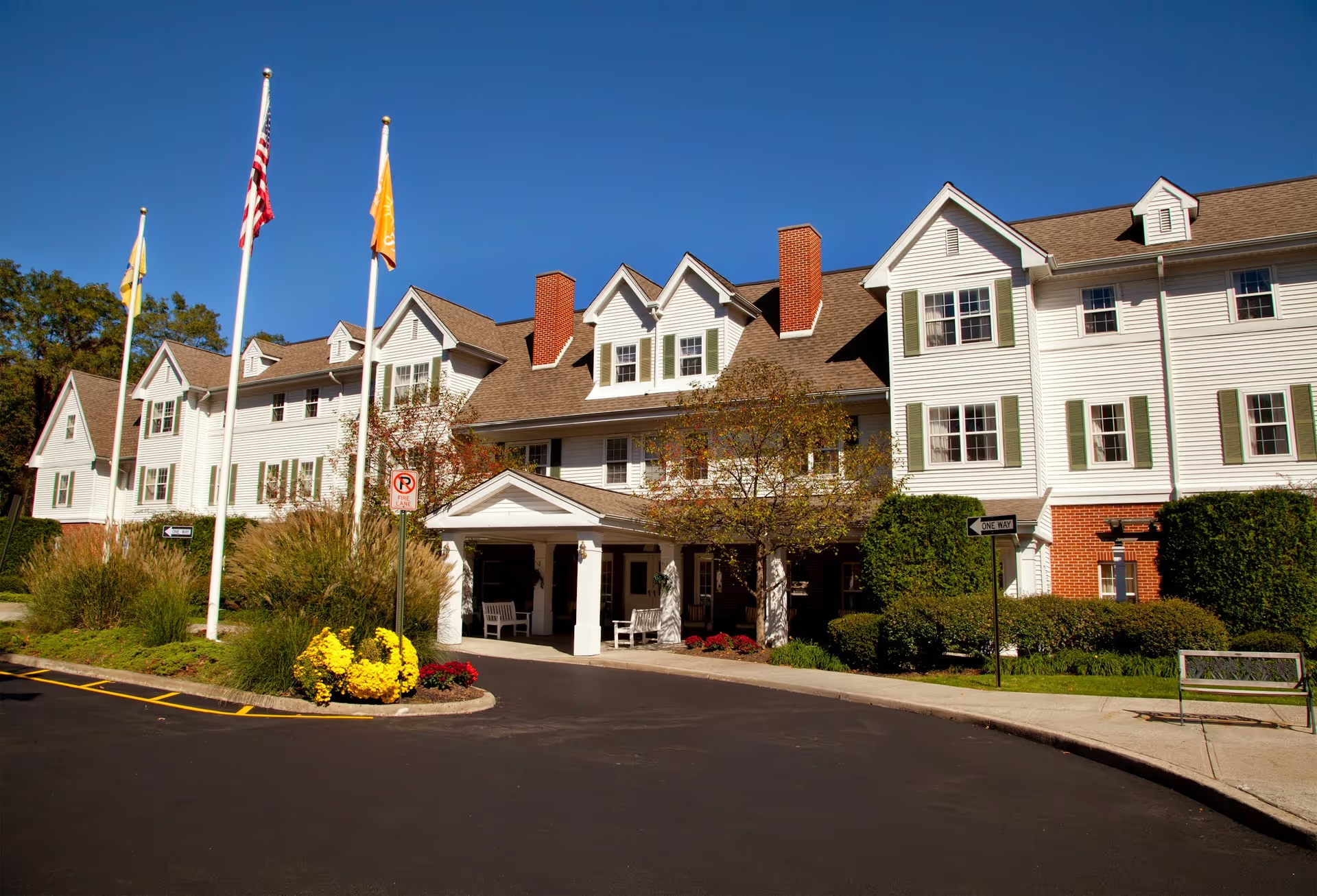
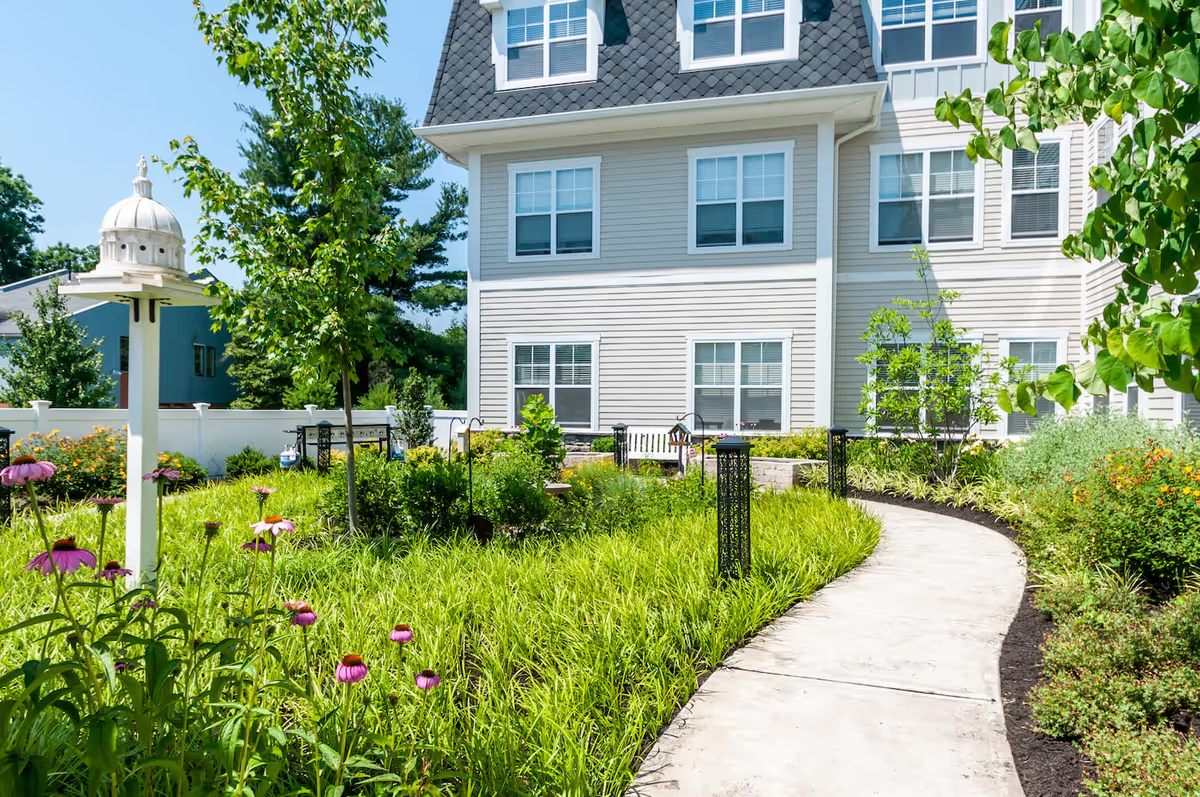
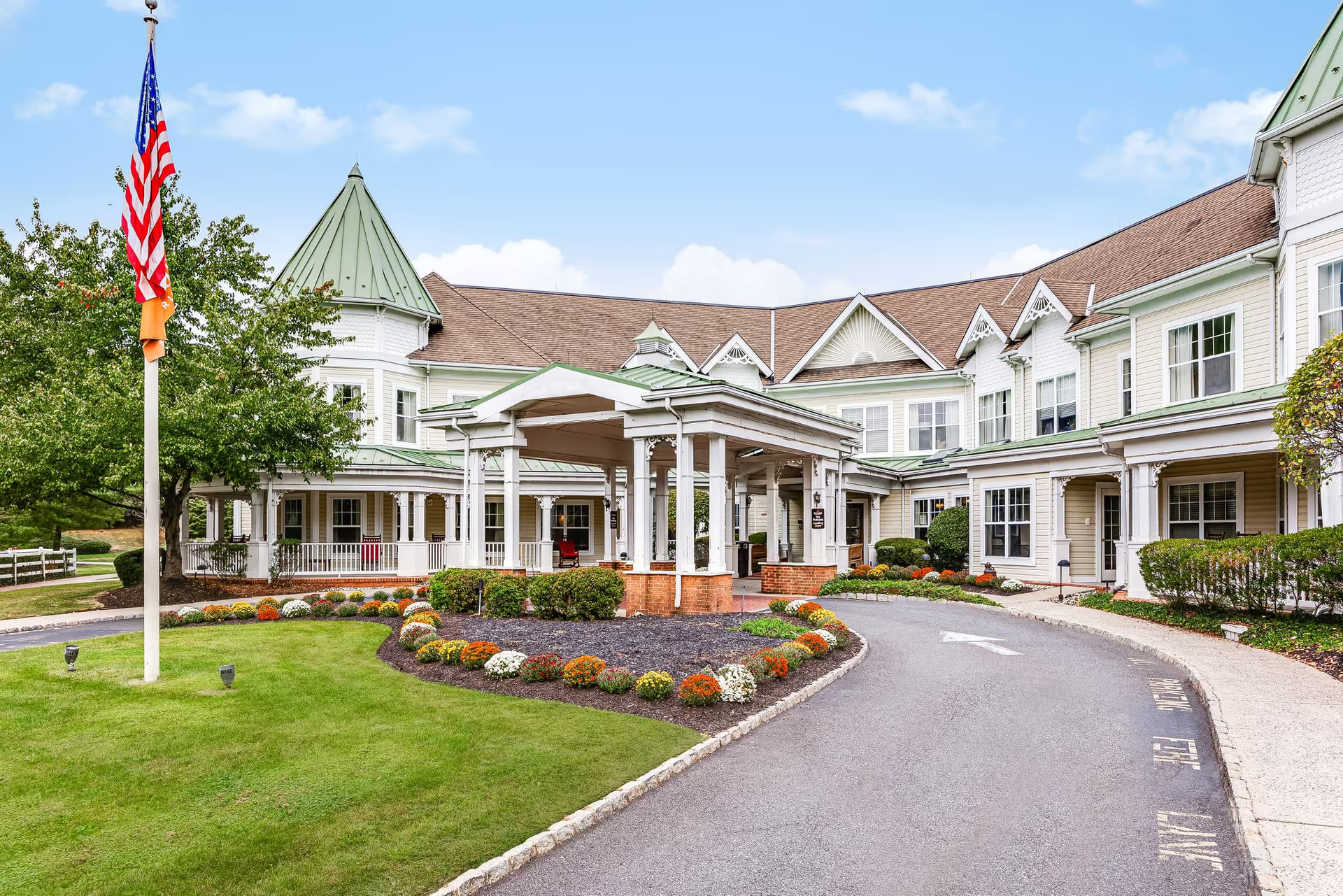
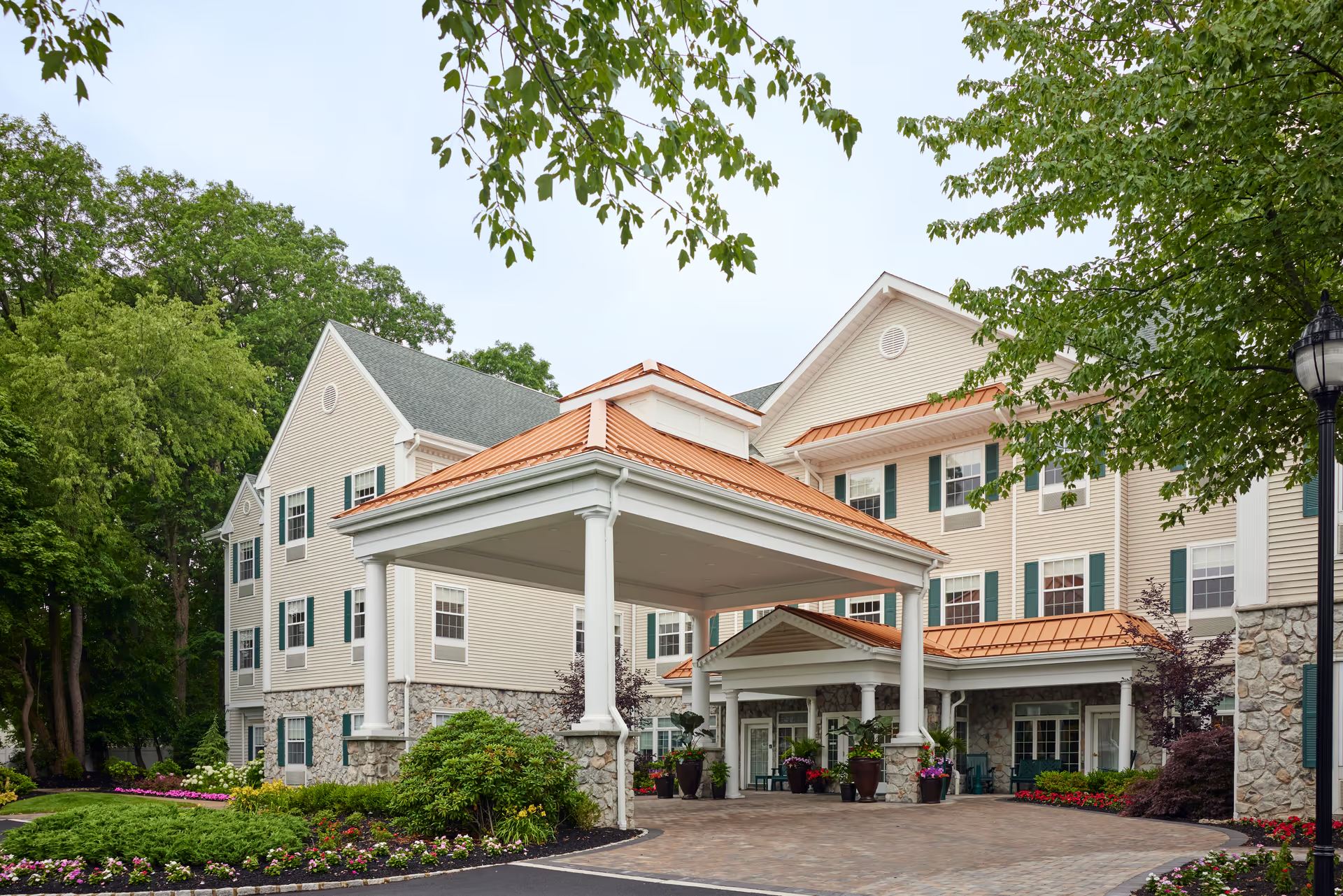
Facilities and maintenance: Descriptions of the physical plant vary substantially. Many reviewers describe clean, well-maintained areas and odor-free rooms, while others identify maintenance issues such as peeling wallpaper, broken fixtures, mold concerns, and water-safety issues. Taken together, these comments indicate uneven maintenance and infrastructure reliability across the building or units, rather than uniformly poor or uniformly excellent conditions.
Management, communication, and safety: Social work and care coordination are named as exemplars in several reviews—staff who coordinated transportation, appointments, and discharged planning are credited with going above and beyond. At the same time, critiques include administrative unresponsiveness, turnover in leadership, delayed family communication after incidents, and concerns about billing practices. Safety-related themes include concerns about transfer and fall prevention practices, call-bell functionality, and supervision of residents with cognitive impairment; these items suggest that residents requiring high supervision or dementia-specific care may be at greater risk of unmet needs.
Overall impression and patterns: For short-term rehabilitation patients seeking intensive PT/OT, Mountainside frequently receives strong endorsements. For families considering longer stays or placement for residents with advanced cognitive or supervisory needs, the reviews indicate variability in consistency of daily care, housekeeping, and administrative follow-through. Prospective residents and their families should weigh the facility's robust therapy capabilities and several examples of highly dedicated staff against the operational inconsistencies—particularly staffing reliability, medication administration, meal delivery, and unit-level maintenance—when making placement decisions. If considering Mountainside, an advised approach is to tour the specific unit(s) of interest, ask about staffing ratios and dementia-care protocols, and meet the on-shift nursing and social-work staff who would be responsible for the resident's day-to-day care.