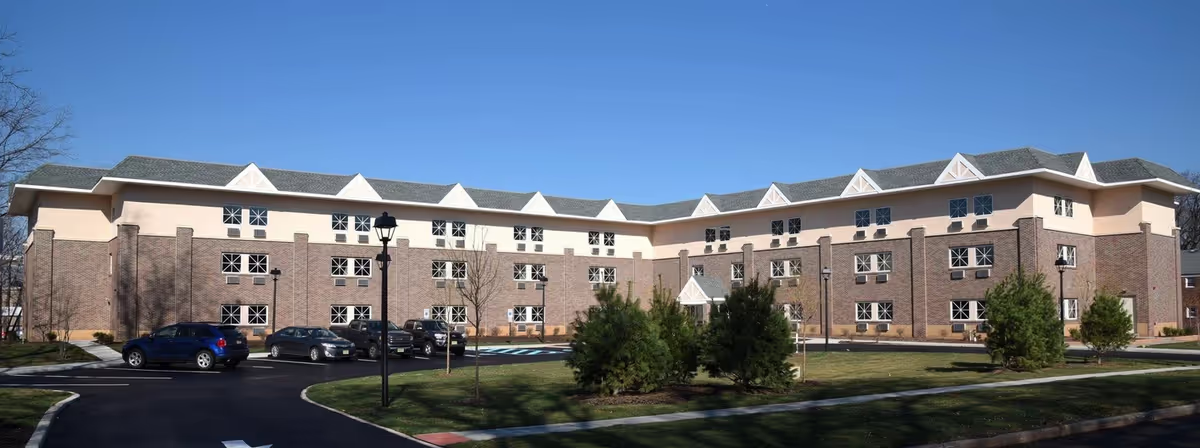
Feedback for Complete Care at Chestnut Hill is highly mixed, with clear and repeated themes on both sides. Many families and visitors praise compassionate caregivers, visible on-floor staff, and strong clinical contributors such as experienced RNs and rehabilitation therapists. At the same time, a number of accounts describe variability in day-to-day care quality and in how the facility responds to family questions or clinical incidents.
Care and staffing present the most salient pattern. Positive comments emphasize attentive, personable aides, skilled nurses, and an engaged therapy team that has produced demonstrable short-term rehab improvements. Conversely, concerns center on inconsistent staff training, signs of understaffing or high workload, and variability between shifts or units. Several families described instances where explanations for clinical events or changes in condition were unclear, and others noted problems with loss or misplacement of personal items and assistive equipment. These issues point to operational gaps in staff training, handoffs, and property-management procedures rather than a single uniform level of service across the facility.
Dining, activities, and therapy also show divergence. Therapy and rehab services receive repeated positive remarks for effectiveness and responsiveness. Activity staff and programming are commended in many accounts, and common areas are described as bright and welcoming; however, some families specifically flagged limited or nonexistent activity programming in certain memory-care areas. Dining feedback ranges from praise for responsive kitchen staff and good guest meals to comments about inconsistent food quality for residents.
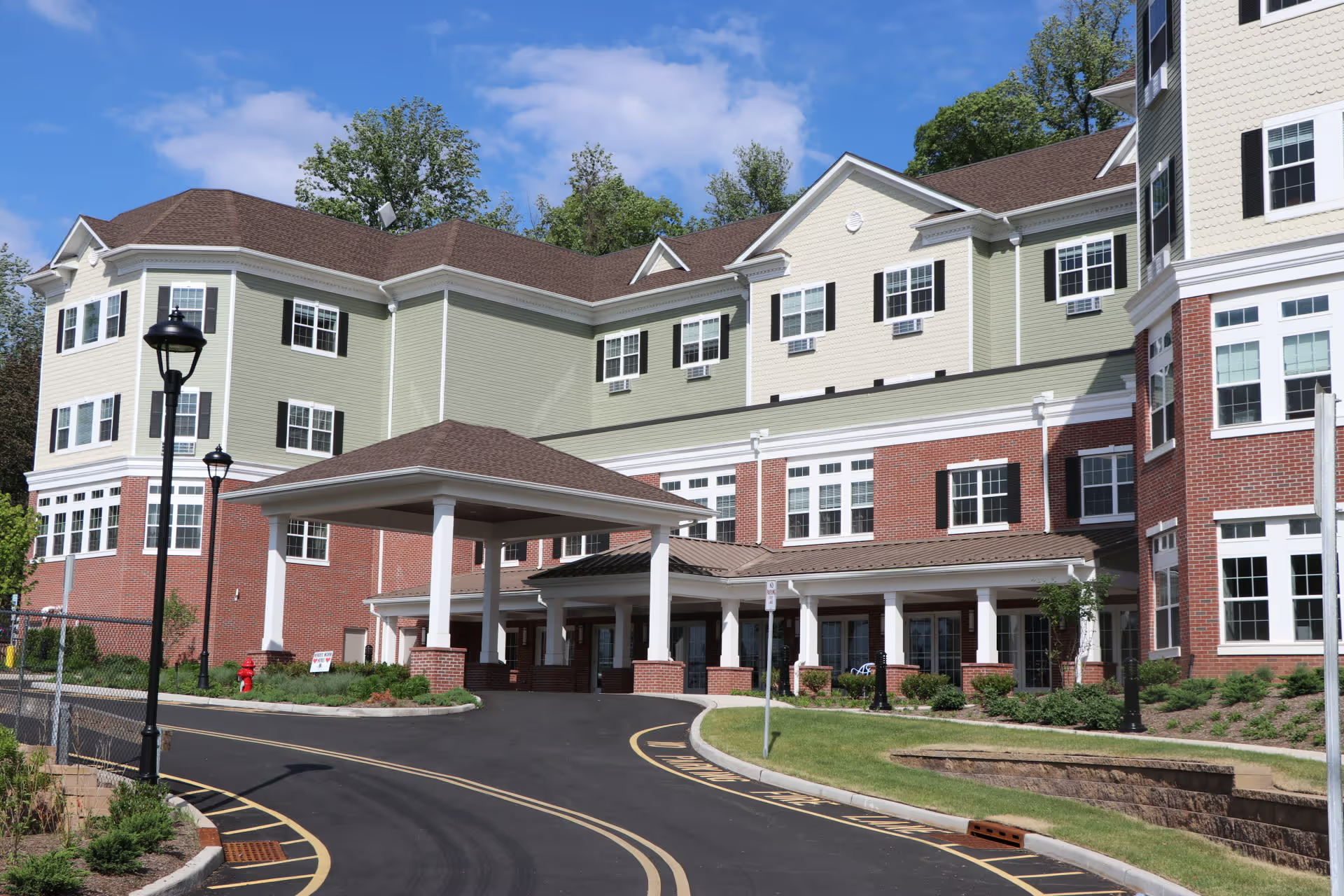
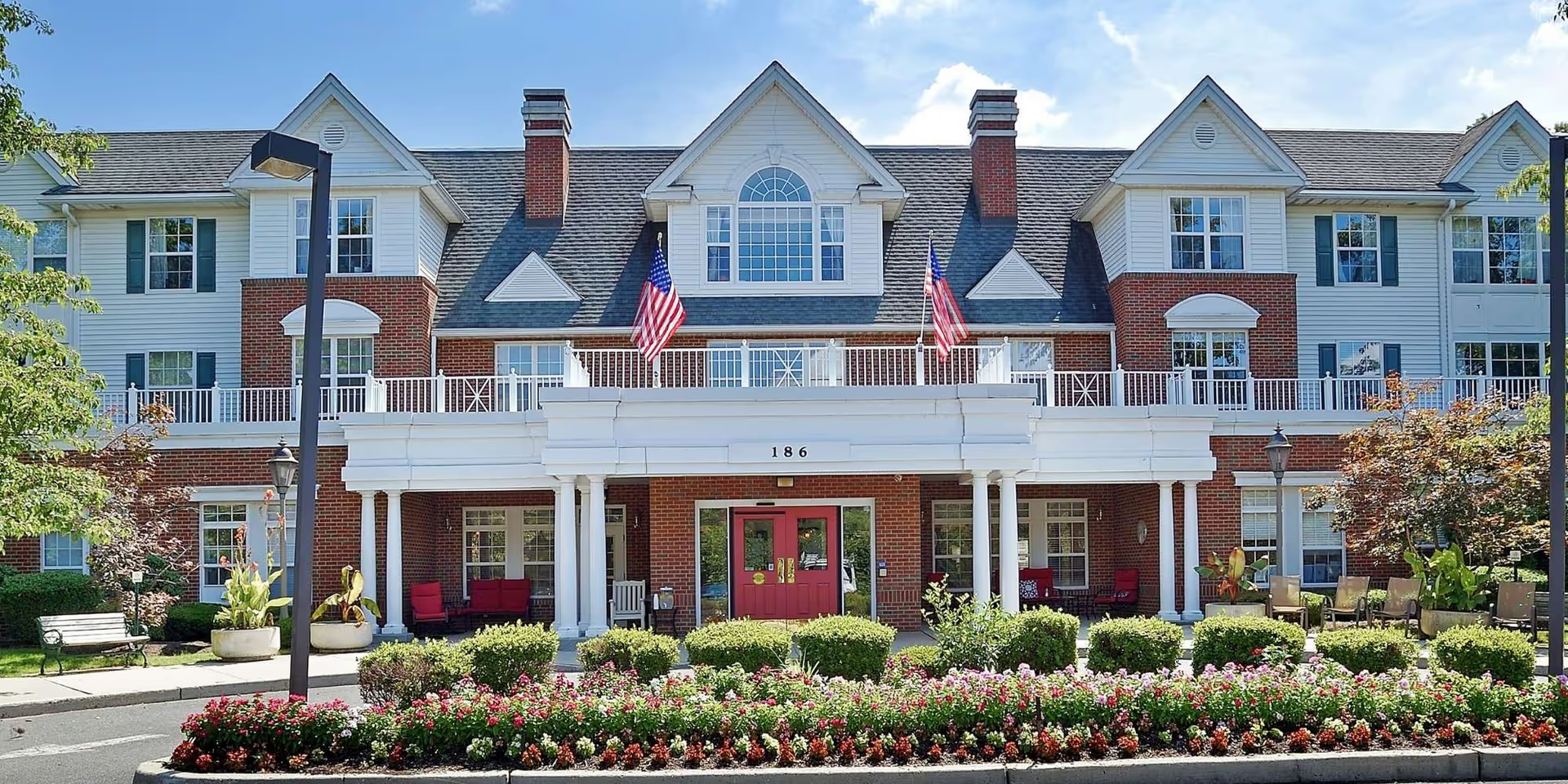
Facility condition and management impressions are similarly mixed. Many reviewers describe the building as clean, well-lit, and undergoing thoughtful updates, with convenient parking and pleasant decor. At the same time there are repeated notes about aging resident-room equipment (broken TVs, uncomfortable beds), variable maintenance follow-up, and some outdated rooms. Administratively, several families praised specific directors, admissions staff, and nursing leadership; other accounts raise concerns about admissions professionalism, slow responsiveness from some administrators, frequent leadership/ownership changes, and even regulatory complaints. Taken together, the pattern suggests that resident experience at Chestnut Hill can depend heavily on unit, shift, and current leadership.
For prospective residents and families this means there are clear strengths to consider—compassionate direct care, strong rehab services, and an overall welcoming physical environment—balanced against operational weaknesses that can affect consistency of care and communication. If evaluating this facility, it may be helpful to ask for unit-specific staffing ratios, the facility’s procedures for tracking personal items and assistive devices, how clinical incidents are documented and communicated to families, current leadership tenure, and a sample activities schedule for the relevant care unit. These questions can help clarify whether the unit and shift you are considering align with the positive experiences described by many families or reflect the operational inconsistencies noted by others.