Overall impression: Reviews indicate a facility with clear strengths in rehabilitation, therapeutic staffing, and resident engagement, alongside recurring operational challenges. The dominant theme is strong therapy-driven recovery: physical and occupational therapy staff receive consistent praise for clinical skill and measurable outcomes such as improved walking, stair negotiation, and overall mobility. Many families credit therapy and coordinated clinical teams with enabling safe discharge home and restoring independence.
Care and staff: Nursing, CNAs, aides, social workers and select administrative leaders are frequently described as compassionate, attentive, and personally engaged. Several reviews named individual staff and leaders positively, noting availability, warmth, and leadership presence on-site. That said, there is notable variability in staff performance: reviewers describe variability in professionalism, responsiveness, and communication tone across shifts and teams. This manifests operationally as delays responding to call-buttons and occasional lapses in bedside responsiveness. Reports also indicate differences when agency or temporary staff are used, creating an inconsistent care experience for some residents.
Dining and nutrition: The dining program earns mixed but generally positive comments. Many reviewers described tasty, dietary-adapted meals and a varied menu, while others noted episodes of cold or overcooked dishes and bland preparations. Food-temperature control and menu consistency emerge as areas that affect satisfaction and would benefit from closer operational monitoring.
Activities and social engagement: The activities department is a consistent strength. Residents and families cite a broad array of programs — group social events, multicultural activities, bingo, karaoke, and family-oriented gatherings — that contribute to socialization and a homelike atmosphere. The facility’s smaller, more intimate setting is credited with facilitating personalized engagement and relationship-building between staff and residents.
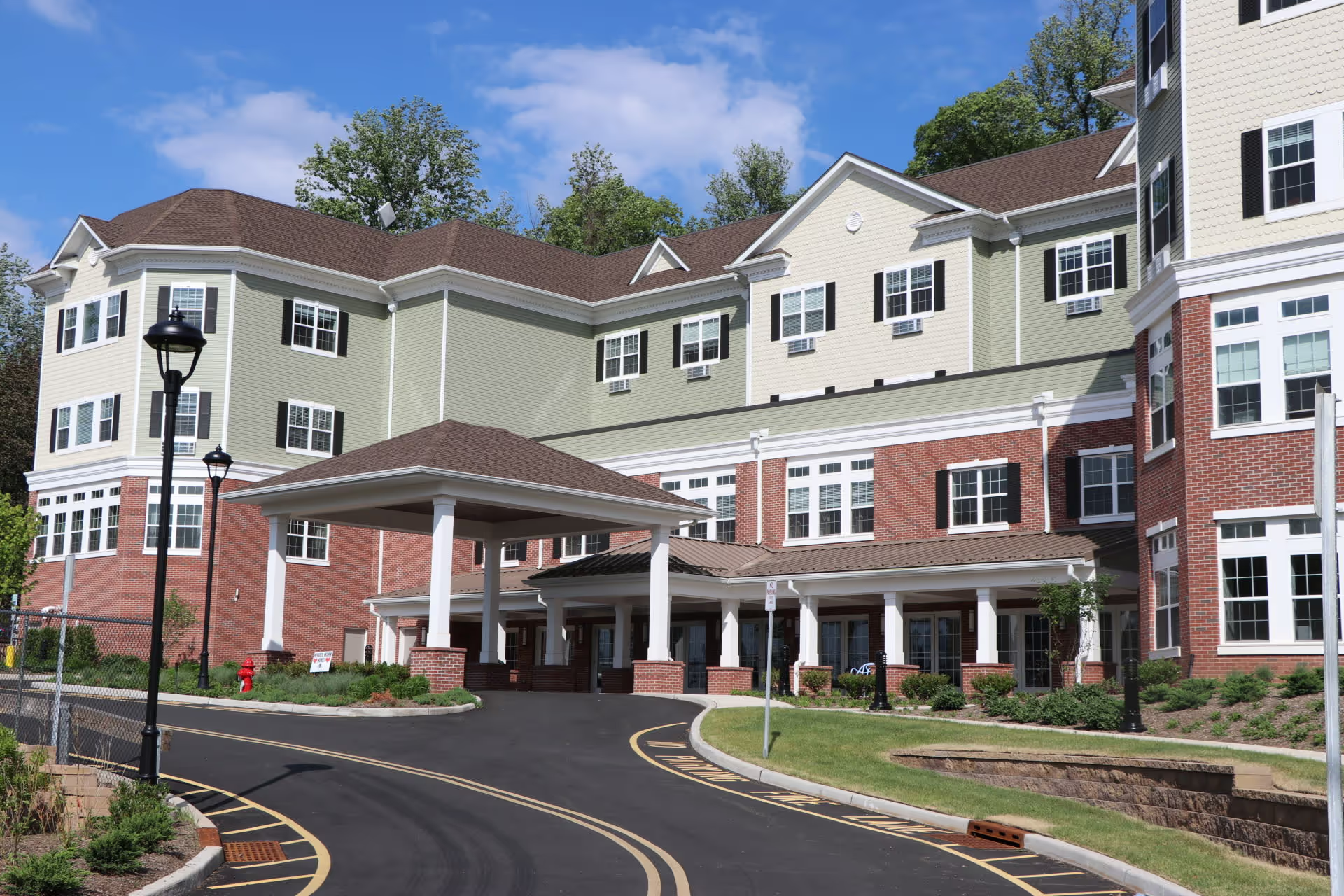
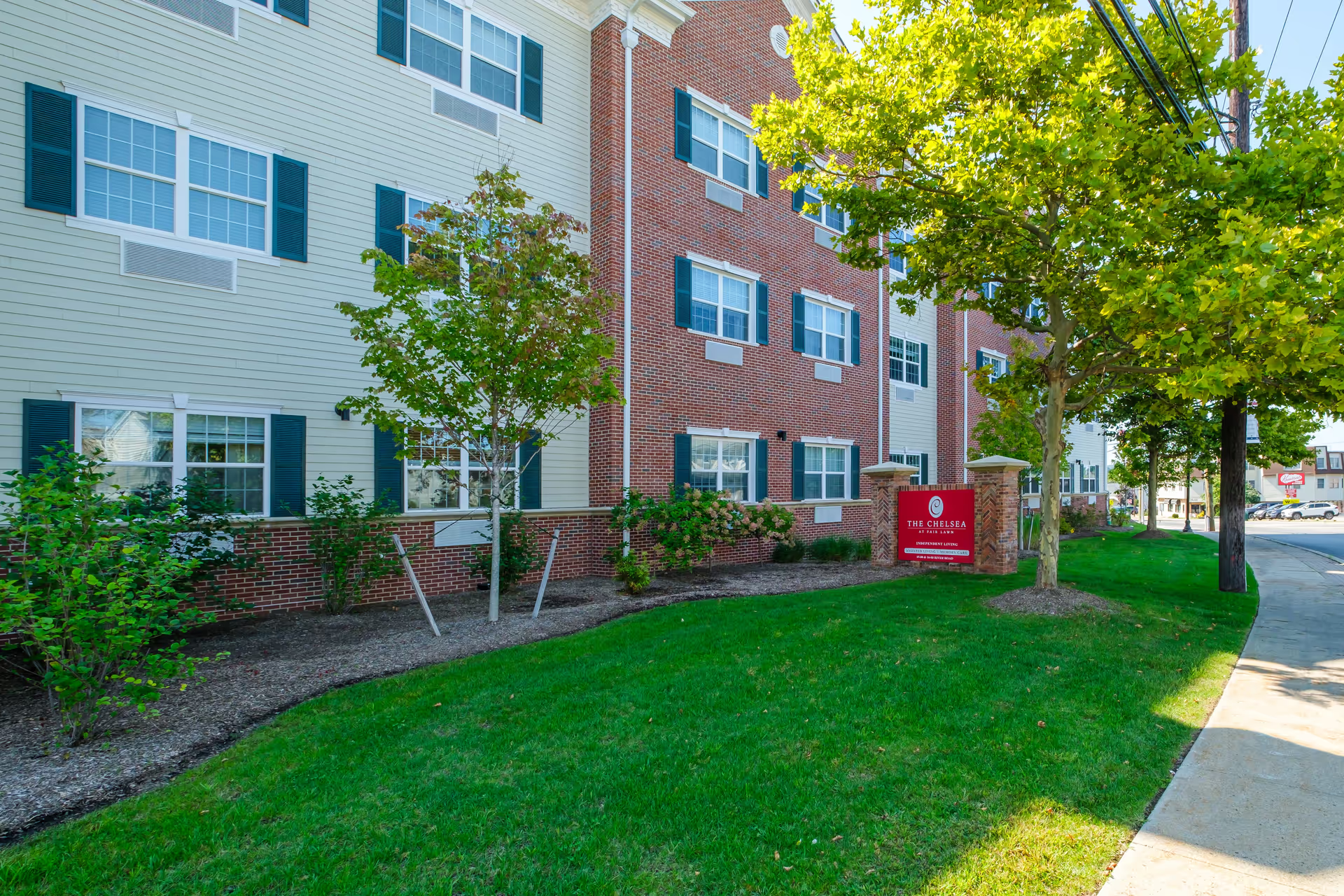
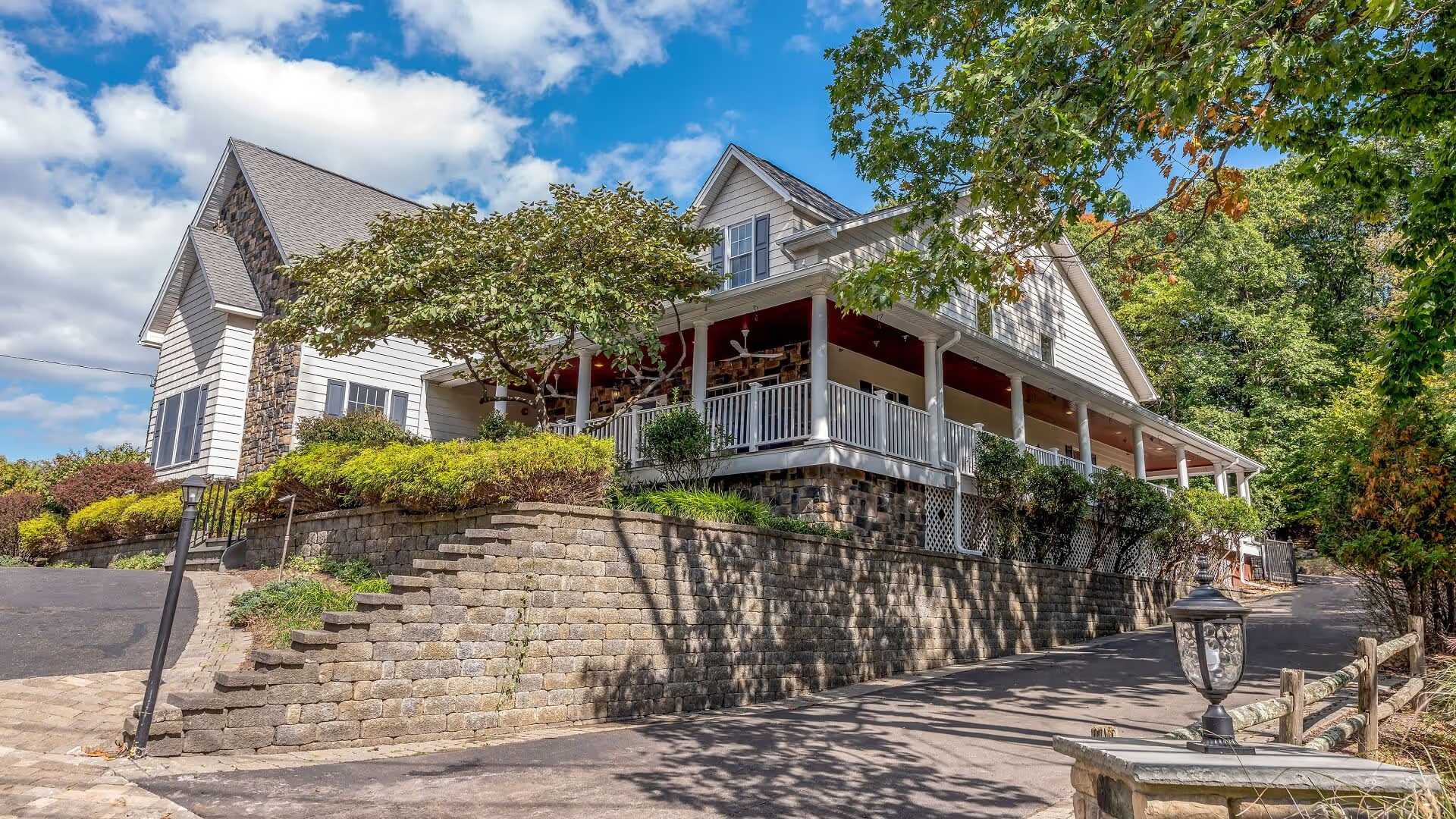
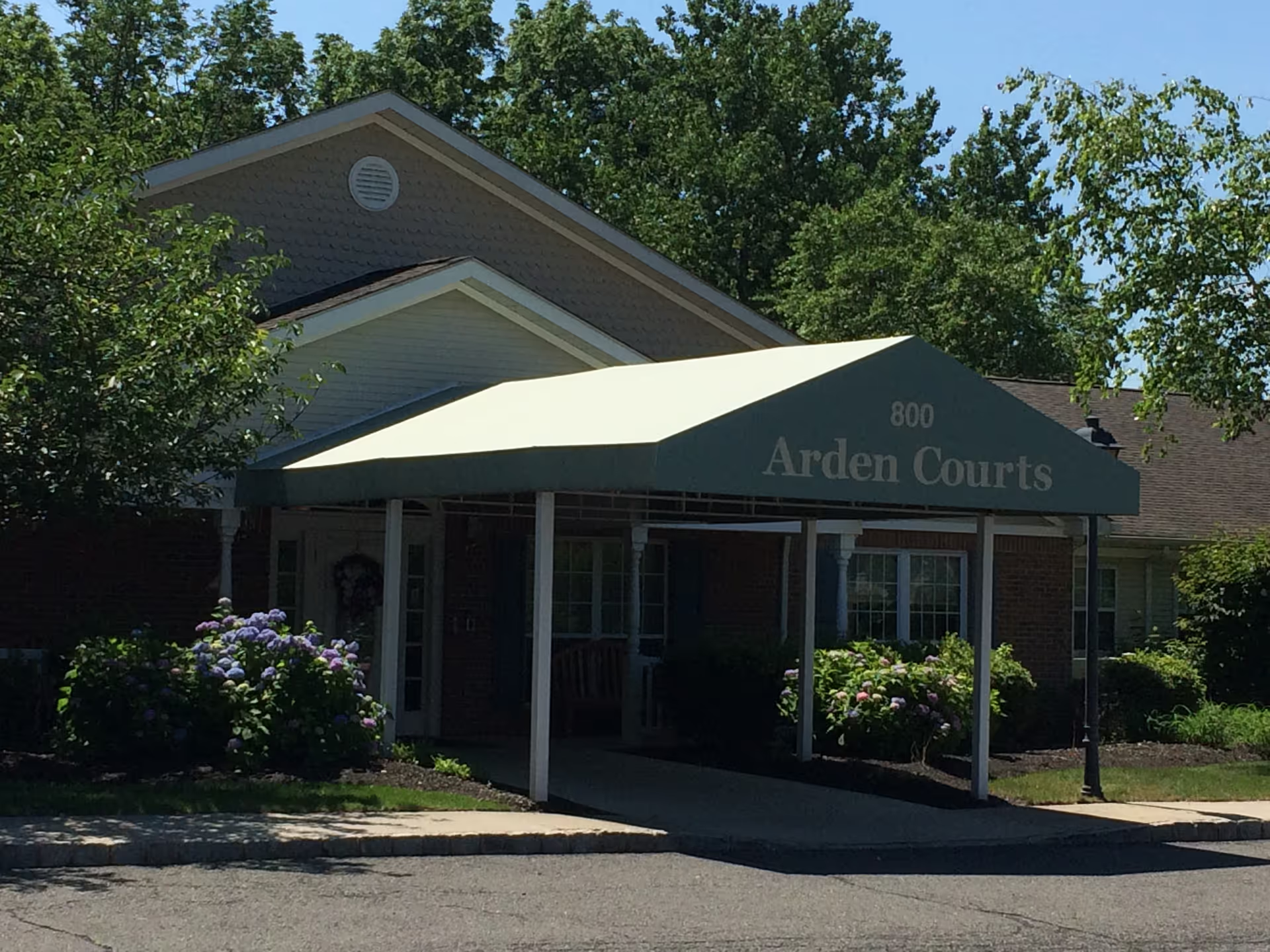
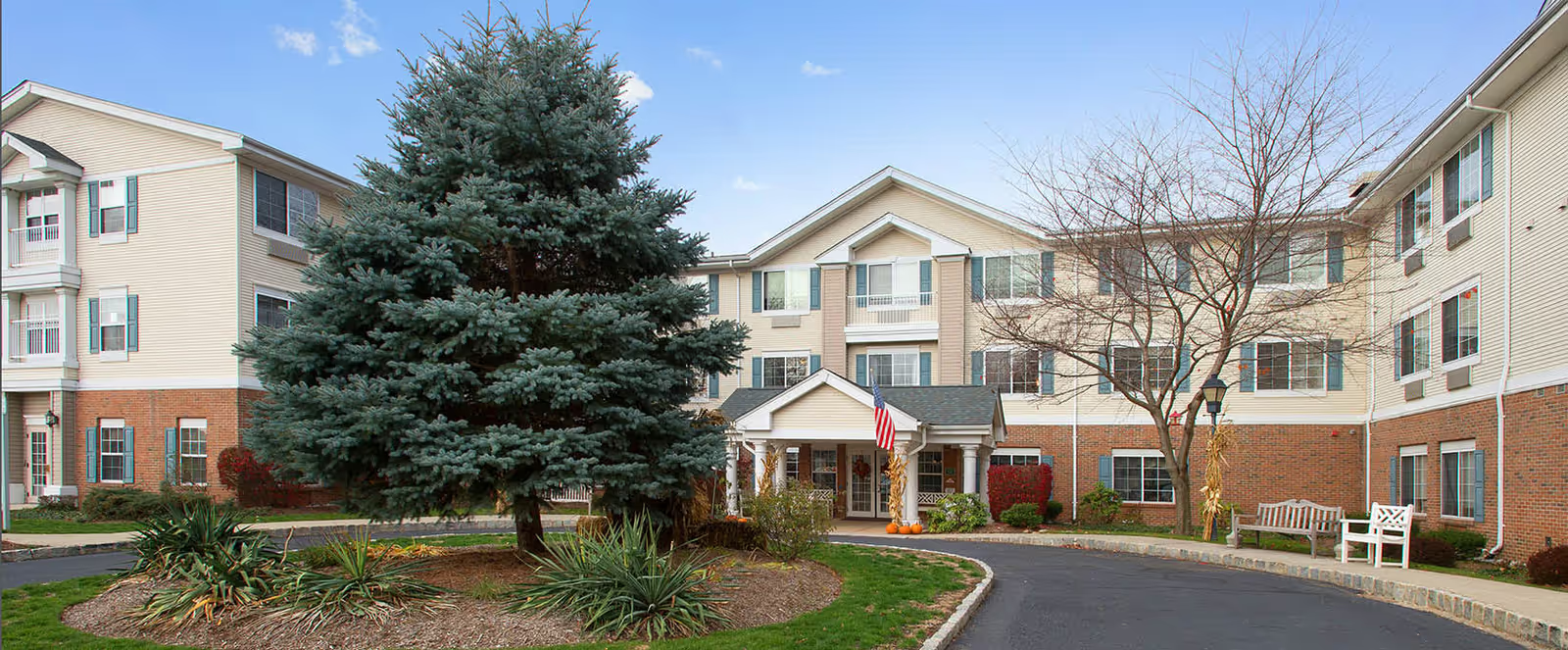
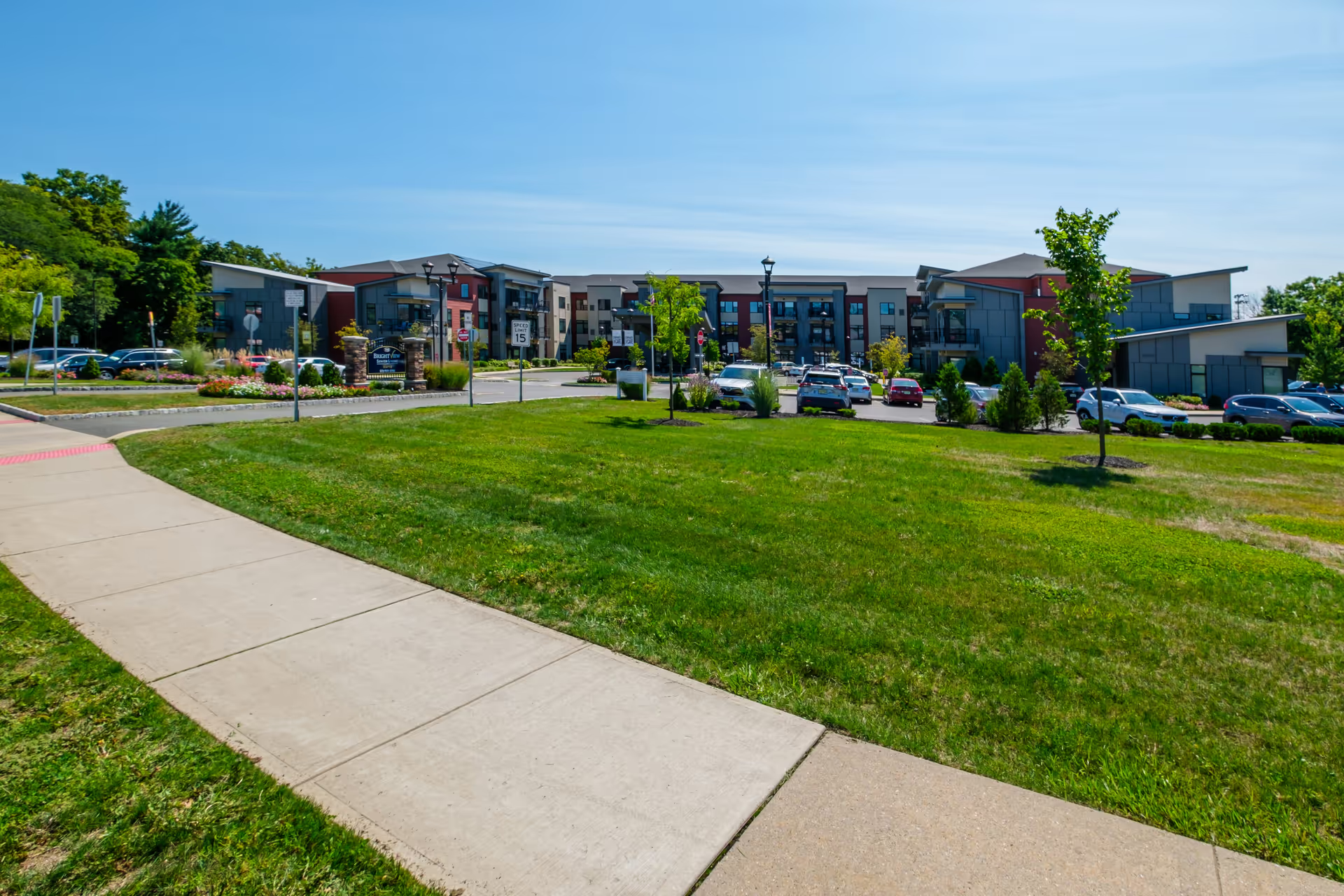
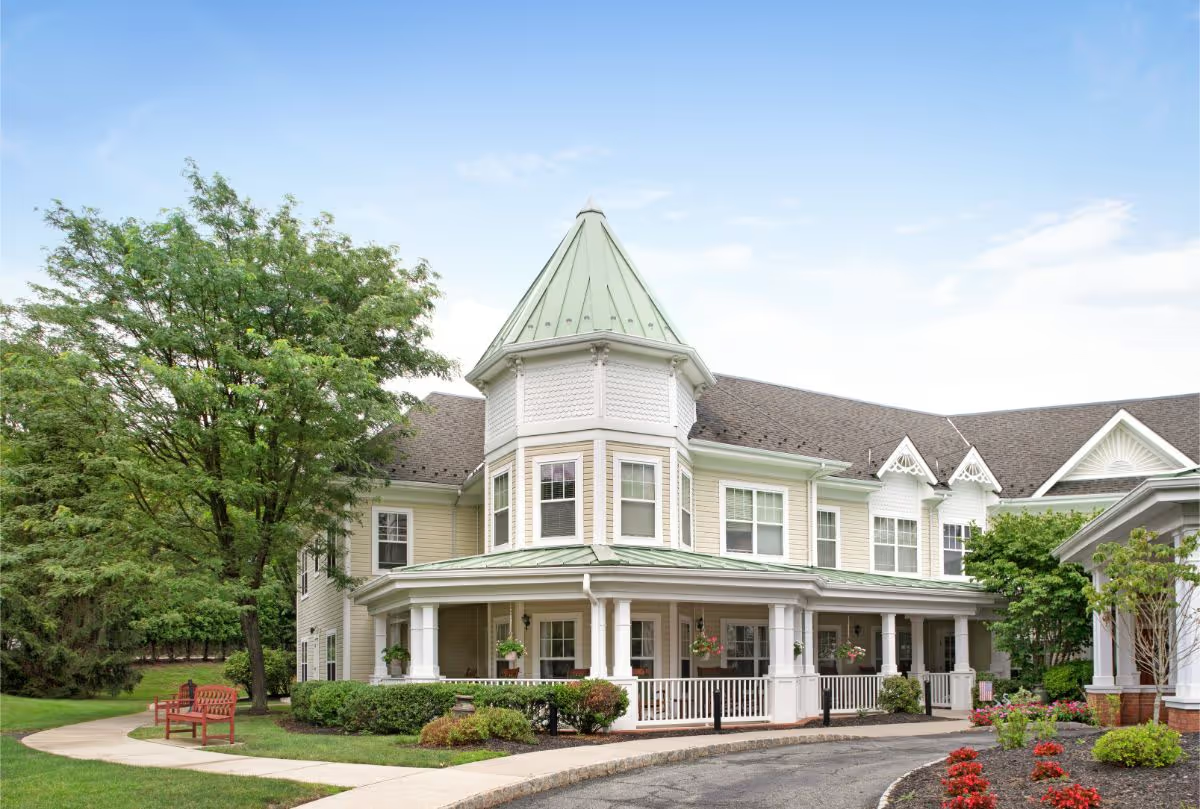
Facilities and environment: The facility is frequently described as clean, well-maintained, and secure, with an updated therapy gym and comfortable rooms and bathrooms. Maintenance staff receive positive mention for responsiveness. However, sanitation concerns in select situations were raised; these are not the prevailing impression but are significant when they occur and suggest the need for reinforced housekeeping and incontinence-care procedures.
Management and communication: Leadership and administrative accessibility are commonly praised; many families report that administrators and social workers are available, involved, and effective in care coordination. Positive notes include smooth hospital transfers and good discharge planning. Counterbalancing this, reviewers describe gaps in paperwork organization, clinical documentation, and follow-up communication. Unreturned calls and inconsistent progress updates to families recur as operational weaknesses that undermine otherwise strong clinical work.
Notable patterns and recommendation guidance: If rehabilitation and therapy-driven recovery are the primary needs, the facility shows strong capability and many families recommend it for post-hospital rehab. Prospective residents and families should weigh the facility’s rehabilitative strengths, engaged activities, and generally positive leadership against operational caveats: inconsistent staffing, occasional sanitation concerns, food-quality variability, and intermittent communication or documentation gaps. Those considering this facility may wish to ask specific questions about staffing continuity, call-response times, medication administration protocols, and dining temperature-control processes during tours and pre-admission planning.