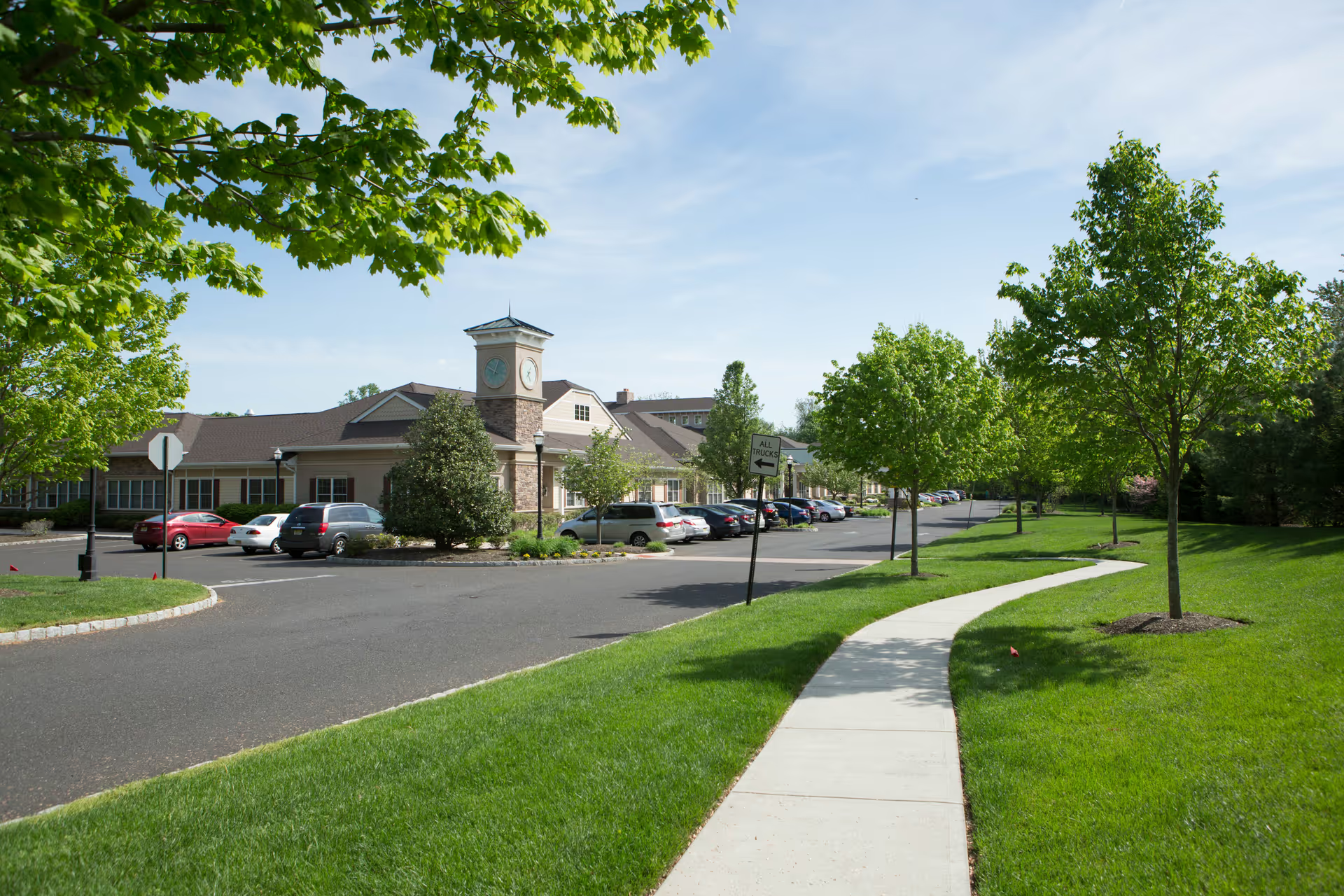
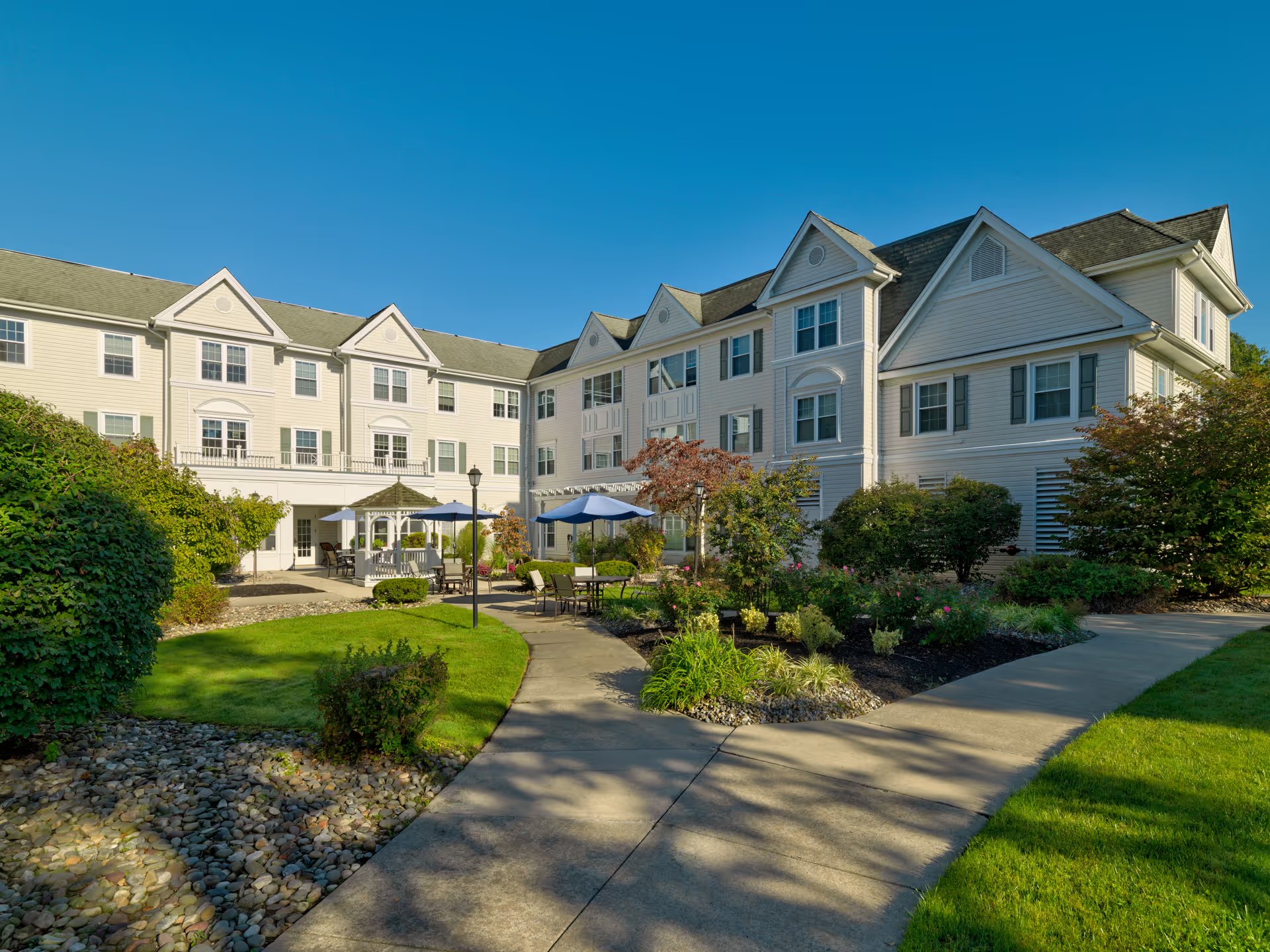
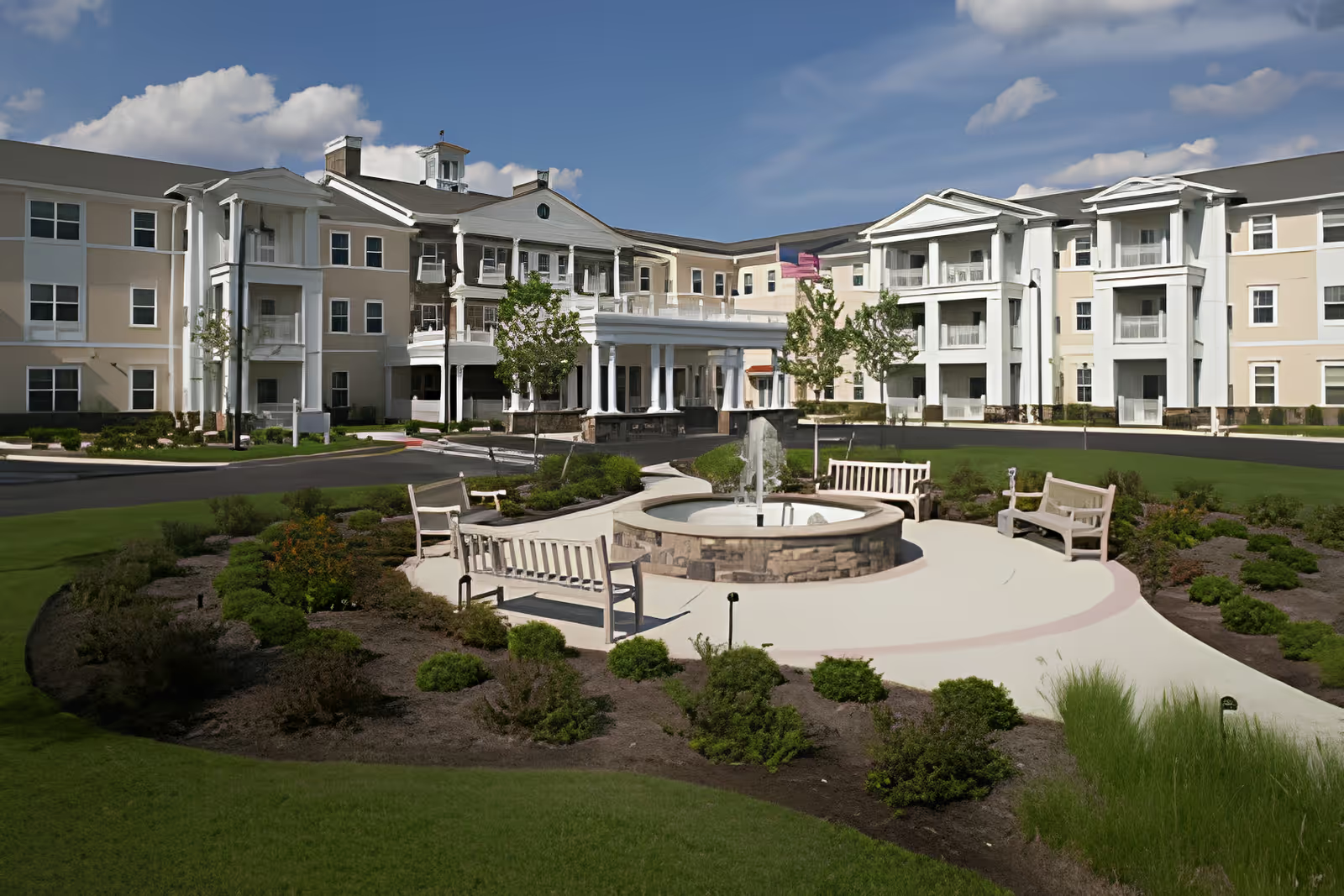
Reviews of Oasis at the Crescent are highly polarized. Many families and residents describe a warm, family-like community with engaged caregivers, active programming, and useful on-site services such as rehabilitation, medical coverage, salon services, transportation, and laundry. Several accounts praise recent leadership changes (executive and clinical directors) and say the facility has improved under new management; those reviewers highlight attentive nursing, welcoming admissions staff, renovated rooms, pet-friendly policies, and regular social activities that contribute to residents’ wellbeing.
At the same time, a substantial portion of feedback raises operational concerns that affect care experience and safety. Sanitation and odor concerns recur alongside pest-control concerns and reports of kitchen- and housekeeping-related problems. Maintenance and infrastructure reliability issues (including water intrusion and ongoing renovations) are mentioned frequently and can create inconsistent living conditions between renovated and unrenovated units. These facility-level issues appear to coincide with episodes of high staff turnover and periods of chronic understaffing, which reviewers link to variability in day-to-day care.
Clinical and care-process issues are a prominent theme. Multiple accounts describe delays or omissions in medication administration and in meal delivery or personal-care tasks; families also report gaps in communication when residents are hospitalized or require physician contact. Personal-property handling and laundry processes are another recurring concern, with complaints about mislabeling, loss, or damaged clothing. A smaller number of reviews make serious claims about missing items or financial misconduct; these are framed here as allegations that warrant verification through official channels.
Dining and activities are mixed. Several reviewers note enjoyable meals, frequent social events (bingo, parties, entertainment), and active programming that supports socialization. Other reviewers describe variable food quality and kitchen hygiene concerns, and some note that activity levels decline when staffing is inconsistent. Staffing and staff conduct are described as uneven: many staff members are characterized as caring and responsive, but there are repeated comments about unprofessional conduct, poor communication tone, and lapses in supervision that can affect resident safety and comfort.
Management and admissions practices elicit contrasting impressions. Positive accounts point to accessible leadership, improvements under new ownership, and staff who go above and beyond. Negative accounts cite management instability, broken commitments (missed tours, scheduling errors, unkept promises), and pressure during admissions. Security and front-desk procedures are also highlighted as areas for improvement, with some reviewers noting lapses that contributed to family concern about resident safety.
Taken together, the pattern suggests a facility with meaningful strengths in community, rehabilitation services, and several dedicated staff members, but also with operational and consistency problems that can materially affect resident experience. Prospective residents and families should inspect recent inspection results, ask for details about current staffing ratios and turnover, review the facility’s pest-control and maintenance plans, clarify medication and hospitalization communication protocols, and verify property-handling and laundry procedures. If considering placement, an in-person visit during peak activity hours and conversations with current families may help assess whether the recent management changes have been sustained in practice.