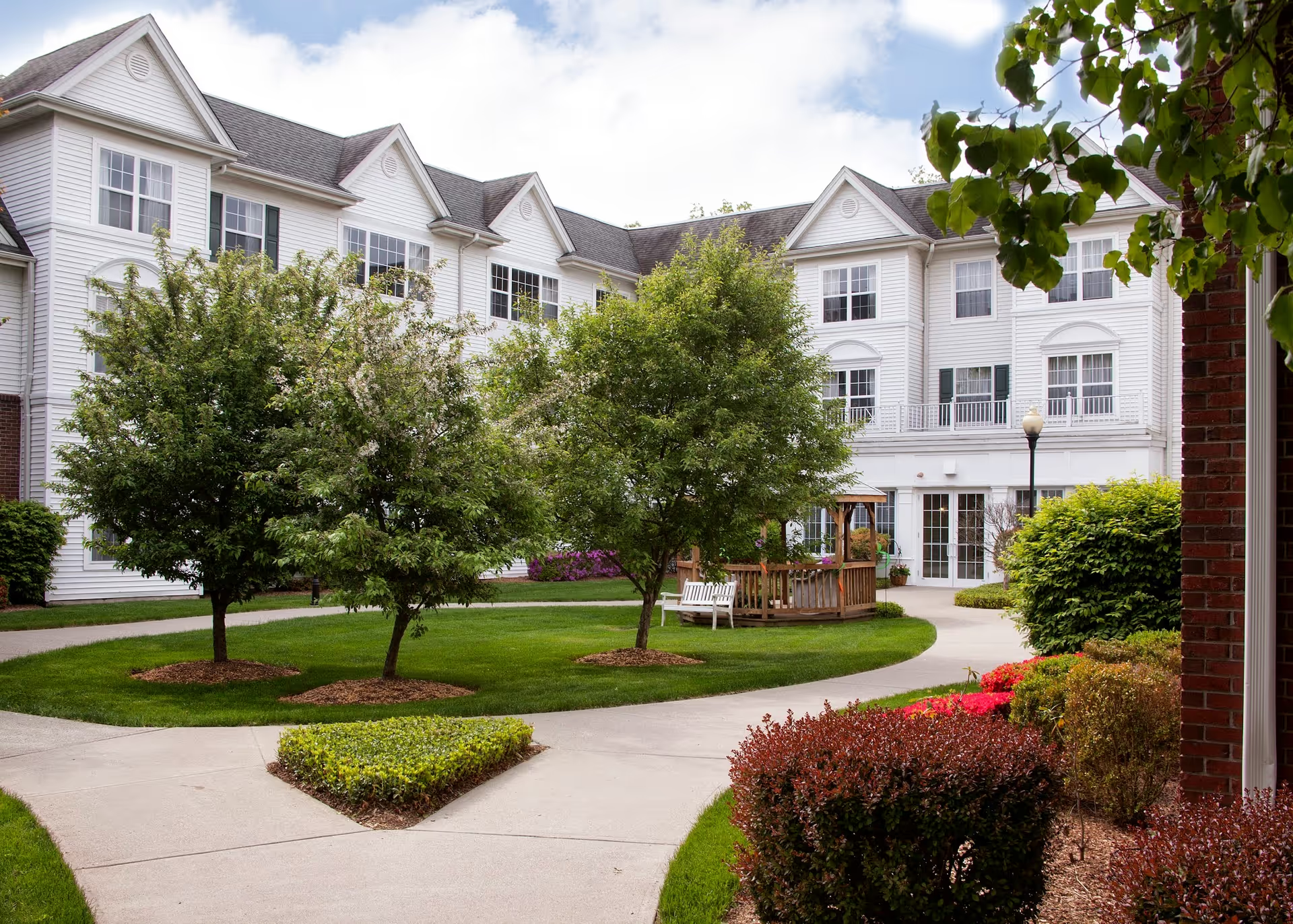
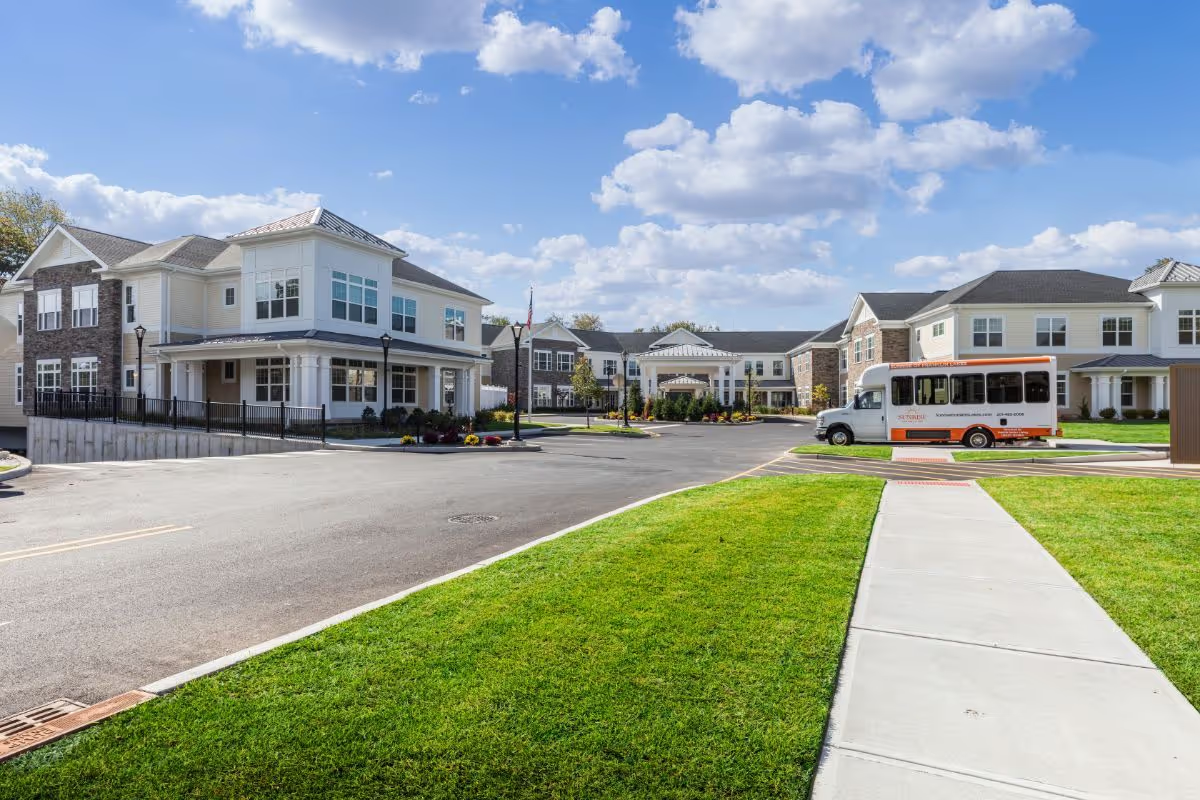
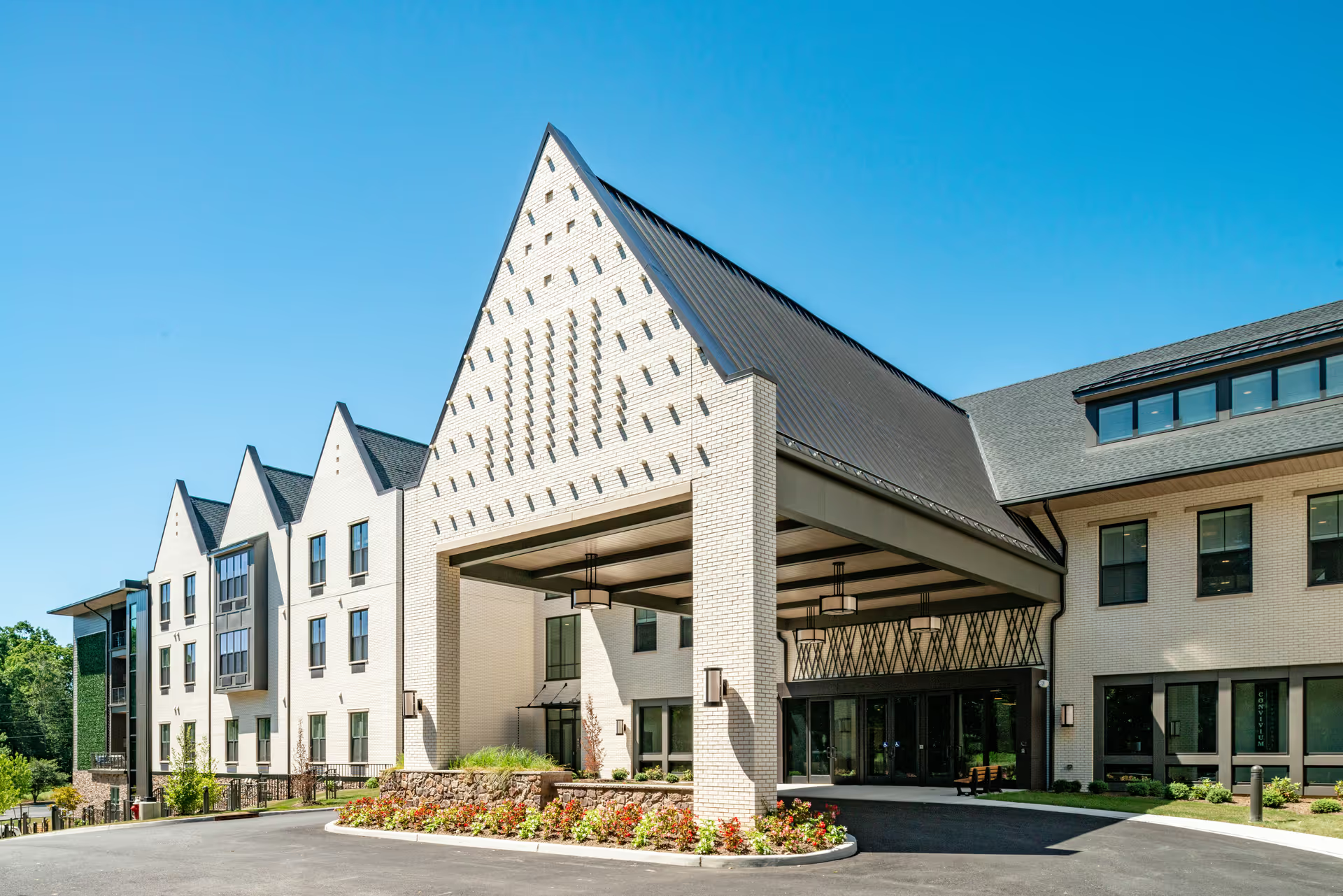
Fox Trail Memory Care Living presents as a bright, recently updated memory-care community with a strong emphasis on a homelike atmosphere and personalized attention. Reviewers describe a clean, well-maintained building with sunny common areas, an outdoor porch and patio, and an open, circular floor plan that can help residents maintain orientation. Rooms and shared spaces are often characterized as comfortable and non-institutional, and several families said the environment produced a sense of safety and relief compared with larger institutional options.
Care quality and staff strengths are prominent in the feedback. Many accounts emphasize compassionate, one-on-one attention from aides and nursing staff, familiarity with dementia-related needs, and an activities team that provides varied and individualized engagement. Specific staff members and managers are mentioned as proactive and supportive; families frequently describe trust and peace of mind stemming from these relationships. The facility’s programming and daily interaction are viewed as meaningful contributors to resident well-being.
At the same time, the community shows operational inconsistencies that prospective families should evaluate. Communication with families and the business office is uneven: unreturned calls and difficulty accessing the administrative office were cited, and at least one family experienced a billing dispute. Staffing instability and turnover are recurrent themes; these can affect continuity of care and, according to some accounts, reduce day-to-day resident interaction. Language proficiency of some caregivers was also noted as a communication barrier in certain situations.
Dining and admissions present mixed signals. Several families praised menu variety, healthy snacks, and meals enjoyed by picky eaters, while others described unacceptable food quality or inconsistency in meal service. Admissions and room-availability handling has produced frustration in isolated instances—delays related to prior occupancy and contract timing were mentioned, though refund and alternative-arrangement efforts were also reported.
Facility layout and unit-level fit appear resident-dependent. The circular hallway design and open-plan common areas are strengths for orientation and social interaction, but a subset of visitors found some units noisy with small or awkwardly configured rooms that were not a good fit for their relative. This suggests that unit selection and an in-person visit to specific rooms are important.
In summary, Fox Trail scores well for compassionate, dementia-informed caregiving, an engaging activities program, and an attractive, homelike physical environment. Areas to probe further during a visit include staff continuity and language proficiency, family-communication protocols, dining quality and meal-schedule practices, billing and admissions processes, and the specific room layout being offered. Asking for recent staff turnover metrics, sample menus, a copy of the admissions/contract and refund policy, and observing mealtime and activities in person will help families determine whether the operational fit matches the facility’s otherwise positive clinical and social strengths.