Reviews of AristaCare at Cedar Oaks present a strongly mixed picture in which notable clinical and program strengths coexist with recurring operational weaknesses. The facility receives repeated praise for its rehabilitation services: physical and occupational therapy teams are frequently described as effective, personalized, and instrumental in returning patients to independent function. Many families singled out individual therapists and nursing staff for professionalism, compassion, and measurable clinical progress. On-site amenities (therapy gym, pool therapy, salon) and multidisciplinary specialty programs (cardiac and stroke pathways, prosthetics coordination) reinforce the facility's positioning as a post-acute rehab option.
Staff performance is a primary driver of patient experience. Numerous reviews commend CNAs, RNs, nurse practitioners, and specific administrative/team members for attentive, family-oriented care and clear communication. Social workers and admissions staff are often highlighted for proactive insurance navigation and discharge planning. At the same time, there is a clear pattern of variability: other reviews describe lapses in responsiveness, curt or unprofessional communication, and staff behaviors that families found concerning. Staffing shortfalls — particularly on nights and weekends — are repeatedly linked to slower assistance, delayed medication administration, and reduced oversight.
Dining and activities are another area of divergence. Many families praise home-style, culturally appropriate meals (notably South Asian/Gujarati options), buffet service, and an active calendar of social and cultural programs that support engagement. Conversely, some reports indicate inconsistent meal quality, temperature issues, and periodic service problems. Recreational programming and therapy-driven activities are broadly seen as strengths that contribute positively to morale and rehabilitation engagement.
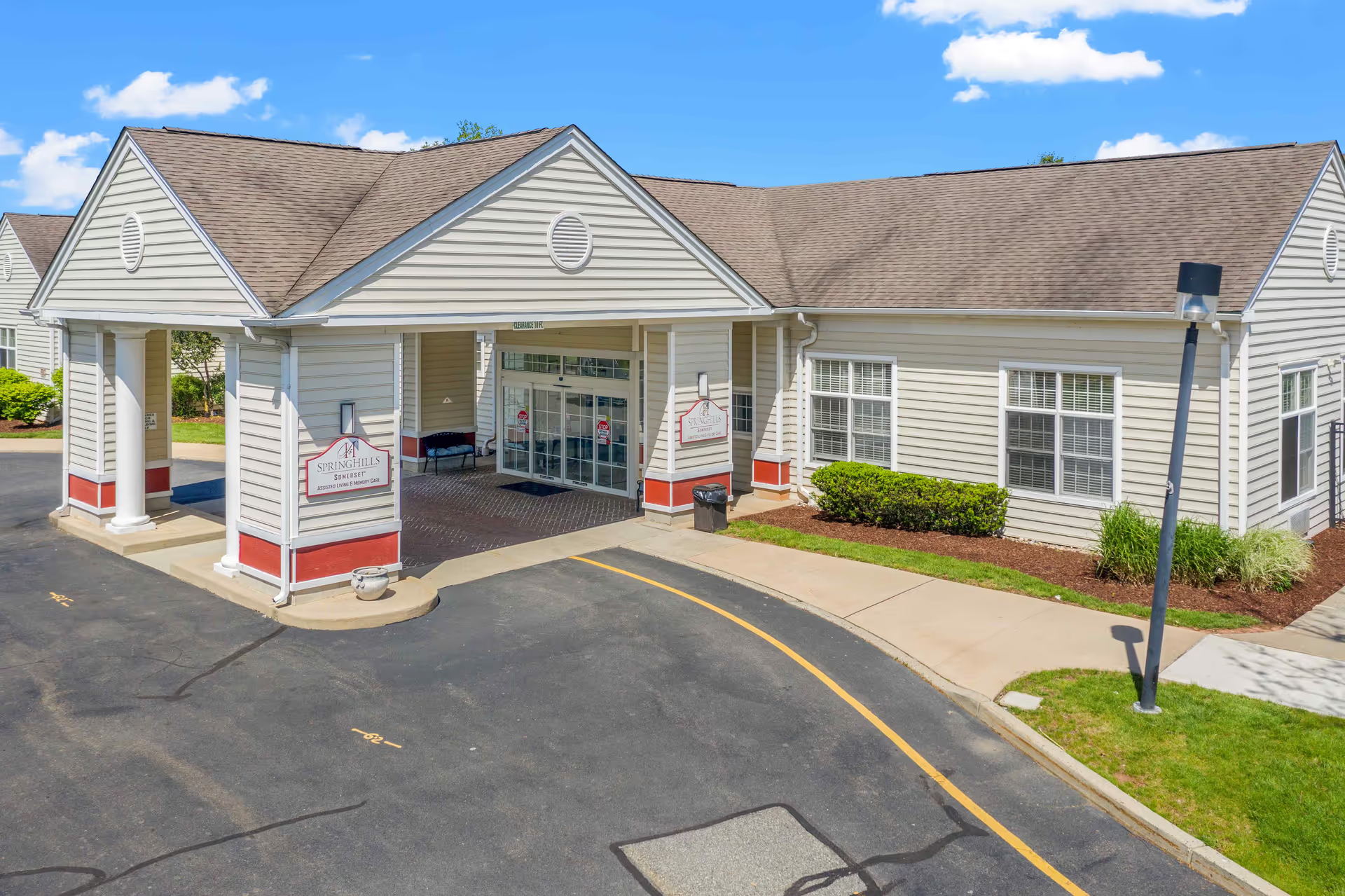
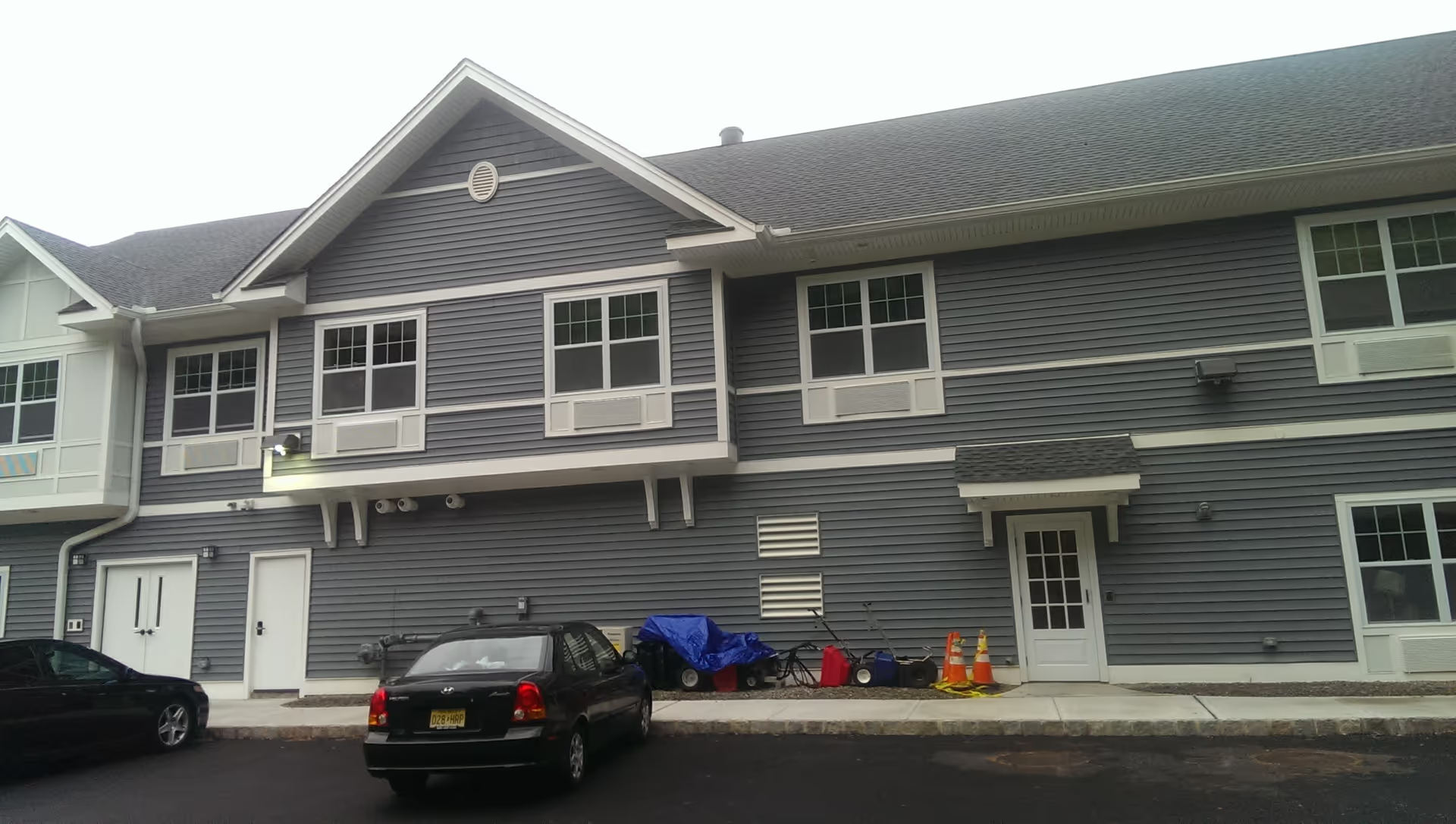
Facility condition and safety show variability across units. Positive comments describe clean, well-maintained public areas and a hotel-like atmosphere on some floors. Contrasting feedback raises concerns about maintenance delays, dated or stained infrastructure in certain rooms, parking lot condition, and pest-control or sanitation issues in specific areas. Safety-related operational concerns are mentioned repeatedly: delayed call-bell responses, transfer and mobility-assist practices needing improvement, and inconsistent incontinence-care processes. Reviews also reference problems with medication handling and documentation, which families view as a significant clinical risk.
Management and oversight receive mixed evaluations. Several families report timely, solution-focused responses from quality directors and administrators who resolved issues and coordinated care effectively. Others cite poor communication, inconsistent follow-through, aggressive or unclear billing practices, and a perceived lack of accountability when serious incidents occur. A small number of reviews include allegations of severe clinical incidents or administrative failures; those items suggest the value of checking state inspections and complaint histories during a prospective visit.
Overall pattern and guidance: AristaCare at Cedar Oaks appears to offer high-quality rehabilitation and a culturally sensitive environment for many patients, supported by standout therapists, committed nursing staff, and helpful administrative resources. However, persistent themes — inconsistent staffing coverage, variable cleanliness/maintenance, meal-service inconsistency, medication/documentation lapses, and uneven management responsiveness — warrant careful inquiry from prospective residents and families. When evaluating this facility, consider an in-person tour during peak and off-peak hours, ask about current staffing ratios (nights/weekends), request recent inspection and infection-control records, observe meal service and unit cleanliness, and obtain specifics about medication-safety and dementia-care protocols. Families who choose the facility should plan for active engagement with the care team and confirm named contact points for escalation should issues arise.