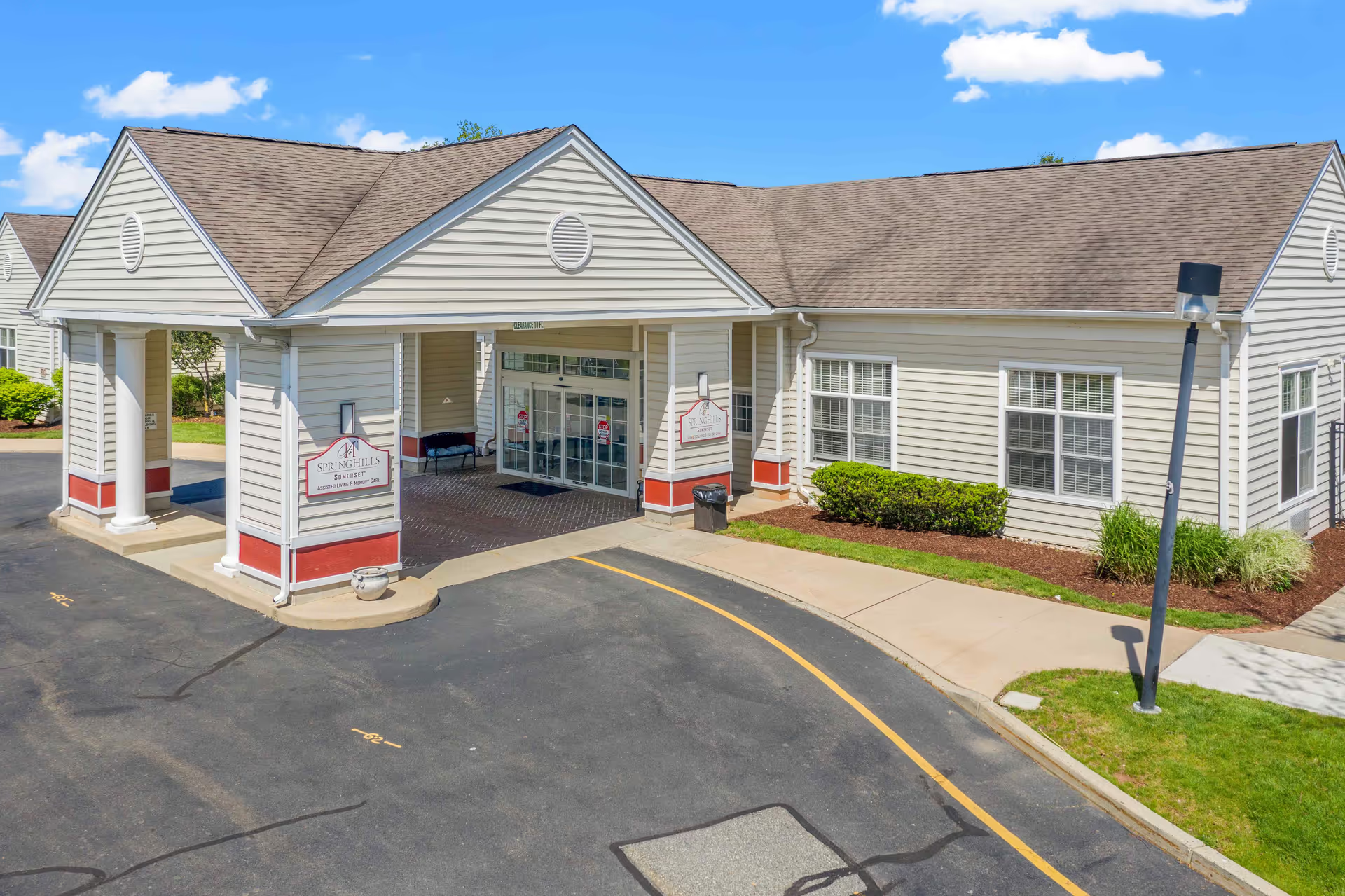
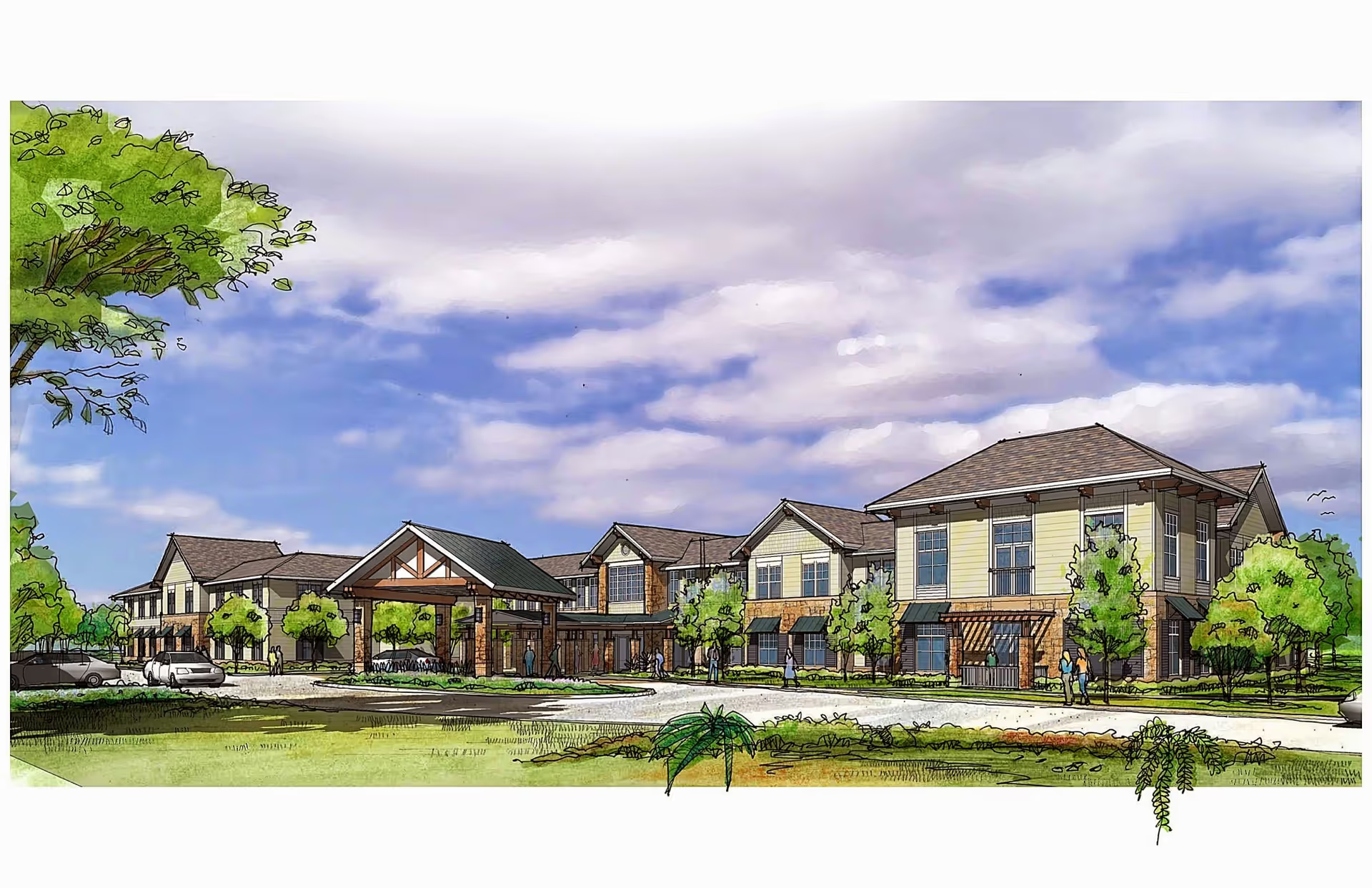
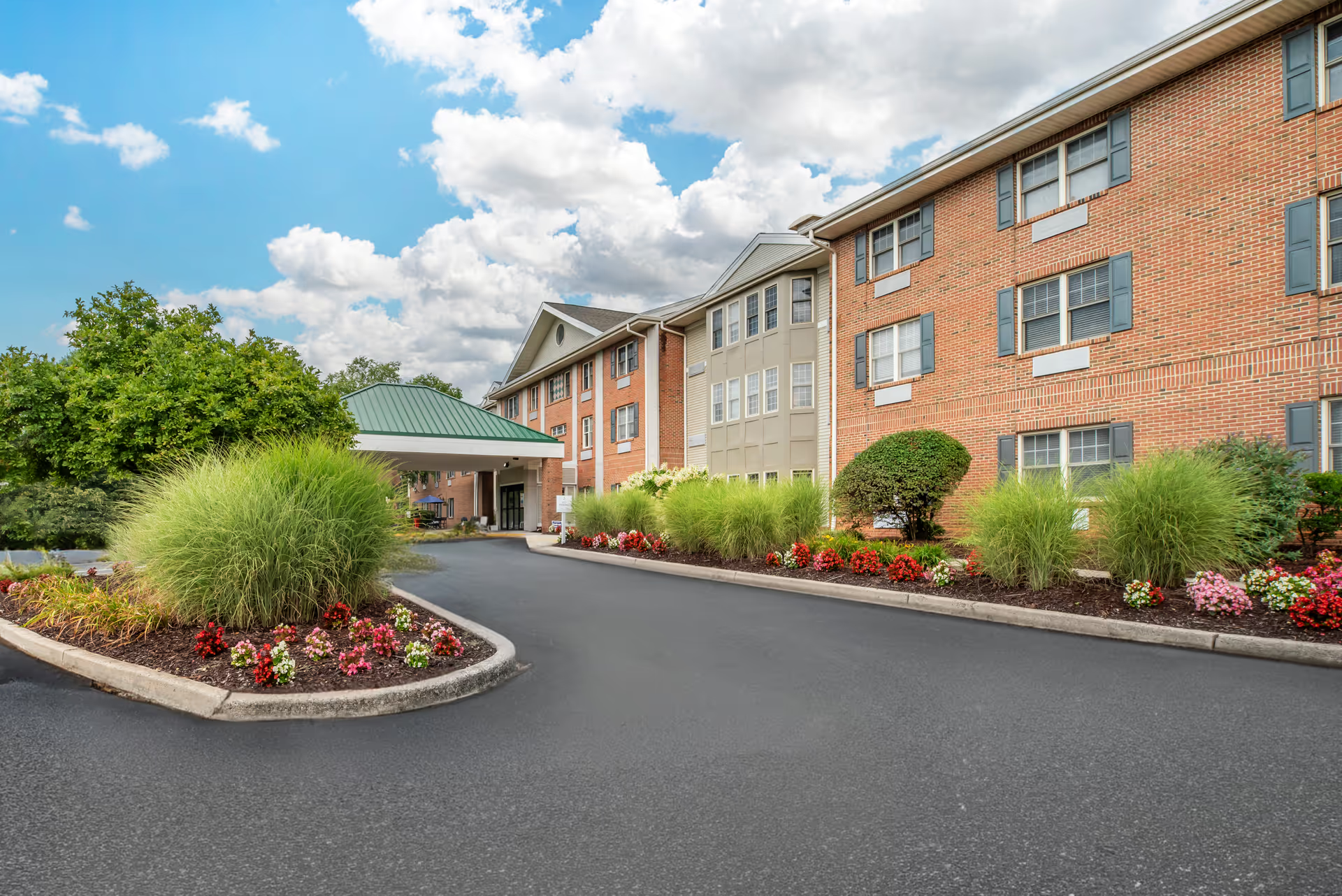
Reviews describe a small, home-like memory-care community with several clear strengths alongside operational gaps that prospective families should evaluate. Strengths commonly highlighted include a compassionate and attentive caregiving team, a secure single-floor layout, private rooms in many units, and an overall clean, well-maintained appearance. Families frequently praise the facility’s memory-care focus, individualized attention, engaged house manager, and accessible outdoor and communal living spaces. Several reviewers also noted responsive leadership and direct communication from management when staff or clinical issues arise.
At the same time, a consistent theme is variability in day-to-day care quality. Reviewers report intermittent understaffing and scheduling inconsistencies that can delay staff response and reduce continuity of care. There are also concerns about uneven staff competence and training for behavioral and clinical needs; these gaps were cited in connection with challenging behaviors and with how clinical changes are addressed. A serious individual clinical incident was described in one review, and several reviewers raised concerns about how clinical incidents are handled and communicated to families—collectively indicating gaps in incident response and family follow-up procedures.
Operational and environmental issues appear in multiple reviews. While the facility is described as generally clean and attractive, some reviewers note sanitation and bathroom cleanliness issues and occasional odor concerns in common areas such as the dining space. Maintenance problems (for example plumbing and flooring repairs) and intermittent delays performing repairs were also reported. The physical layout includes a number of rooms without private bathrooms and some shared-room arrangements, which may matter for families prioritizing private ensuite facilities.
Administration and logistics show mixed feedback. Several families praised a new management team and mention corrective-action plans; others experienced inconsistent communication, pressure around contract payments, and questions about transparency in contract terms. Personal-property handling and laundry/labeling processes were raised as recurring weaknesses—examples include lost hearing aids, glasses, and mixed-up clothing—suggesting the facility would benefit from stronger property-management and labeling protocols. Activity offerings were described as limited by some reviewers, while meals were generally characterized as satisfactory in taste though constrained by resources.
In summary, Fox Trail Memory Care Living at South River presents as a warm, small-scale memory-care option with many families reporting positive relationships with staff and a home-like environment. However, prospective residents and their families should directly assess staffing levels and training, sanitation and maintenance responsiveness, personal-effects management, activity programming, and contract transparency during a visit. Specific questions to ask on a tour include current staff-to-resident ratios and scheduling practices, protocols for clinical incidents and family notification, maintenance turnaround times, belongings-labeling procedures, and the availability of private bathrooms and Medicaid options.