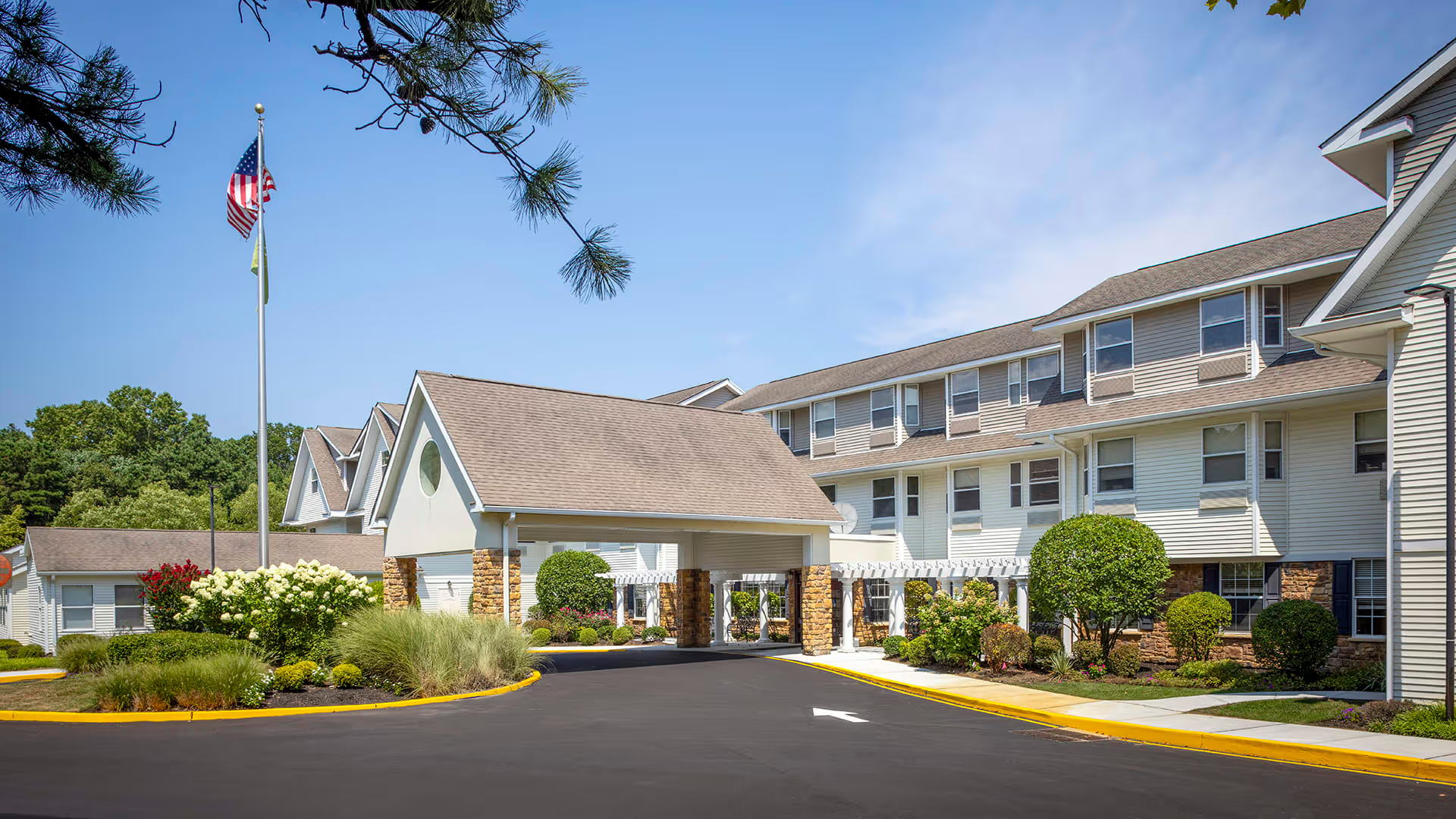
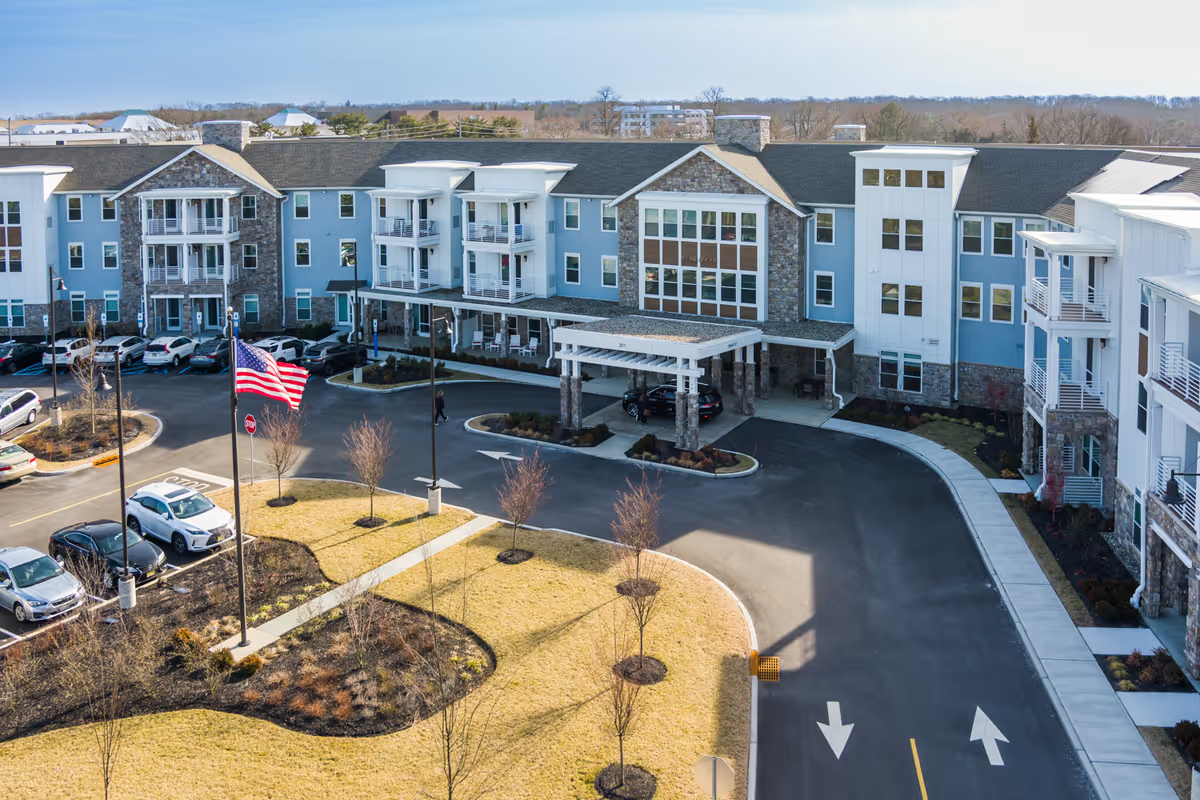
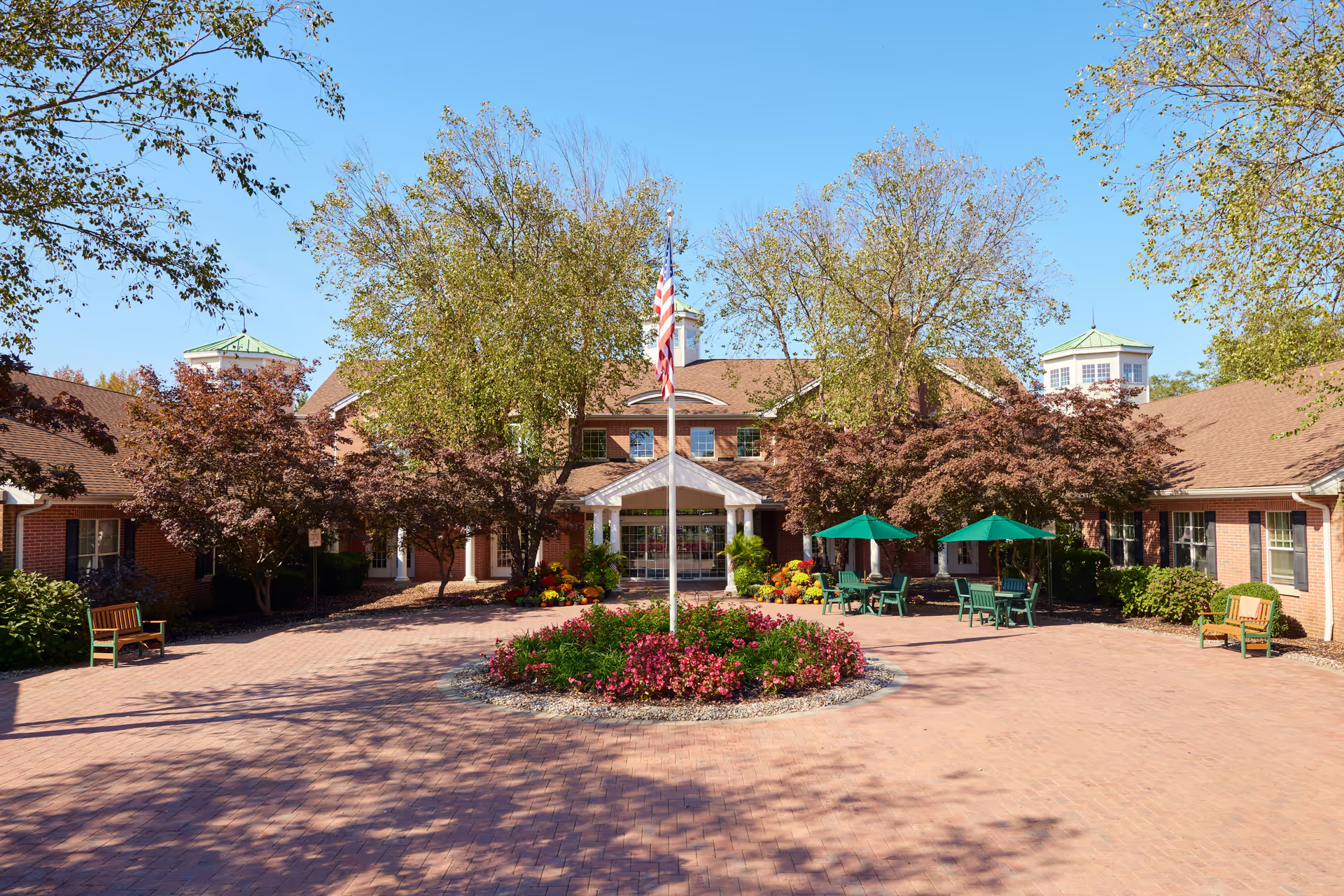
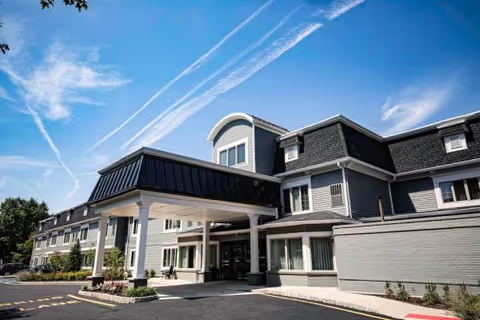
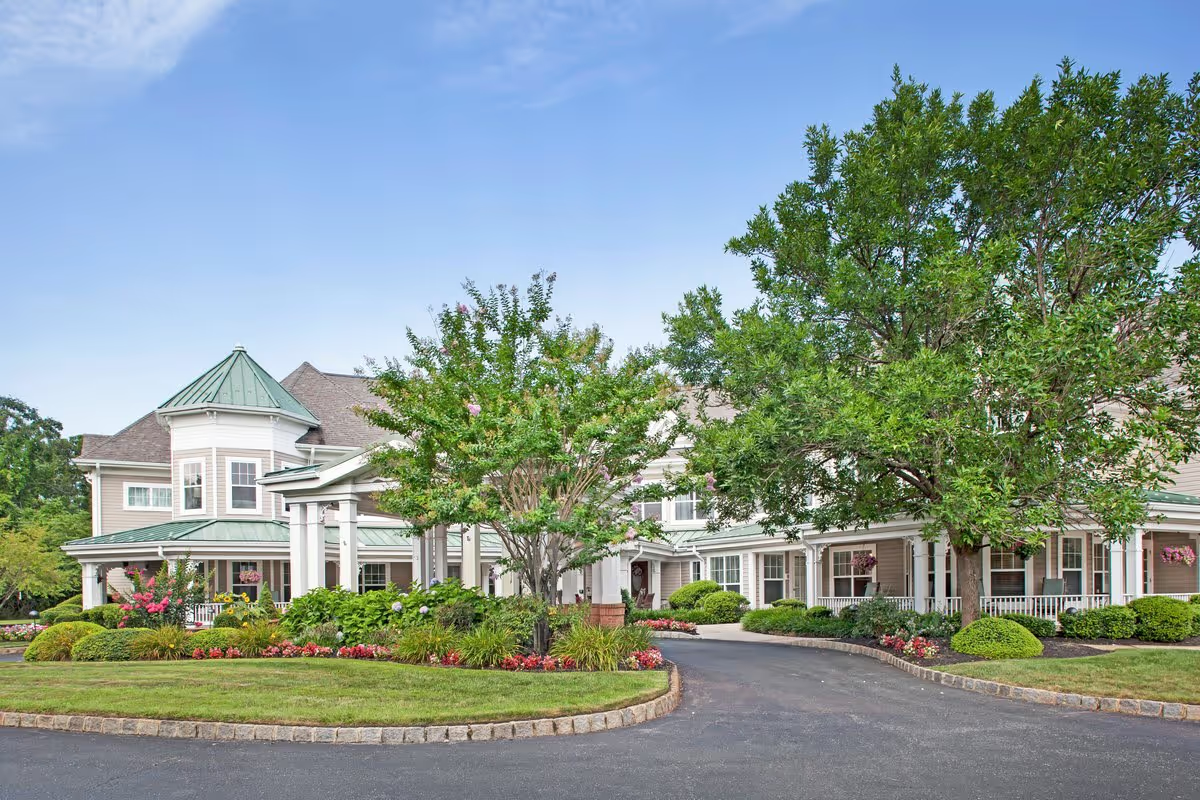
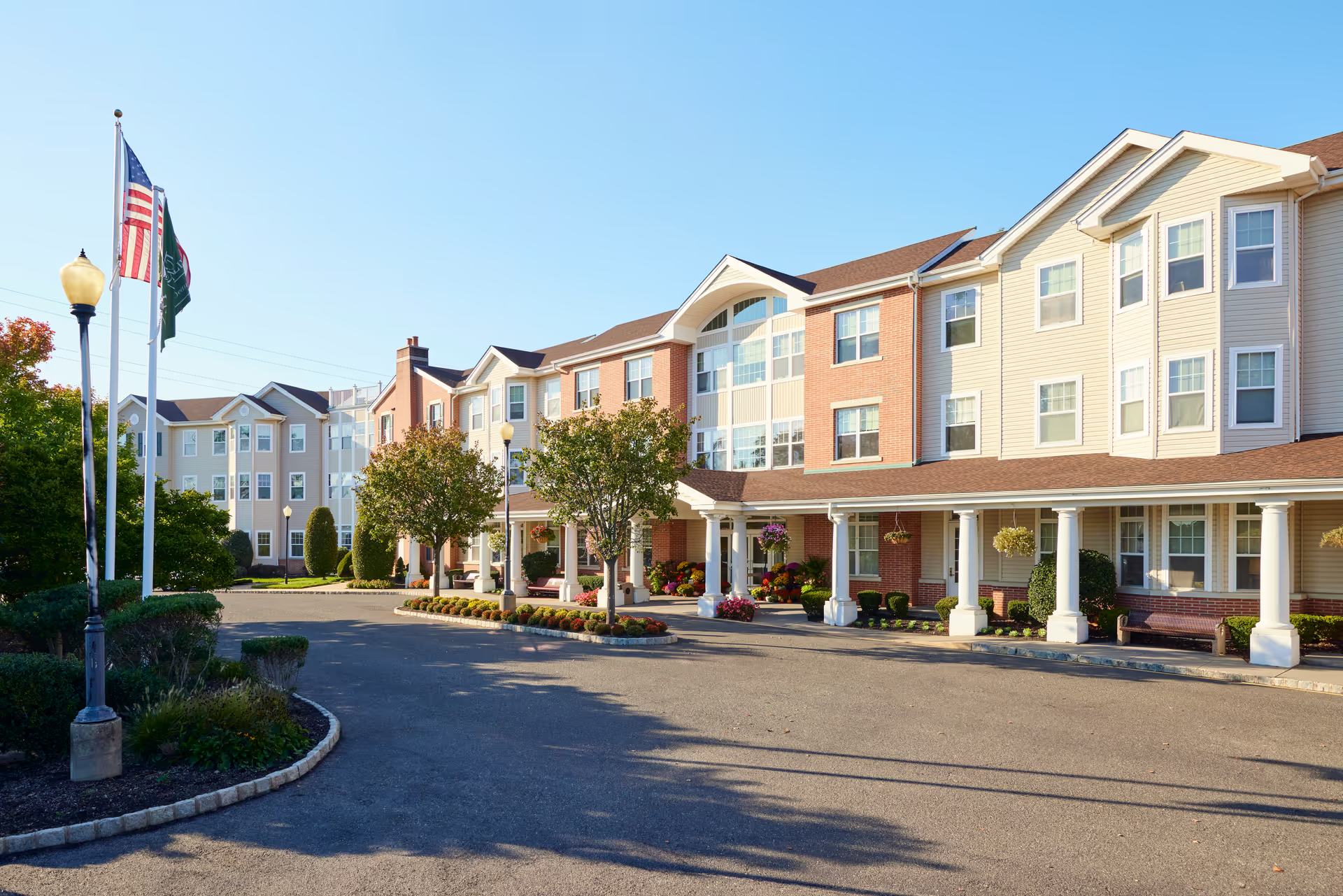
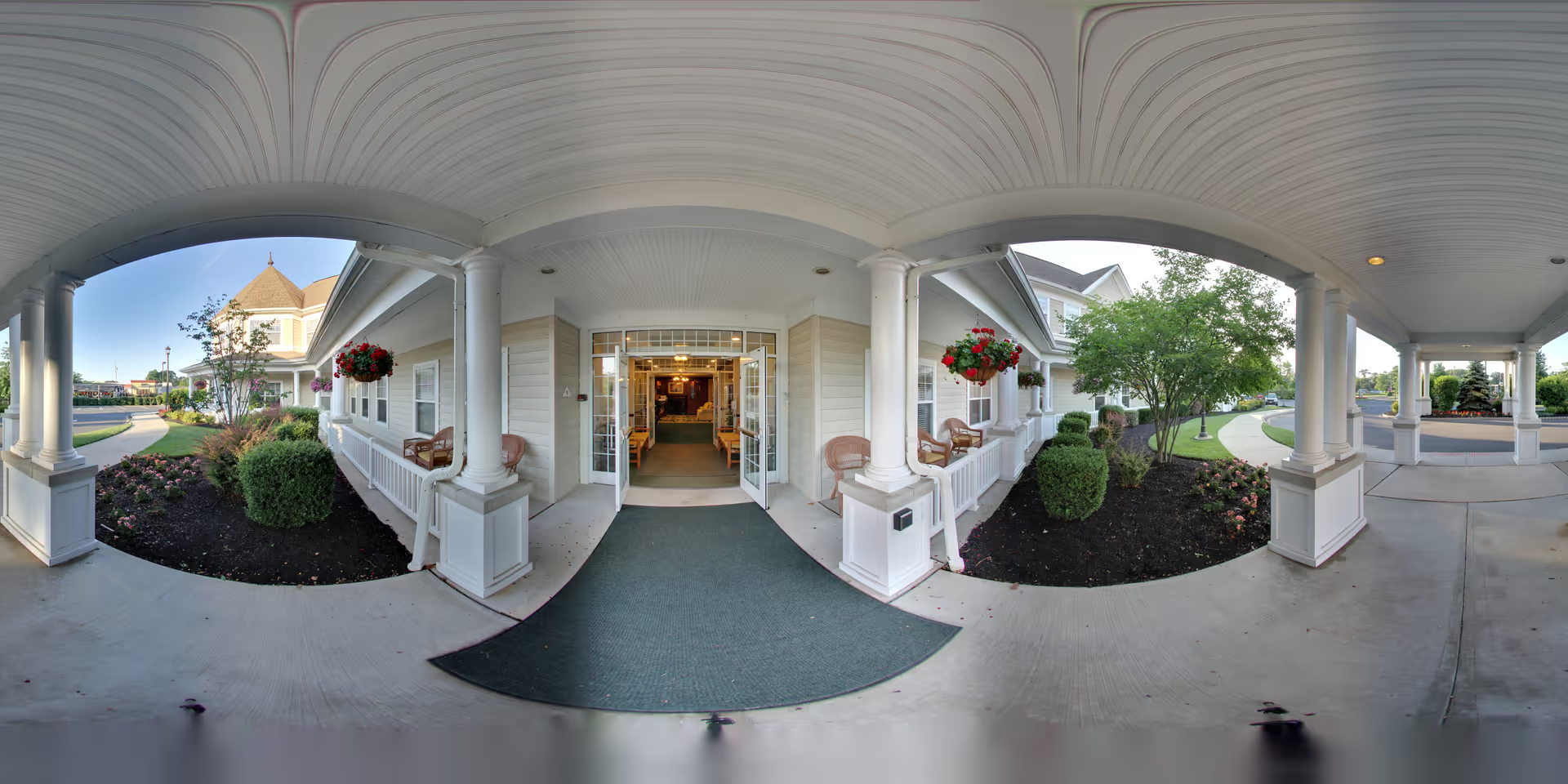
Seabrook is consistently described as a large, well-appointed senior living campus with extensive amenities and a wide continuum of care. Strengths commonly cited include an attractive, modern campus and well-maintained grounds, spacious apartment options with full kitchens and in-unit laundry, multiple dining venues, and an active social program that spans arts, fitness, hobby shops, theater, and regular outings. On-site clinical resources — primary-care doctors, nursing services, rehabilitation, a pharmacy, and access to hospice and memory-care units — contribute to a perception of clinical comprehensiveness that appeals to residents seeking continuity of services on one campus.
Staffing and day-to-day caregiving receive mixed but often positive comments. Many reviewers highlight friendly, helpful, and responsive staff members who accommodate accessibility needs and provide supportive care during recovery episodes. Move-in assistance, social-work and financial counseling presence, shuttle/transportation services, and a strong activity schedule reinforce an independence-first culture for many residents. The facility’s wellness amenities — indoor pools, gyms, walking paths, and hobby/workshop spaces — are frequently praised and support active lifestyles.
However, reviewers raise several recurring operational concerns that prospective residents and families should evaluate. Administrative communication and responsiveness emerge as a consistent theme: families describe delays in follow-up, unclear billing or escrow practices, and difficulty obtaining timely answers from management. Contract terms and refund policies are described as complex and have caused disputes, so careful contract review is recommended. There are also allegations of theft and vendor-related financial vulnerability tied to use of recommended movers and in-house service requirements; these accounts suggest potential weaknesses in vendor vetting and safeguards around resident property and finances.
Care quality in assisted and continuing-care settings appears uneven. While some caregivers are praised for going above and beyond, other accounts describe insufficient staffing on assisted living floors, slow response times to care calls, and inconsistent aide conduct. These operational patterns have implications for residents with higher care needs; families should inquire about staffing ratios, response-time metrics, and oversight of aides. Behavioral-health resources were identified as limited, with few onsite psychiatric services and infrequent depression-support programming, which is an important consideration for residents with complex mental-health needs.
Dining and housekeeping receive both strong praise and criticism. The campus offers multiple restaurant-style venues and varied menus, with several positive remarks about quality and presentation. At the same time, reviewers note inconsistencies in meal temperature, seasoning, reservation handling, and occasional service lapses. Similarly, while overall cleanliness and modern renovations are frequently noted, there are isolated sanitation and pest-control concerns and reports that cosmetic upgrades sometimes take precedence over essential maintenance.
In summary, Seabrook presents as a comprehensive, amenity-rich senior living community that many residents enjoy for its social programming, medical access, and campus atmosphere. The primary operational risks to probe further are administrative transparency (contracts, fees, refunds), consistency of assisted/continuing-care staffing and oversight, dining-service reliability, security and vendor safeguards, and availability of behavioral-health resources. Prospective residents and families would benefit from targeted questions during tours: ask for written refund/escrow terms, current staffing ratios and average call-light response times for the intended care level, examples of vendor-vetting procedures, pest-control and maintenance priorities, and the availability of psychiatric or counseling services. These targeted inquiries can help align expectations with the facility’s strengths and known operational challenges.