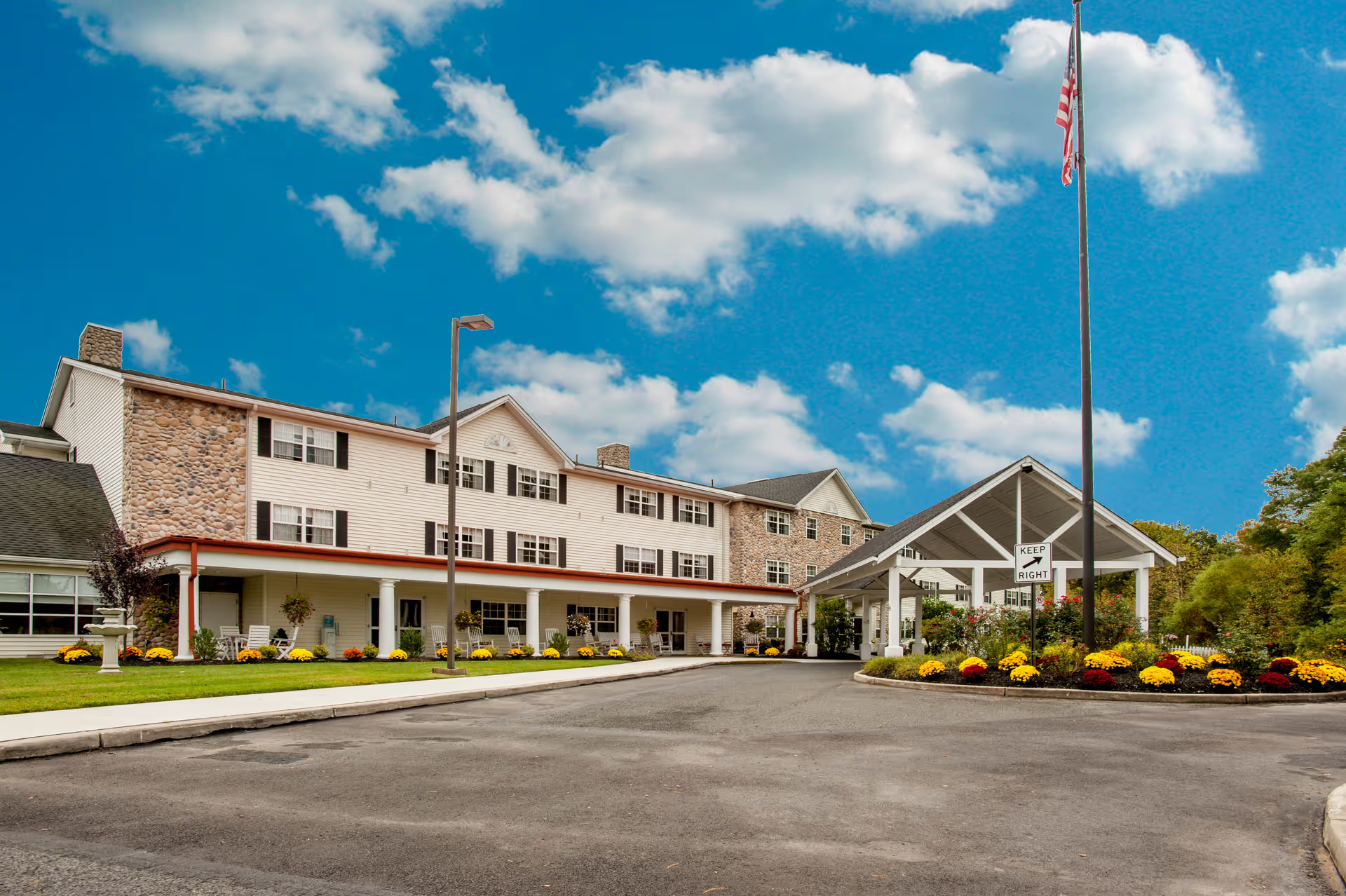
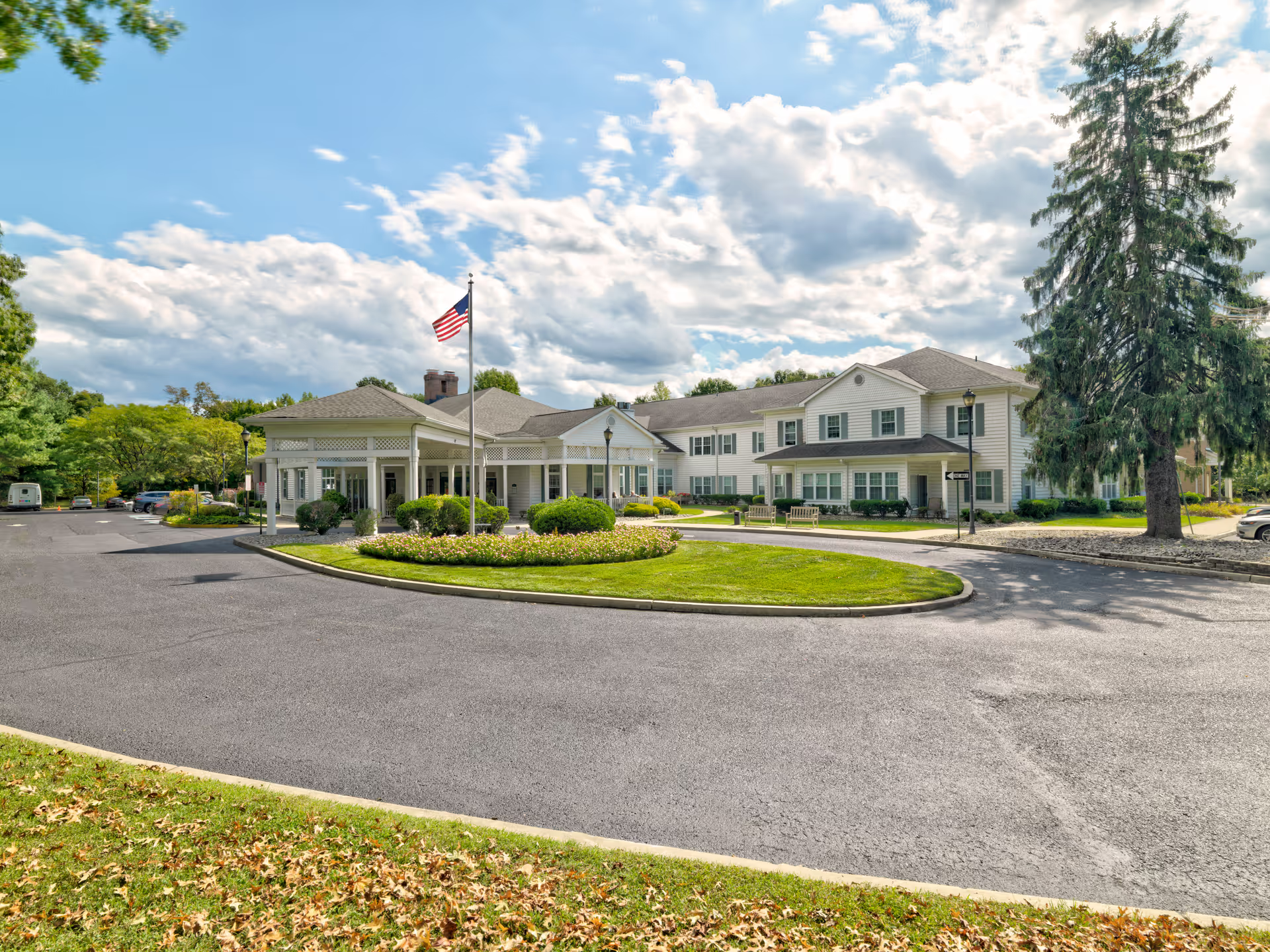
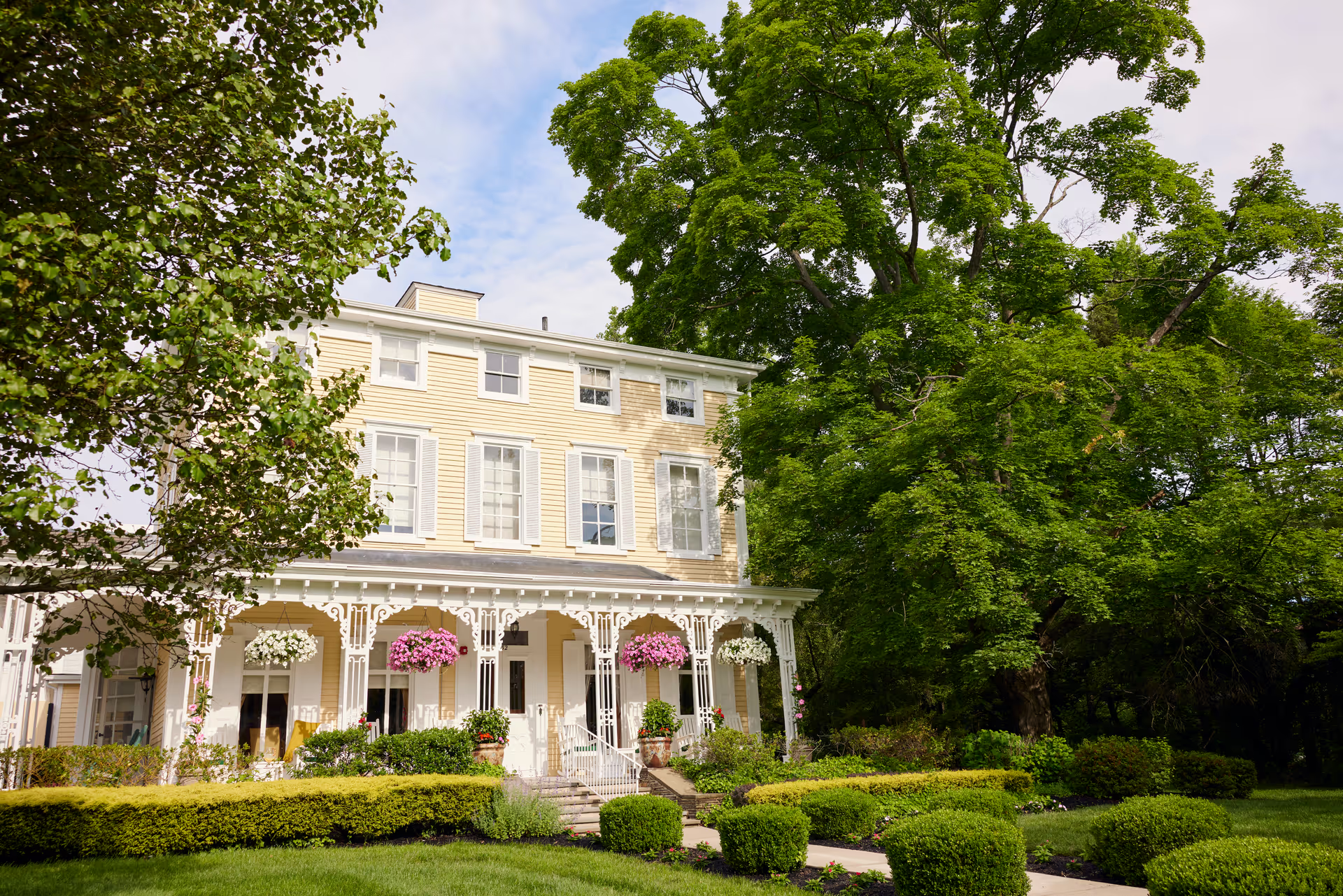
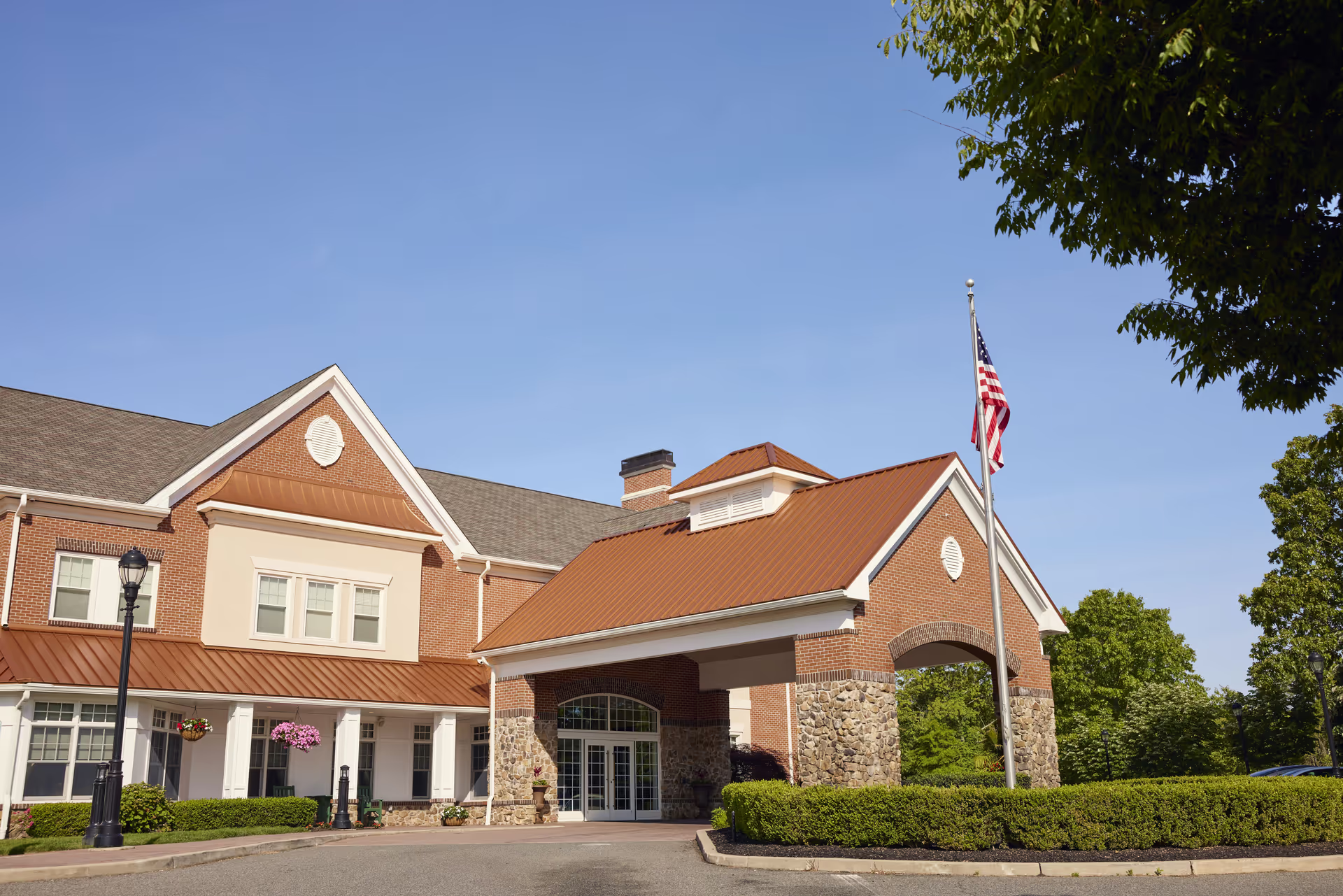
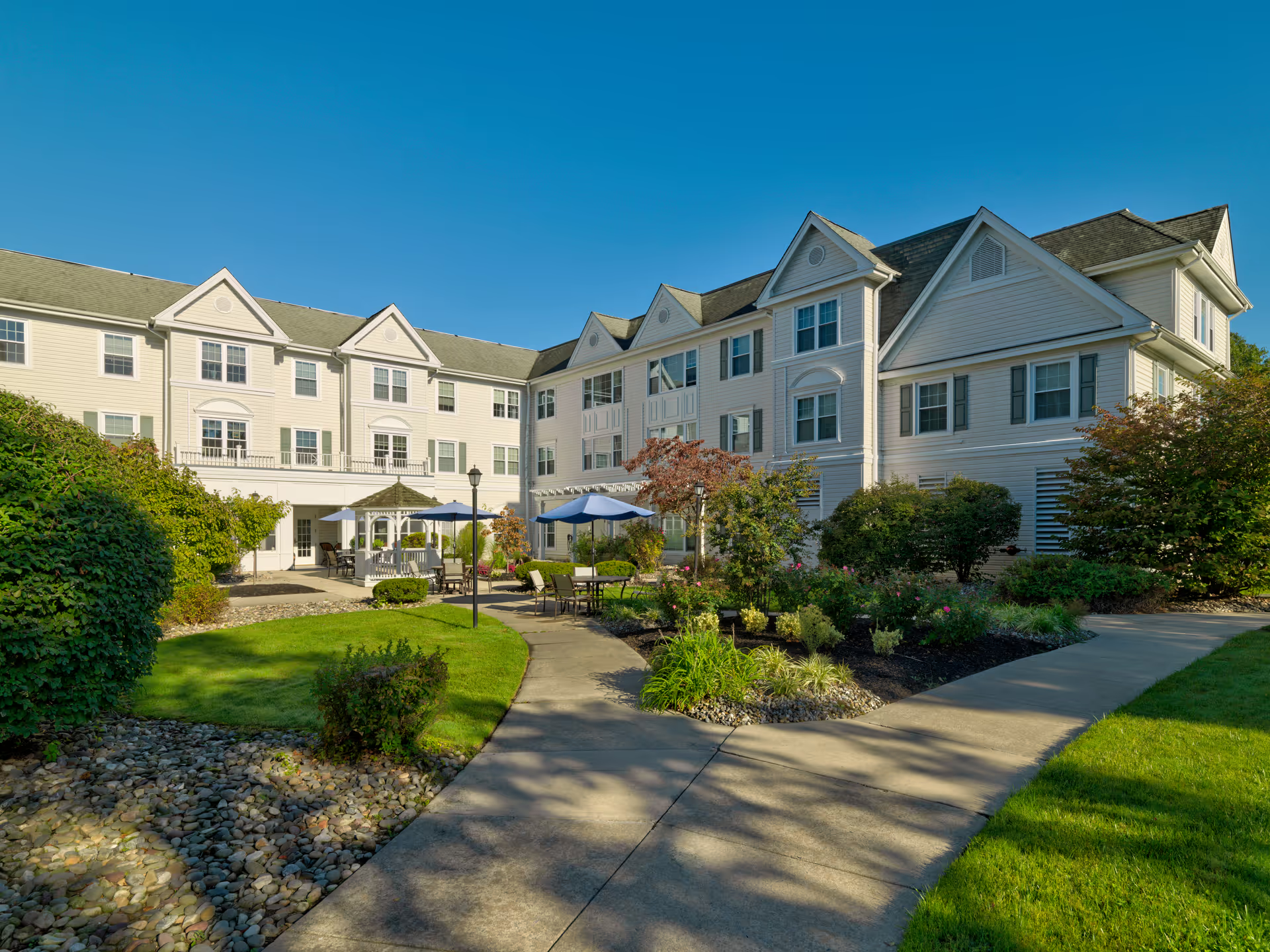
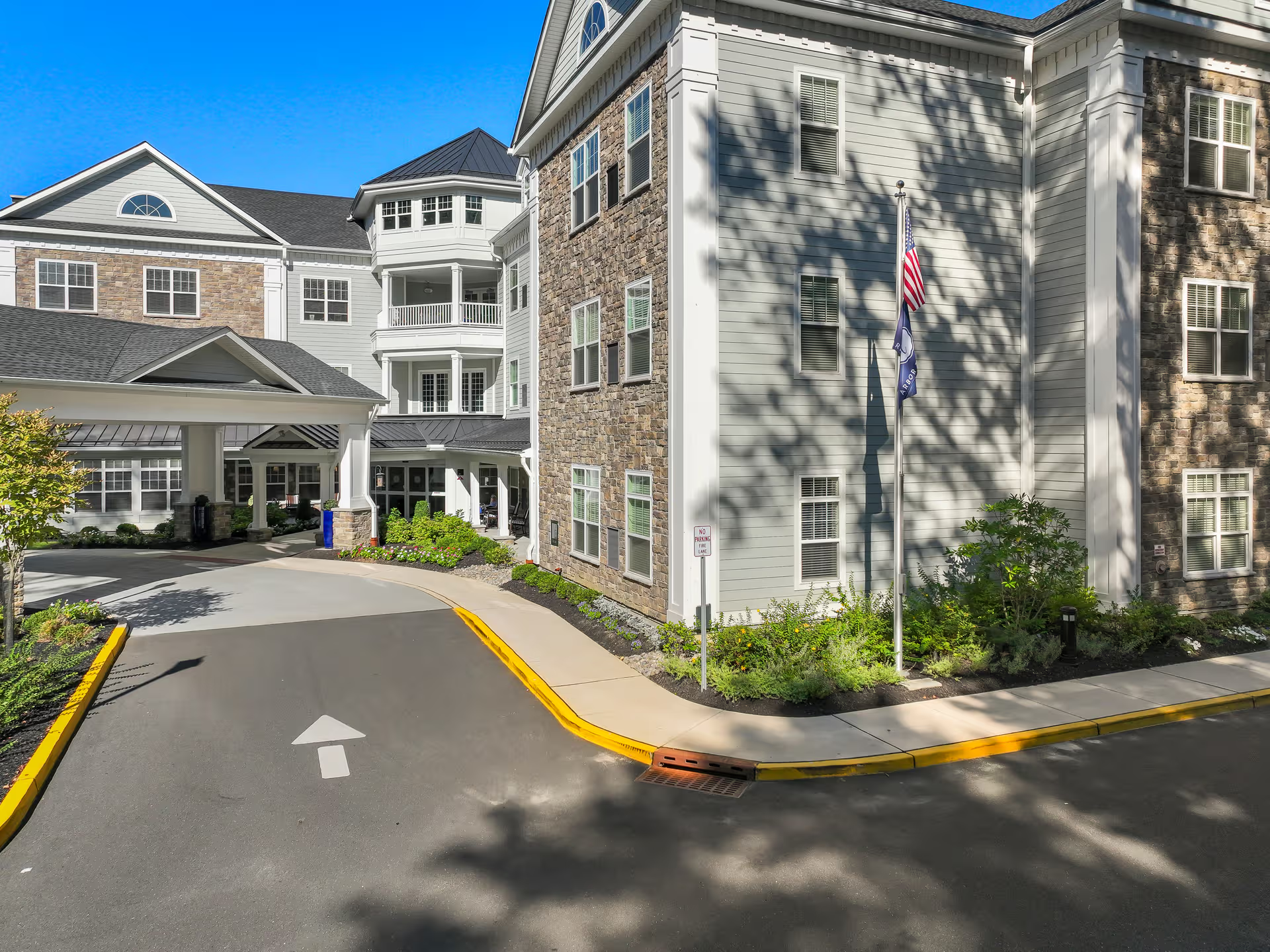
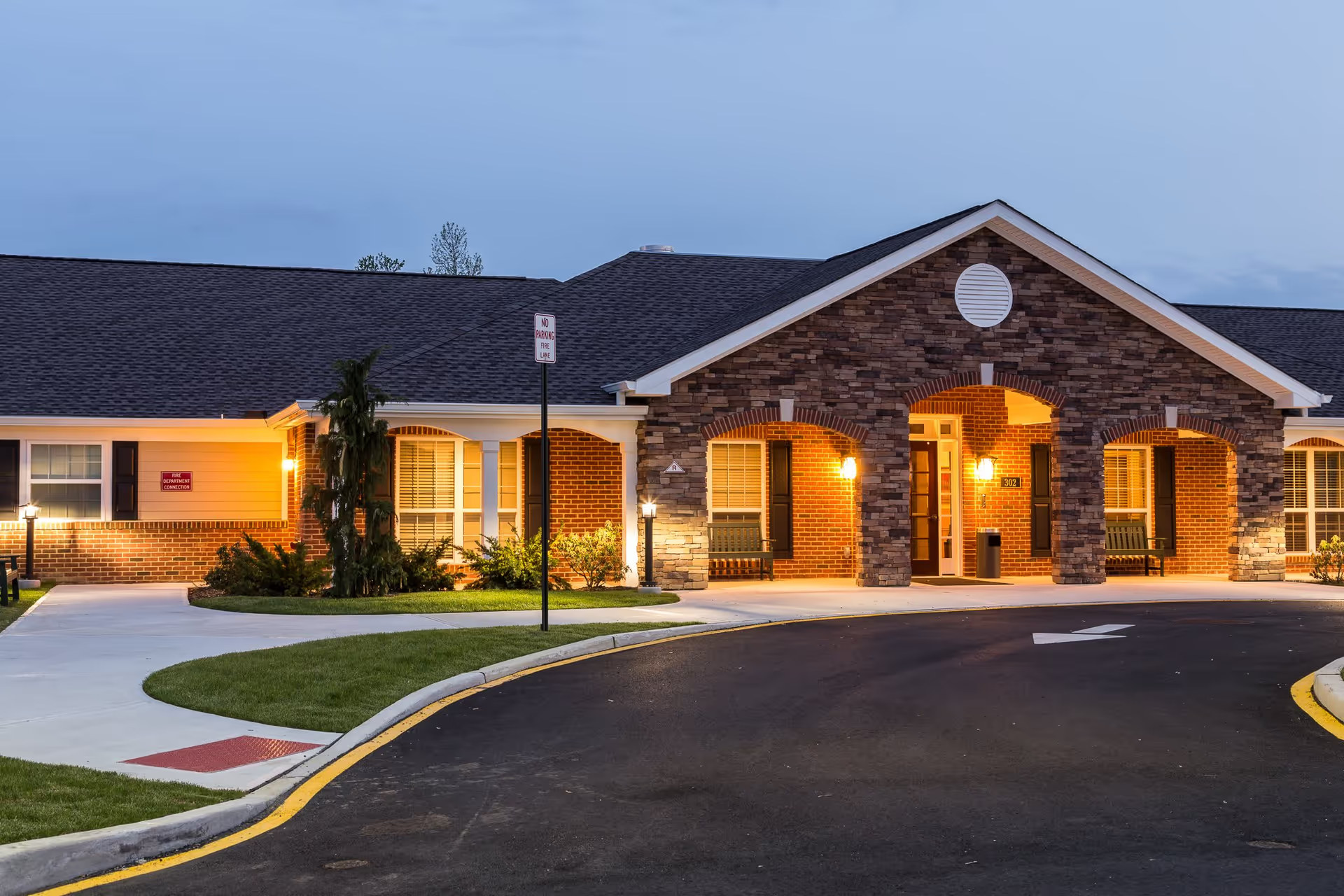
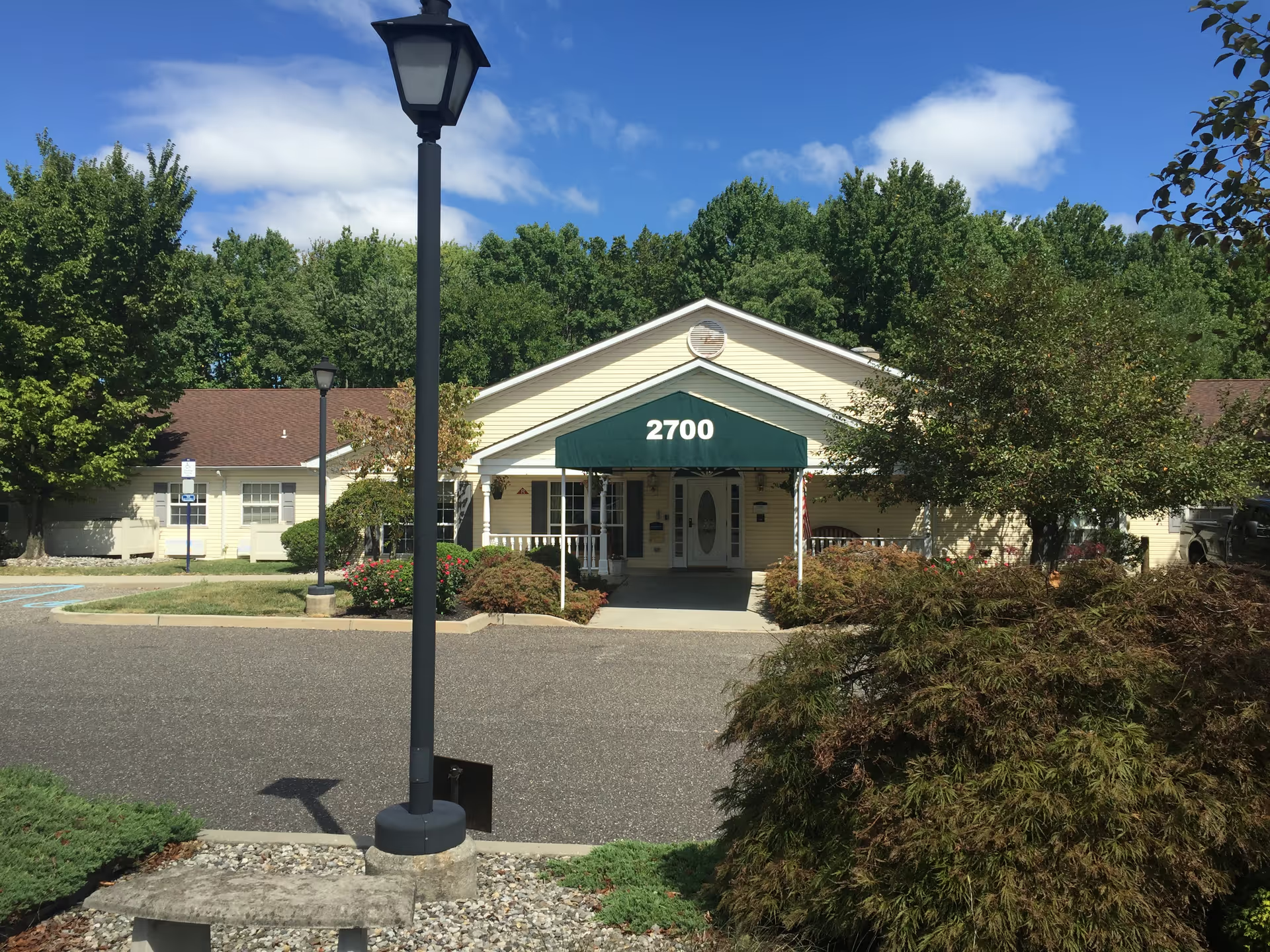
Reviews of Brookdale Echelon Lake describe a community with a mix of clear strengths and recurring operational weaknesses. Strengths most often cited include a caring, resident-focused staff base, with particular praise for nursing leaders and some long-tenured clinical staff who provide reliable medical coordination. Many families and residents highlight an active social program — led by a noted activities coordinator — that includes outings, games, musical performances, small-group activities, and faith-based programs. The waterfront setting, outdoor spaces, private rooms with en-suite bathrooms, and on-site amenities such as a dining room, library, beauty salon, and transportation services are frequently cited as positive aspects of daily life and convenience.
Care and staffing present a mixed picture. While nursing leadership and certain caregivers receive strong praise for responsiveness and person-centered care, reviews repeatedly point to chronic understaffing and high turnover among aides. Those staffing gaps are associated with delays in attending to basic personal-care tasks, inconsistent bathing and grooming schedules, and occasional delays in medication administration. Families also describe variability in aide training and communication, which creates uneven day-to-day experiences for residents and complicates handoffs between shifts.
Dining and activities show variability by unit and over time. Several reviewers praised fresh, table-service dining, special events (ice cream nights, Take-out Thursdays, casino days), and meals tailored to resident preferences; others describe declining food quality, limited menu variety, and portion concerns. Activity programming is generally strong in assisted-living areas with regular exercise classes, outings, and social events, but multiple accounts indicate that memory-care activity delivery can be inconsistent — some memory-care residents participate in meaningful engagement while other descriptions indicate mostly television or low stimulation.
Facility condition and operations are uneven. Many visitors and families compliment the attractive building, lake views, and clean public areas; concurrently, there are repeated concerns about deferred maintenance and sanitation in parts of the community. Examples cited include pest-control concerns, housekeeping and laundry inconsistencies, intermittent heating/cooling or elevator outages, and isolated maintenance issues such as ceiling or wiring repairs. These operational shortfalls have raised additional concerns about overall infection-control communication and general upkeep.
Management and administrative themes are notable. Some reviewers commend visible, involved leadership and responsive admissions staff; others describe instability in management roles, slow complaint resolution, and problems with billing transparency — including retroactive fee adjustments and delayed refunds in a subset of cases. A small number of serious financial or safety-related claims have been raised; reviewers who raised these concerns sought clearer explanations and more timely communication from leadership.
Notable patterns to weigh: families often report very positive relationships with individual caregivers and clinicians alongside systemic issues tied to staffing levels and facility maintenance. Memory-care quality and activity consistency vary by unit and over time; dining quality and housekeeping show both strong and weak experiences across different stays. Prospective residents and families should weigh the strong aspects — nursing leadership, activity programming, lakefront setting, and certain highly engaged staff — against the recurring operational challenges, and verify current staffing levels, pest-control measures, housekeeping schedules, and billing practices during an in-person visit and follow-up discussions with leadership.