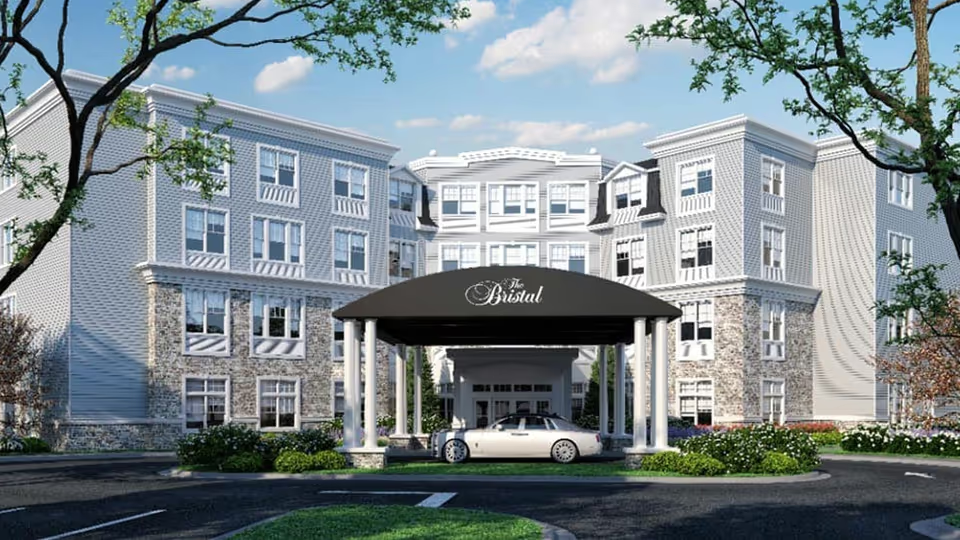
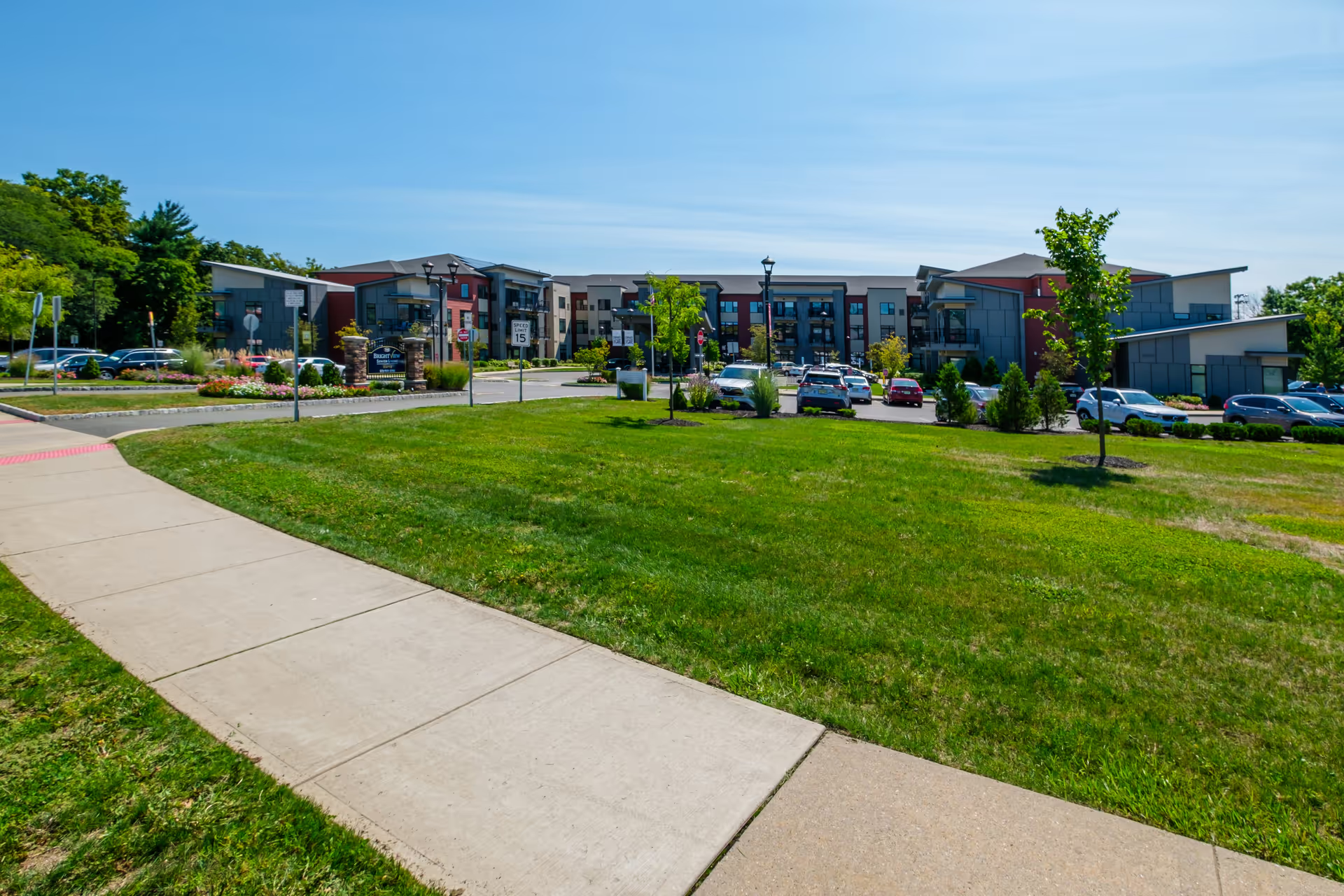
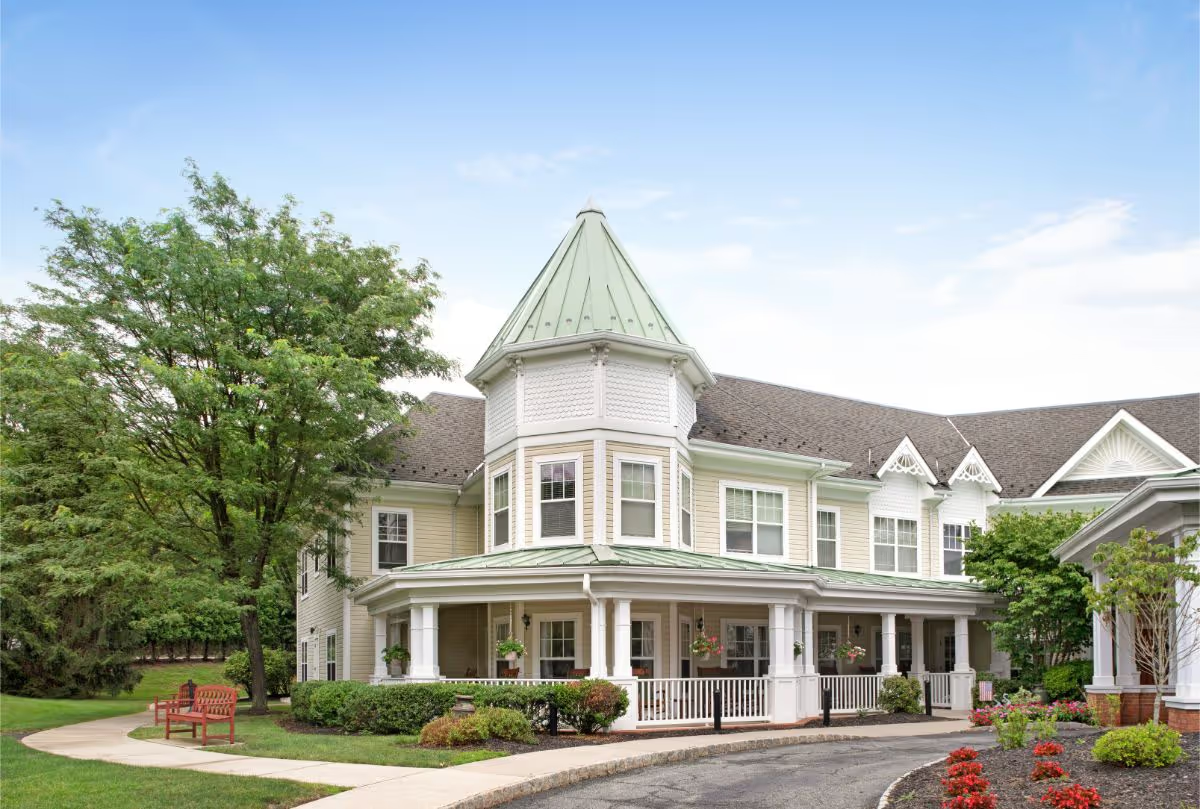
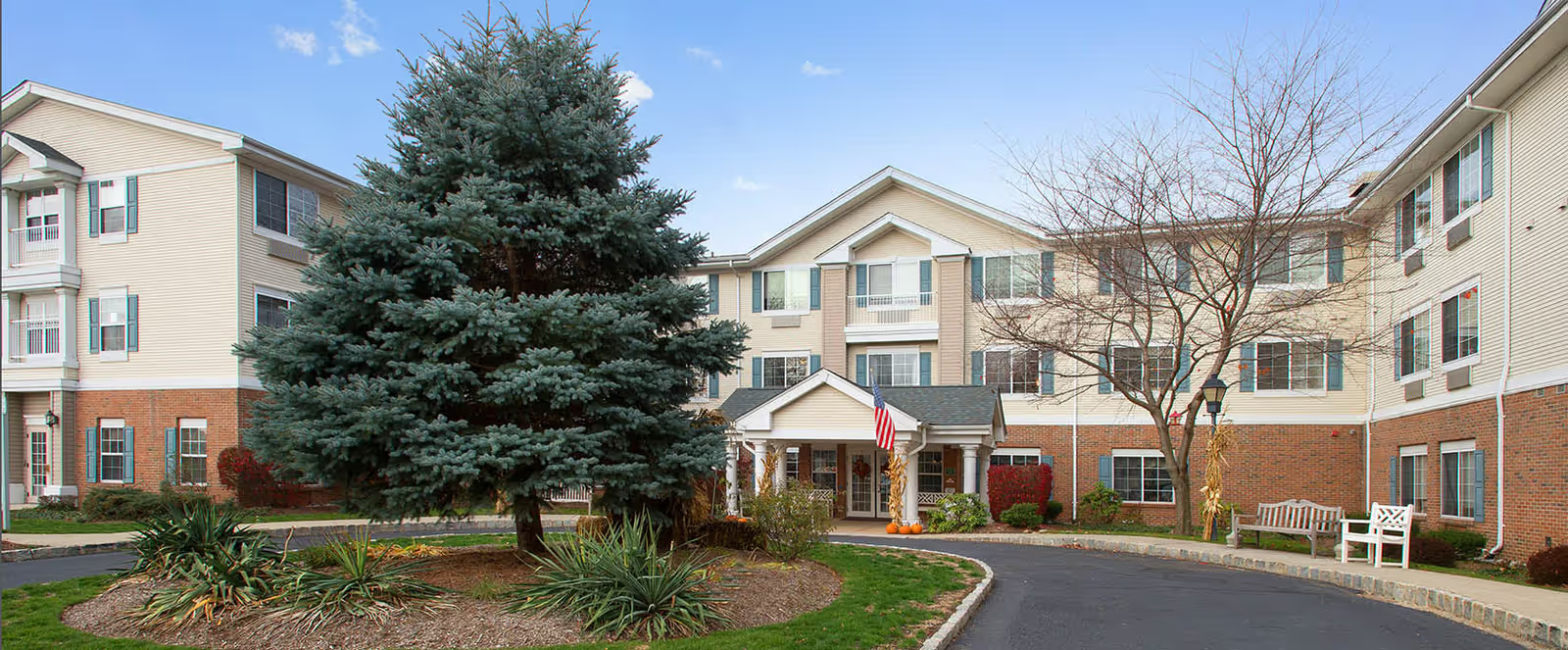
CareOne at Wayne elicits strongly mixed but consistent patterns across reviewer accounts. The facility is frequently praised for its rehabilitation services, therapy staff, dining program and activities — many families credit the physical, occupational and speech therapy teams with meaningful functional gains. A recurrent positive theme is an active, well-organized recreation program and a restaurant-style dining experience with made-to-order options under an identified chef, which contributes to high satisfaction among residents who prioritize meals and social programming. The building itself is often described as modern and well maintained, with comfortable private and semi-private room options and routine housekeeping.
Clinical care and staffing present a more complex picture. Therapy teams (PT/OT/Speech) and many nurses and aides receive consistent commendation for compassionate, attentive care; several reviews single out individual therapists and nurses for exceptional work. However, staffing levels and shift coverage are described as uneven, with particular concerns about night staffing, slow call-button responses, and variability in aide competence. Reviewers describe gaps in clinical oversight at times — including limited on-site physician availability and reliance on on-call arrangements — and occasional medication-administration and documentation weaknesses. There are repeated references to inconsistent personal-care delivery (for example, missed or irregular showers) and some accounts of safety incidents such as falls or transfer-related injuries, which point to weaknesses in transfer-safety and monitoring practices rather than isolated events.
Dining and activities are major strengths but not uniform across units. Many residents and families praise the meal quality, variety, and accommodating dietary adjustments; others cite cold trays or limited choices in specific units. Activity programming is consistently identified as a strength, with frequent social events, creative offerings, and opportunities for family participation. The dining-room environment and seating arrangements were noted by some reviewers as affecting residents differently, including non-verbal or cognitively impaired residents.
Facility condition and operations are generally described as clean and attractive in many accounts, including newly updated wings and accessible therapy spaces. Nonetheless, there are periodic cleanliness and sanitation concerns reported in specific areas and instances, and some reviewers point to construction-related disruptions, limited parking, or small room sizes in certain unit layouts.
Management, communication, and administrative processes are another area of divergence. Several reviews highlight helpful admissions staff, responsive social work, and clear communication from medical leadership. Conversely, others cite frequent management turnover, inconsistent family communication during clinical events or infection outbreaks, abrupt discharge coordination tied to insurance transitions, billing errors, and allegations of mishandled personal items. Pandemic-era infection-control practices and outbreak notifications are a recurrent source of dissatisfaction for families; some reviewers describe delayed PPE use, limited transparency, or restrictive visitation policies that were poorly communicated.
Overall, CareOne at Wayne appears to perform strongly as a rehabilitation-focused facility with notable strengths in therapy, meals, and activities, and with many individual staff members who provide compassionate, effective care. At the same time, families should be aware of operational variability: staffing consistency, clinical oversight (including on-call physician access), dementia-specific capability, infection-control transparency, and administrative practices (billing and discharge) are areas where reviewers identify recurring issues. Prospective residents and families would benefit from targeted questions during a tour about current staffing ratios and shift coverage, dementia-care staffing and training, on-call medical coverage, infection-control and visitor policies, billing/discharge procedures, and unit-specific housekeeping practices to determine fit with the resident’s clinical and social needs.