The reviews portray a facility with marked strengths in rehabilitation, hands-on caregiving, and resident engagement, alongside recurring operational weaknesses. Excelcare/Regency Gardens is frequently praised for its therapy teams — physical, occupational and speech therapists are credited with helping many residents regain mobility, independence, and confidence. Families and former patients commonly describe responsive, compassionate nursing staff, attentive CNAs, and aides who establish warm relationships with residents; several reviews note strong night-shift support and effective one-to-one rehabilitation attention. The recreation program, varied activities, and well-kept grounds contribute to a homelike atmosphere that many visitors and residents find restorative.
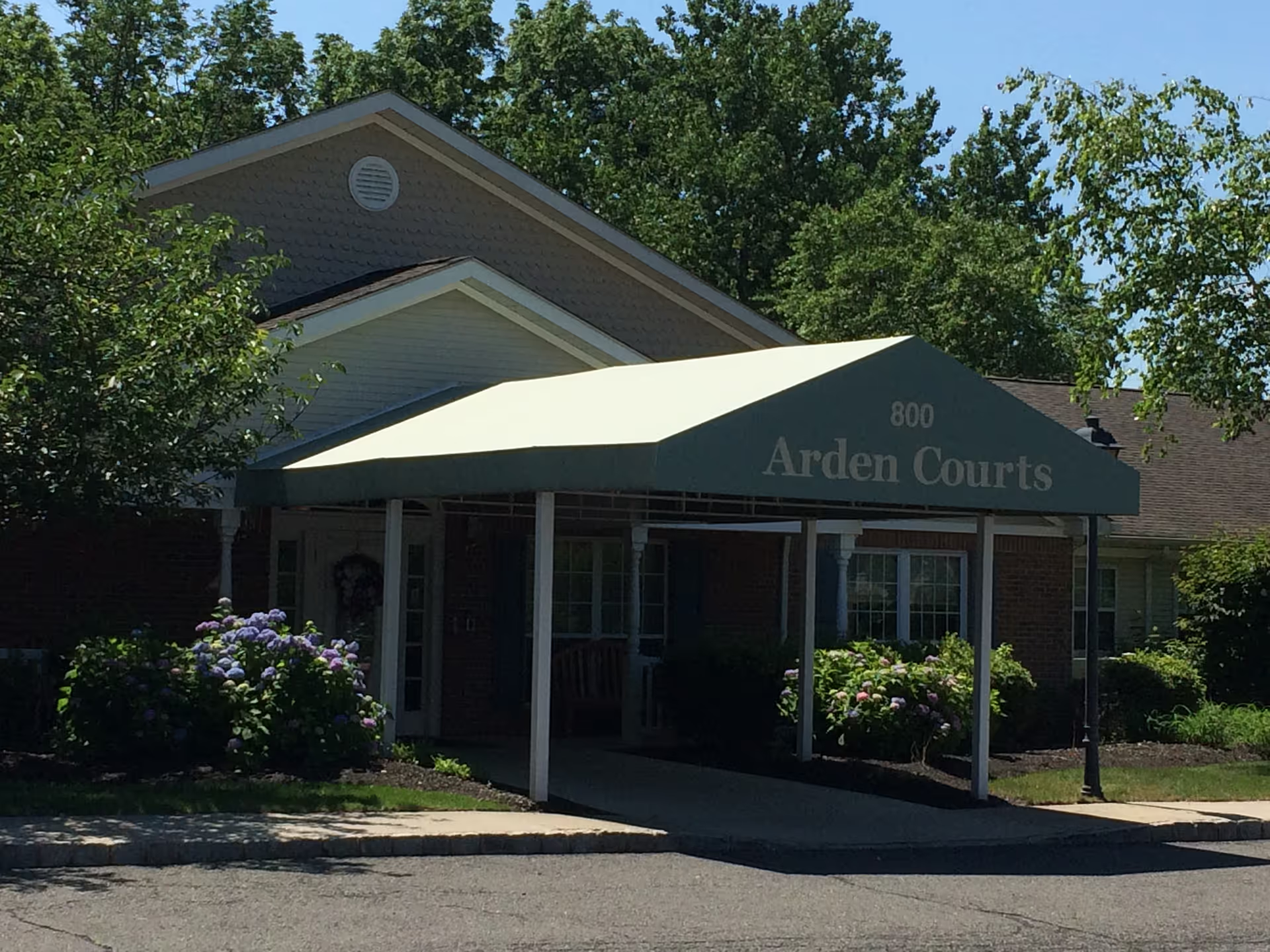
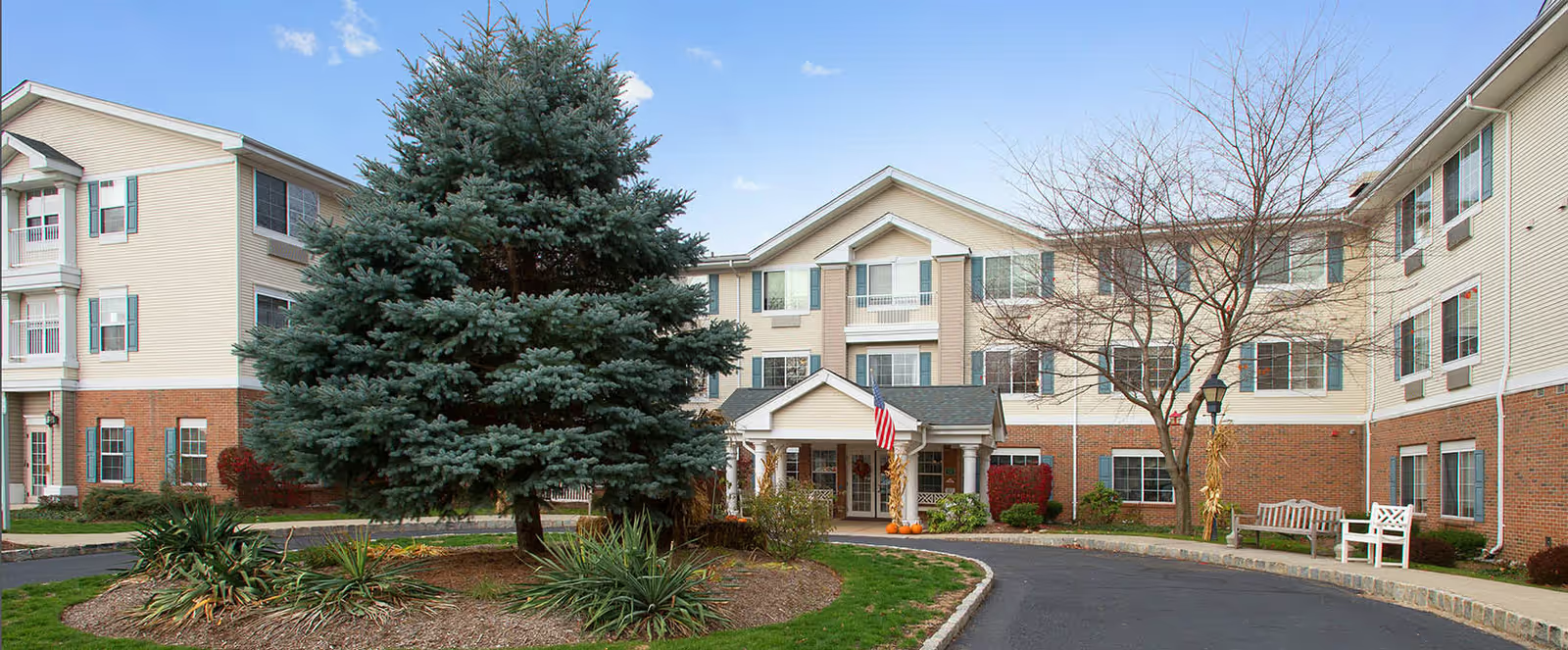
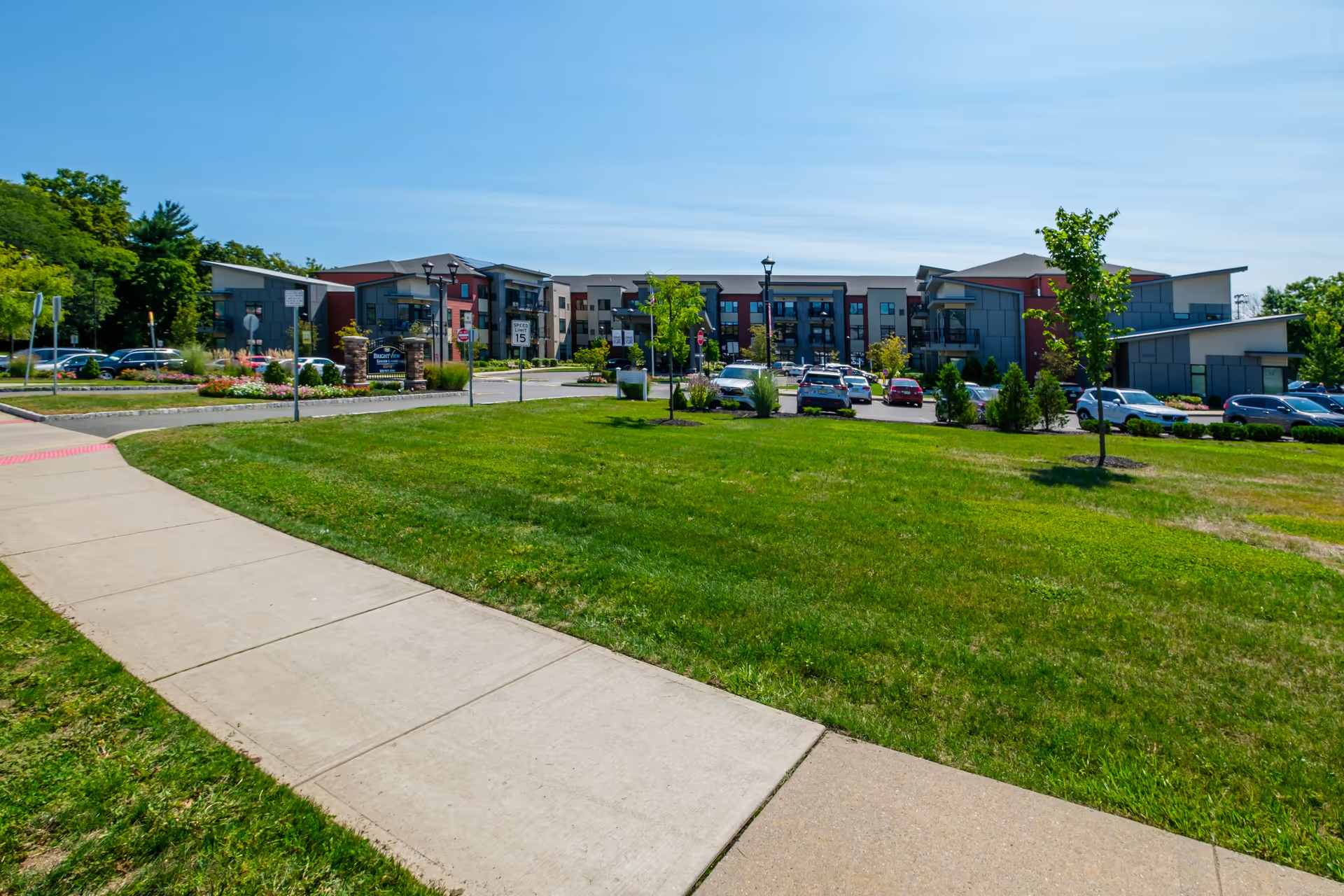
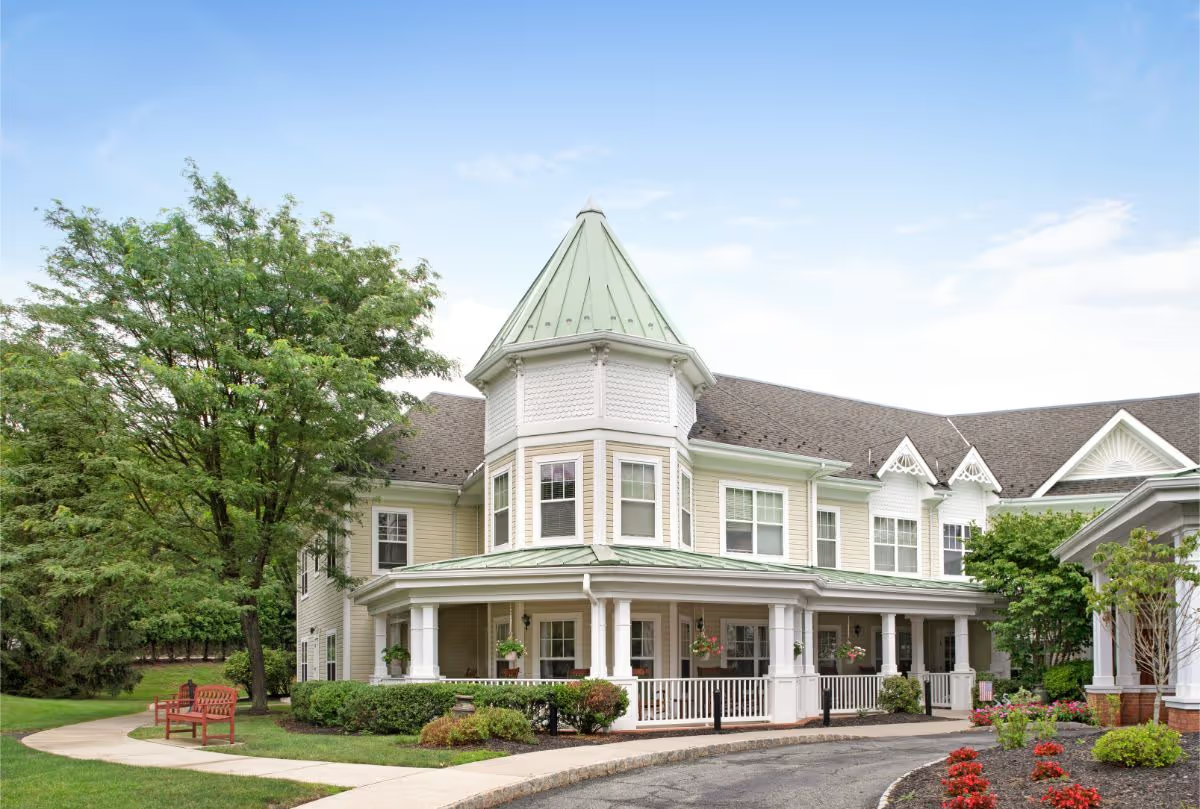
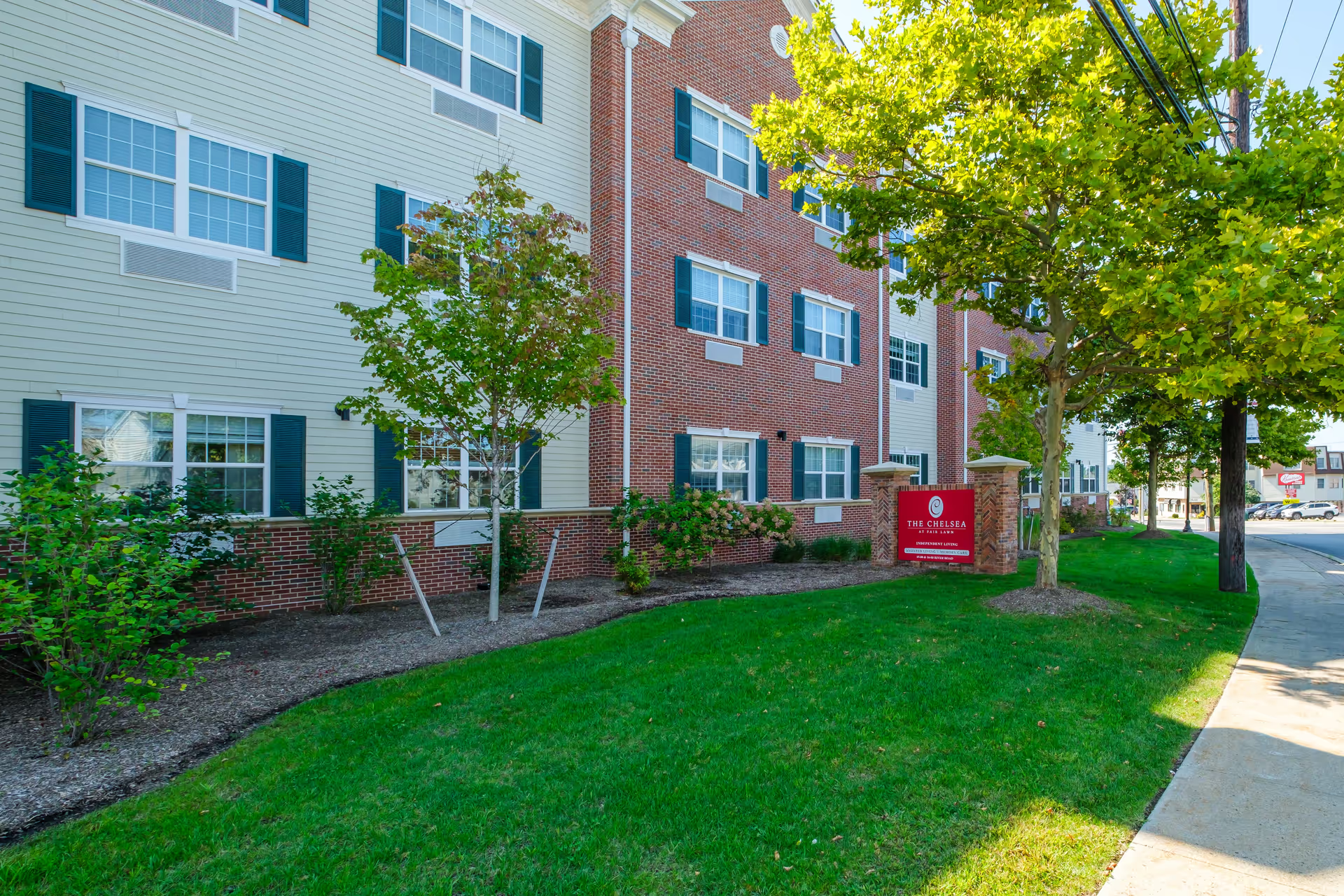
Dining and activities are commonly cited as positive contributors to resident quality of life: numerous accounts highlight homestyle entrees, varied menus, snack availability, and meals for visitors. The activity schedule and events (holiday programs, social gatherings, hydration and quiz activities) are described as meaningful and well-run. Facility aesthetics also receive positive mention — recent renovations, a welcoming lobby, comfortable furnishings, private rooms, and attractive landscaping are consistently noted.
Despite these strengths, there are consistent operational concerns families should consider. Medication-management inconsistencies and discharge coordination problems appear repeatedly: examples include delayed or missing discharge medications and unclear pharmacy handoffs. Relatedly, communication gaps emerge around clinical incidents and discharge planning — families cite long hold times, unreturned calls, and occasional inability to locate managers or verify charts. These issues have practical consequences for transitions of care and should prompt prospective families to ask about discharge protocols and pharmacy coordination procedures.
Several reviews raise concerns about staffing levels, responsiveness, and infection-control practice knowledge. Delays in responding to call bells, variable aide availability, and the effects of turnover on continuity of care are described often enough to suggest these are systemic challenges rather than isolated events. There are also reports that point to cleanliness and odor concerns in specific areas and variability in room and bathroom maintenance; prospective families may want to inspect the unit where their loved one would reside. A subset of reviewers described safety or monitoring lapses involving high-acuity or cognitively impaired residents, which indicates a need to clarify supervision practices and individualized care plans for residents with dementia or behavioral needs.
Management visibility and responsiveness receive mixed feedback: many families commend hands-on owners and administrators who follow up, but others experienced unhelpful front-desk interactions or slow management response. There are also perceptions among some families that billing/insurance considerations influence placement or prioritization; this is a reputational concern worth addressing directly with admissions staff.
Bottom line: Excelcare/Regency Gardens shows clear strengths in rehabilitation outcomes, staff-resident relationships, engaging activities, and a pleasant campus environment. At the same time, recurring themes around medication and discharge coordination, staffing continuity, responsiveness, infection-control practices, and localized cleanliness or maintenance warrant careful inquiry during a tour. Prospective residents and families should verify medication and discharge procedures, ask for recent staffing and infection-control policies, observe responsiveness during a visit, and request examples of how the facility handles supervision for higher-acuity or cognitively impaired residents.