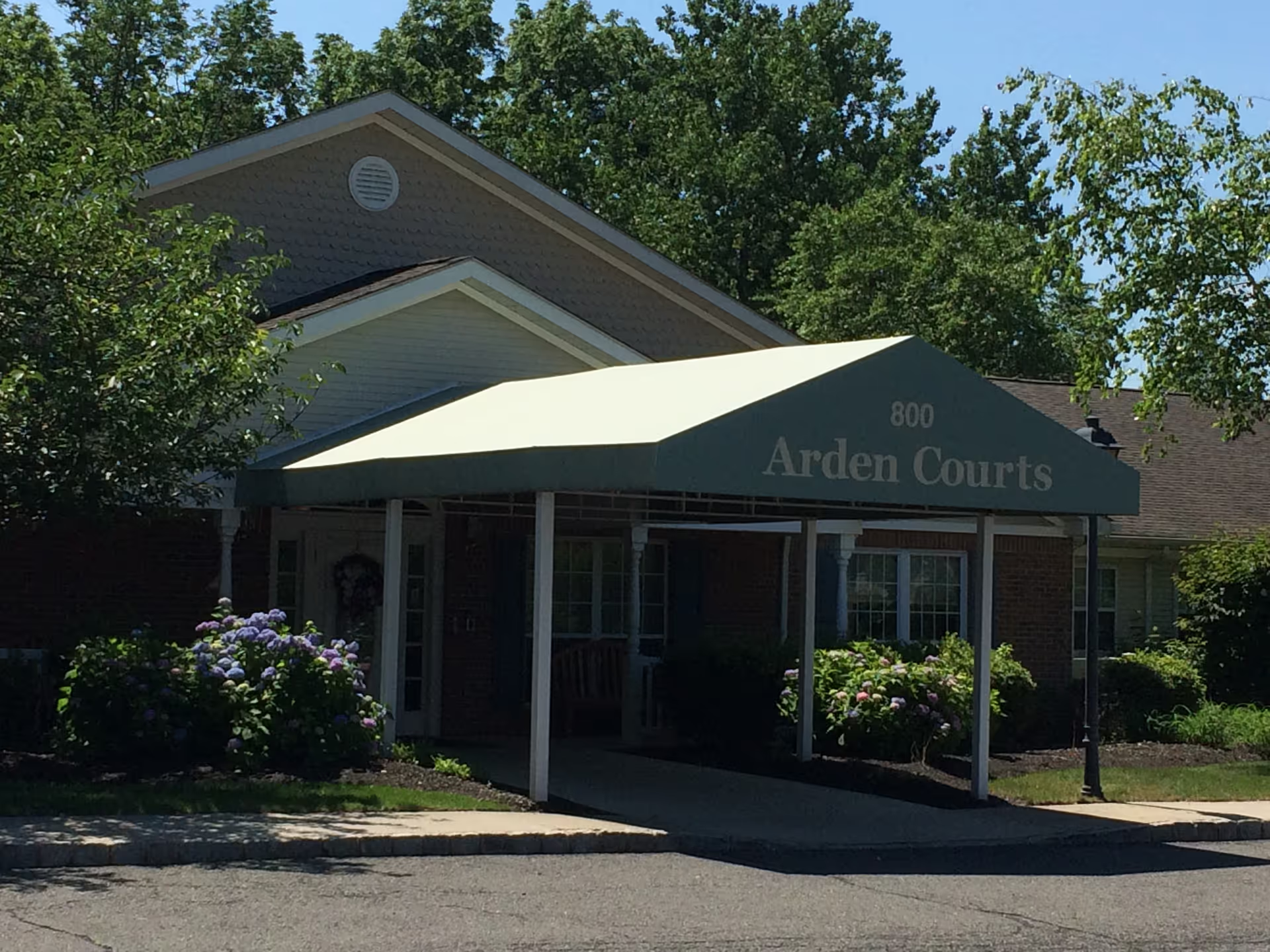
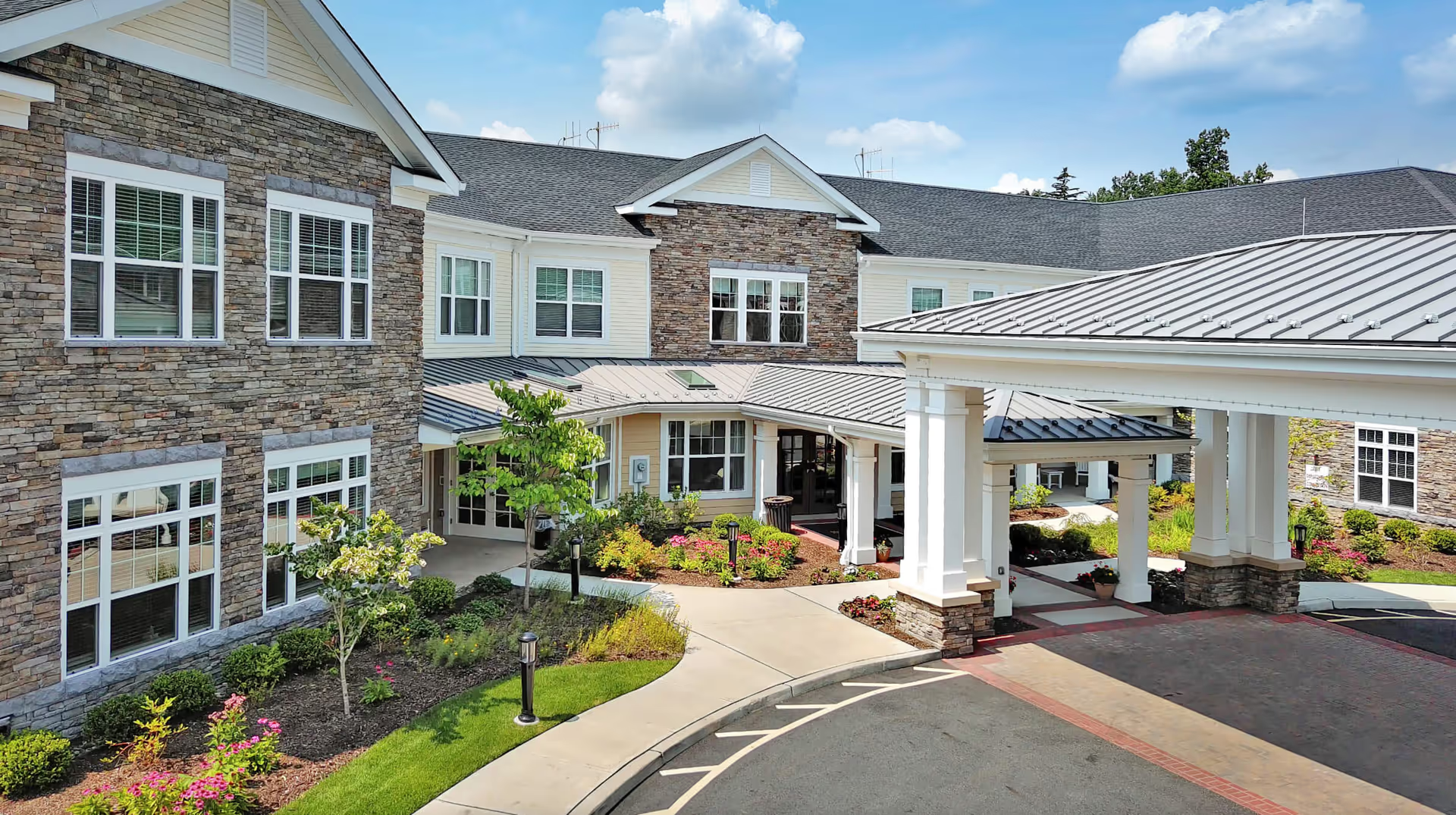
Llanfair House Care & Rehabilitation Center elicits consistently strong praise for its clinical rehabilitation services and for many of its caregivers. Physical, occupational and speech therapy are highlighted repeatedly as effective and supportive; families describe measurable progress and hands-on bedside therapy. Nursing staff are often characterized as compassionate, attentive, and communicative, with particular staff members and unit managers singled out for praise. The facility's activities program, maintenance, and recent renovations are also commonly cited as positive contributors to a comfortable, home-like environment.
At the same time, the reviews reveal important operational inconsistencies that prospective residents and families should consider. Staffing levels and competence appear to vary by shift, producing differences in responsiveness to call lights and in completion of routine personal-care tasks such as bathing and freshening. Several accounts point to delays in attending to basic needs and to concerns about transfer safety; these suggest gaps in fall-prevention practices and staff availability at certain times. Medication-list accuracy and medication-administration documentation also emerge as recurrent process concerns that can affect continuity of care.
Dining is a mixed picture: some families find meals satisfactory and appreciate accommodations for texture or choking precautions, while others describe limited menu variety, inconsistent preparation (dry poultry cited repeatedly), and issues with food temperature. The kitchen offers substitutions at times, but overall meal quality and portioning are an identified area for improvement. Activity offerings, social programming, and small environmental features (bird and fish displays, piano, movie days) receive favorable comments and are seen as meaningful quality-of-life elements.
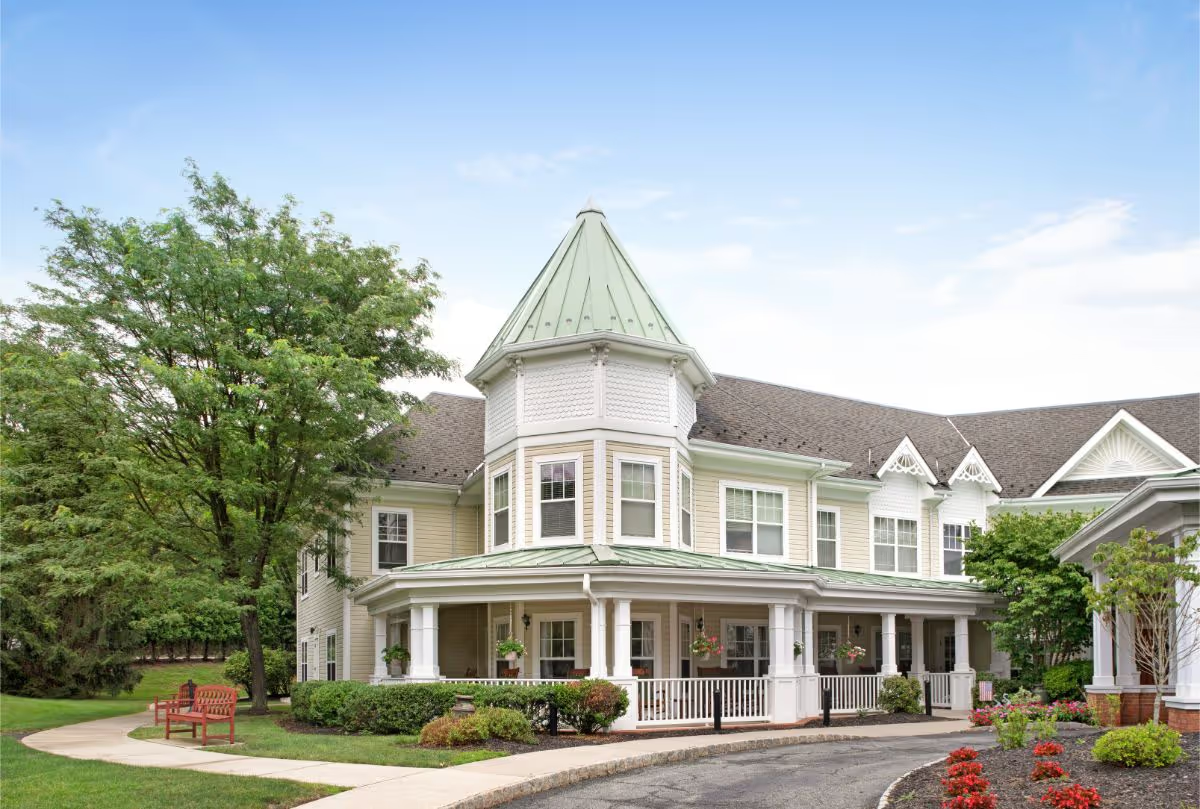
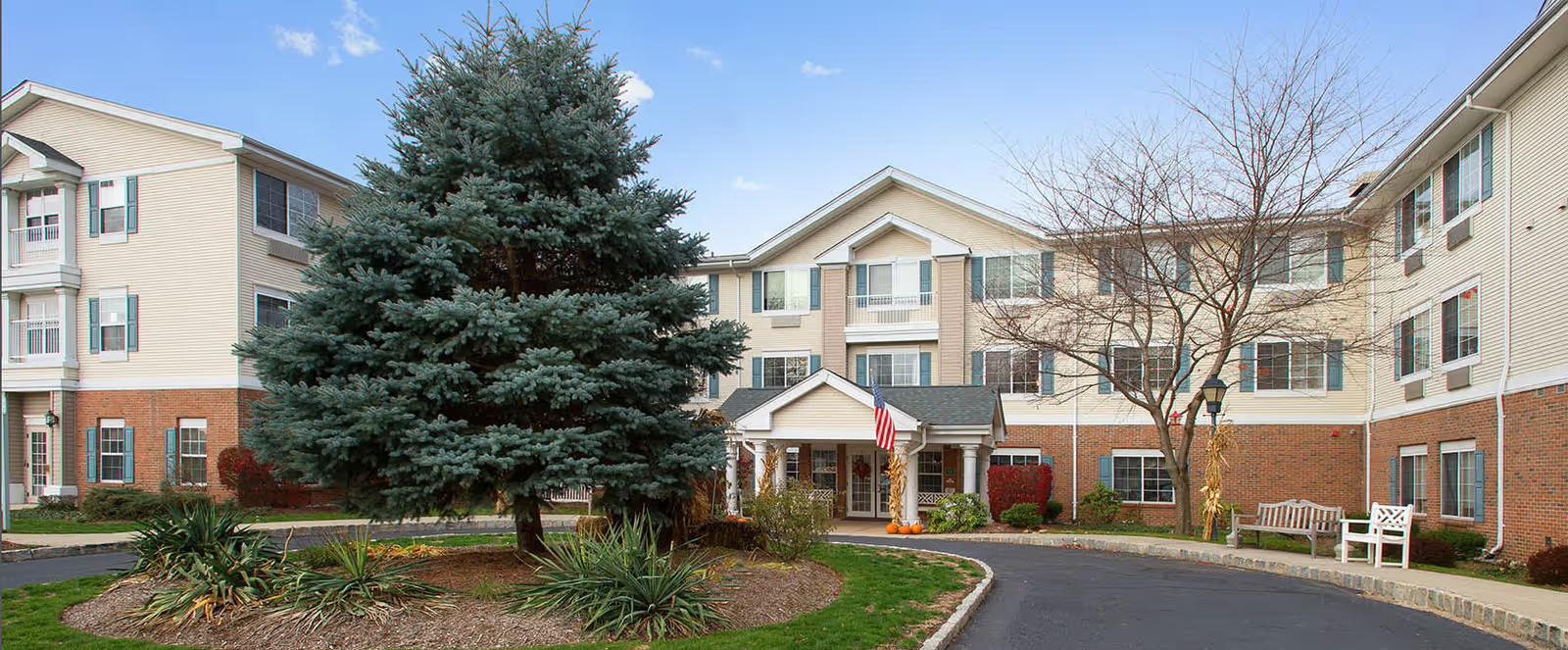
Facility condition and housekeeping receive largely positive comments: many reviewers describe clean rooms, daily bathing of common areas, prompt maintenance responses, and attractive renovated sections. However, sanitation and odor concerns are mentioned in some areas, as are pest-control issues in a few units. Administrative strengths include a proactive admissions team and communicative business office; nevertheless, there are repeated notes about inconsistent family communication, after-the-fact notifications, and problems with clothing management, missing personal items, and billing or refund handling. A limited number of serious allegations concerning staff conduct and safety incidents appear in the feedback; these are high-severity items that families should address directly with facility leadership and with regulatory authorities if appropriate.
In summary, Llanfair demonstrates clear strengths in rehabilitation care, many elements of nursing, housekeeping, and recreation programming, and a generally well-maintained environment. Its principal risks, as reflected in the feedback, are operational: uneven staffing across shifts, variability in personal-care and call-response reliability, meal-quality inconsistency, and process gaps around medications, personal-item management, and financial transactions. Families considering Llanfair would benefit from direct, specific conversations with leadership about staffing ratios by shift, fall-prevention protocols, medication-list reconciliation, dining options and food-temperature procedures, and policies for personal belongings and billing before placement.