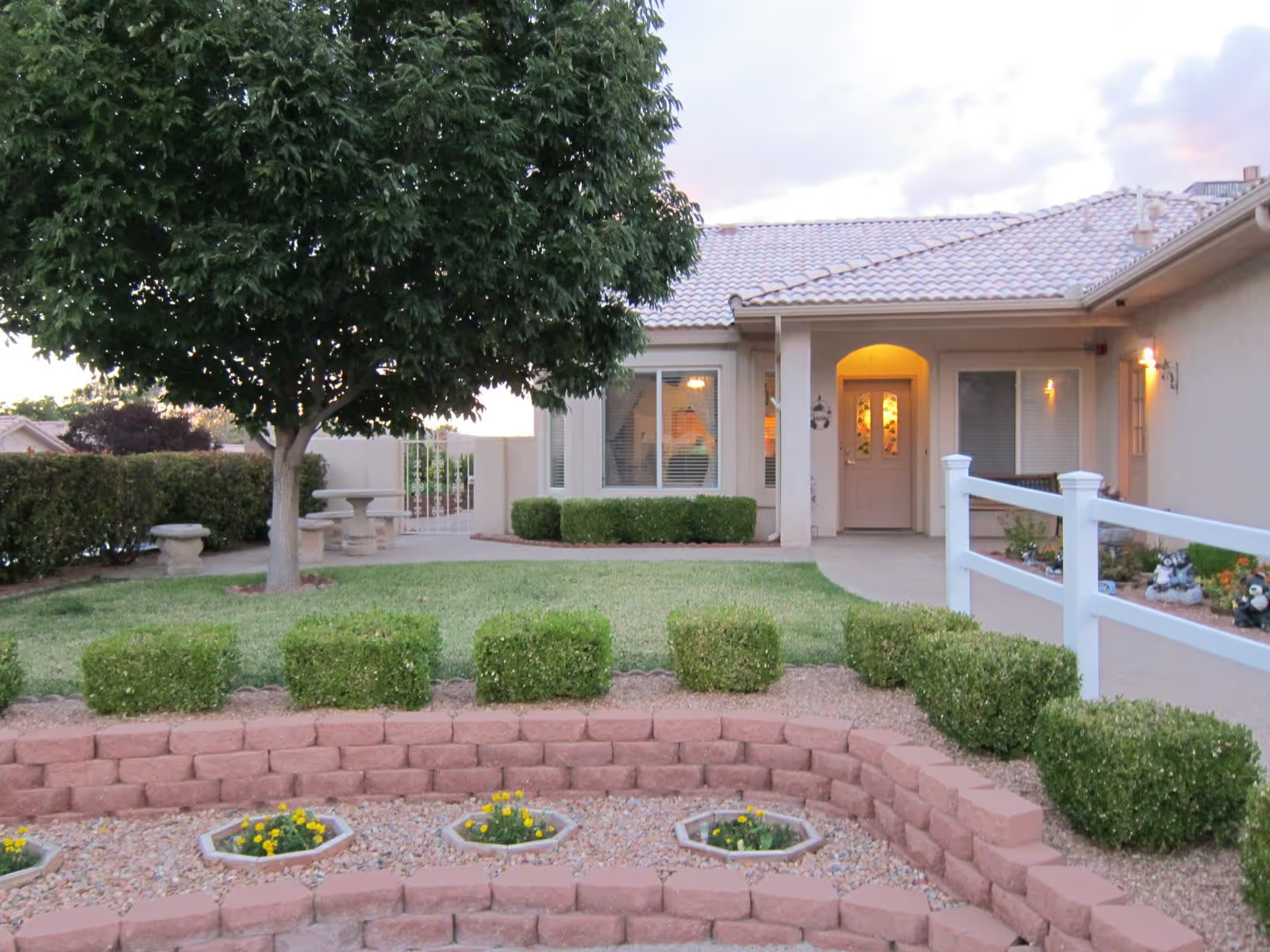
Reviews describe a facility that produces a mix of positive individualized experiences and significant operational concerns. On the positive side, many accounts highlight compassionate, attentive caregivers who provide one-on-one support, a range of engaging activities (including chair yoga and arts), and meals that can be accommodated to resident preferences. Several families noted a home-like, well-maintained interior and technology features such as tablet check-in that contribute to a non-hospital atmosphere. Emotional support during bereavement and personalized attention from individual staff members were also cited as strengths.
Care quality is described unevenly. Positive descriptions include reliable medication administration and on-site clinical availability in some cases, along with personalized care plans that make residents feel comfortable. However, other accounts point to delays in assistance with toileting and bathing, missed medication or delays in administering medications, and incidents suggesting gaps in clinical follow-up. One review references a serious clinical incident and a subsequent state investigation; those allegations should be verified through official regulatory records when evaluating the facility.
Staff performance and culture present a clear pattern of contrast. Several reviews praise particular caregivers as loving and attentive, and staff appreciation events were mentioned. At the same time, concerns about short staffing, high turnover, supervisory behavior that undermines morale, and the involvement of third-party agency staff were frequent. These workforce issues are linked in reviews to delays in responding to call buttons, inconsistent assistance, and communication problems with families. The workplace environment and leadership approach therefore appear to influence day-to-day reliability.
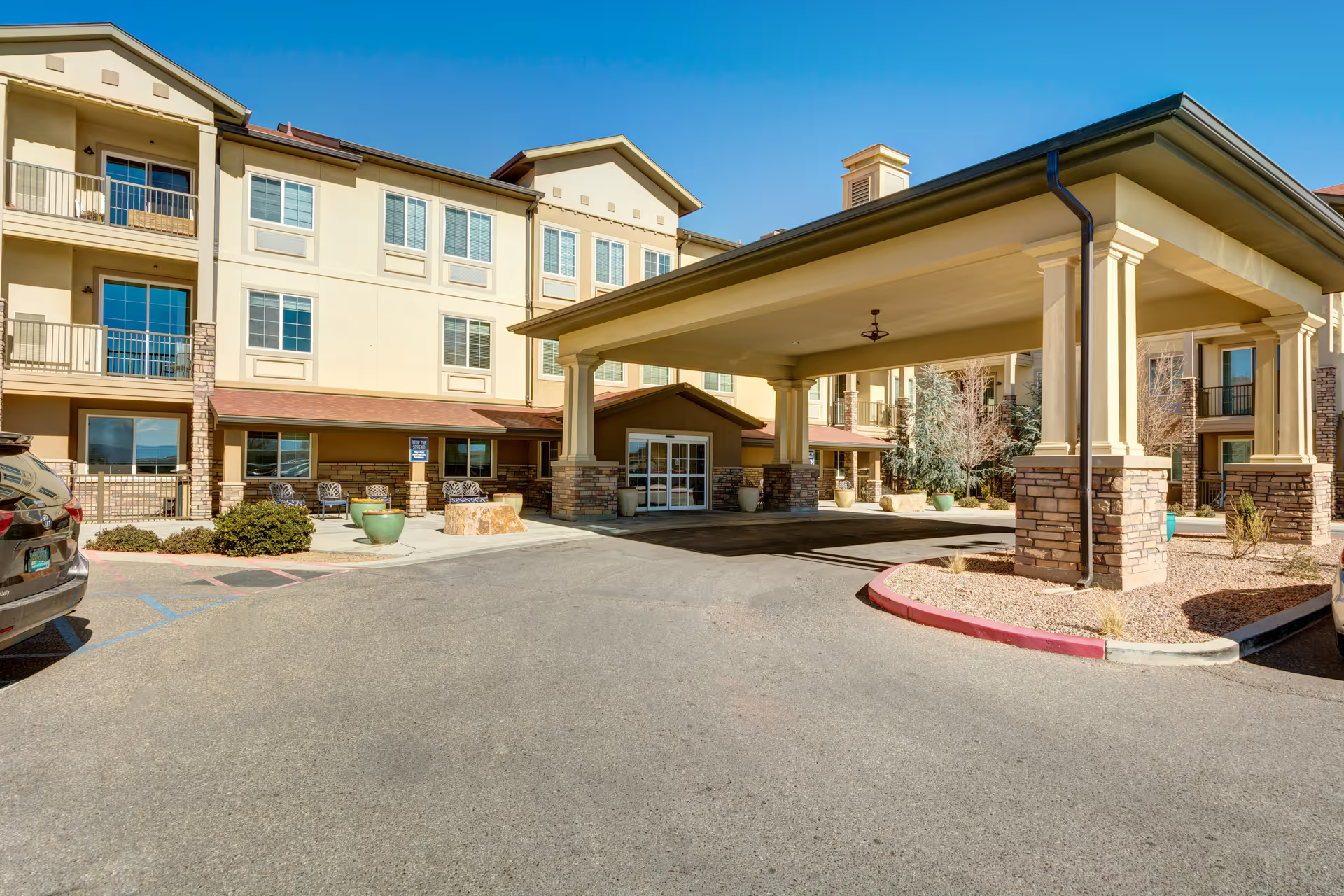
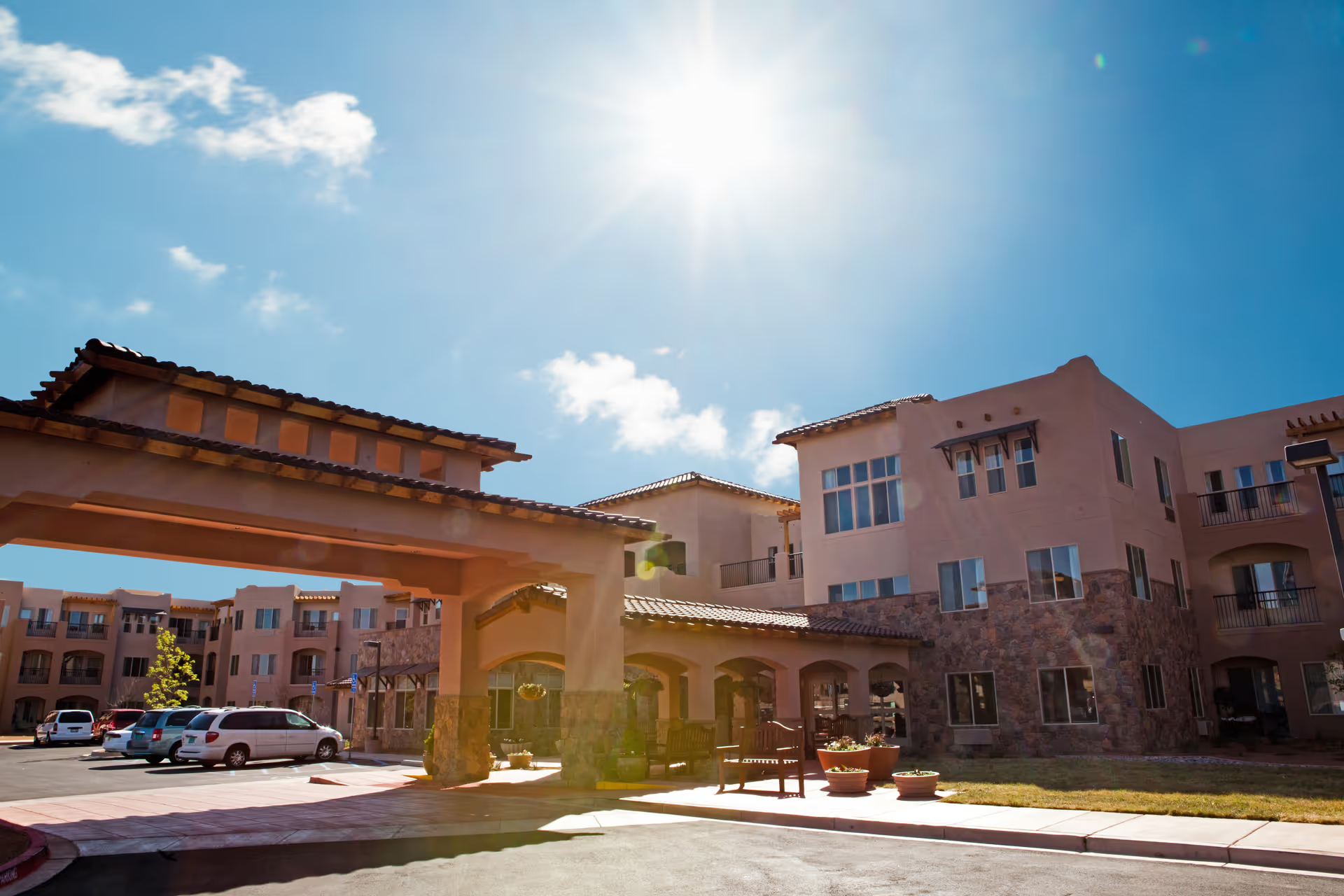
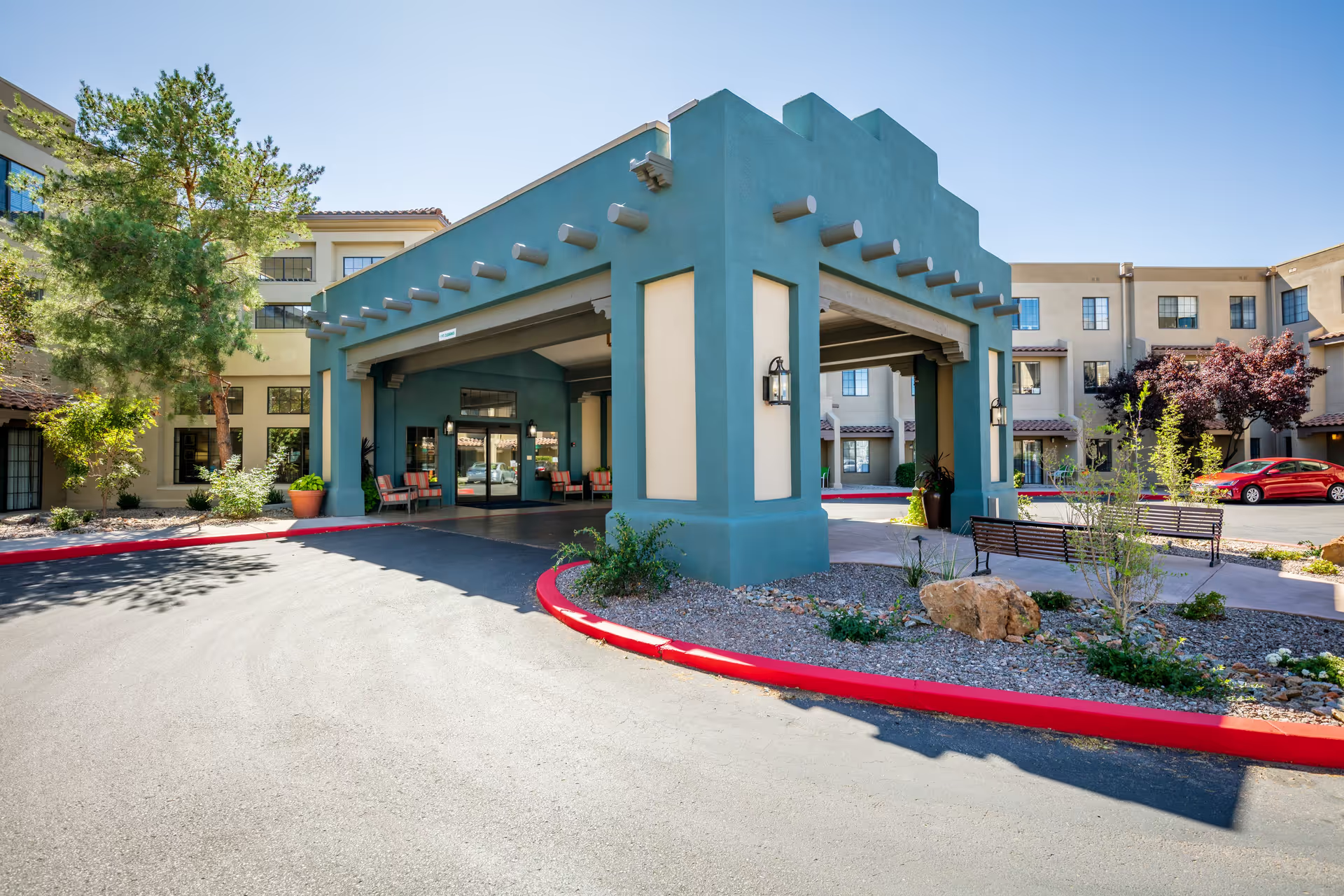
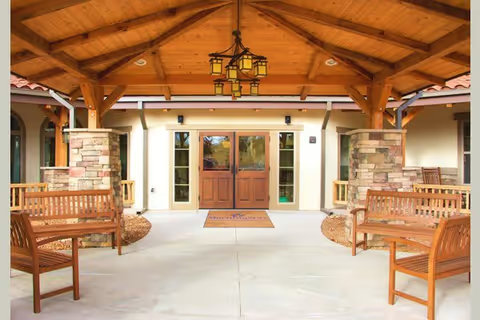
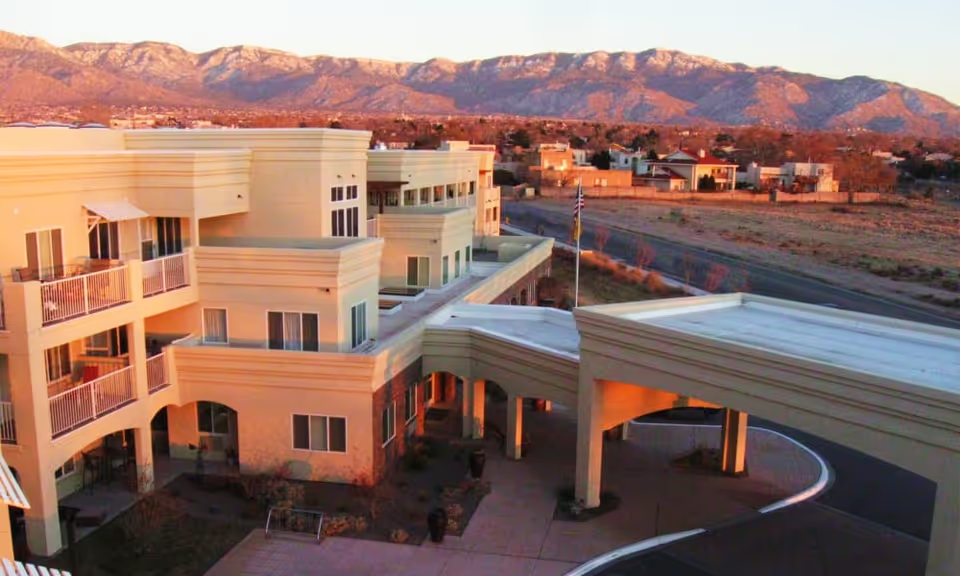
Dining and activities are generally cited as positives: residents appear to enjoy the food, receive meal accommodations, and have access to regular programming that supports engagement. Facilities are often described as clean, welcoming, and well maintained in public areas, supporting a comfortable, home-like experience. Nevertheless, there are reports of inconsistent cleanliness at the room level and occasional sanitation concerns that prospective families should investigate further during a tour.
Management and administration show mixed performance. Positive interactions with staff are offset by reports of billing discrepancies, charges for event no-shows, lost payroll or agency-payroll conflicts, and slow or inconsistent responses from administrative or on-call lines. These administrative weaknesses, together with the clinical and staffing concerns, point to systemic areas for improvement: clearer family communication protocols, consistent staffing models, documented medication oversight practices, transparent billing procedures, and robust incident-response processes.
For prospective residents and families: verify current staffing ratios and agency use, ask for the facility’s protocols on medication oversight and family notification after clinical incidents, review housekeeping and sanitation schedules, request documentation of recent regulatory actions or complaints, and observe interactions between supervisors and frontline staff during a visit. These checks will help reconcile the facility’s documented strengths in personalized care and activities with the operational risks described in several reviews.