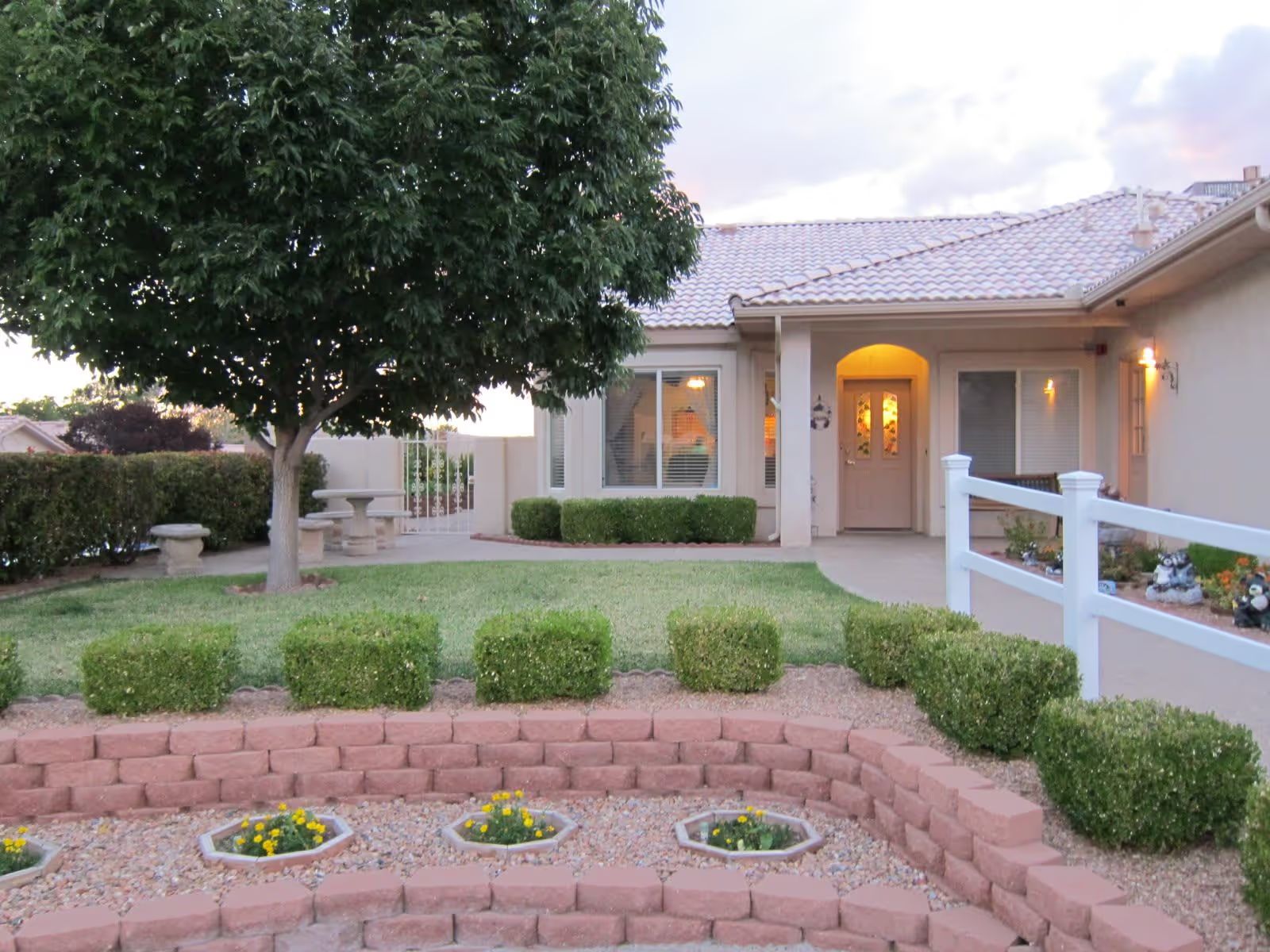
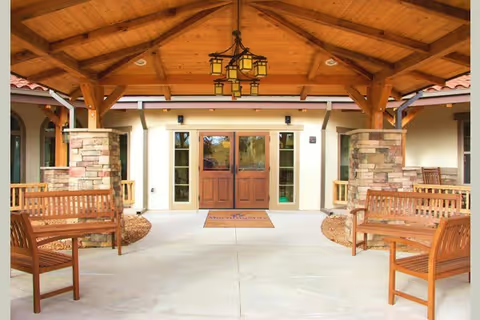
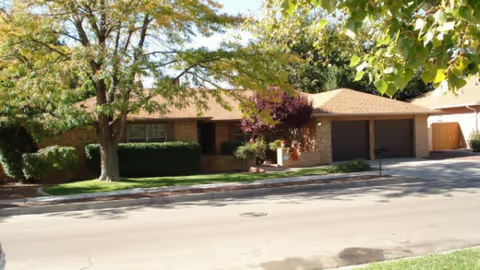
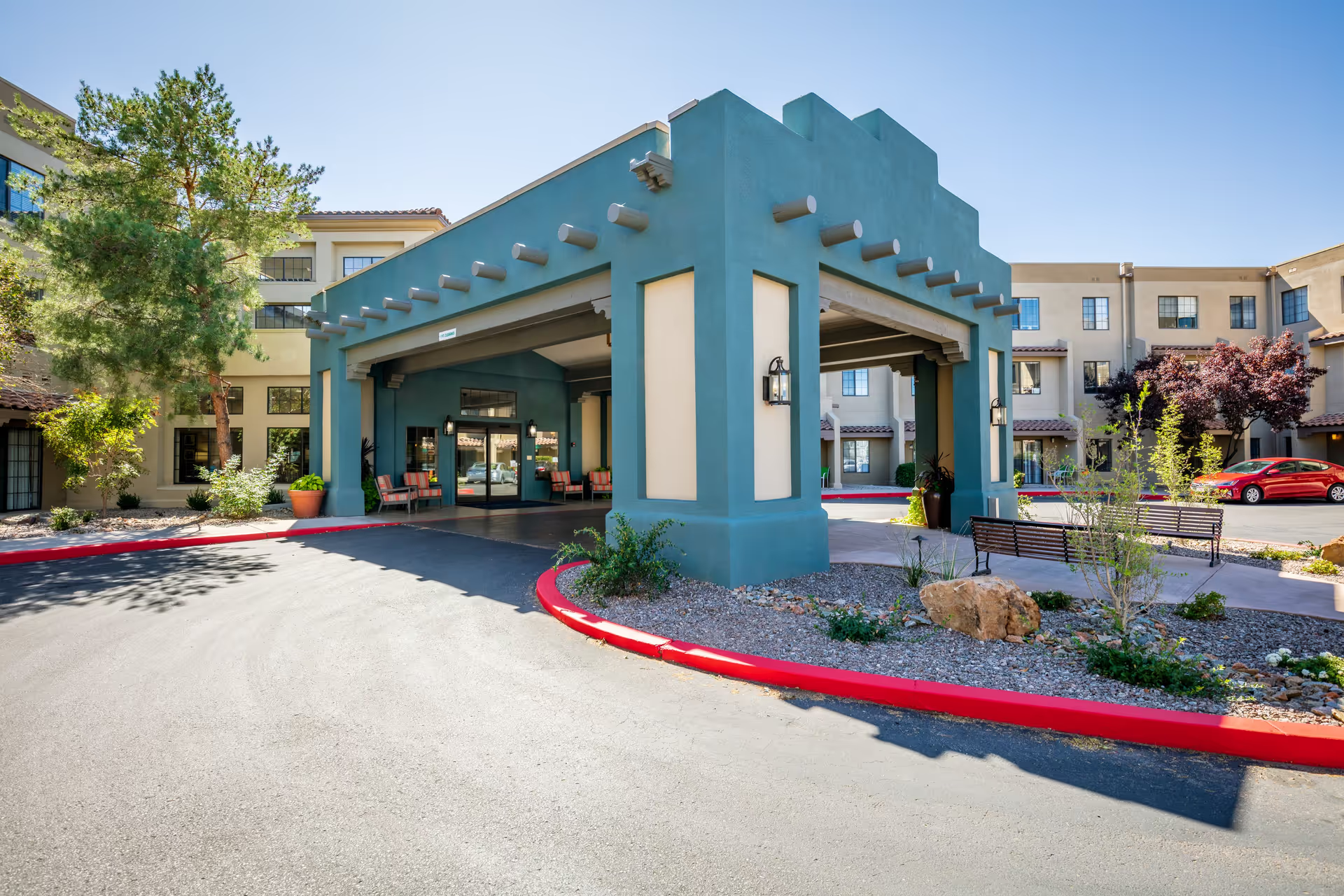
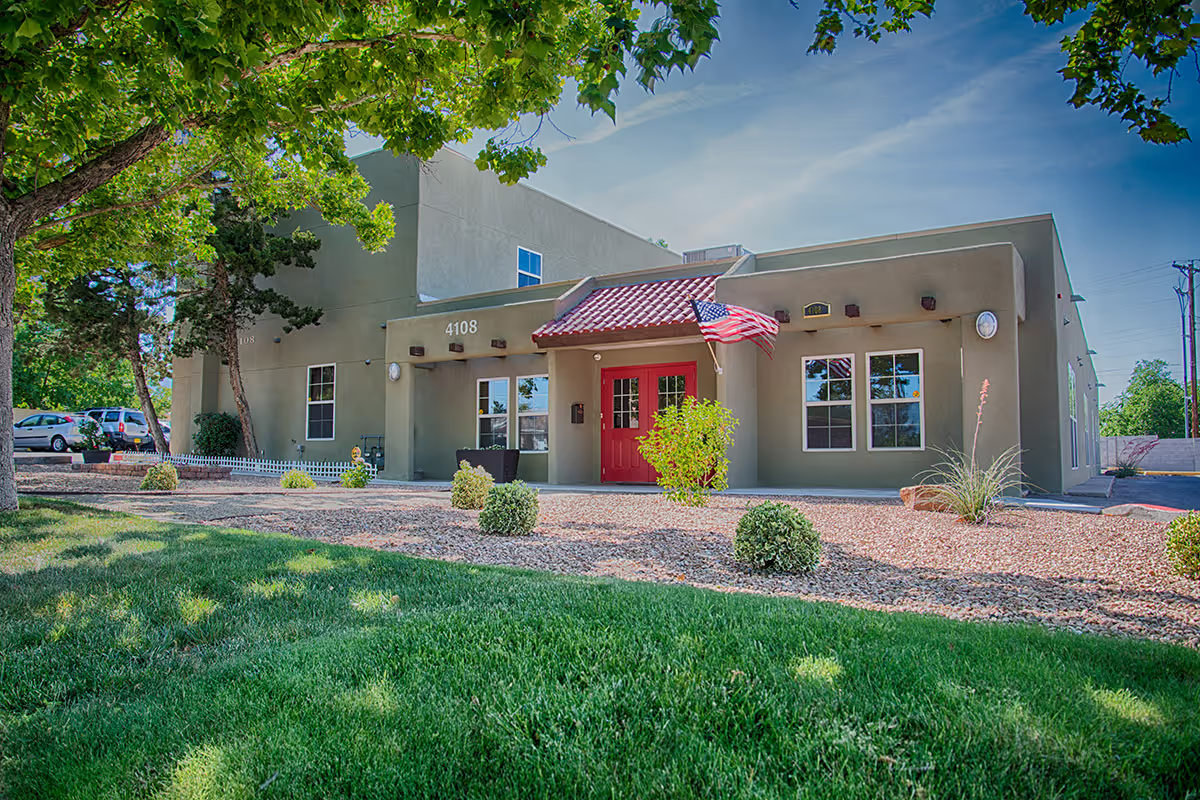
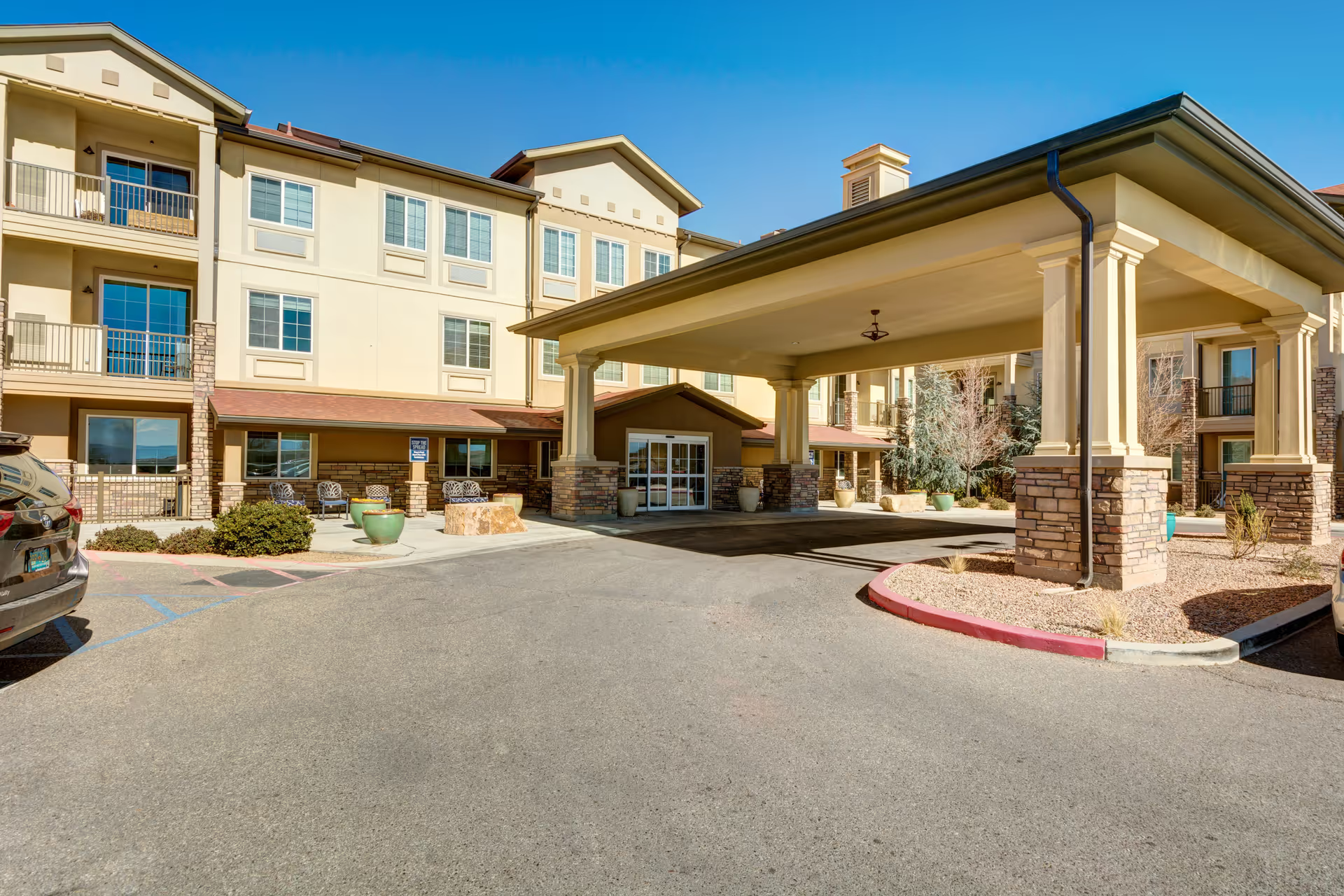
The Village at Alameda presents as a well-kept, attractive community with many strengths that appeal to independent and assisted-living families. Common positives include a clean, odor-free interior, updated furnishings, bright dining and activity spaces, and accessible design features such as wide hallways, walk-in showers, and wheelchair-friendly one- and two-bedroom layouts. The grounds and outdoor spaces are cited as pleasant, with mature landscaping and direct sightlines toward the Balloon Fiesta Park, which many families find appealing.
Care quality is mixed but leans positive in several respects. Reviewers frequently praise compassionate, attentive caregivers, hands-on nursing, and coordination with hospice and visiting physicians. Families highlight quick pendant responses, respectful end-of-life interactions, and staff who learn resident names and preferences. At the same time, there are recurring concerns about staffing stability: high turnover, uneven training for new aides, and variability in caregiver competence. Operationally important areas such as medication administration and clinical handoffs were flagged as inconsistent in some accounts, which suggests prospective families should verify current medication-management protocols and staffing models during a tour.
Dining and daily life are strengths for many residents. The community offers chef-prepared meals, a salad bar, rotating menus, tray delivery to rooms, and flexible patio dining. Activity programming is described as busy and varied — ranging from music and bingo to painting, exercise classes, weekly bus trips, and social happy hours — which supports social engagement and routine for residents. Housekeeping, laundry, salon services, and transportation for medical appointments are additional conveniences frequently noted.
Facility condition is generally favorable indoors: reviewers emphasize cleanliness, seasonal décor, and well-maintained public areas. Some units are described as boutique-suite style with kitchenettes, while other comments point to small unit sizes, limited closet/storage space, and an older exterior in need of periodic renovation. A few reviewers raised sanitation and pest-control concerns in parts of the property; prospective residents should ask about recent pest-control actions and inspection records.
Management impressions are polarized. Several family members single out specific directors and staff for responsive, compassionate leadership and effective move-in support. Conversely, other accounts describe lapses in responsiveness, billing or vendor-payment concerns, and management behaviors that diminished trust. There are also isolated but serious claims concerning medication practices and financial management; these have been characterized here as allegations and warrant direct inquiry and documentation from the provider and regulators where appropriate.
Notable patterns for prospective families: the community offers strong social programming, accessible spaces, and attentive direct-care staff in many cases, but operational weaknesses — particularly staffing instability, training variability, and intermittent clinical and sanitation issues — can affect day-to-day reliability. Recommended due diligence includes an in-person tour of the specific unit, review of staffing ratios and turnover history, examination of medication-administration and pest-control protocols, sampling menus and meal delivery procedures, and direct conversations with leadership about recent improvements and inspection results.