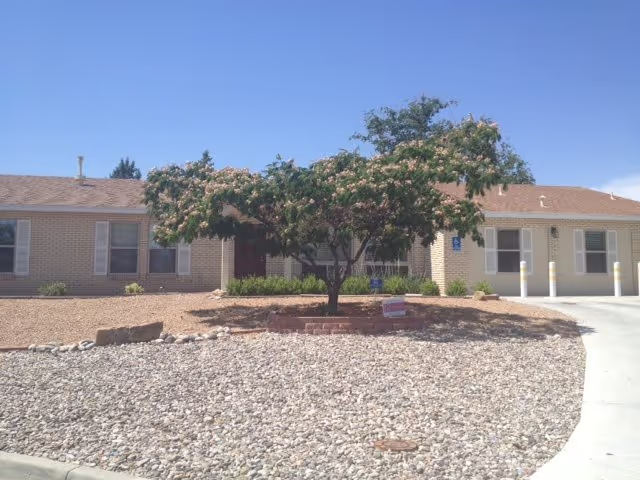
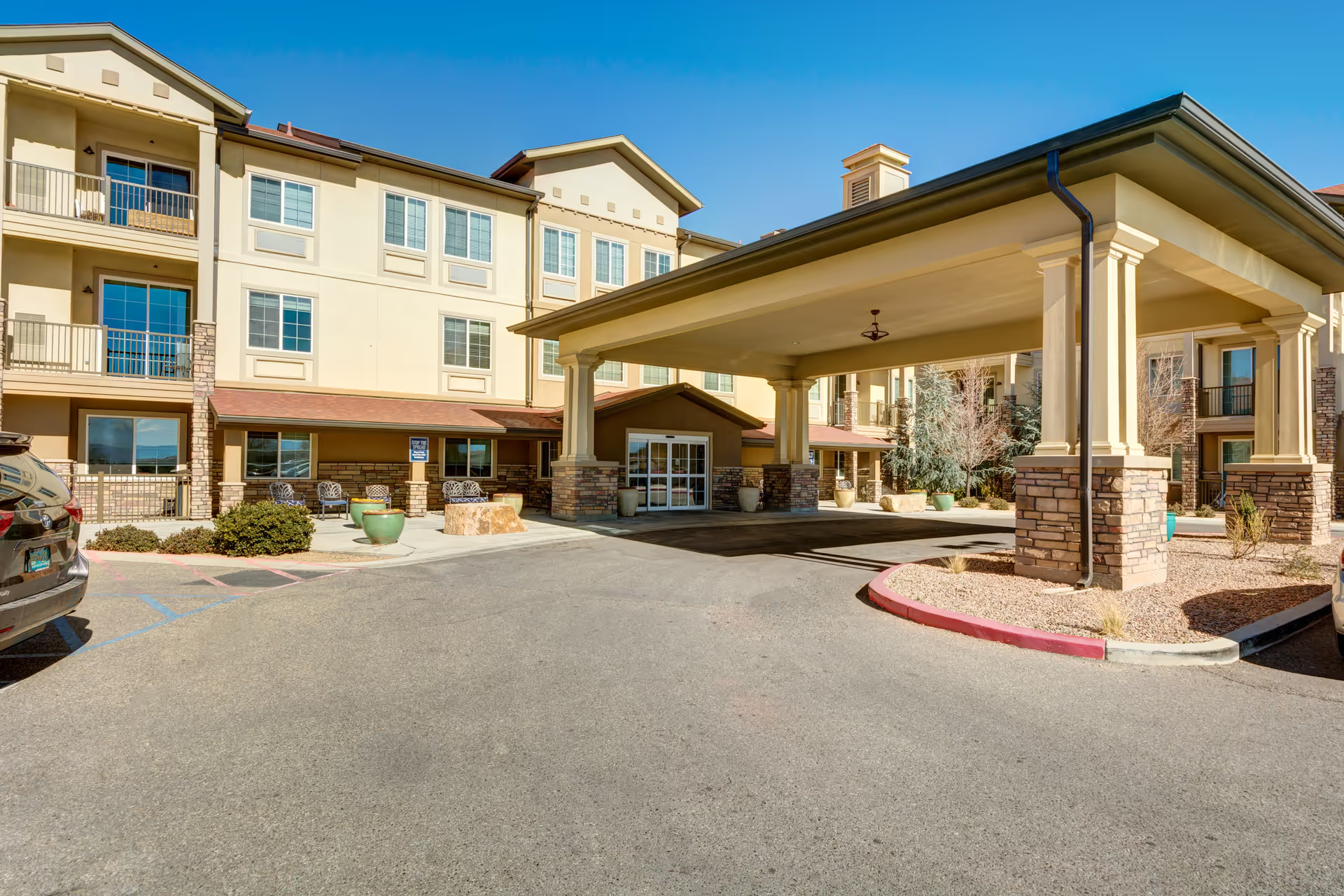
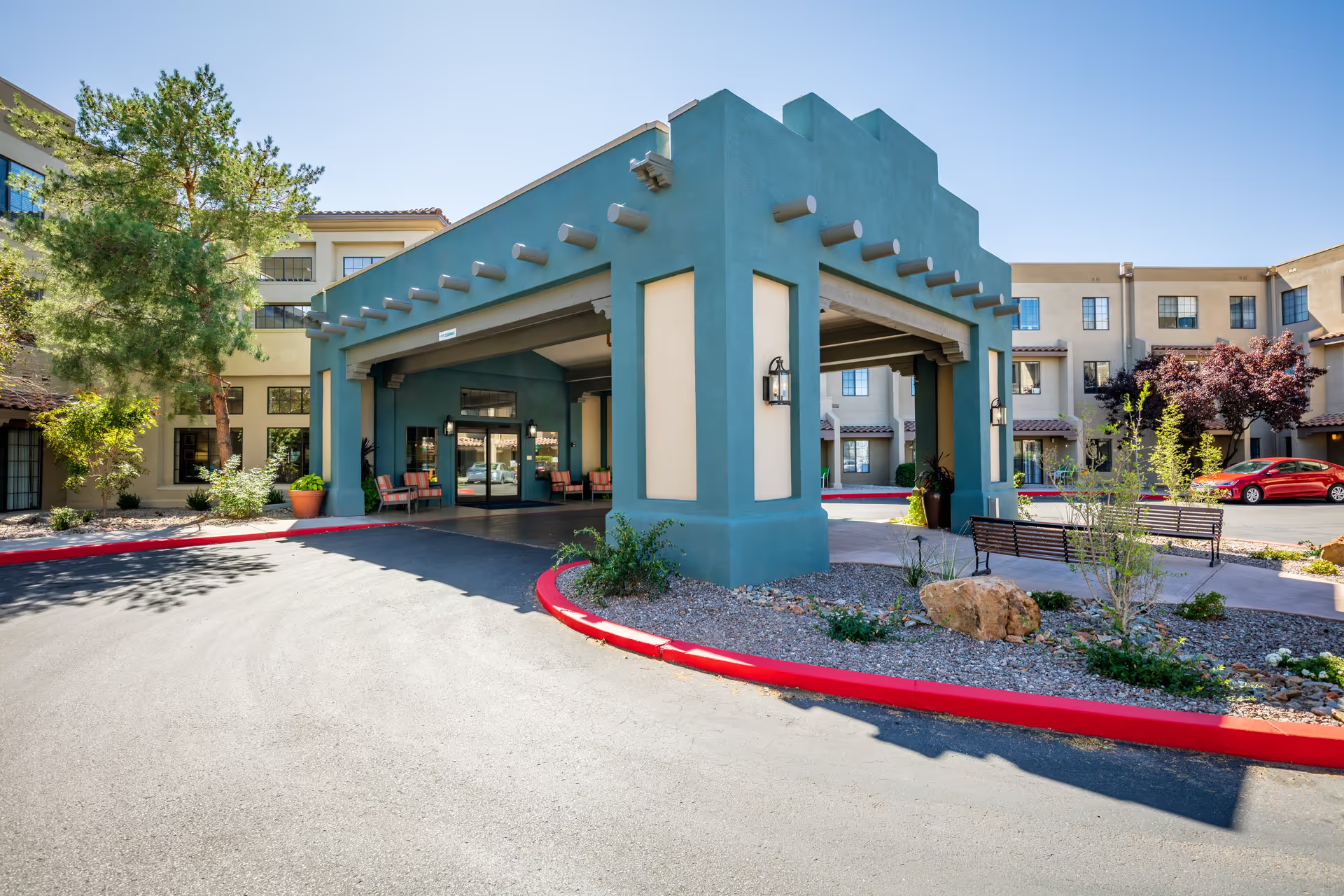
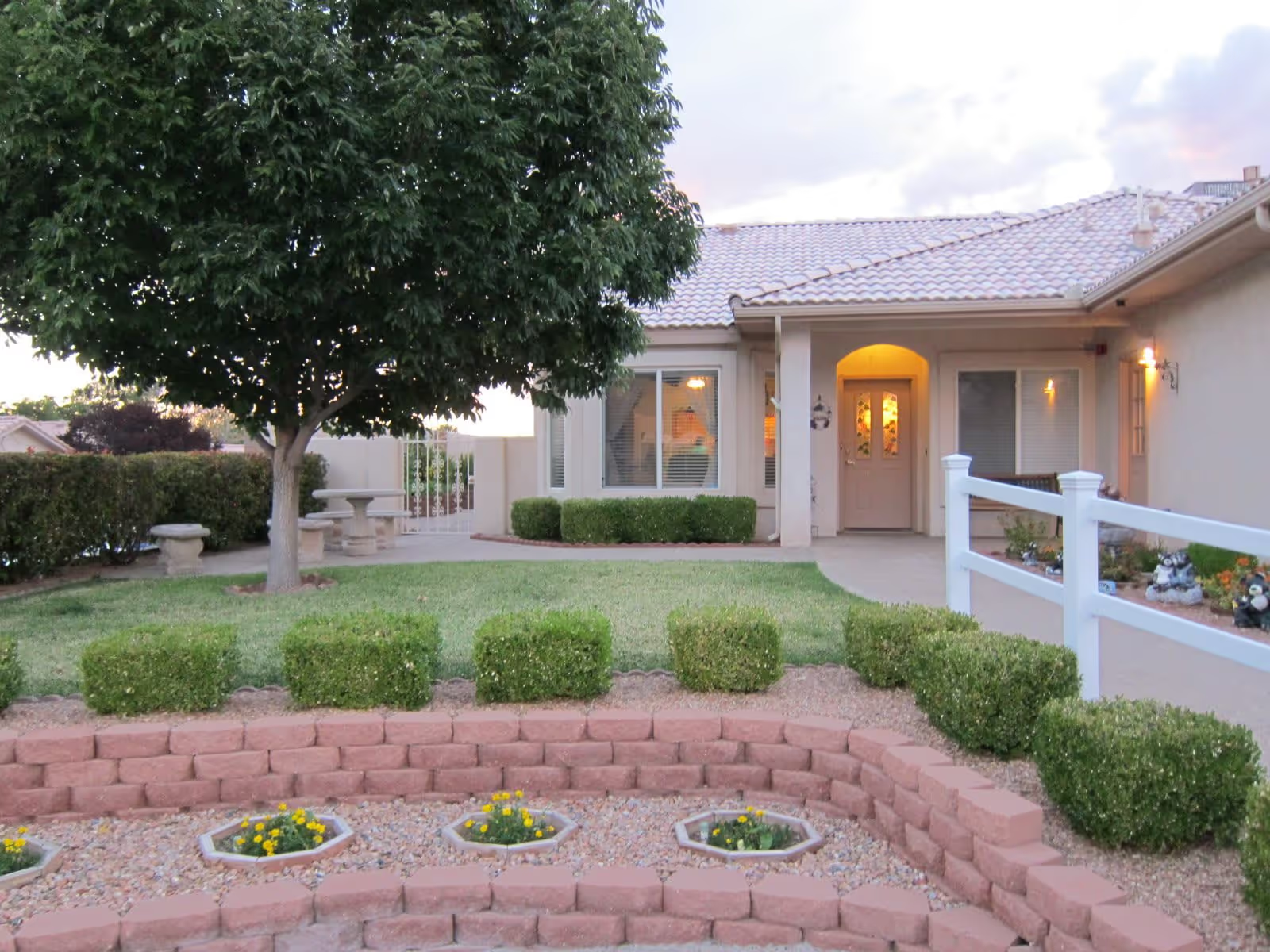
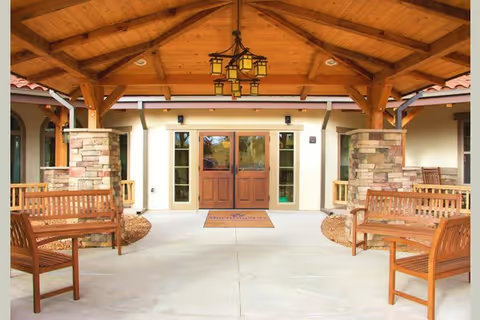
Life Spire Assisted Living Rio Rancho elicits strongly divided impressions. Numerous reviewers praise the physical plant: a modern, resort-like appearance, spacious and attractive dining and living areas, well-maintained grounds with courtyards and patios, and pet-friendly policies. Apartment options include private studios and shared configurations with accessible bathrooms; many families highlighted features such as walk-in showers, personal thermostats, and bright, airy common spaces. Laundry, housekeeping, an on-site snack area, and an activities director are available, contributing to a home-like atmosphere for residents who value a smaller community feel.
Care quality and staff performance are described with contrasting experiences. Many accounts emphasize compassionate, knowledgeable caregivers, attentive managers, helpful tour staff, and positive memory-care and hospice coordination. Several reviews cite consistent check-ins, individualized attention, and low caregiver-to-resident ratios in some units. At the same time, a recurrent operational theme is inconsistent staffing and coverage: reviewers describe periods of understaffing, delays in assistance, and gaps in after-hours supervision. There are also isolated but serious concerns about staff conduct and incident handling; a few reviews referenced regulatory involvement or Ombudsman contact. Prospective families should ask about current staffing levels, on-call clinical coverage, and recent regulatory or inspection history.
Dining and activities show variability across reviews. Many residents and families praise the food as home-cooked and enjoyable, and note flexible meal times and a staffed snack area. Conversely, other reviewers described inconsistent meal temperature and preparation quality. The community runs a range of programming — arts and crafts, exercise classes, holiday events, and special-theme days — and an activities director is present. However, multiple reviewers noted limited or inadequate dedicated activity space, uneven social engagement for some residents, and variability in how much programming suits individual mobility or sensory limitations.
Operational and management patterns are mixed. Positive notes include locally invested management, helpful admission staff, and individualized care approaches. Negative patterns include variable communication at intake, occasional pricing opacity or changes, and uneven tour experiences. Additional recurring operational concerns include sanitation or odor issues in specific areas, security gaps around personal belongings, accessibility delays related to locked-entry procedures, and the absence of an on-site nurse at all times in some units.
Overall, the facility appears to provide a high-quality environment for many residents, especially those prioritizing a modern, attractive setting and compassionate caregivers. However, the documented variability in staffing, clinical oversight, activity space, and operational transparency creates a risk profile that prospective residents and families should evaluate directly. Recommended pre-admission questions include current staffing ratios and after-hours coverage, nurse availability, recent inspection or Ombudsman activity, call-button and emergency-pull policies, meal service practices, activity schedules and space, and a clear written statement of fees and cancellation/change policies. An in-person tour and targeted conversations with management can help determine whether the facility’s strengths align with an individual resident’s care and safety needs.