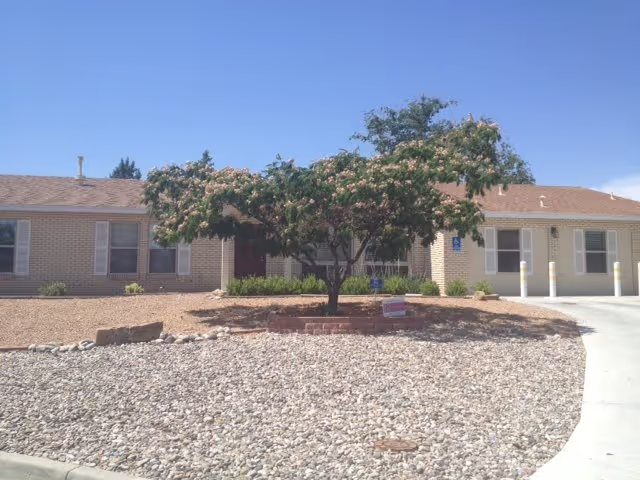
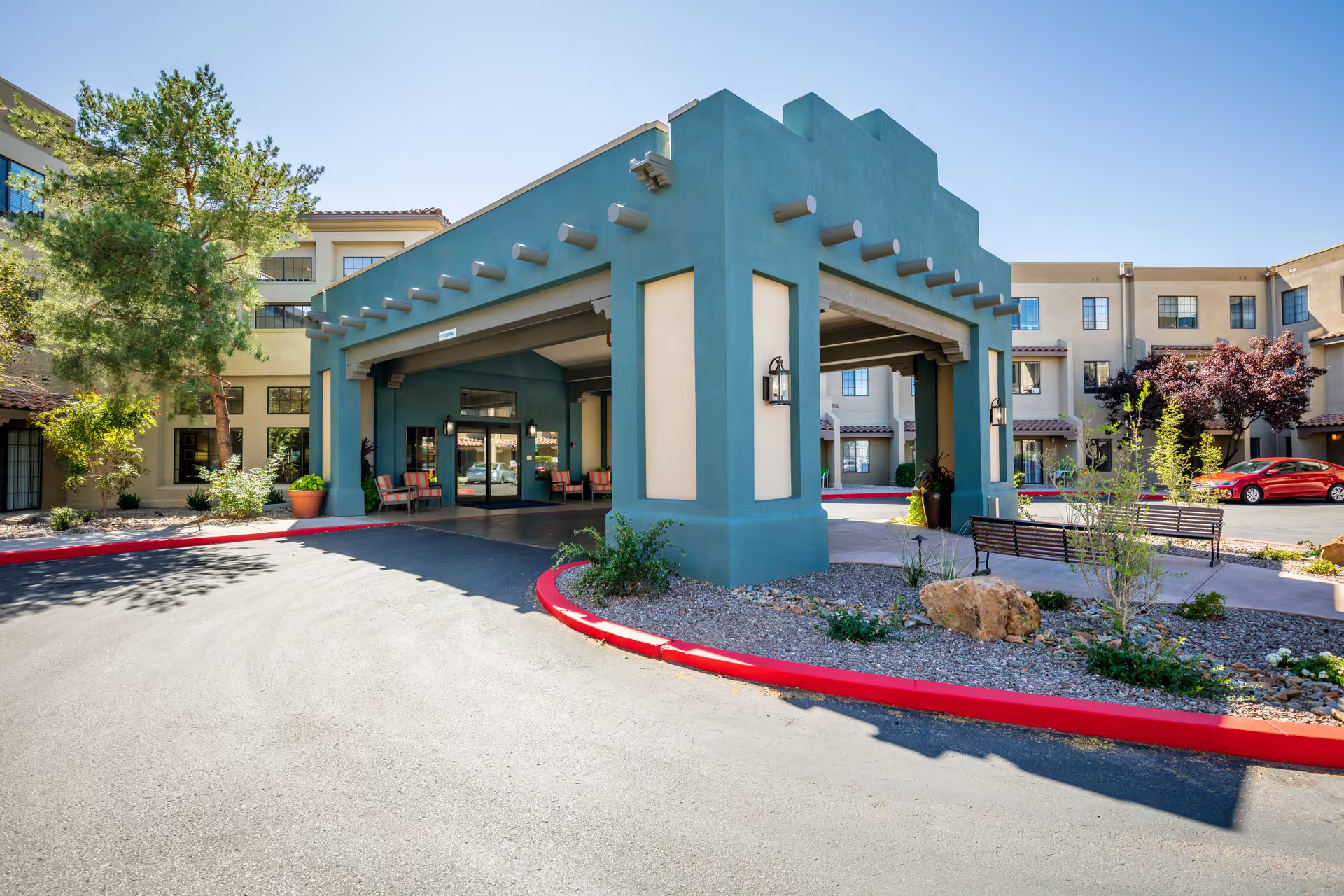
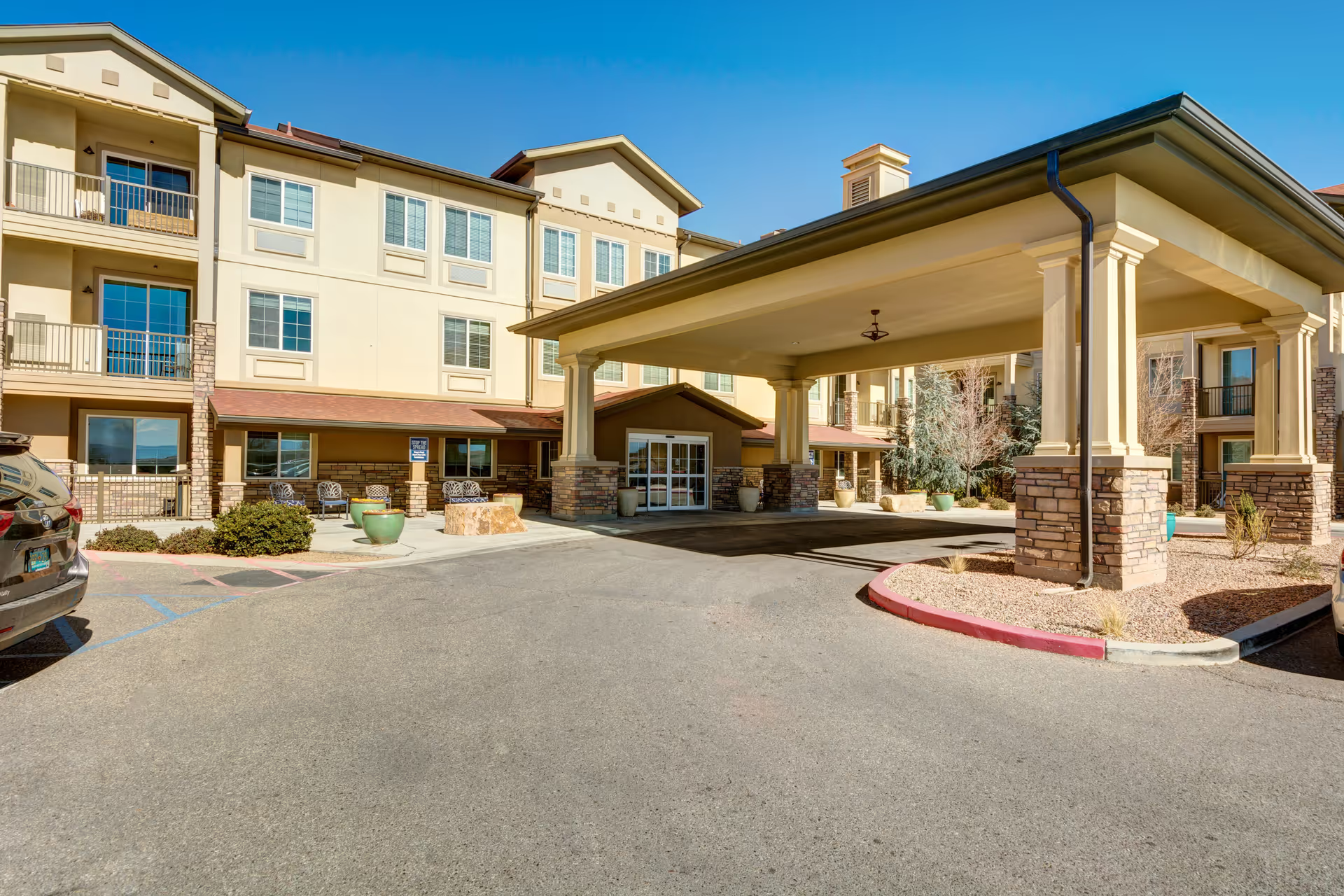
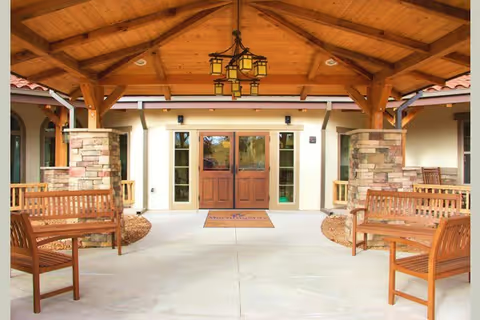
The reviews present a mixed portrait of Rio Rancho Center. Many family members and residents praise individual staff members, therapists, unit managers, and the admissions team for compassion, attentiveness, and effective rehabilitation. The facility's therapy services (PT/OT/speech) and some rehabilitation outcomes are described positively, and several reviewers highlighted clean, comfortable private rooms, a pleasant courtyard and grounds, and an active activities program that includes music, outings, and birthday events. Multiple comments also note a generally helpful interdisciplinary team and staff who go beyond routine duties to support residents and families.
However, a recurring operational pattern involves staffing shortages and related responsiveness issues. Reviewers describe long call-light response times, limited CNA availability during dining and personal care, and constrained night and after-hours coverage. Those staffing constraints are tied to delays in bathing, toileting assistance, and meal support, and contribute to concerns about timely attention to residents' needs. Several reviewers also described crowded dining, limited bathroom access on some units, and a small therapy area that can limit program capacity.
Clinical continuity and safety are another area of mixed feedback. Positive notes about wound care and attentive nursing appear alongside reports of medication and documentation gaps, missed or delayed medication handoffs, and inconsistent handover practices between shifts. Families described episodes that raised concern about clinical decision-making and discharge coordination, including unplanned ER transfers and reversals of discharge decisions by utilization review. There are also mentions of falls and delayed response after falls; these items point to gaps in transfer-safety practices and incident-response processes that prospective families should clarify with the facility.
Dining and sanitation received varied commentary. Many reviewers complimented meal taste and presentation, while others described inconsistent meal preparation and service quality. Hygiene and sanitation concerns were raised for specific common areas and during dining, and some comments noted lapses in personal-care schedules. These items indicate uneven housekeeping and incontinence-care practices across the facility rather than a universal condition.
Management and communication present a split pattern. Several reviewers singled out individual leaders and clinicians for strong, compassionate service and effective follow-up. Conversely, others reported difficulty reaching administration, slow or missing callbacks, and inconsistent communication from social work or office staff. These mixed experiences suggest variability in management responsiveness and follow-through; families may want to seek direct contact points and escalation pathways during the admission process.
Notably, there are isolated, serious allegations—including concerns following a resident's death and other acute safety-related complaints—that families and regulators would likely consider important to investigate further. Given the combination of praised frontline staff and recurring operational weaknesses (staffing, documentation, sanitation, and communication), prospective residents and families should weigh the strong rehabilitative culture and standout employees against the facility-level concerns. Recommended due diligence includes asking for current staffing ratios by shift, fall-prevention and incident-response protocols, medication-safety procedures, memory-care programming details, and recent inspection or quality reports prior to placement.