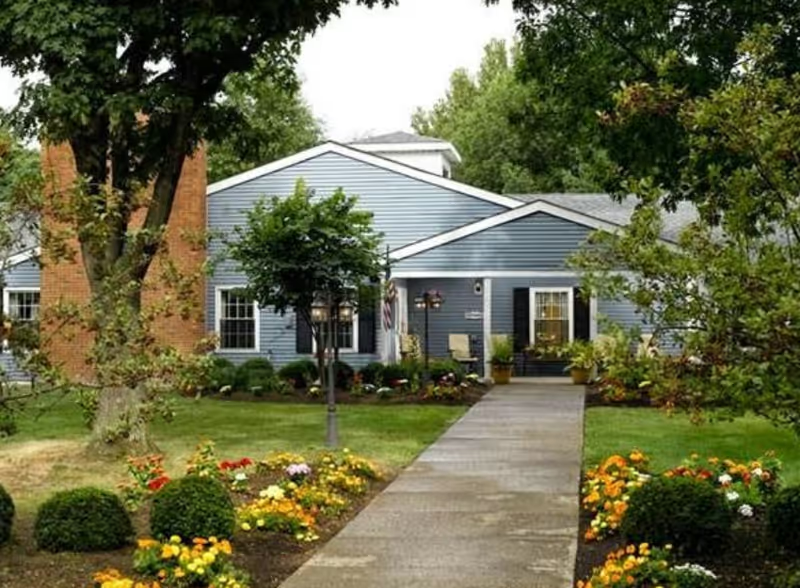
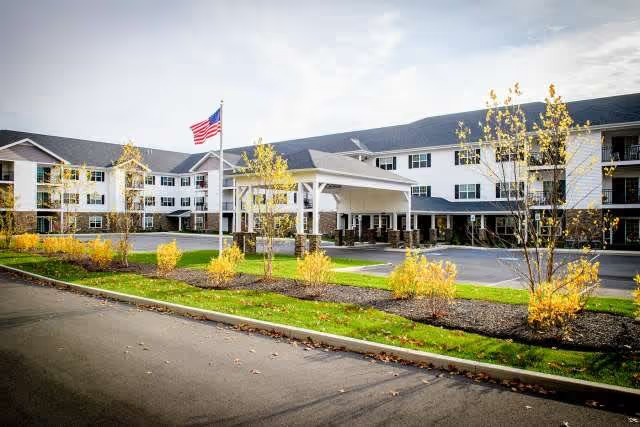
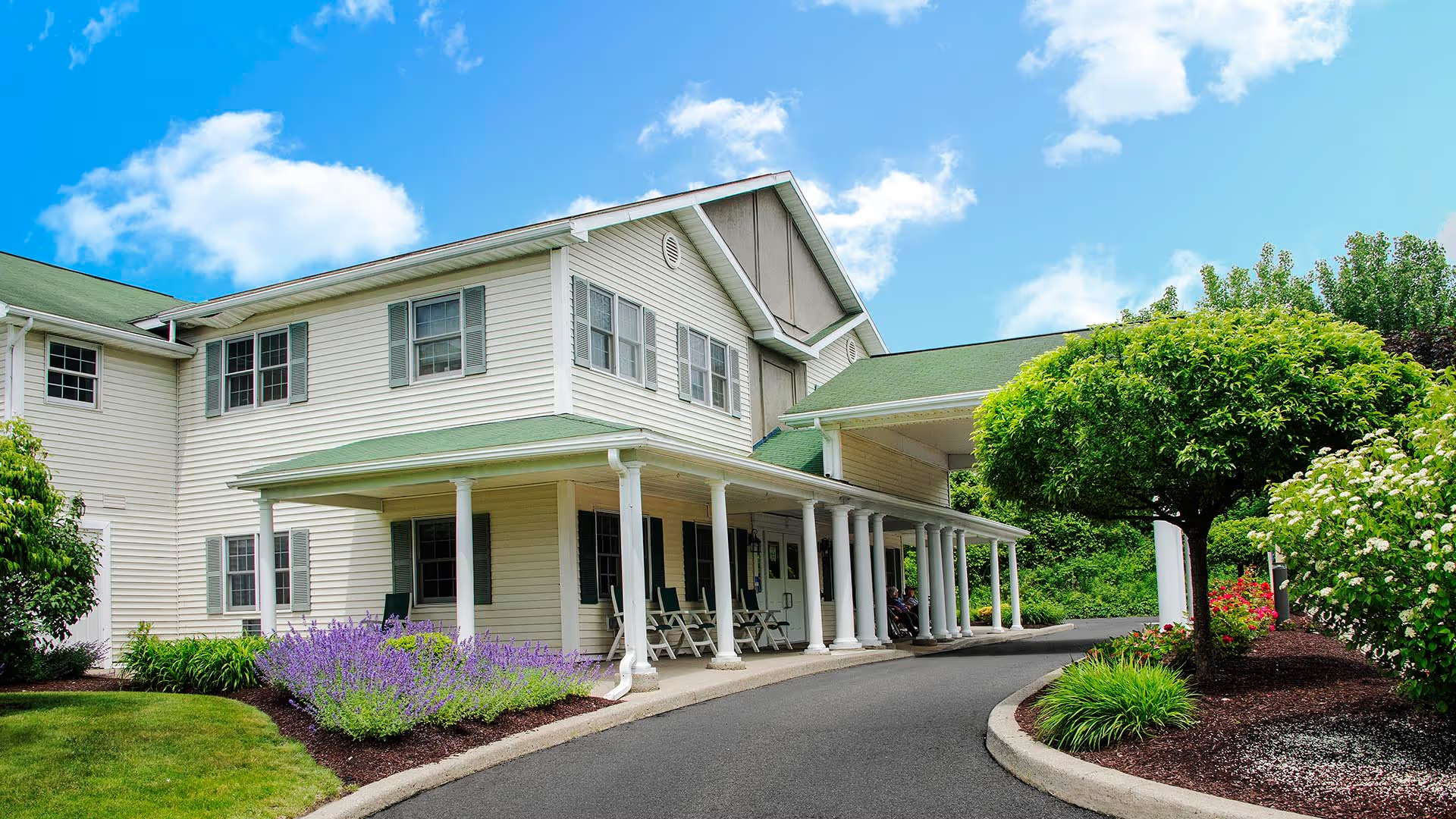
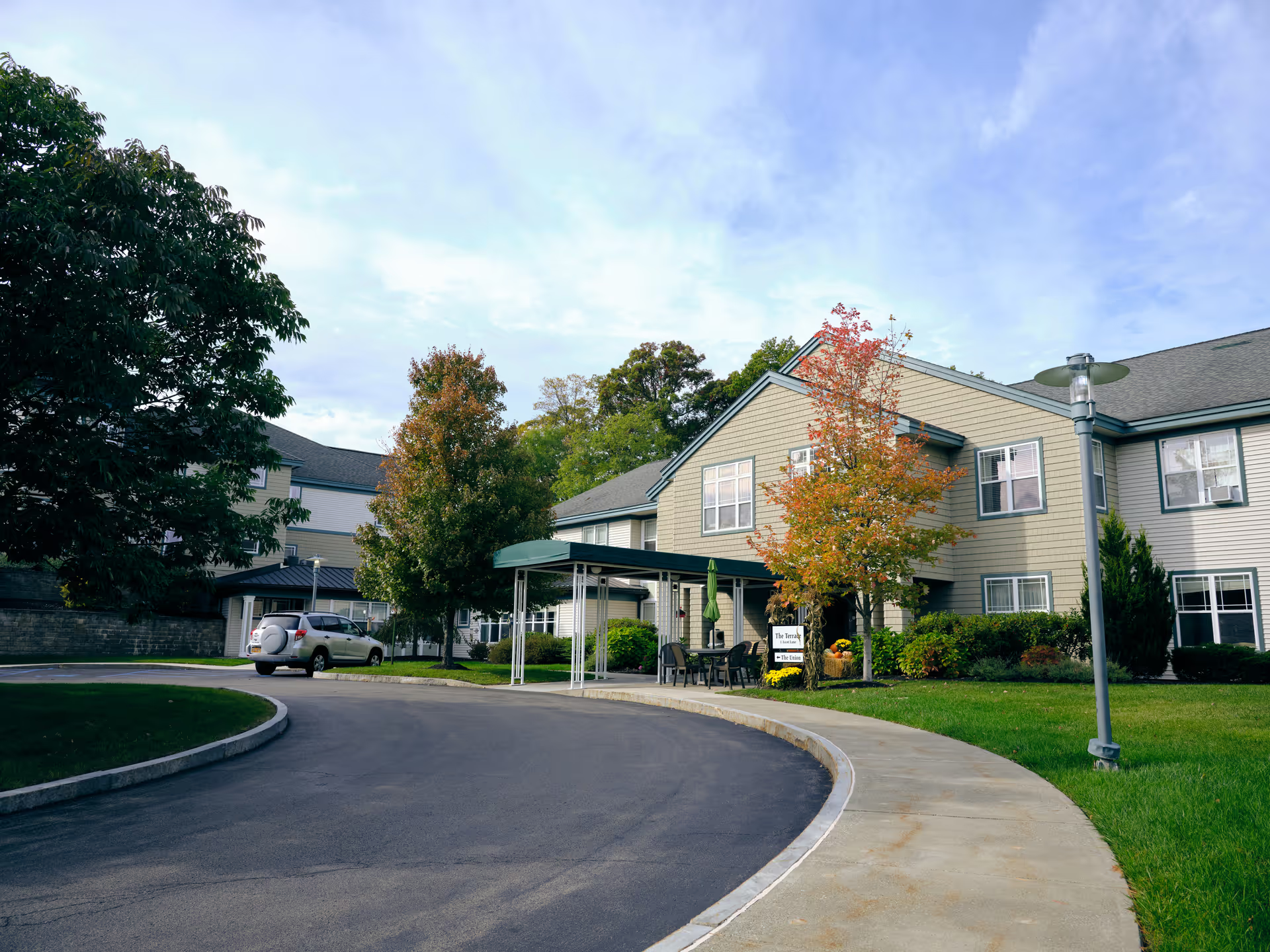
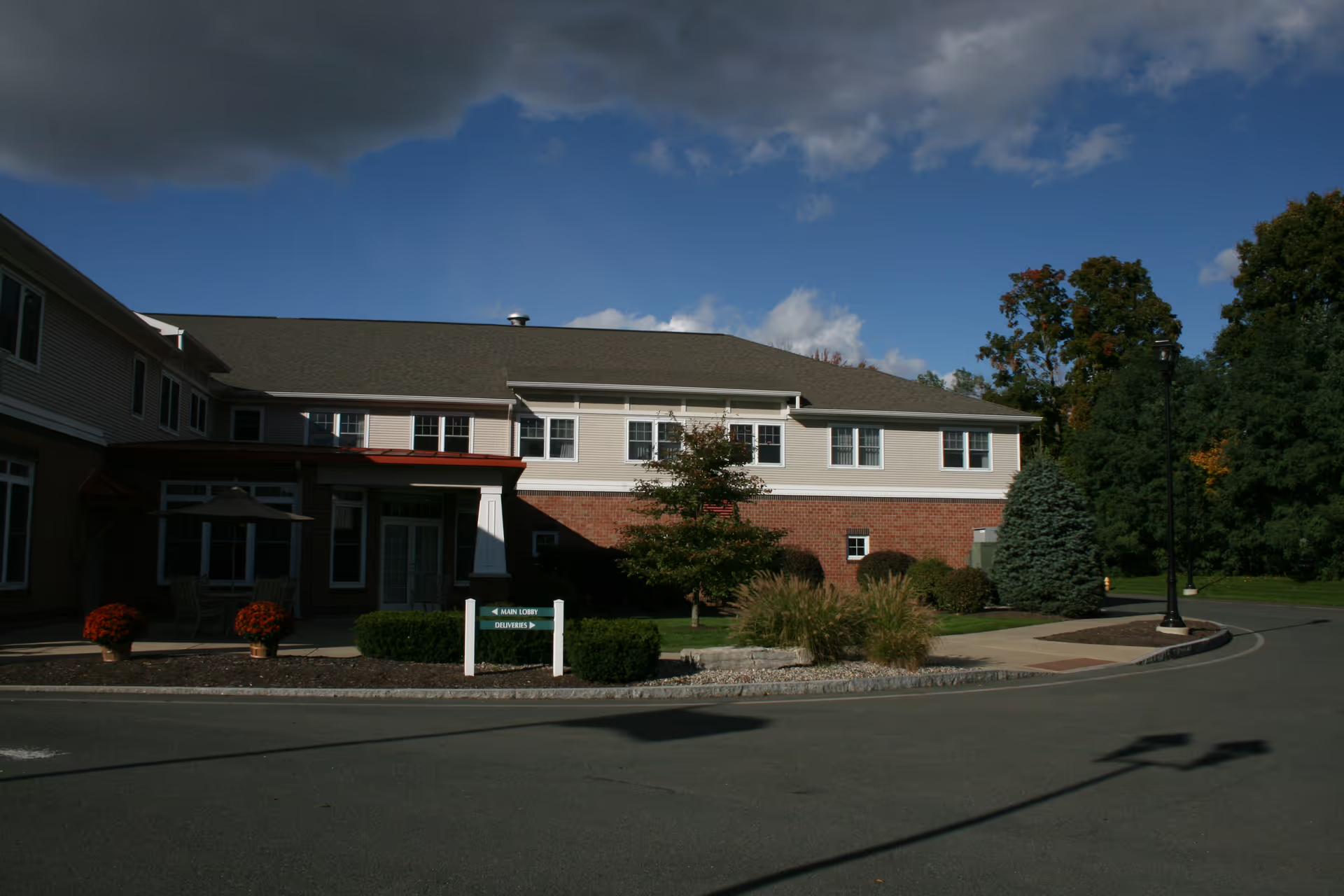
The reviews for Daughters of Sarah Community for Seniors present a strongly mixed picture with distinct strengths alongside recurring operational concerns. Many families praise the clinical rehabilitation services and therapy teams; physical and occupational therapy are frequently described as effective in restoring mobility and confidence and enabling earlier discharge home. Long-term care experiences vary: several accounts highlight knowledgeable, compassionate nurses and CNAs who provide hands-on, respectful care and maintain good communication with families. The facility’s private rooms, on-site religious services, welcoming reception, attractive grounds, and active entertainment program (including live music and performers) are repeatedly cited as positive features that contribute to resident quality of life.
At the same time, a consistent pattern of staffing and management issues appears across reviews. Reviewers describe uneven staffing levels, heavy reliance on agency staff unfamiliar with resident needs, and higher problems on weekends — factors associated with delayed responses to call bells, inconsistent personal care (including bathing schedules), and occasional lapses in medication administration or documentation. Several accounts point to weak clinical supervision and limited physician availability, which families correlate with inconsistent clinical follow-up and slower escalation of concerns. These operational gaps contribute to variability in care quality between units: the rehabilitation unit is commonly singled out as a strength, while other units are described as less reliable.
Dining and nutrition receive mixed feedback. The dining program is noted for accommodating special requests, personalized meal ordering, and some pleasing culinary options. However, reviewers also describe service problems such as slow deliveries, inventory shortages of basic items, inconsistent meal sequencing, and concerns about the facility’s ability to meet religious-dietary requirements safely; these raise the potential for cross-contamination risks for residents who observe dietary laws. Sanitation and maintenance are praised in many areas (clean hallways, well-decorated lounges, and well-kept grounds), but some comments indicate cleanliness and infrastructure deterioration in parts of the facility and occasional equipment maintenance issues.
Management and culture are another area of divergence. Some family members commend specific leaders and point to responsive staff and orderly operations; others raise concerns about HR practices, perceived favoritism, poor communication, and leadership inaction around staffing and staff conduct. There are also a few serious individual claims — including an allegation of theft and inappropriate post-mortem conduct — that families view as requiring investigation. Billing and administrative processing are generally reported as timely.
Notable patterns for an evaluator or prospective family to consider are the facility’s strong rehabilitation capability and generally caring frontline staff contrasted with operational fragility related to staffing, supervision, and certain service lines (mealtime continuity, laundry/stock management, and religious-dietary compliance). Experience appears to be unit- and shift-dependent, with weekdays/therapy-focused areas tending to receive higher praise than some long-term care units or weekend staffing. A recommended approach for families is an in-person visit focused on staffing ratios and weekend coverage, medication and incident-communication protocols, dietary and kosher handling procedures, cleanliness audits, and conversations with families of current residents on the specific unit of interest to understand unit-level consistency.