Overall impression: The facility receives extensive positive feedback for its caregiving culture, therapies, and physical environment, but reviewers also describe operational challenges that prospective residents and families should evaluate. Many accounts emphasize compassionate, attentive staff and strong rehabilitation services, alongside a clean, attractive campus with an active spiritual life. At the same time, recurring operational themes—particularly around staffing, clinical oversight, and administrative choices—temper the uniformly positive descriptions.
Care and clinical services: Care quality is frequently praised, with numerous mentions of compassionate nursing assistants and nurses, strong therapy teams (physical, occupational, and speech), and 24/7 clinical availability. Families describe effective rehabilitation outcomes and individualized end-of-life support. However, there are consistent concerns about inconsistent clinical oversight and delayed responses to acute events; in a few cases reviewers raised serious clinical incident concerns. These comments suggest the facility provides strong routine and rehabilitative care but may experience variability in how clinical events and emergent needs are managed.
Staff and management: Staff-level feedback is predominantly favorable—reviewers cite helpful receptionists, attentive floor staff, and a teamwork culture that many found reassuring. Training and staff-development efforts and a generally supportive workplace were also noted. Counterbalancing that, reviewers point to operational strain from staffing shortfalls, periodic management turnover, and uneven administrative responsiveness. These organizational issues are tied to perceptions of variability in resident attention and family communication.
Dining and activities: Dining is a clear strength for many families: varied menus, plentiful portions, dessert options, and nutrition-aware meals are commonly mentioned. A few comments describe inconsistent quality on select menu items. The activities program is broad and well-used, including bingo, music hours, dancing, outings, pet/animal visits, and social dining that supports resident engagement and social connection.
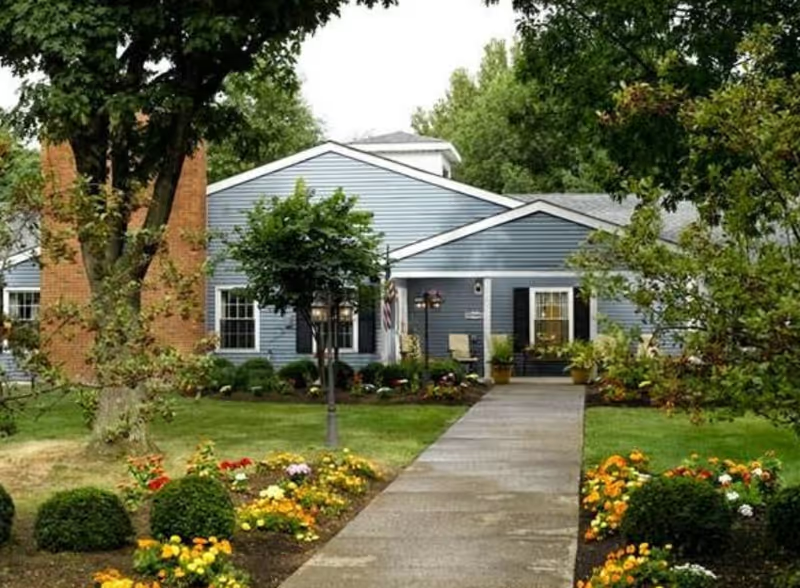
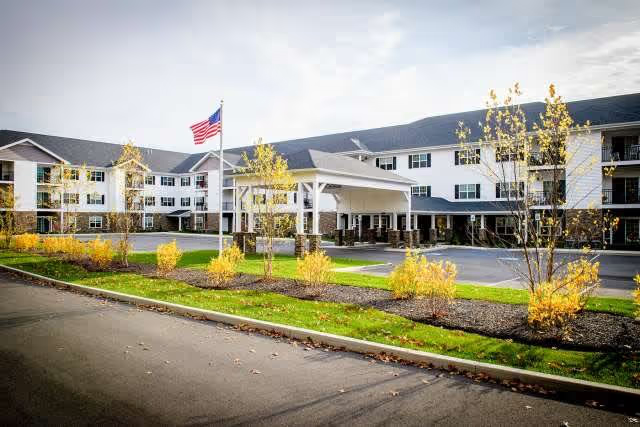
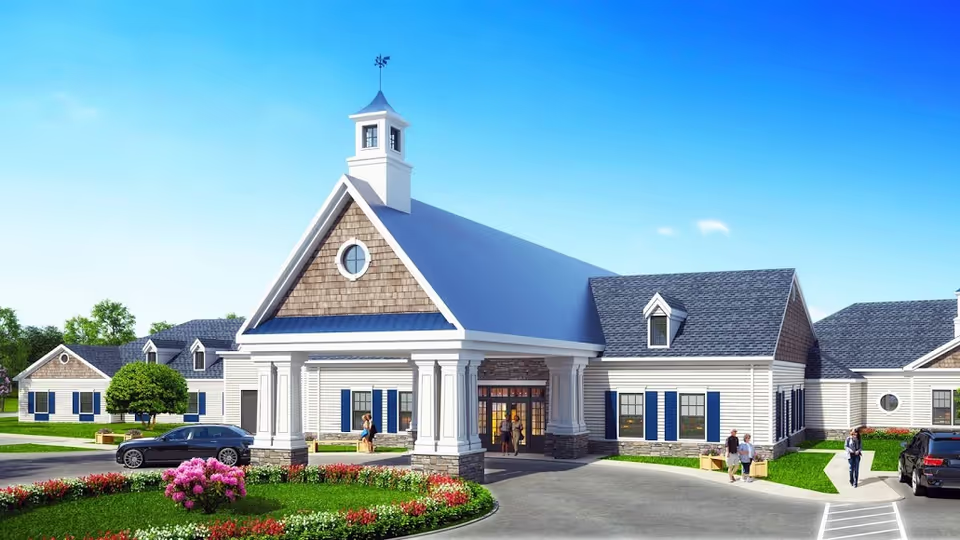
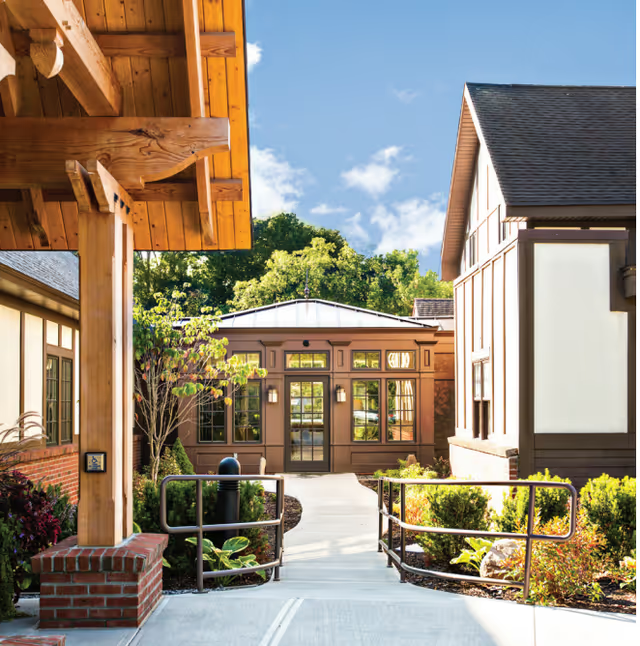
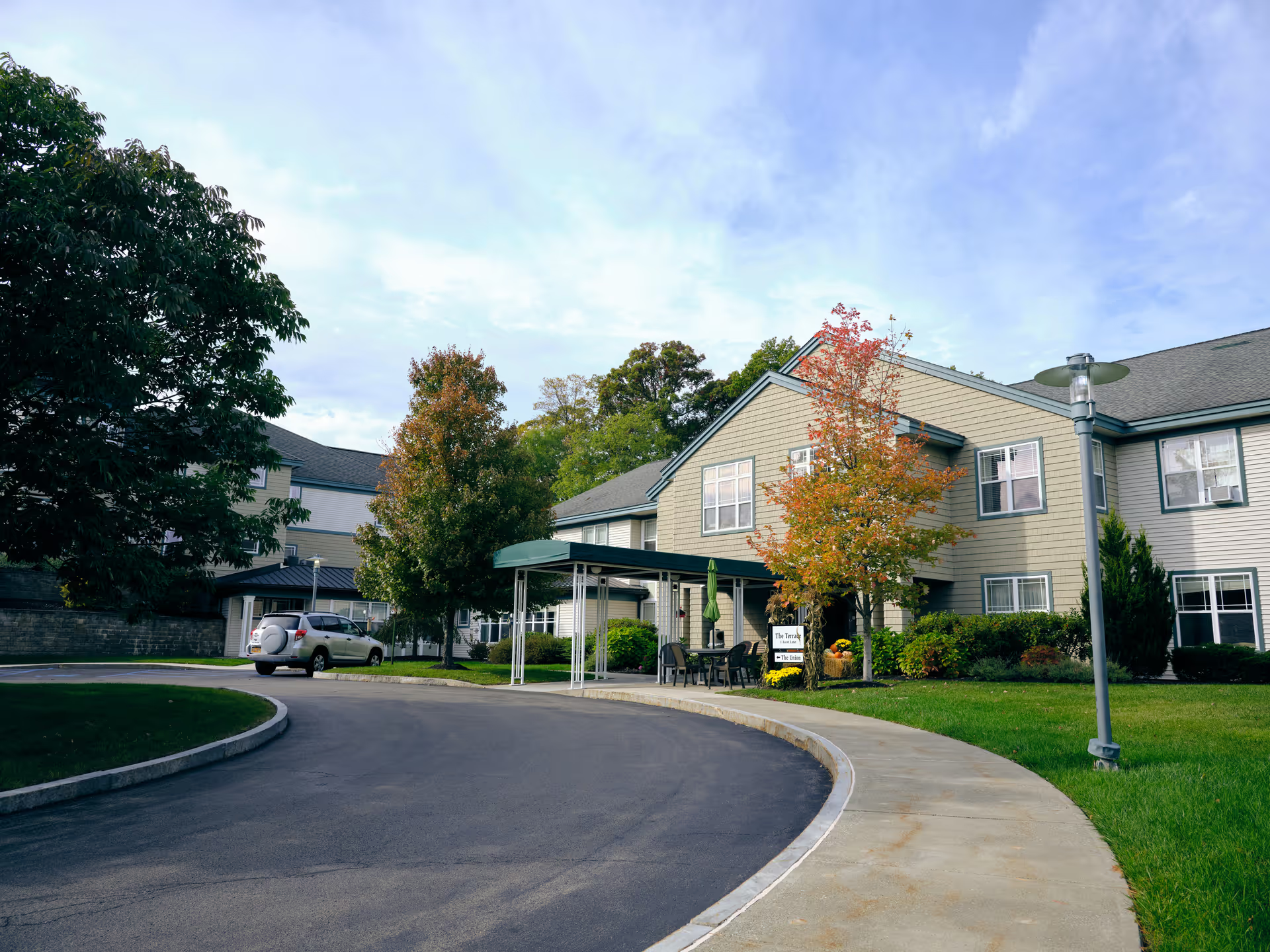
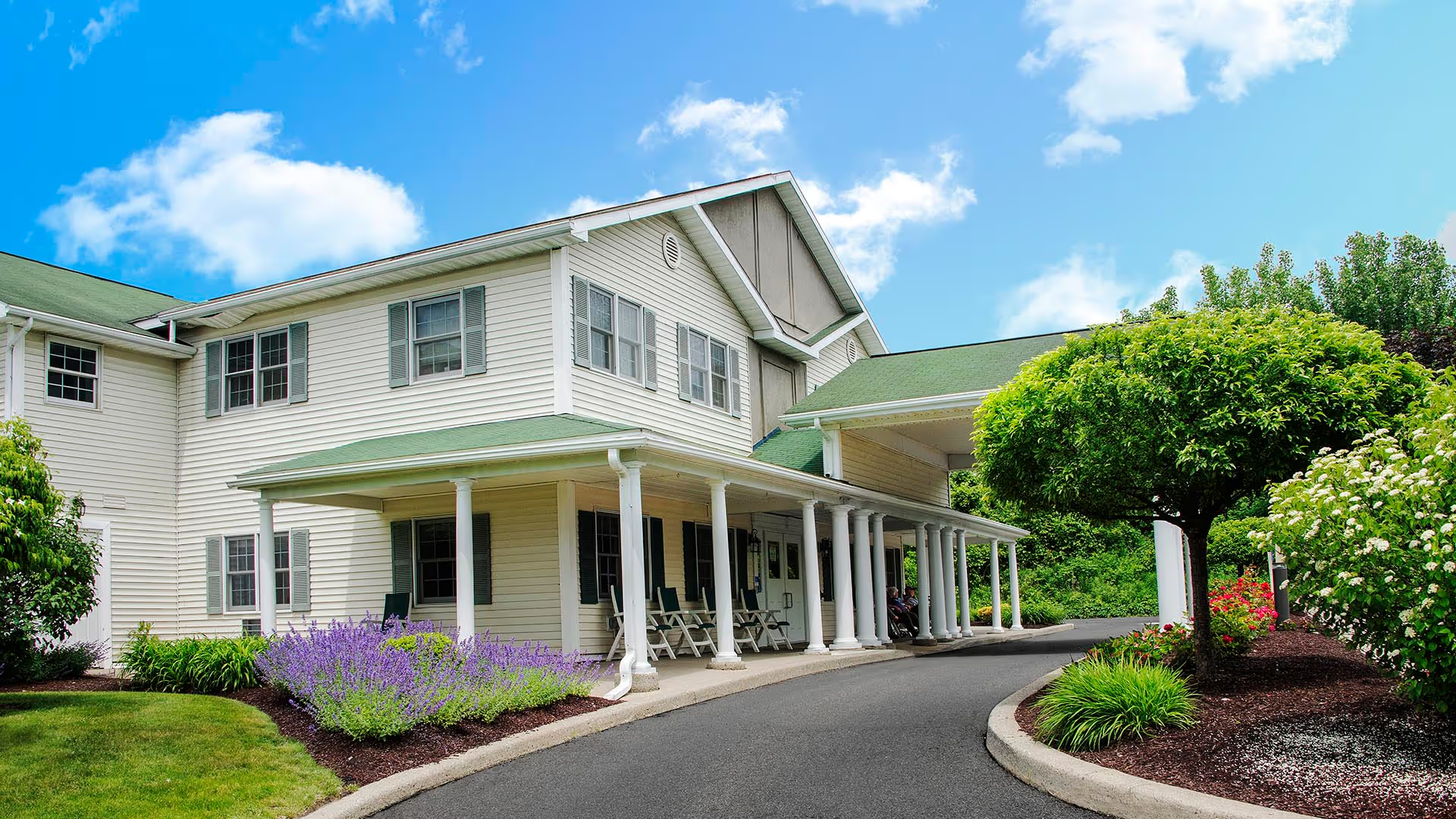
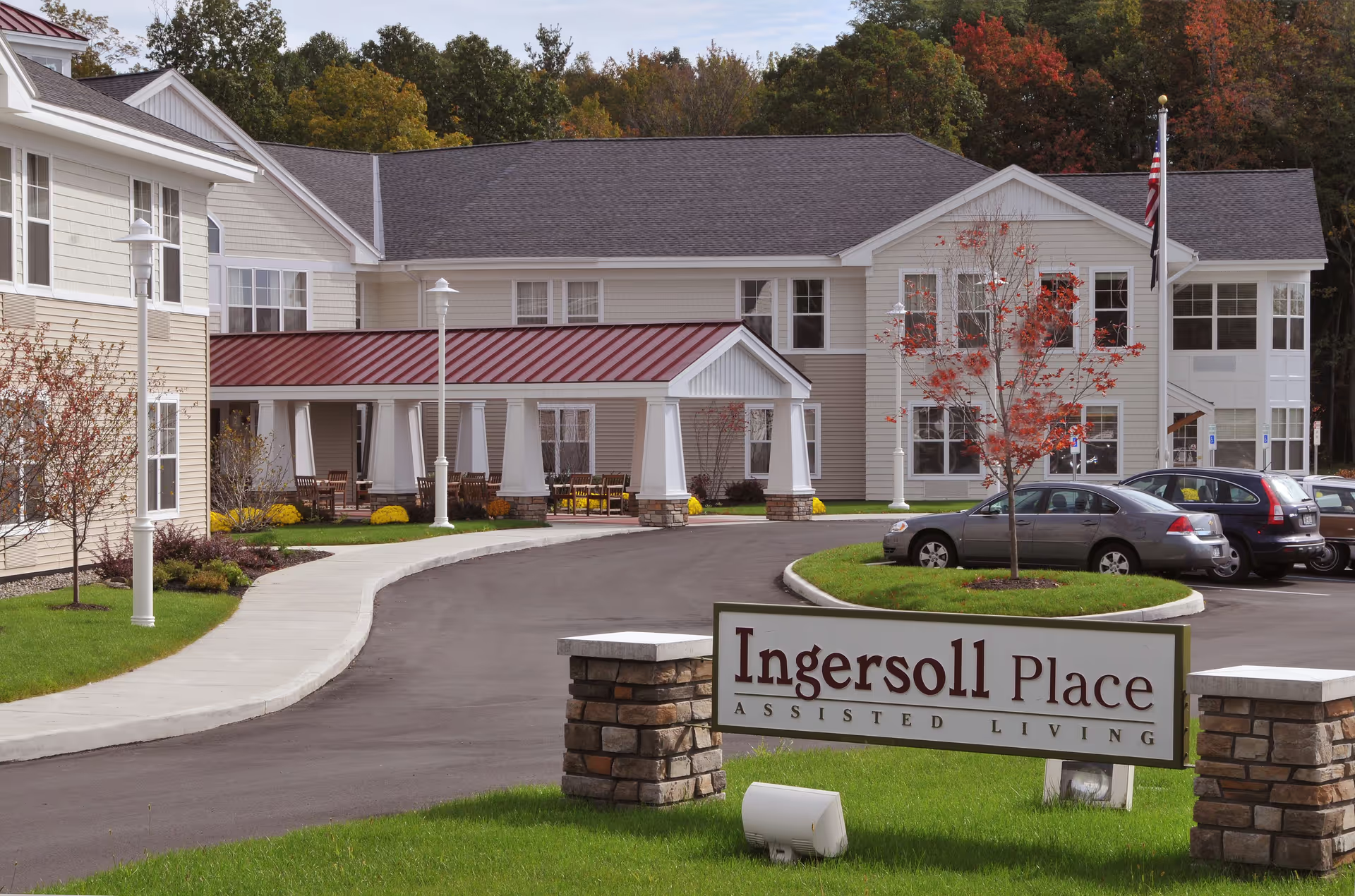
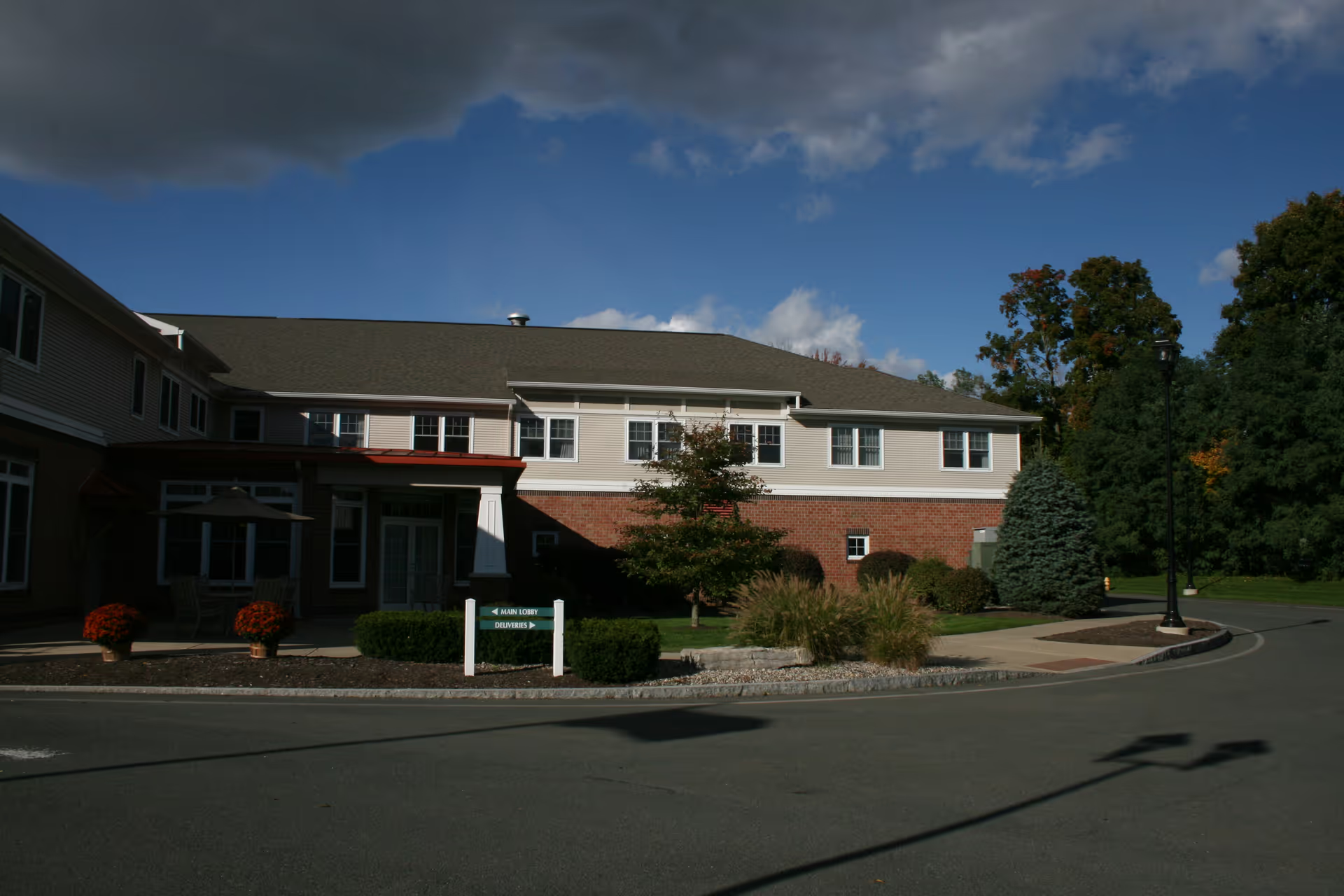
Facilities and amenities: The physical plant is repeatedly described as bright, well-kept, and remodeled in parts—private rooms with en-suite bathrooms, abundant natural light, large communal rooms, a sizeable rehab gym, an on-site chapel, and well-maintained gardens are all positive features. Security and visitor convenience receive favorable mention (facial-recognition kiosks, COVID screening). A minority of comments raise pest-control or localized sanitation/odor concerns, indicating that environmental consistency may vary by area.
Management, finance, and family experience: While admissions and front-desk processes are often described as welcoming and efficient, there are recurring concerns about administrative practices—perceived emphasis on cash payments, limited Medicaid flexibility, and billing or placement constraints. Families also described uneven communication and outreach following critical incidents or declines in condition. These patterns, together with reported management turnover, suggest the need for careful inquiry into financial policies, staffing ratios, and family-notification procedures.
What to watch for and practical advice: Prospective residents and families will likely appreciate the facility’s strong therapy offerings, spiritual programming, cleanliness, and active social life. When evaluating placement, ask specific questions about current staffing ratios on the intended unit, protocols for clinical incidents and family notification, pest-control practices, Medicaid and financial policies, and recent management changes. A focused tour that includes the intended floor, dining service at mealtime, and a conversation with the unit manager or social worker will help confirm whether the positive attributes are consistent with the unit-level experience you would expect.
In summary, Teresian House presents many strengths—compassionate care teams, robust therapy services, a well-maintained campus, and rich programming—paired with operational areas that merit close review, particularly staffing consistency, clinical-incident response, and administrative transparency.