The compiled reviews describe a facility with a wide range of family experiences, producing a highly mixed overall picture. Many families praise the rehabilitation program and individual caregivers — noting skilled therapists, coordinated hospital-to-rehab transitions, attentive social-work support, and staff members who go "above and beyond." In contrast, other accounts document systemic operational shortcomings that materially affect resident care and family confidence. Prospective residents should therefore expect variability in day-to-day experience depending on unit, shift, and current staffing levels.
Care and staff: Strengths include skilled therapy services and numerous firsthand accounts of compassionate, professional nurses and aides who deliver personalized attention. These strengths coexist with consistent concerns about staffing levels and responsiveness: reviewers describe frequent staff shortages, long waits for assistance or medication, and instances where clinical follow-up (wound care, insulin administration, dressing changes) was inconsistent. The pattern suggests uneven clinical oversight across shifts and potential gaps in risk-management practices. There are also recurring remarks about staff morale, overtime/double shifts, and turnover that appear to affect continuity of care.
Dining and activities: The facility's activity program is generally viewed positively, with engaging, well-planned programming that many residents enjoy. Dining experiences are mixed: some reviewers praise meal variety and good options, while others report inconsistent food temperature, substitutions or tray errors, and unreliable meal-delivery timing. Overall, meal-service continuity and kitchen accuracy appear to be operational areas needing improvement.
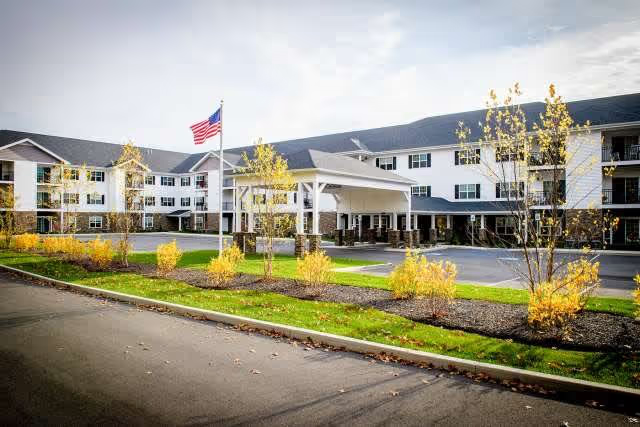
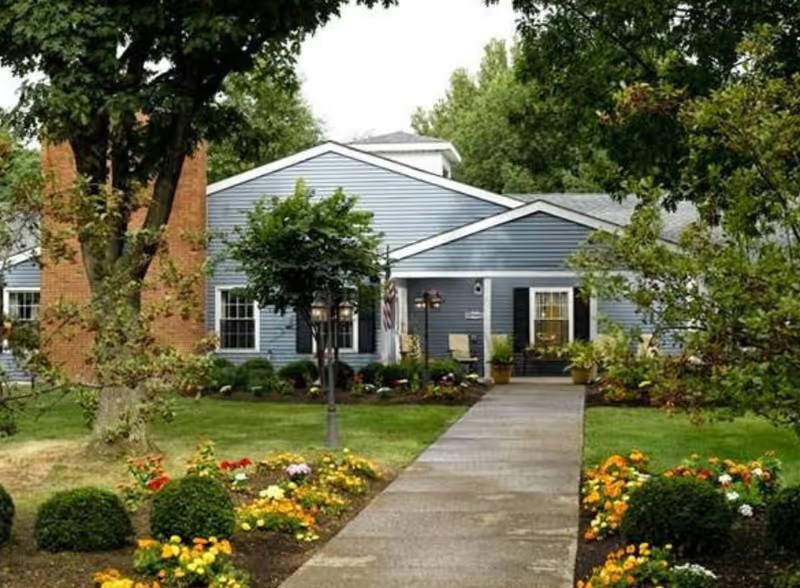
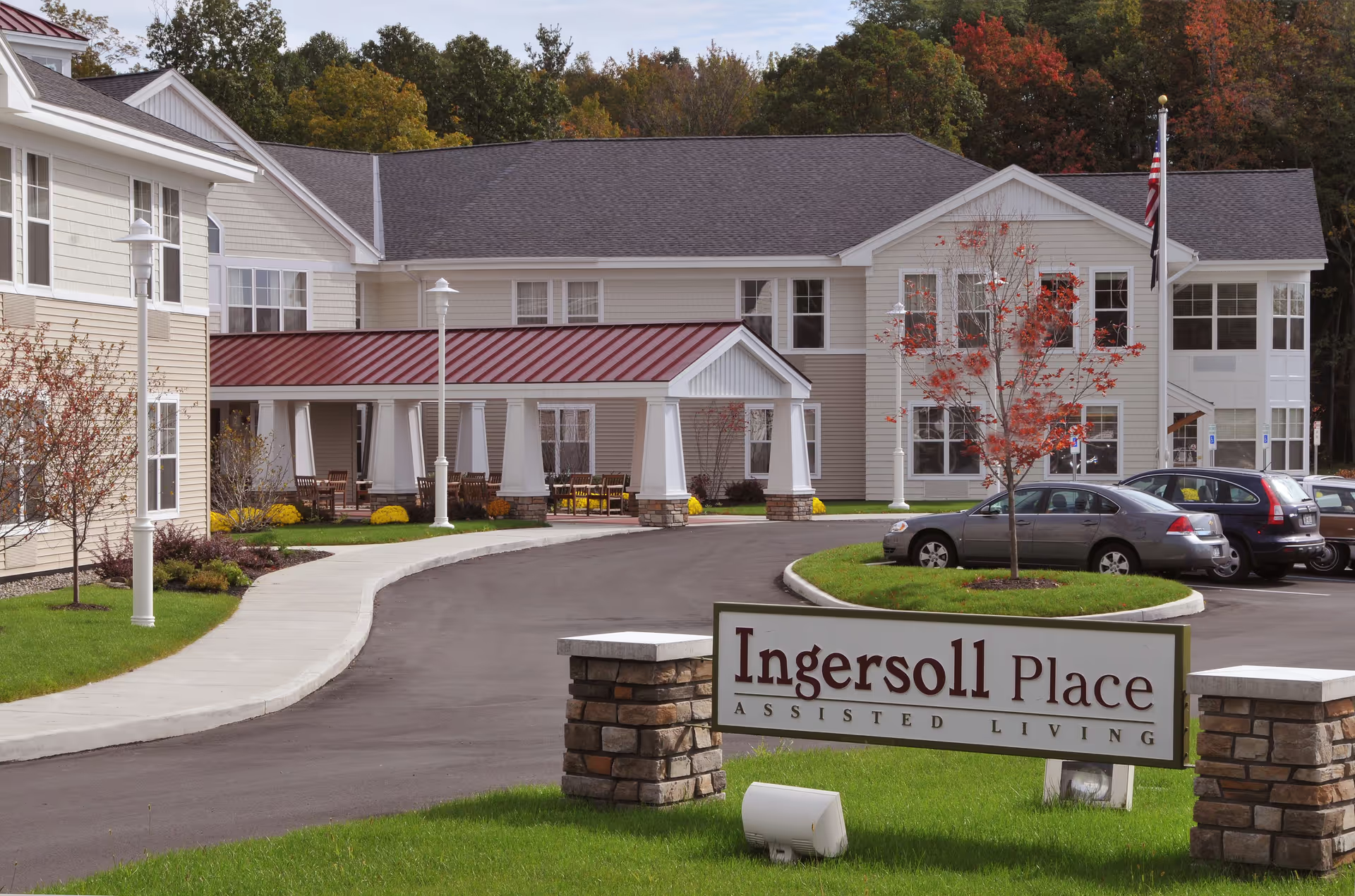
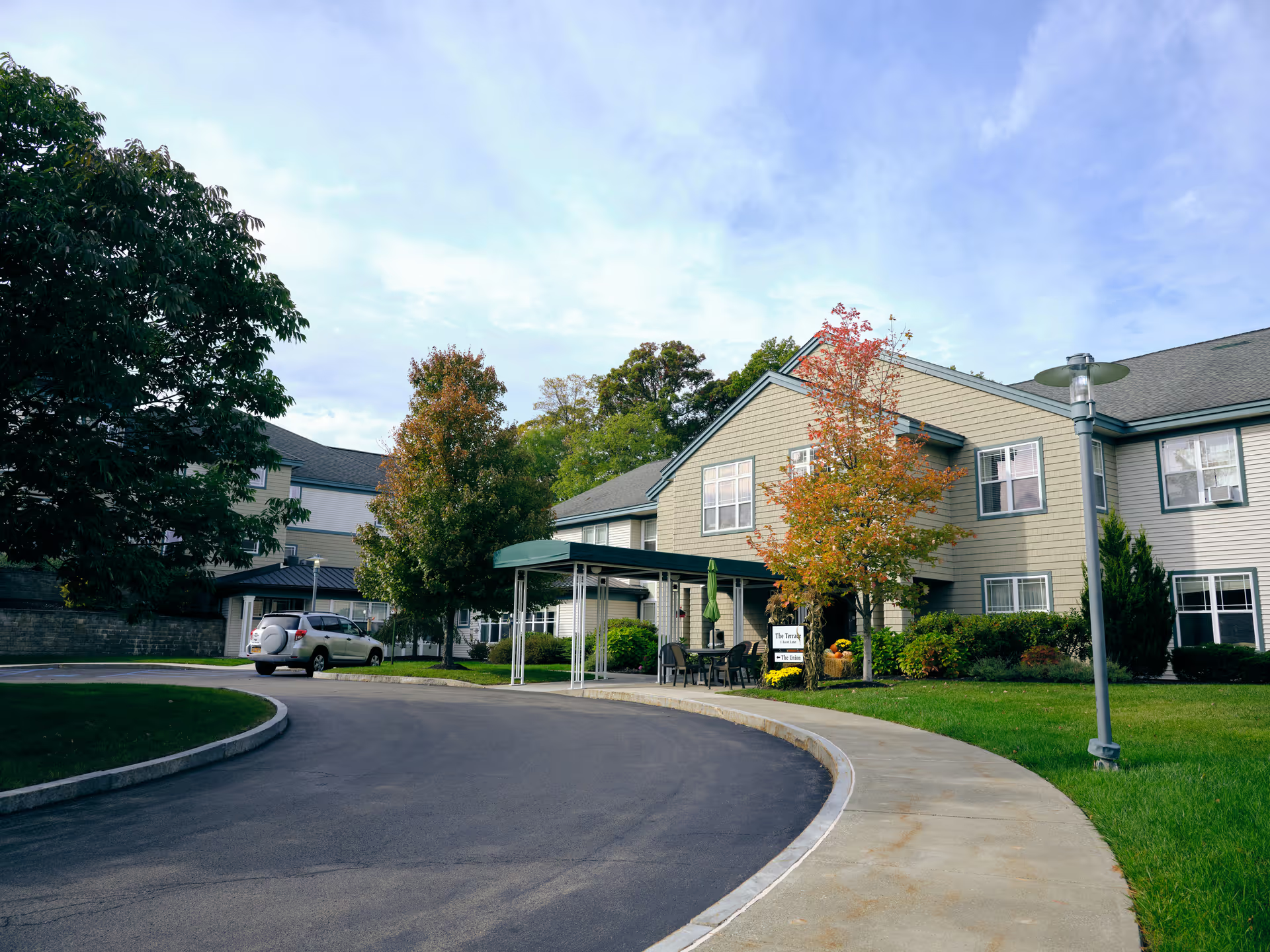
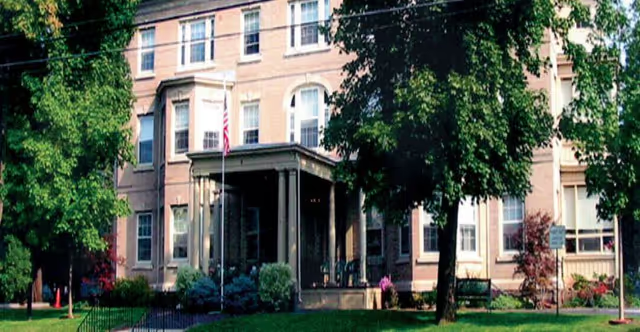
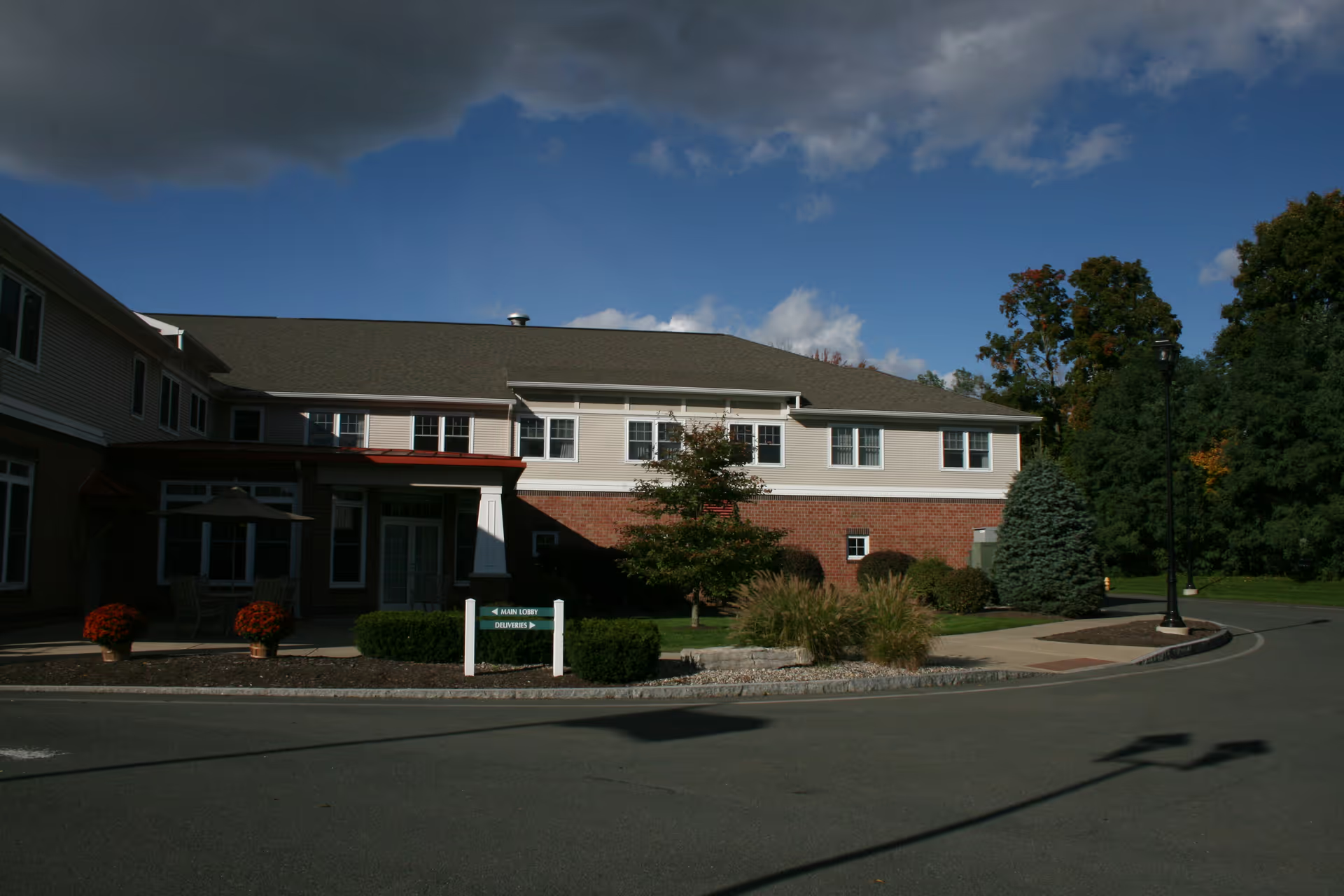
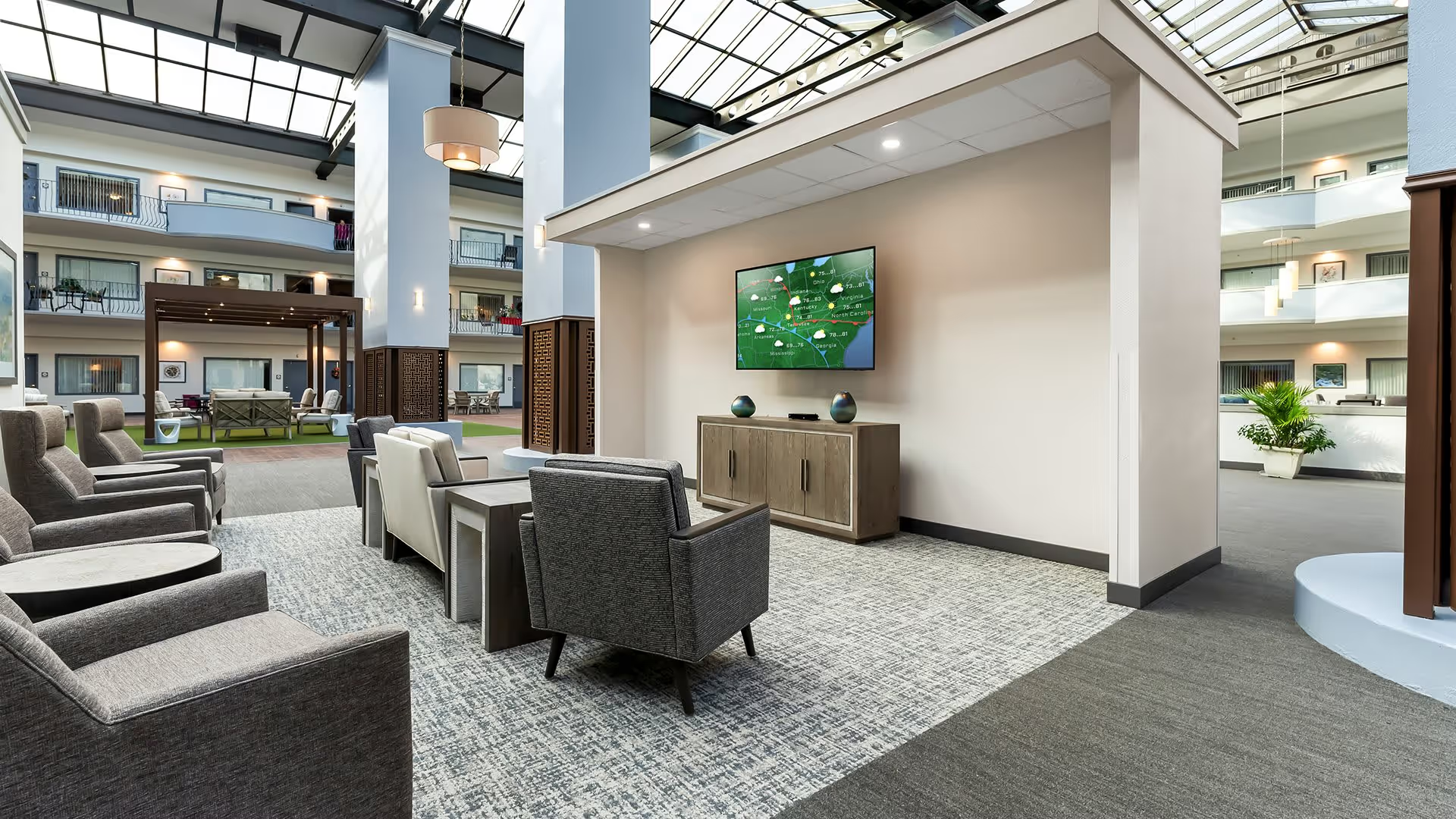
Facilities and sanitation: Several reviewers described clean, well-maintained common areas and pleasant grounds; however, other families reported sanitation and odor concerns in certain units, delays in room maintenance (lighting, climate control, mattresses, bed frames), and isolated pest-control concerns. There are also repeated comments about inconsistent bathing schedules and linen/bed maintenance. These mixed observations point to variability in environmental-maintenance performance across the building.
Management and communication: The reviews indicate inconsistent family communication and follow-up from administration and social services in some cases, alongside clear examples of helpful, coordinated case management in others. Ownership and management instability, staff-pay and supply concerns, and allegations of theft and legal action were raised by reviewers; such items warrant attention and verification through official sources. A small number of accounts describe serious clinical outcomes and concerns following a resident's death, highlighting the importance of reviewing clinical protocols and incident follow-up during any evaluation.
Notable patterns and guidance: The review set shows pronounced variability — pockets of high-quality rehabilitative care and individual staff excellence exist alongside persistent operational weaknesses (staffing, clinical oversight, maintenance, and dining continuity). Families considering placement should arrange an in-person tour across multiple shifts, ask about current staffing ratios and on‑call clinical oversight, review wound‑care and medication-administration protocols, request recent inspection or complaint histories, and confirm meal-service and bathing policies. Checking with local ombudsman resources or state inspection reports can provide additional objective context given the range of serious concerns described by reviewers.