The feedback for Briarcliff Manor Center for Rehabilitation and Nursing is strongly polarized: many families and residents praise the facility’s rehabilitation strengths and the welcoming physical environment, while others raise substantive operational and clinical concerns. The most consistent positive theme is the therapy program. Physical, occupational and speech therapy teams are repeatedly described as skilled, motivating and central to successful short-term rehabilitation outcomes. Several reviews highlight seven-day therapy availability, coordinated daily schedules so multiple providers are seen, and proactive rehab leadership that tracks progress.
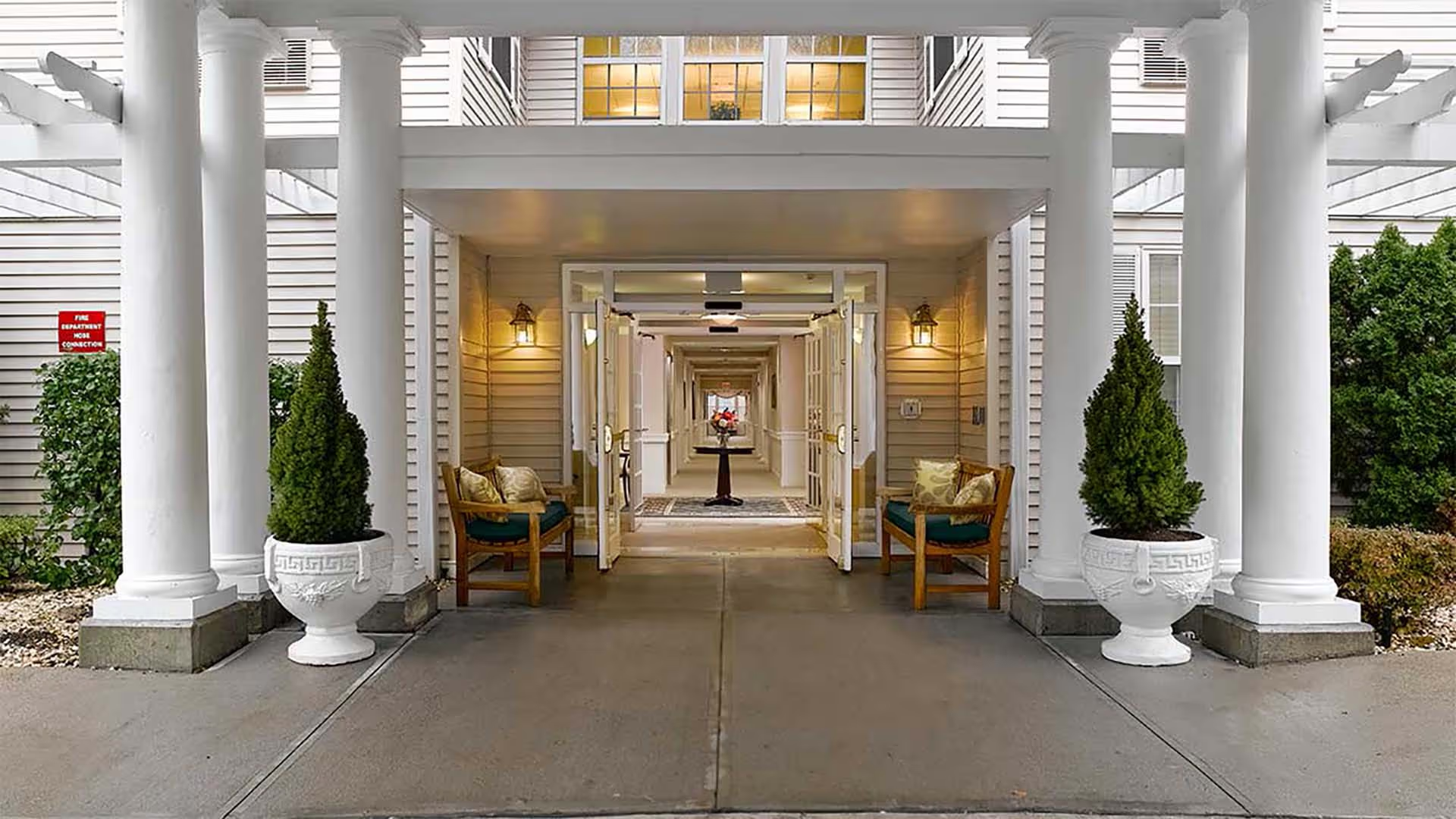
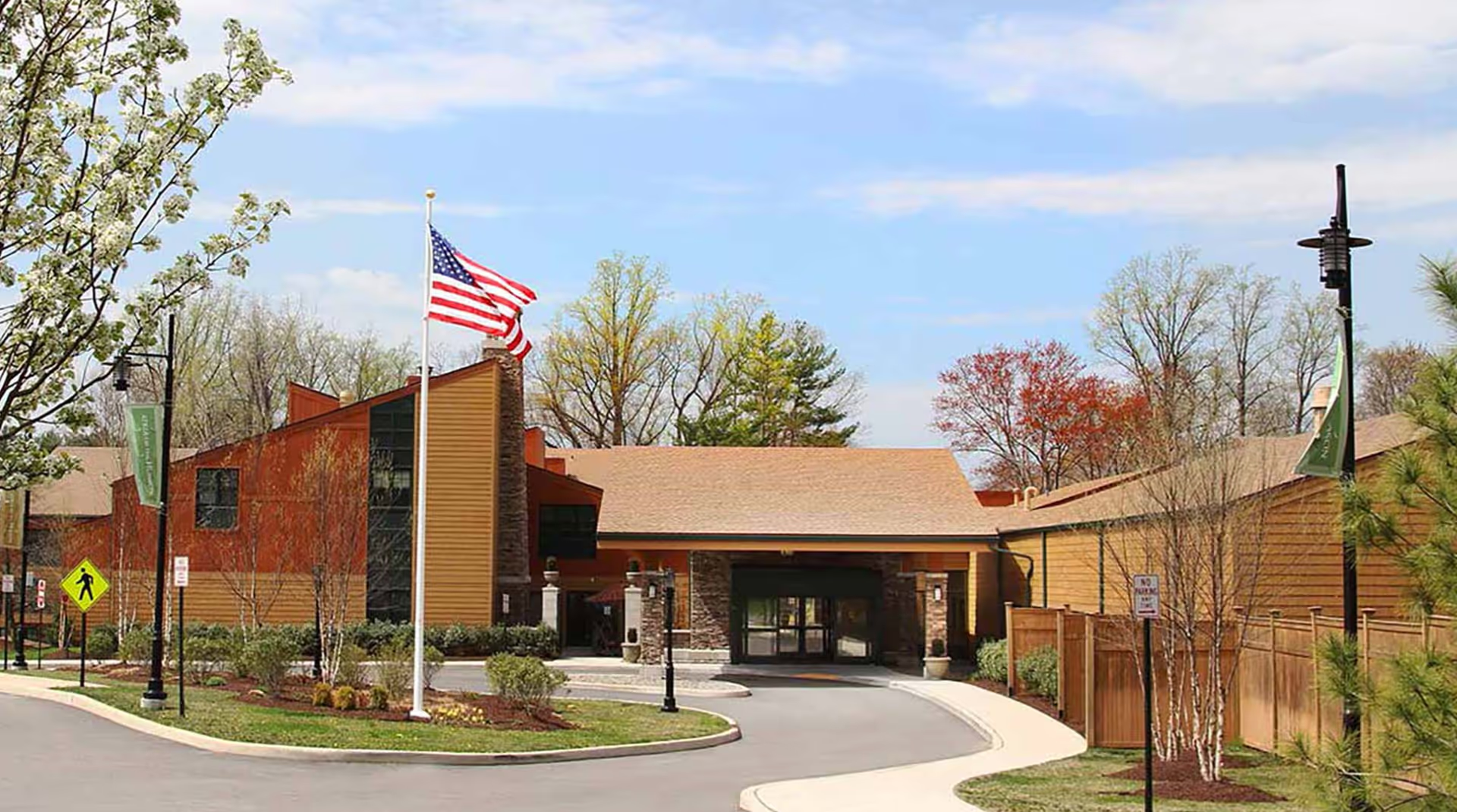
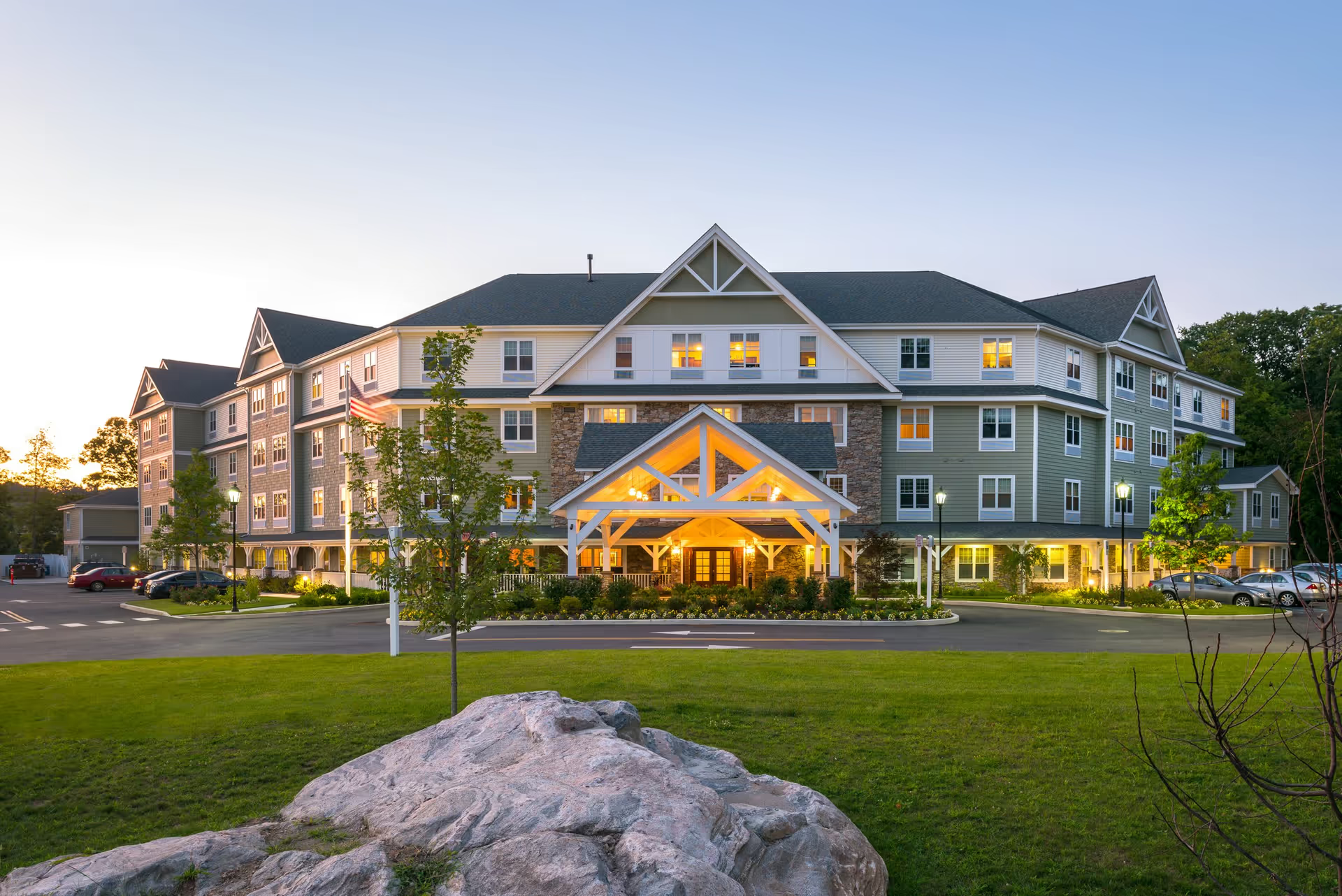
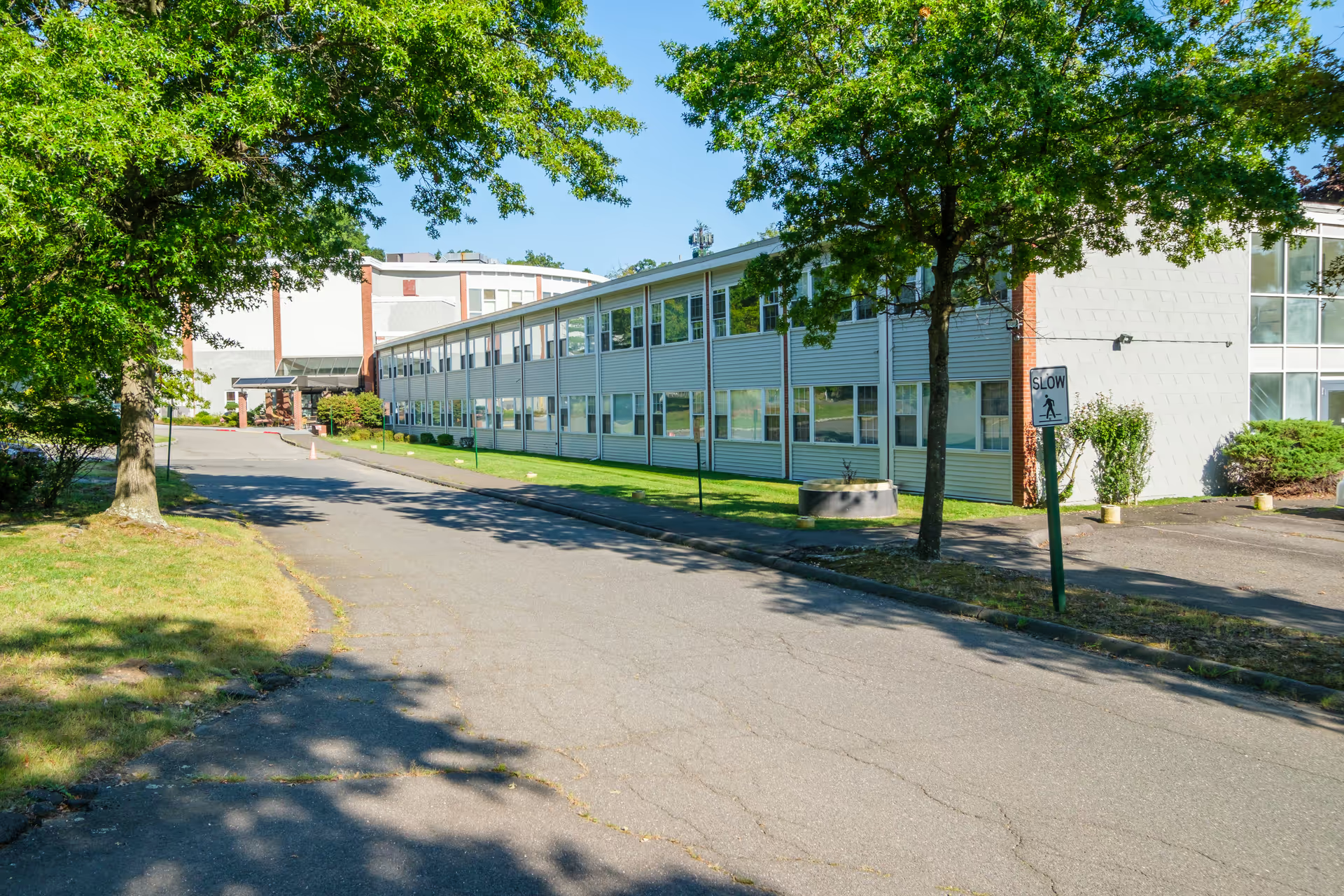
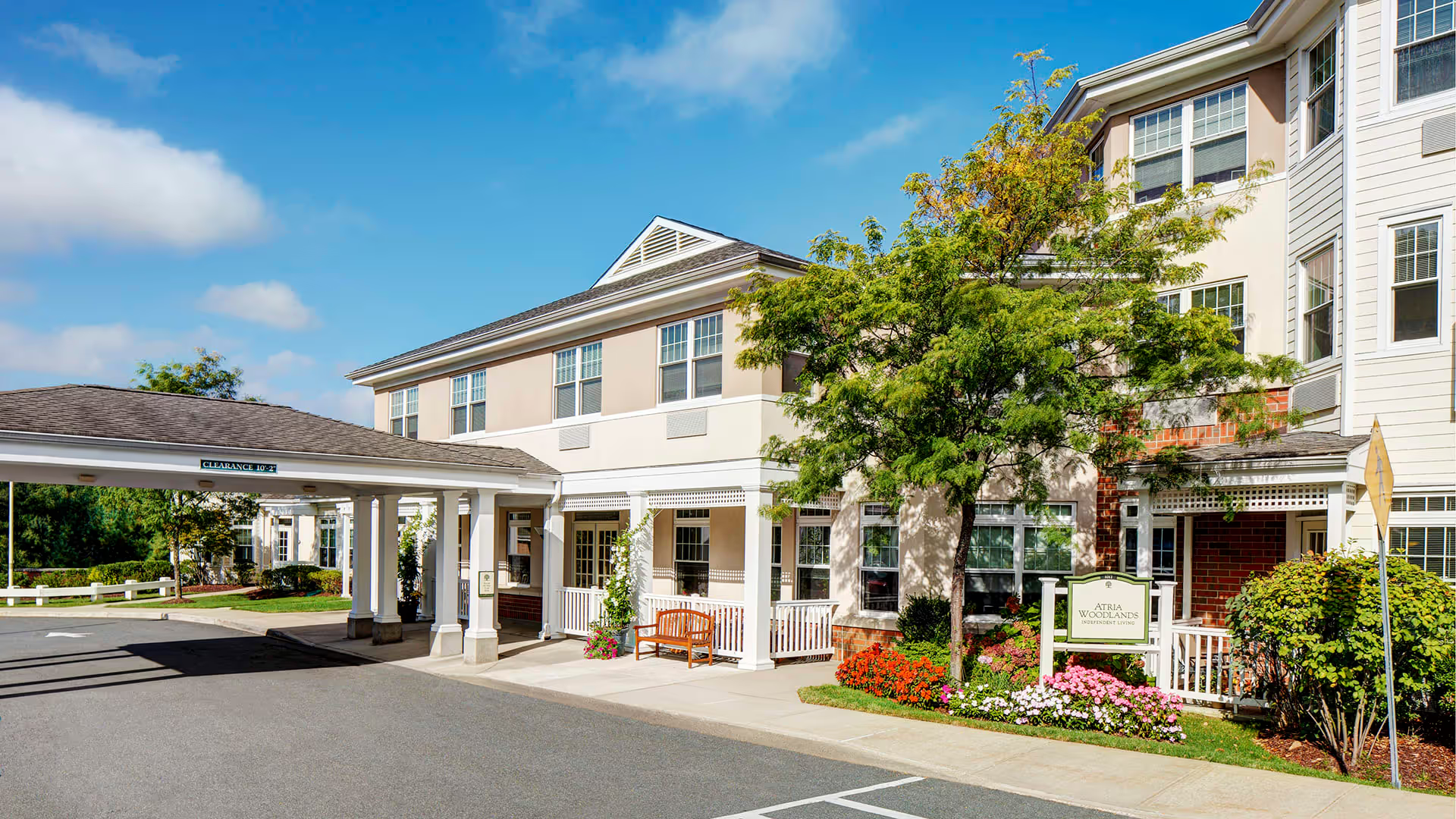
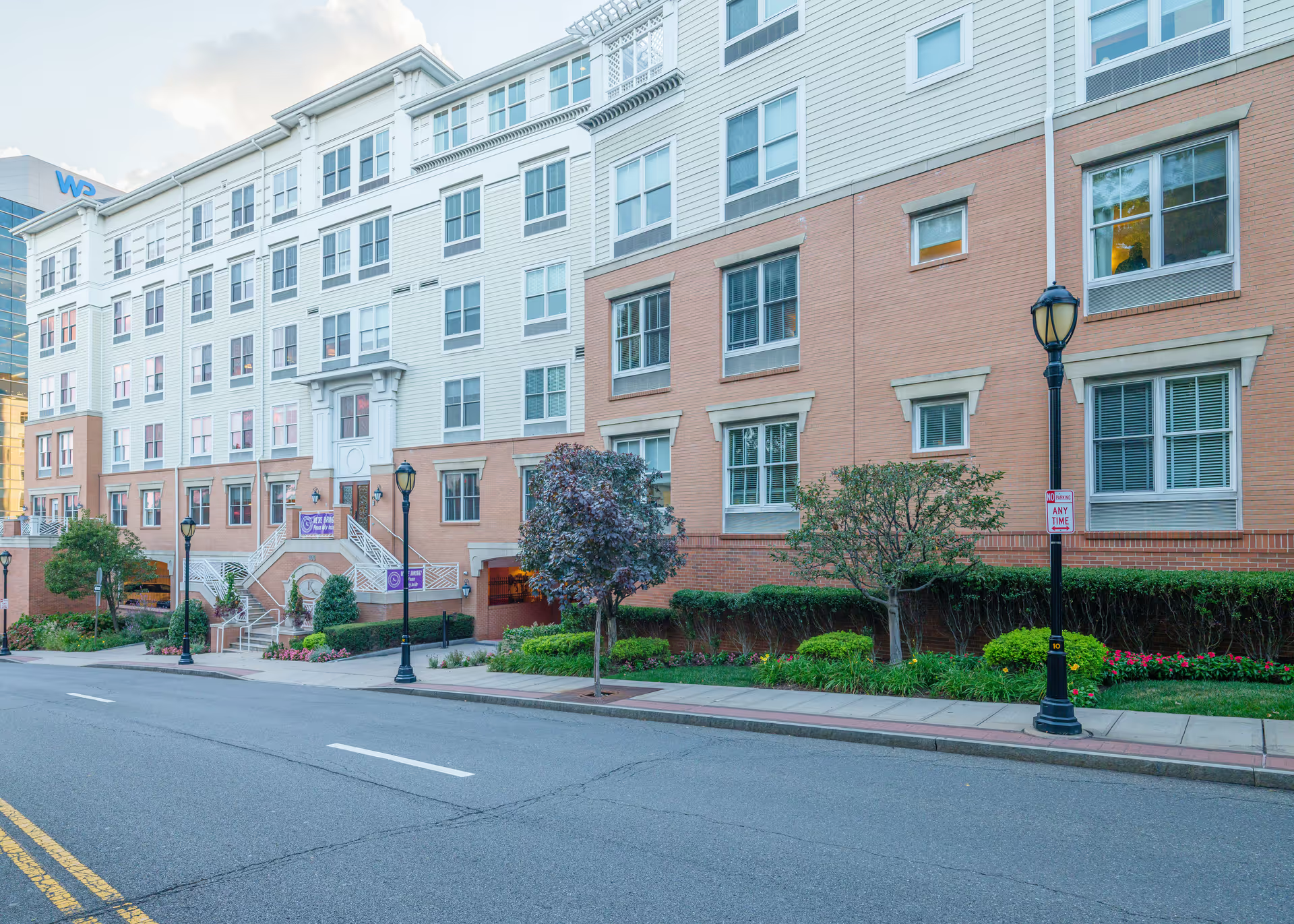
Concierge, admissions and front-desk staff receive frequent praise for being attentive and helpful; specific staff members and admissions leaders are identified as facilitating smooth admissions, paperwork and benefit coordination. Numerous comments also describe a clean, attractive building with recent upgrades, pleasant common areas and engaging recreation programming that contributes to resident well‑being.
On the other hand, a clear pattern of operational weaknesses emerges. Clinical staffing and responsiveness are inconsistent: many reviewers describe delays in nursing and aide response times, particularly on weekends, holidays and overnight. These delays are tied to reported problems in medication administration and monitoring, wound/infection follow-up, and general assistance for residents with higher care needs. Limited on-site physician coverage and accounts of delayed emergency responses are also recurring themes, which reviewers link to concerning clinical outcomes in individual cases.
Dining and housekeeping impressions are mixed. Several families praise the kitchen staff and specific meals, while others note cold plates, missed meals or interrupted meal-service continuity. Housekeeping and sanitation are described as high-quality by many, but some reviewers raised sanitation issues and pest-control concerns in certain units. These divergent views suggest variability across units and shifts rather than uniform performance.
Management and communication present a mixed picture. Some reviewers commend responsive leaders who resolve issues and assist with discharge planning and paperwork; others describe poor follow-through, limited availability of social-work support, unanswered phone lines and difficulty obtaining care plans or regular updates. A number of comments imply that operational pressures related to payer timelines and discharge planning influence length-of-stay practices.
Notable patterns for prospective residents and families to consider: (1) the facility’s rehabilitation services are a consistent strength and may be particularly well suited for short-term post-acute recovery; (2) clinical oversight and hands-on nursing responsiveness appear variable and are often tied to staffing levels and time of day/week; and (3) communication systems (phone responsiveness, family updates, social-work engagement) are uneven. There are also isolated but serious allegations of clinical lapses and adverse outcomes; these are not presented as systemic proof but do warrant direct clarification during a tour.
When evaluating Briarcliff Manor, families may wish to ask specific questions about current staffing ratios, weekend/night coverage, medication-administration protocols, infection-control and wound-care procedures, on-call physician access, and how the facility handles missed or delayed care events. Visiting at different times (weekday vs. weekend, day vs. night) and requesting recent quality indicators or inspection results can help clarify whether the facility’s strong rehabilitation capabilities are matched by reliable nursing and operational consistency for a given resident’s needs.