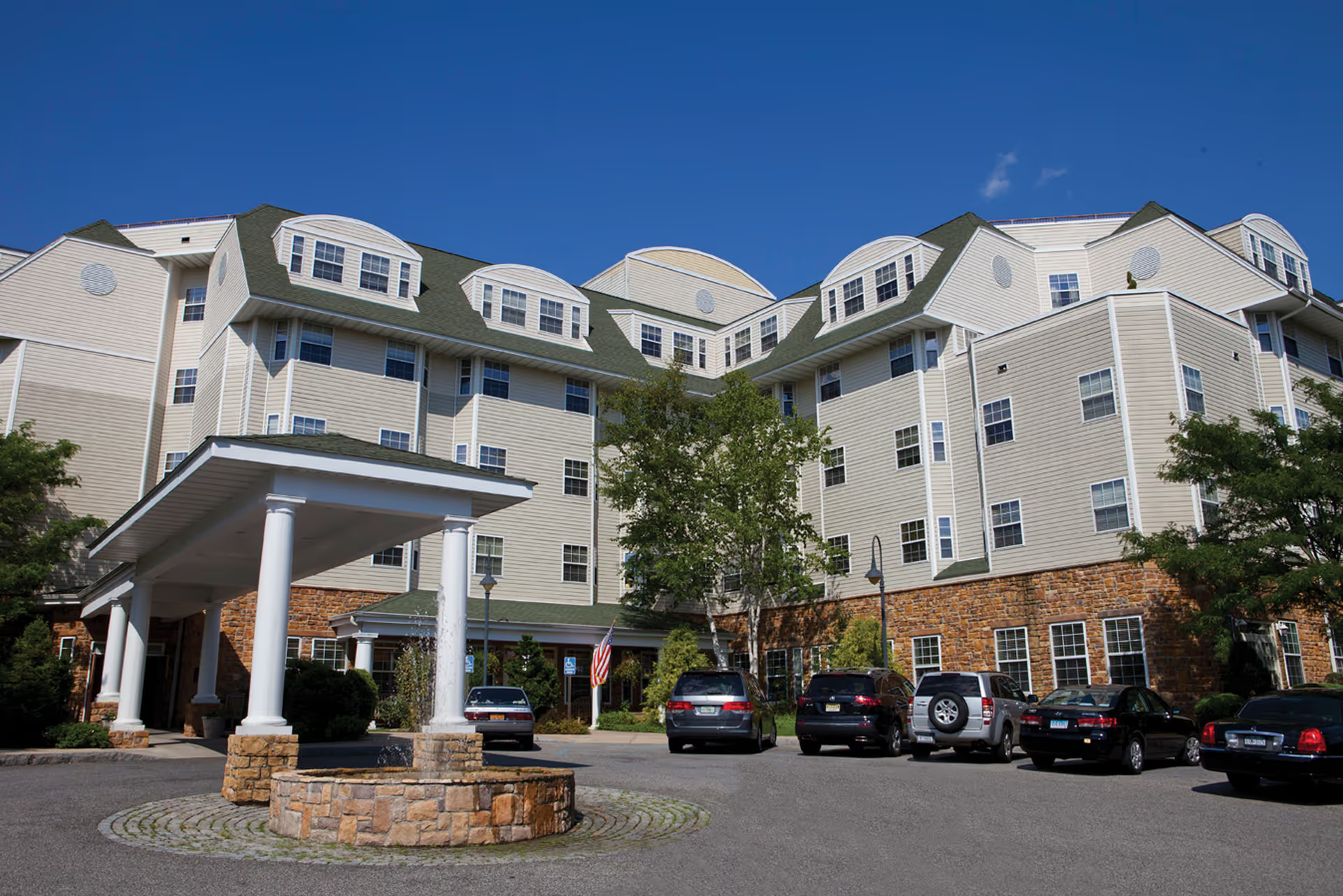
Beth Abraham Center shows a clear split between strong clinical/rehabilitation capabilities and operational variability. Many families and former patients praise the facility's rehabilitation program, therapists, and a well-equipped therapy gym; individual clinicians and therapy teams receive frequent, specific commendations for helping residents regain function. The facility's recent renovations, wellness center and spa amenities, concierge/security presence, and convenient Bronx location are repeatedly cited as strengths that contribute to a comfortable, hotel-like experience for some residents.
Care quality and staffing present a mixed picture. Positive accounts highlight attentive nurses, CNAs, and therapists who provide effective short-term rehab and individualized clinical attention. Concurrently, there are recurrent concerns about inconsistent staffing levels across shifts, gaps in clinical oversight, and delays in responding to resident needs. Families describe medication-administration and access problems as an operational weakness that merits inquiry. A subset of reviews raise questions about serious medical outcomes and about how those events were communicated to families; these accounts underscore the importance of clarifying clinical escalation, informed-consent, and post-event communication processes before admission.
Dining, activities, and facilities also reflect variability. The dining program and flexible menu options receive praise from many, while other families report cold or inconsistent meals. The wellness center, spa, and extensive recreational offerings are notable assets for residents seeking engagement and restorative services. At the same time, there are sanitation and incontinence-care concerns in some units, laundry and personal-belongings handling issues, and maintenance or pest-control lapses reported in portions of the building. Roommate matching and shared-room configurations are occasionally described as problematic for mobility and privacy.
Management, communication, and policies appear uneven. Several families commend responsive administrators and helpful admissions/discharge coordination; others describe limited management presence, slow follow-up on complaints, and strained interdepartmental communication. Ownership or leadership changes and pandemic-era restrictions are mentioned as contributors to variability in policies and staffing. Visitation and infection-control rules have at times been experienced as inflexible, which affected family access during critical periods.
Overall, prospective residents and families should weigh the facility's notable strengths in rehabilitation, amenities, and some highly engaged clinical staff against recurring operational concerns: staffing consistency, clinical oversight, medication processes, sanitation and laundry controls, and communication. Practical next steps for decision-making include arranging an in-person tour focused on specific units, asking for current staffing ratios and on-call clinical coverage, reviewing medication-administration protocols, inquiring about laundry and personal-item procedures, and requesting examples of how the facility handles clinical incidents and family communication. These steps can help determine whether the facility's strong therapy offerings and amenities align with an individual resident's safety and care needs.