Overview: Feedback for Citadel at Kingsbridge is strongly mixed. Many families and former patients highlight skilled rehabilitation services, compassionate bedside nursing and therapy staff, and a clean, modernized physical environment. At the same time, a number of accounts describe operational inconsistencies that affect safety, communication, and basic day-to-day care. Prospective residents and their families should weigh the demonstrated rehabilitation strengths against variability in staffing, cleanliness, and administrative follow-through.
Care quality and clinical issues: The facility is frequently described as effective for short-term rehabilitation: physical and occupational therapy staff receive consistent praise for helping residents regain function. Nursing and CNA performance is characterized as highly variable — while some shifts and teams are described as attentive and respectful, others are noted for delays in responding to patient needs, inconsistent bathing and grooming schedules, wound-care and pressure-injury management concerns, and transfer-safety problems. There are also accounts that raise concerns about medication and behavior-management practices. These patterns suggest that clinical outcomes are uneven and may depend greatly on staffing mix and supervision at a given time.
Staff and conduct: Many reviewers commend individual staff members — therapists, social workers, admissions personnel, and front-desk teams — for professionalism and family communication. However, recurring themes include variable staff competency across day and evening shifts, staff workloads that appear to contribute to slower responses, and instances where families felt incident reporting and follow-up were inadequate. There are also allegations of missing personal items and concerns about staff conduct; those issues point to the need for clearer property-security processes and transparent incident investigation protocols.
Dining and activities: The activities program is frequently described as robust and rehabilitation-focused, with a wide menu of engagement options, outdoor seating, and community events such as summer barbecues. Therapy-driven activities are a noted strength for patients seeking active recovery. Dining feedback is mixed: some found the meals acceptable and well-managed through a weekly plan, while others experienced inconsistent food quality and dissatisfaction with specific offerings.
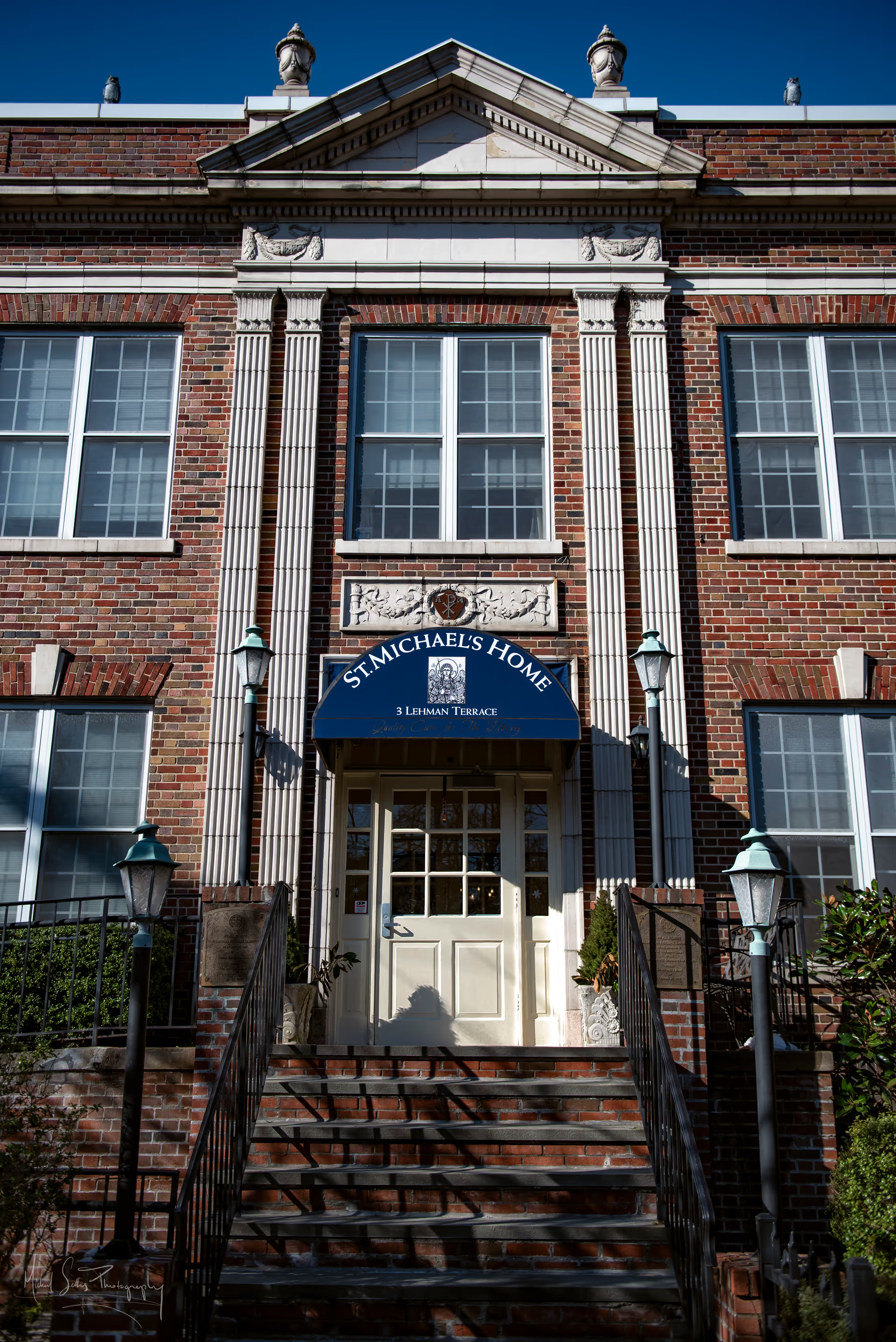
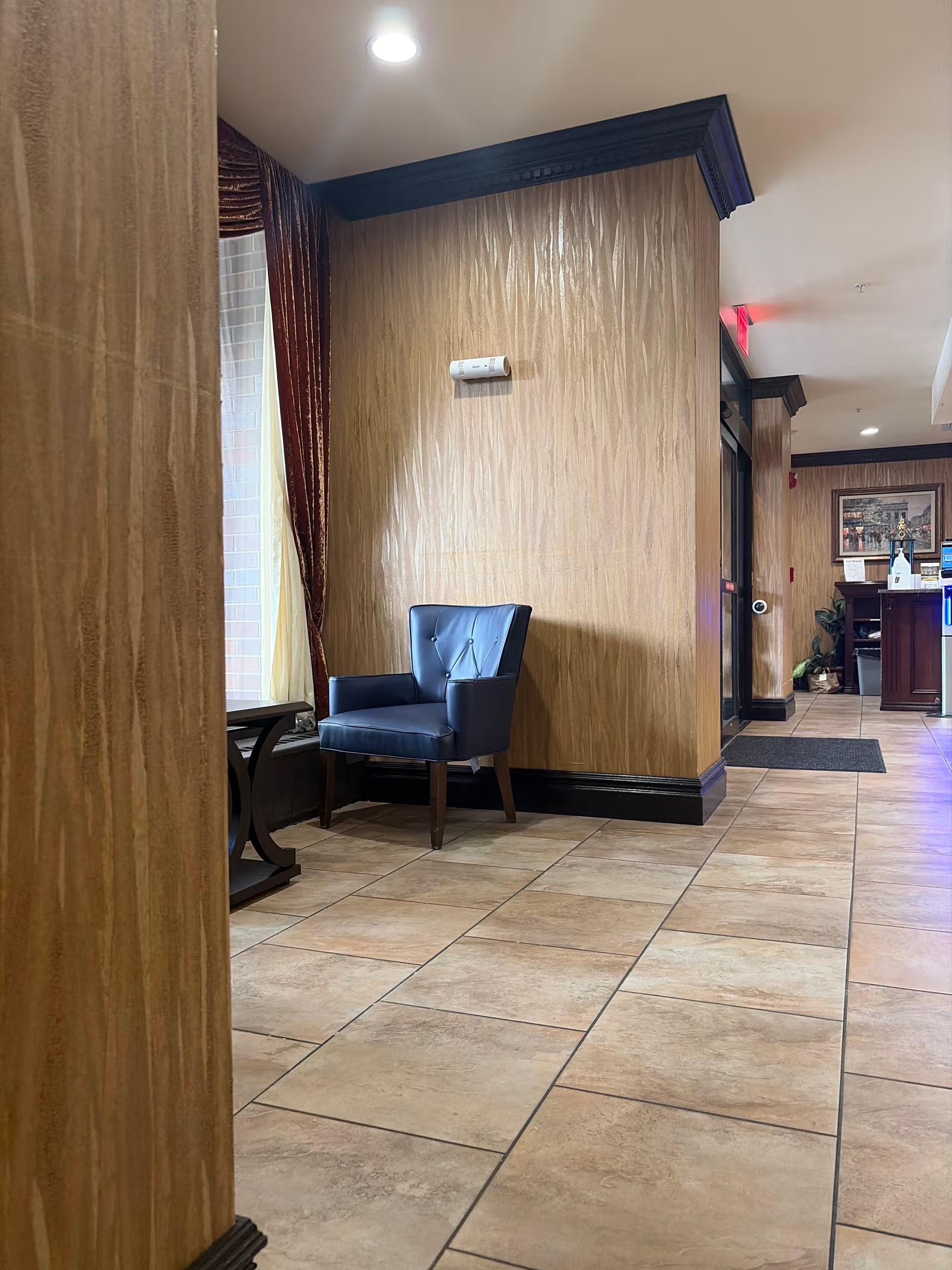
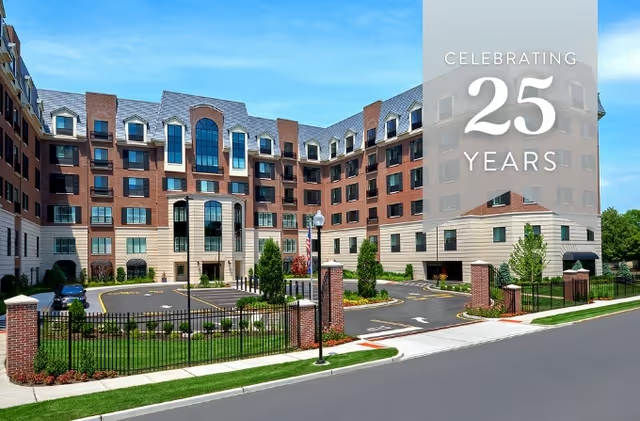
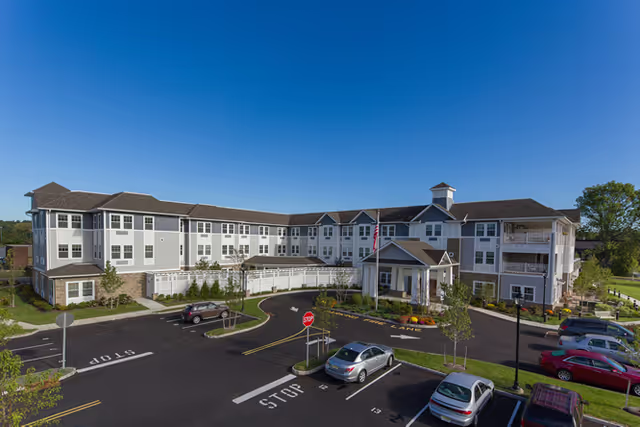
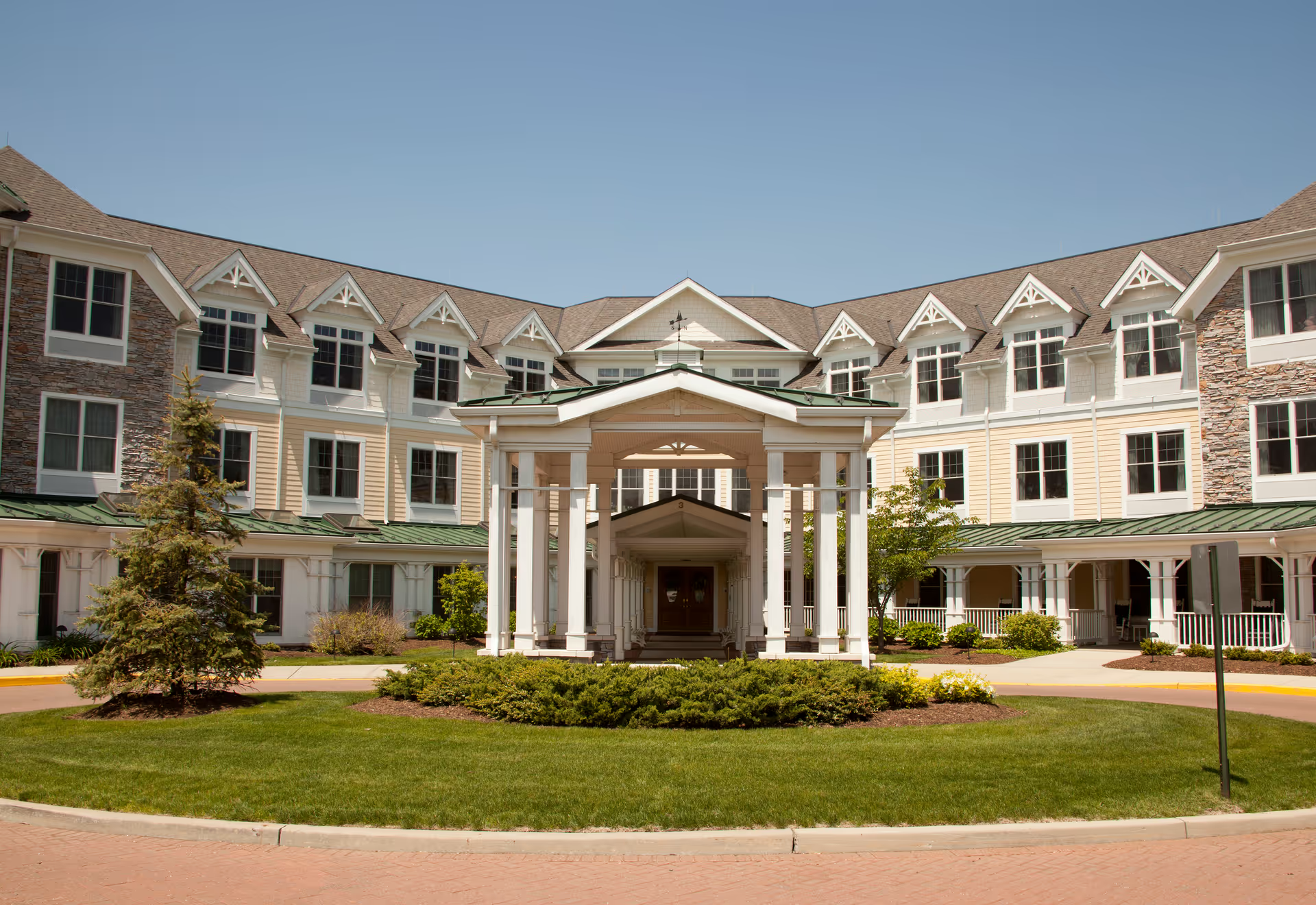
Facilities and environment: Physical attributes of the building receive generally positive comments: recently renovated, well-decorated interiors, organized equipment, and comfortable patient rooms with large bathrooms. Infection-control measures such as screening, PPE availability, and hand-sanitizer stations were also noted positively in many accounts. Nevertheless, there are reports indicating variability in sanitation and cleaning between units, pest-control concerns in some areas, and occasional equipment maintenance issues (for example, nonfunctional beds or mobility equipment delays). These facility-level inconsistencies appear to be concentrated in particular units or shifts rather than uniformly present throughout the campus.
Management, operations, and communication: Operational weaknesses emerge as a dominant pattern. Families describe communication gaps (difficulty reaching staff by phone, delayed notifications after incidents, and problems with charting or incorrect room assignments), administrative errors during admissions and discharge, and variability in leadership responsiveness. Discharge and care-coordination processes sometimes experience delays, and several accounts indicate that follow-up about investigations or clinical incidents was insufficiently transparent. There are also property-security and documentation issues that merit explicit inquiry during a tour.
Notable patterns and guidance: Citadel at Kingsbridge demonstrates clear strengths for patients whose primary need is intensive, therapy-driven rehabilitation and who will interact with highly rated therapists and certain committed nursing staff. However, the consistency of that experience appears to depend on shift staffing, unit assignment, and managerial oversight. Serious concerns described by families include wound-care outcomes, transfer safety, property-security, sanitation variability, and episodic lapses in communication.
If considering placement, families should conduct an in-person visit and ask specific operational questions: current staffing ratios by shift and unit; protocols for incident reporting and family notification; infection-control and pest-control practices; property-security and lost-item procedures; meal service reliability; and evidence of maintenance and calibration for clinical equipment. Request recent quality reports, average length of stay outcomes for rehab patients, and specific examples of leadership actions taken to address the concerns summarized here. Those steps will help determine whether the facility’s rehabilitation strengths align with the level of clinical oversight and operational reliability a particular resident requires.